When it comes to preparing a satisfying meal for yourself, few options offer the combination of nutritional balance, visual appeal, and customization that a chef salad provides. Unlike complicated recipes that require multiple pots and pans or extensive cooking techniques, a chef salad designed for one person delivers restaurant-quality results in minutes. This comprehensive guide explores everything you need to know about assembling a chef salad that meets your personal preferences, dietary needs, and culinary standards.
Understanding the Foundation of a Chef Salad
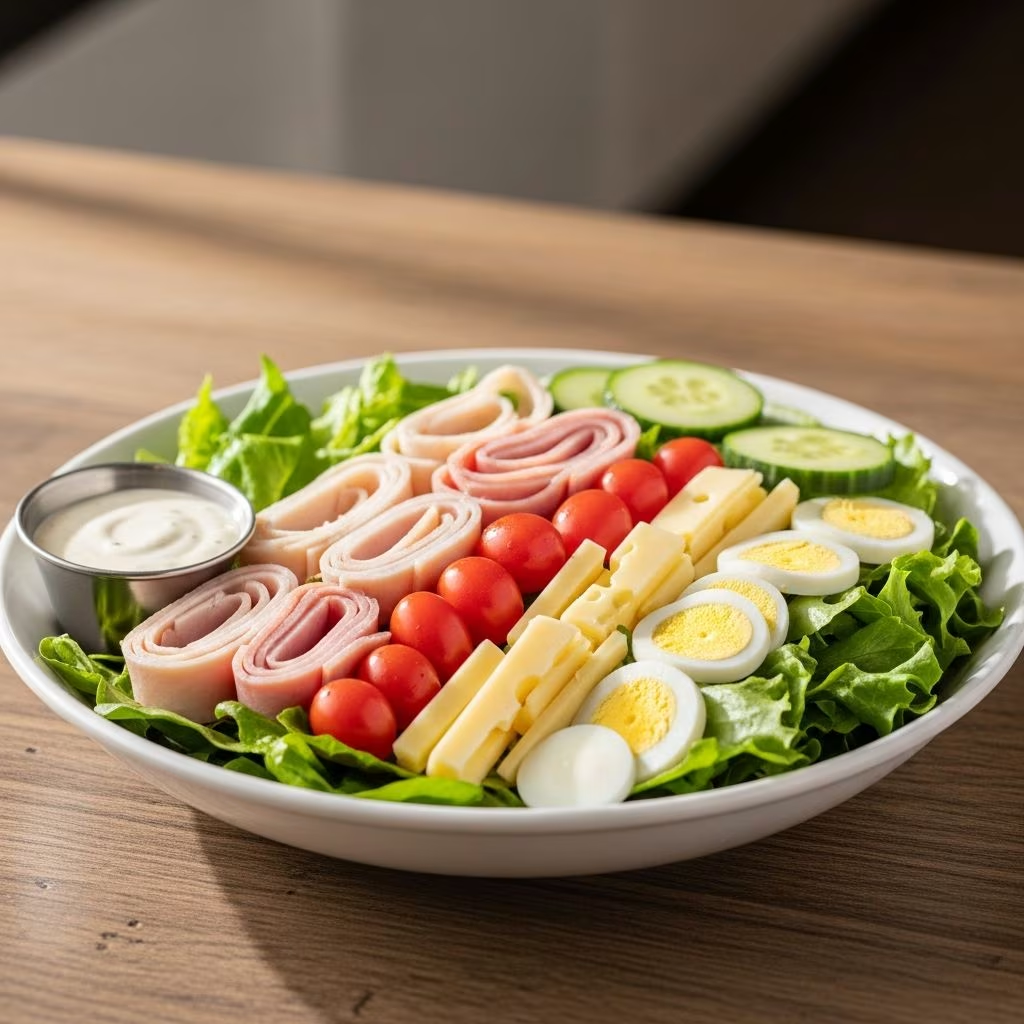
The chef salad represents a classic American culinary tradition that combines fresh vegetables, premium proteins, and cheese into a single, satisfying bowl. What makes this dish particularly appealing for solo diners is its inherent flexibility. Rather than following rigid instructions, you create a personalized composition based on what ingredients you have available and what flavors you crave. The structure remains consistent: a bed of greens topped with complementary ingredients arranged thoughtfully for both aesthetics and eating experience.
The foundation of any exceptional chef salad begins with selecting quality greens. Romaine lettuce remains the traditional choice, offering a sturdy texture that holds up well under the weight of heavier toppings. However, fresh spinach, shredded cabbage, mixed spring greens, or even chopped baby kale provide equally valid alternatives. For a single serving, approximately one cup of loosely packed greens provides the ideal base—enough to create substantial volume without overwhelming your bowl or plate.
Building Layers: The Strategic Arrangement Method
Professional salad preparation involves more than simply dumping ingredients into a bowl. Creating distinct layers ensures each component remains distinct until you choose to combine them. Begin by spreading your selected greens evenly across your serving vessel. This creates a moisture barrier that protects the greens from absorbing excess dressing too quickly.
The second layer consists of your fresh vegetables. Arrange sliced cucumbers, halved cherry tomatoes, shredded carrots, and thinly sliced sweet onion over the greens. This vegetable foundation provides textural contrast and prevents your salad from becoming monotonous. Consider including bell pepper strips for additional sweetness and visual color variation.
Your protein selections form the third strategic layer. Chef salads traditionally incorporate two complementary meat options that balance each other’s flavors. The most common pairing combines sliced ham with poultry—either rotisserie chicken or smoked turkey. For a single serving, allocate approximately one-quarter to one-half cup of each meat variety, depending on your protein preferences and appetite.
Protein Selection and Preparation Considerations
The beauty of a solo chef salad lies in your complete control over protein selection. Several viable options offer different flavor profiles and nutritional characteristics:
- Rotisserie chicken provides lean protein with a subtle smokiness that complements most dressing choices
- Sliced ham delivers a familiar, salty element that pairs exceptionally well with cheese and hard-boiled eggs
- Smoked turkey offers a lighter alternative to ham with comparable flavor complexity
- Roast beef creates a more substantial, umami-forward salad experience
- Cooked bacon adds crispy texture and concentrated pork flavor for adventurous diners
When preparing your proteins, ensure they are properly cooked and cooled before adding to your salad. For convenience, using high-quality deli meats eliminates cooking time while maintaining professional flavor standards. Many grocery stores offer premium varieties that exceed the quality of mass-produced alternatives.
Cheese Components and Flavor Pairing
Cheese selection significantly impacts your salad’s overall flavor profile. Most chef salad preparations incorporate two distinct cheese types that offer complementary textures and tastes. Sharp cheddar cheese serves as an excellent foundational choice, providing familiar flavor and reliable texture. Swiss cheese adds mild, slightly sweet notes that contrast pleasantly with more assertive ingredients.
For textural variety, consider combining a firm cheese cut into cubes with a crumbly cheese that distributes more evenly throughout your salad. Traditional options include:
| Cheese Type | Texture | Best Uses |
|---|---|---|
| Cheddar | Firm, sliceable | Cubed or julienned pieces |
| Swiss | Semi-firm, mild | Sliced or cubed |
| Feta | Crumbly, tangy | Crumbled over finished salad |
| Parmesan | Hard, shavable | Grated or shaved |
| Blue Cheese | Crumbly, assertive | Crumbled throughout |
The Hard-Boiled Egg: Protein and Visual Element
The hard-boiled egg represents both a nutritional powerhouse and a visual anchor in your chef salad composition. A single large egg contributes approximately six grams of protein while providing essential nutrients including choline and lutein. Slice or quarter your egg and position it prominently on your salad to create visual interest.
To prepare perfectly cooked hard-boiled eggs, place room-temperature eggs in cold water, bring to a boil, remove from heat, and allow to rest covered for ten to twelve minutes. This method virtually eliminates the gray-green ring that indicates overcooking. Transfer cooked eggs immediately to ice water to halt the cooking process and ensure bright, vibrant yolks.
Optional Additions for Personalization
While the foundational chef salad components remain consistent, numerous additions allow you to customize your creation:
- Pickled vegetables such as pepperoncini or artichoke hearts contribute tangy flavor and textural contrast
- Fresh herbs including parsley, dill, and chives add aromatic brightness without adding calories
- Nuts or seeds provide additional crunch and nutritional complexity
- Homemade or store-bought croutons offer crispy texture that contrasts with softer ingredients
- Roasted vegetables like cooled asparagus or beets add earthiness and color variation
Dressing Strategies and Flavor Amplification
Your dressing choice dramatically influences the final eating experience. Traditional chef salads pair beautifully with Thousand Island dressing, which combines mayonnaise, ketchup, relish, and complementary seasonings. This creamy, slightly sweet dressing balances the salty proteins and cheese while adding moisture to the overall composition.
Alternative dressing options include ranch, French, or balsamic vinaigrette, each offering distinct flavor profiles. Apply dressing strategically—typically one to three tablespoons for a single serving—either drizzled over the finished salad or mixed throughout immediately before eating, depending on your texture preferences and how quickly you plan to consume your meal.
Assembly Process and Timing Considerations
The optimal approach to assembling a chef salad for one involves sequential layering rather than mixing all components simultaneously. Begin with greens, then add vegetables, then arrange proteins and cheese in visually distinct sections. Position your hard-boiled egg slices prominently, and finish with any crumbly toppings or optional additions.
Timing matters significantly for maintaining optimal texture. While some components like carrots and cucumbers withstand extended exposure to dressing, delicate greens and crispy elements deteriorate quickly. If preparing your salad more than thirty minutes before eating, hold dressing, croutons, and tender herbs separately, adding them immediately before consumption.
Nutritional Balance and Dietary Modifications
A well-constructed chef salad provides substantial nutritional value, typically delivering fifteen to twenty grams of protein from combined meat, cheese, and egg components. The vegetable foundation contributes fiber, vitamins, and minerals while remaining relatively low in calories. To emphasize nutritional density, select vegetables with varied colors, as different pigments indicate different nutrient profiles.
Dietary modifications remain straightforward with chef salads. Vegetarians can substitute legumes like chickpeas or marinated tofu for traditional meats. Those avoiding dairy can use dairy-free cheese alternatives or simply increase protein portions through additional eggs or plant-based options. Gluten-conscious diners simply skip croutons or select gluten-free varieties.
Storage and Make-Ahead Strategies
While best consumed fresh, chef salads accommodate meal preparation well. Store components separately in airtight containers for up to three days, combining them just before eating. This approach maintains optimal texture while allowing you to prepare multiple days of lunches simultaneously. Keep dressing stored separately to prevent premature sogginess.
Texture and Flavor Principles for Success
Creating an exceptional chef salad requires balancing multiple elements simultaneously. Incorporate varied textures including crunchy, crispy, creamy, and soft components to maintain interest throughout your meal. Similarly, pursue diverse colors—red tomatoes, green cucumbers, orange carrots, yellow cheese, and white egg whites create visual appeal that enhances your eating experience.
Flavor balance proves equally important. Salty proteins and cheese provide savory foundations, fresh vegetables contribute sweetness and freshness, creamy dressing adds richness, and optional pickled elements introduce tanginess. This comprehensive flavor profile satisfies multiple sensory preferences in a single meal.
Frequently Asked Questions About Solo Chef Salads
Can I prepare a chef salad without hard-boiled eggs?
Absolutely. While traditional chef salads incorporate hard-boiled eggs, you can substitute additional protein through increased meat portions, cheese varieties, or plant-based options like chickpeas or hemp seeds.
How far in advance can I assemble my chef salad?
Fresh chef salads taste optimal when consumed within thirty minutes of assembly. However, you can prepare components separately and combine them just before eating for best results.
What dressing works best with chef salads?
Thousand Island dressing remains the classic choice, though ranch, French, balsamic vinaigrette, or your personal favorite work equally well depending on your taste preferences.
Can I make a vegan chef salad?
Yes. Substitute plant-based proteins like marinated tofu, tempeh, or legumes for traditional meats, and use dairy-free cheese alternatives or simply omit cheese while increasing other protein sources.
How long do prepared chef salad components last?
When stored separately in airtight containers, most components remain fresh for three to four days, though greens are best consumed within two days.
Conclusion: The Versatility of Individual Chef Salads
Creating a chef salad for one represents an ideal approach to preparing restaurant-quality meals at home with minimal time investment and maximum personalization. By understanding foundational components and strategic assembly methods, you can adapt this classic dish to your specific preferences, dietary needs, and available ingredients. Whether you prepare your salad for a quick lunch, light dinner, or meal preparation session, the flexibility of chef salads ensures they remain satisfying regardless of when you choose to enjoy them.
References
- Classic Chef’s Salad Recipe — An Oregon Cottage. Accessed April 2026. https://anoregoncottage.com/classic-chefs-salad/
- Chef Salad Recipe (Healthy Lunch) — Delicious Meets Healthy. Accessed April 2026. https://www.deliciousmeetshealthy.com/chef-salad/
- Easy Chef Salad Meal Prep — Project Meal Plan. Accessed April 2026. https://projectmealplan.com/easy-chef-salad-meal-prep/
- How To Make A Chef Salad — The Foodie Channel. Accessed April 2026. https://www.youtube.com/watch?v=NK_Rt14c-vI
- Classic Chef Salad Recipe — One Lovely Life. Accessed April 2026. https://www.onelovelylife.com/chef-salad/