Hash brown casseroles have become a staple in American kitchens, particularly during holiday gatherings, family dinners, and special brunch occasions. The combination of crispy potatoes, creamy sauces, and melted cheese creates a comfort food that appeals to virtually everyone at the table. What makes this dish particularly appealing is its simplicity—despite looking impressive when served, the preparation requires minimal culinary skills and straightforward ingredients that most home cooks already have in their pantries.
This versatile casserole can transition seamlessly from a casual weeknight dinner to an elegant holiday side dish. Whether you’re feeding a small family or preparing for a potluck with dozens of guests, this recipe scales easily and delivers consistent results. The beauty of this dish lies in its adaptability; you can customize it with various add-ins and seasonings to match your family’s preferences or dietary needs.
Understanding the Foundation: Key Ingredients Explained
Creating an exceptional cheesy hash brown casserole begins with understanding what each ingredient contributes to the final dish. The foundation rests on several core components that work together to create the perfect texture and flavor profile.
Selecting Your Potato Base
The potato component forms the structural foundation of this casserole. Most recipes call for frozen shredded hash browns, which offer several advantages over fresh potatoes. Frozen varieties come pre-shredded and partially processed, significantly reducing preparation time. When selecting your hash browns, look for brands that maintain quality standards and contain minimal additives. The frozen potatoes should be thawed before use, with excess moisture removed to prevent a watery casserole. To thaw properly, place the hash browns in a colander set over a plate and refrigerate overnight, then pat dry with paper towels to eliminate any standing liquid that could compromise the texture.
The Creamy Binding Agent
Condensed cream soups serve as the creamy backbone of this dish. Cream of chicken soup represents the most traditional choice, but cream of celery and cream of mushroom offer equally delicious alternatives. These canned soups provide the moisture and richness necessary to transform individual potato shreds into a cohesive, creamy mixture. The soup’s starch content helps bind ingredients together, while its inherent seasoning reduces the need for additional salt. Sour cream amplifies the creamy texture and adds a subtle tang that balances the richness of cheese and butter.
Cheese Selection and Proportion
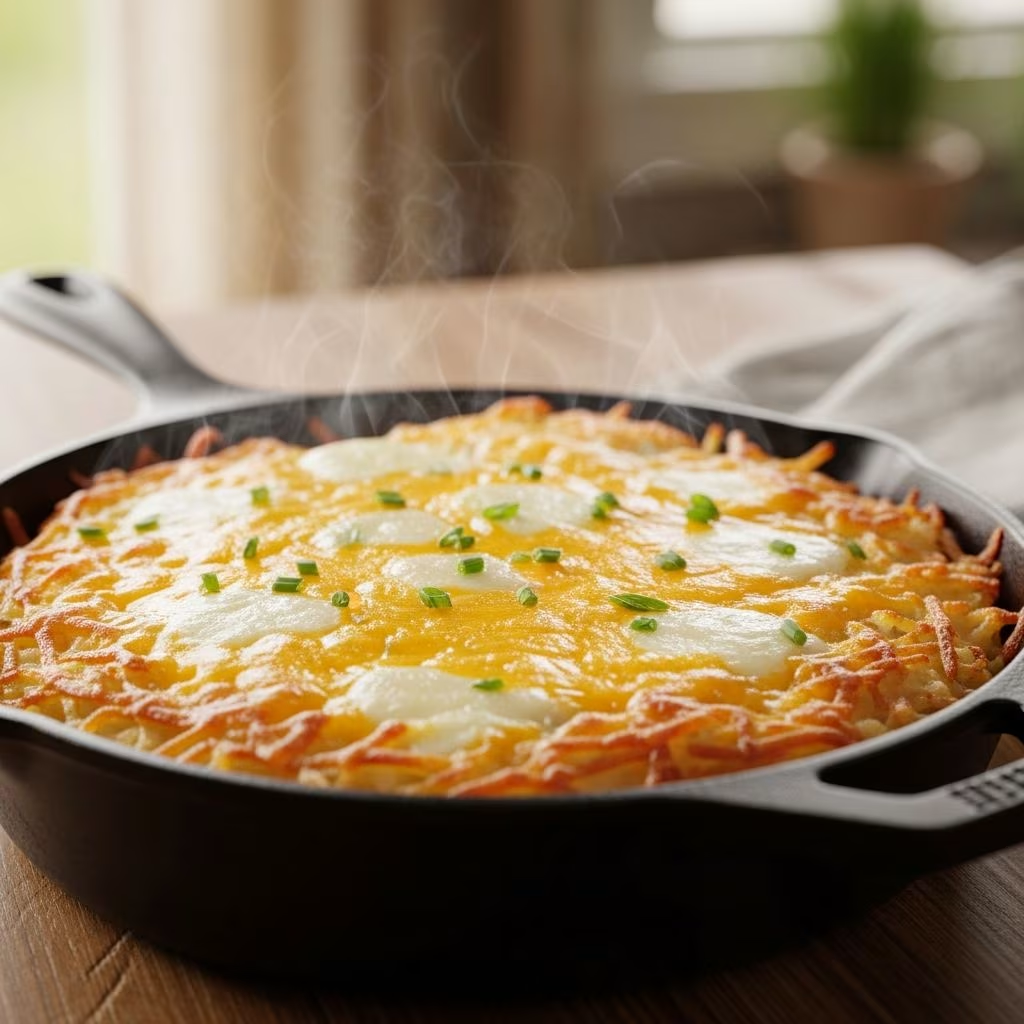
Cheese serves as both a flavor driver and a textural element in this casserole. Colby Jack cheese has emerged as the preferred choice for this dish, offering a mild flavor that appeals to diverse palates without overpowering other ingredients. This semi-firm cheese melts smoothly and creates attractive golden-brown areas during baking. You can experiment with other varieties like sharp cheddar for intensified flavor or a blend of cheddar and Monterey Jack for complexity. Reserve a portion of cheese for topping during the final baking stage—this creates an attractive presentation and ensures maximum melted cheese flavor in every bite.
Flavor Builders and Optional Enhancements
While the core recipe delivers satisfying results with basic seasonings, several additions elevate the casserole from simple to spectacular. Diced onions contribute sweetness and depth, particularly when using sweet varieties. Crumbled bacon introduces smoky notes and textural contrast. Fresh herbs like chives or green onions added as garnish provide brightness and visual appeal. Butter enriches the mixture while improving browning during baking. These elements work synergistically to create a more complex, restaurant-quality dish.
Mastering the Preparation Process
The path to a perfectly baked casserole involves several crucial preparation steps that many home cooks overlook. Understanding and executing each stage correctly ensures consistent excellence.
The Thawing Stage: Why It Matters
Properly thawing hash browns prevents several common problems that plague home cooks. If you use frozen hash browns directly from the freezer, excess ice and moisture will weep into your casserole during baking, creating a soggy, watery texture. The overnight refrigerator thaw method allows ice crystals to melt gradually, collecting in your colander. Patting the thawed potatoes dry with clean paper towels removes additional surface moisture without compromising the potato structure. This step requires patience but makes the difference between a beautifully browned casserole and a disappointing, steamed version.
Mixing Strategy for Even Distribution
The order and method of combining ingredients significantly impact your final result. Begin by mixing wet ingredients—butter, sour cream, and cream soup—until they achieve a smooth consistency. Add seasonings and any diced vegetables like onions to this base, stirring thoroughly. Only after this preliminary mixing should you introduce the thawed, dried hash browns and cheese. This approach ensures even distribution of seasonings and creaminess throughout the casserole rather than creating pockets of unseasoned potatoes or dry spots. Mix until every potato strand appears coated with the creamy sauce.
Dish Preparation and Transfer
A properly prepared baking dish prevents sticking and ensures even browning. Use a 9 by 13-inch casserole dish for standard recipes—this size distributes the mixture evenly for consistent cooking. Grease thoroughly with butter or non-stick cooking spray, paying special attention to corners and edges. Transfer the mixed casserole gently into the prepared dish, using a spatula to spread it into an even layer. This uniform thickness promotes consistent cooking throughout the casserole, preventing overcooked edges and undercooked centers.
Baking Techniques for Perfect Results
Oven temperature and timing represent critical variables that determine whether your casserole achieves that ideal golden exterior with creamy interior.
Temperature and Timing Fundamentals
Most recipes call for baking at 350 degrees Fahrenheit for 45 to 60 minutes, depending on the casserole’s depth and your specific oven’s characteristics. The lower temperature prevents cheese from burning on top before potatoes cook through in the center. Initial baking without additional cheese allows the potatoes to become tender and absorb flavors from the creamy sauce. After 40 minutes of baking, add reserved cheese and any bacon garnish to the top, then bake for an additional 5 to 20 minutes until the cheese melts and develops golden-brown spots.
Visual Cues Over Timer Dependence
While timing guidelines provide useful starting points, visual cues offer more reliable indicators of doneness. The casserole reaches optimal completion when the edges appear golden brown and slightly crispy, while the surface cheese has melted and begun browning in spots. A slight jiggle in the center indicates creamy texture, while complete rigidity suggests overcooking. If your oven runs hot, check progress at 35 minutes to prevent premature browning. Conversely, slower ovens may require additional baking time.
Customization Strategies for Personalized Versions
The basic framework of this casserole welcomes numerous modifications, allowing creative home cooks to develop signature variations.
Protein and Texture Additions
- Crumbled cooked sausage for heartier flavor
- Diced ham for smoky sweetness
- Crispy bacon bits for textural contrast
- Sliced mushrooms for earthy notes
- Diced bell peppers for color and crunch
Cheese Combination Options
- Sharp cheddar for intensified cheese flavor
- Gruyere for sophisticated, nutty notes
- Pepper jack for subtle heat
- Mixed cheese blend for complexity
- Reduced-fat varieties for lighter versions
Seasoning Variations
Beyond salt and pepper, consider incorporating celery salt for herbal undertones, garlic powder for pungency, or smoked paprika for depth. Fresh herbs like dill or parsley stirred into the mixture add brightness, while caramelized onions create luxurious sweetness.
Serving Suggestions and Occasions
This versatile casserole transitions effortlessly between different meal contexts and occasions. For breakfast or brunch, serve alongside eggs, fresh fruit, and pastries. During holiday dinners, position it alongside turkey, ham, or prime rib as a substantial side dish. At potlucks, this casserole maintains temperature well and travels easily in its baking dish. Leftovers reheat beautifully, making it an excellent choice for meal planning.
Troubleshooting Common Issues
| Problem | Cause | Solution |
|---|---|---|
| Watery, soggy texture | Excess moisture from insufficiently thawed potatoes | Thaw overnight in refrigerator and pat thoroughly dry before mixing |
| Burnt cheese on top | Oven temperature too high or cheese added too early | Use 350°F and add reserved cheese during final 15-20 minutes of baking |
| Undercooked potatoes in center | Insufficient baking time or oven temperature too low | Extend baking time to 60+ minutes and verify oven calibration |
| Dry, crumbly interior | Overcooking or insufficient creamy sauce | Reduce baking time and ensure adequate sour cream and soup mixture |
Make-Ahead and Storage Strategies
This casserole adapts well to advance preparation, making it ideal for busy cooks. You can assemble the dish completely the night before, cover it with plastic wrap, and refrigerate. When ready to bake, add 10 to 15 minutes to the baking time to account for the chilled starting temperature. The casserole maintains quality for three to four days when stored in an airtight container in the refrigerator. Reheat individual portions in the microwave or warm the entire casserole in a 350-degree oven, covered with foil, for approximately 20 to 30 minutes until heated through.
Frequently Asked Questions
Can I use fresh hash browns instead of frozen?
Yes, fresh shredded potatoes work, though they require additional preparation. Shred potatoes immediately before use and soak them in cold water for 30 minutes to remove excess starch. Drain thoroughly and pat dry before mixing. Fresh potatoes may require slightly longer baking time than frozen varieties.
What soup substitutes work best?
Cream of mushroom, cream of celery, and cream of potato soup all deliver excellent results. You can even combine two soup varieties for unique flavor profiles. Avoid tomato-based soups, as their acidity conflicts with cheese.
How do I reduce the fat content?
Use reduced-fat sour cream, light butter, and lower-fat cheese varieties. These substitutions produce acceptable results while meaningfully reducing overall fat content. The texture may be slightly less creamy, but the casserole remains delicious.
Can this casserole be frozen?
Yes, unbaked casseroles freeze successfully for up to three months. Assemble completely, wrap tightly in plastic wrap and foil, then label with the date. Bake from frozen, adding 20 to 30 minutes to the standard baking time. Baked casseroles also freeze well and reheat nicely in the oven.
Nutritional Considerations
A typical serving of this casserole contains approximately 400 to 500 calories, with substantial portions coming from cheese and butter. The dish provides meaningful amounts of protein and calcium while offering comfort food satisfaction. Portion control and balanced meal composition around the casserole help maintain nutritional goals.
This cheesy hash brown casserole represents the pinnacle of comfort food cooking—impressive enough for formal occasions yet simple enough for everyday family dinners. By understanding ingredient roles, mastering preparation techniques, and embracing personalization opportunities, home cooks can create versions that become household favorites. Whether served at holiday tables or casual weeknight meals, this timeless dish continues earning its place in kitchens across the country.
References
- Nutrition Data: Casserole Recipes and Nutritional Composition — USDA FoodData Central. 2024. https://fdc.nal.usda.gov/
- Food Safety Guidelines for Potato Storage and Preparation — FDA Center for Food Safety and Applied Nutrition. 2024. https://www.fda.gov/food/people-risk-foodborne-illness/safe-food-handling
- Cheese Melting Properties and Baking Applications — University of Wisconsin–Madison Food Science. 2023. https://foodscience.wisc.edu/
- Freezing and Food Preservation Methods — USDA Food Safety and Inspection Service. 2024. https://www.fsis.usda.gov/food-safety/safe-food-handling-and-storage/food-safety-basics/freezing-food-safe-food-handling
- Culinary Science: Thawing and Moisture Management in Frozen Vegetables — Institute of Culinary Education. 2023. https://www.ice.edu/