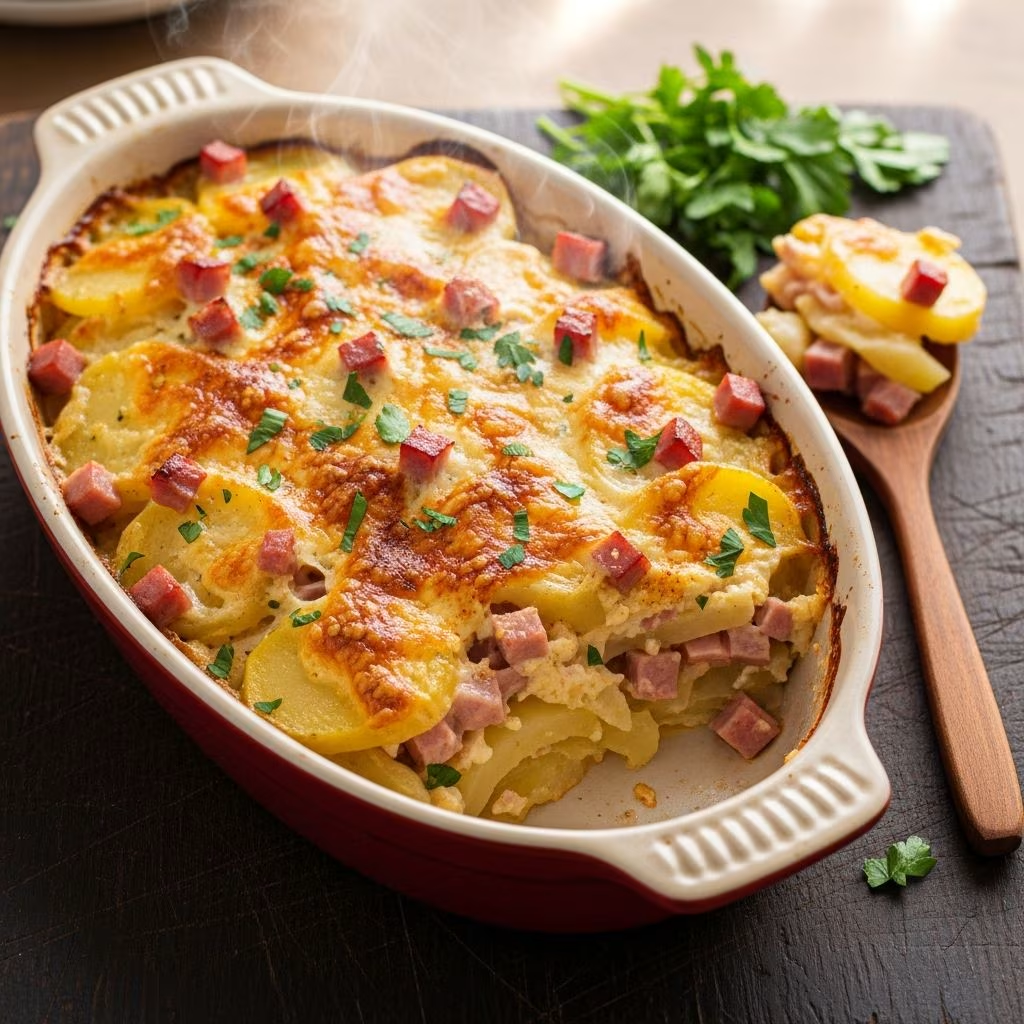
A well-executed baked ham and potato casserole represents the pinnacle of comfort food cooking. This one-dish meal combines tender potatoes, savory ham, and a rich cheese sauce that melds together in the oven to create a dish that satisfies both the appetite and the soul. Whether you’re looking to repurpose leftover ham from a holiday meal or simply craving an easy weeknight dinner, this casserole delivers consistent results that please virtually every palate.
Understanding the Foundation of a Classic Casserole
The structure of a successful ham and potato casserole depends on understanding the interplay between its core components. The dish rests on three fundamental pillars: the starchy base of potatoes, the protein element provided by ham, and the binding agent that brings everything together. Each element plays a crucial role in determining the final texture, flavor, and appeal of the finished dish.
Potatoes form the backbone of this preparation. The choice of potato variety significantly influences the outcome. Yukon Gold potatoes are particularly favored because they contain a balanced ratio of starch to moisture, resulting in pieces that remain intact during cooking while still absorbing the surrounding sauce. Their naturally buttery flavor also complements the other ingredients without requiring additional enhancement.
Ham selection matters equally. Both leftover ham from family gatherings and store-purchased ham steaks work beautifully. The key is ensuring the ham is properly diced into bite-sized pieces that distribute evenly throughout the dish, creating consistent flavor in every spoonful. The smoky-sweet characteristics of quality ham provide depth that elevates the entire casserole beyond simple potato fare.
Building the Creamy Cheese Sauce
The sauce transforms individual ingredients into a cohesive dish. A proper cheese sauce begins with a roux—a combination of butter and flour cooked together to create a thickening agent. This foundational step requires attention to temperature and timing. Medium heat allows the butter to melt evenly while the flour becomes incorporated without burning.
The ratio of fat to flour determines sauce consistency. Generally, equal parts butter and flour by volume create a balanced roux that thickens without becoming gluey. After the roux achieves a light golden color and loses its raw flour taste, liquid introduction begins. Whole milk or a combination of milk and cream gradually whisks into the roux while maintaining constant stirring. This prevents lumps from forming and ensures smooth, silky texture development.
Cheese selection influences both flavor profile and melting characteristics. Sharp cheddar provides assertive flavor that stands up to the potatoes and ham without becoming overpowering. White cheddar offers a slightly milder taste while maintaining excellent melting properties. Alternative options including smoked gouda, gruyere, or a blend of cheeses can introduce additional complexity for those seeking varied flavor experiences.
Seasoning the sauce appropriately ensures the finished dish achieves proper flavor balance. Beyond basic salt and pepper, nutmeg adds subtle warmth without announcing itself as a distinct flavor. Minced garlic deepens the savory notes, while a small amount of Dijon mustard can add complexity that enhances rather than dominates.
Preparation Steps and Timing
Success in casserole preparation depends on methodical execution of each step. Beginning with oven preheating to 350°F ensures proper baking temperature when ingredients are ready for the oven. Meanwhile, potatoes should be cut into consistent, bite-sized pieces—typically half-inch cubes—to ensure even cooking throughout.
Parboiling potatoes before combining them with the sauce yields superior results compared to raw potato incorporation. This preliminary cooking step partially softens the potatoes while preventing them from absorbing excessive moisture from the sauce during baking. Approximately ten to twelve minutes of simmering in salted water brings potatoes to a halfway-cooked state ideal for casserole preparation.
While potatoes cook, prepare the ham and assemble other components. Some cooks prefer lightly browning diced ham in a skillet before adding it to the casserole, which develops deeper flavor through the Maillard reaction. This optional step adds richness but requires no additional oil if ham contains sufficient fat.
The sauce preparation typically requires five to seven minutes from roux formation through cheese incorporation. Once all components reach their prepared state, combining them follows a logical sequence: potatoes and ham layer in the greased baking dish, cheese sauce pours over the mixture, gentle combining ensures even distribution, and cheese garnish tops the surface.
Vegetable Variations and Enhancements
While ham and potatoes form the core of this dish, numerous vegetables complement these primary ingredients effectively. Corn provides sweetness and textural contrast. Drained canned whole-kernel corn or frozen corn thawed before use both contribute successfully. Bell peppers in various colors add brightness and subtle sweetness, with red peppers offering the most pronounced flavor.
Onions bring depth through their natural sugars when sautéed before casserole assembly. Green onions or scallions scattered atop the finished dish provide fresh, mild allium notes that balance the richness of the cheese sauce. Celery adds subtle vegetal quality that enhances rather than defines the overall flavor profile.
For those seeking southwestern influences, jalapeños, roasted chiles, and oregano transform the basic formula into a regionally-inspired variation. These additions require no fundamental changes to preparation technique—simply incorporate them into the sauce or sprinkle throughout the mixture before baking.
Baking Instructions and Completion
Once the casserole is assembled, baking time depends on depth of the baking dish and starting temperature of ingredients. A covered casserole in a preheated 350°F oven typically requires fifteen to twenty minutes for ingredients to heat through thoroughly. The cover traps steam, which helps potatoes finish cooking while preventing the top from browning too quickly.
Removing the cover for the final ten to fifteen minutes allows the exposed cheese to develop a golden-brown crust. The casserole reaches perfect doneness when the mixture bubbles around the edges and the cheese layer achieves light browning. A baking dish filled with ingredients at room temperature may require the full thirty-minute baking duration, while components that start warm may finish more quickly.
A visual test confirms doneness more reliably than timing alone. The casserole should bubble visibly around the perimeter, indicating that the sauce reaches the proper temperature throughout. The cheese top should appear golden and slightly crispy rather than pale or overly darkened.
Ingredient Options and Substitutions
| Component | Primary Option | Alternative Choices |
|---|---|---|
| Potatoes | Yukon Gold | Red potatoes, russet potatoes, fingerling potatoes |
| Cheese | Sharp cheddar | Smoked gouda, gruyere, pepper jack, cheese blend |
| Protein | Ham | Cooked bacon, sausage, leftover turkey |
| Cream Base | Whole milk | Half-and-half, Greek yogurt blend, evaporated milk |
Serving and Storage Recommendations
A properly prepared ham and potato casserole serves as a complete meal requiring minimal additional accompaniments. Fresh green salad provides textural contrast and nutritional balance. Crusty bread allows diners to capture any remaining sauce from their plates. Beverages ranging from simple water to light wines complement the dish without overwhelming delicate flavors.
Leftovers store successfully in the refrigerator for up to four days when transferred to airtight containers while still warm. Reheating can occur directly in a 325°F oven until warmed through, typically requiring fifteen to twenty minutes depending on portion size. Alternatively, individual portions microwave effectively, though the oven method better preserves the texture of cheese and potatoes.
Freezing offers long-term storage possibilities. Casseroles freeze successfully for up to three months when properly wrapped to prevent freezer burn. Thawing overnight in the refrigerator before reheating ensures even warming and maintains quality. Some cooks prefer freezing unbaked casseroles, which can transfer directly from freezer to oven, adding approximately fifteen additional minutes to the baking duration.
Frequently Asked Questions
Can I prepare this casserole ahead of time?
Yes, assembling the casserole several hours before baking or even the night before works effectively. Cover the unbaked casserole and refrigerate until ready to bake. Cold casseroles require slightly extended baking time—typically five to ten additional minutes—to ensure the center reaches proper temperature.
What causes a grainy cheese sauce texture?
Grainy texture usually results from overcooking the cheese or introducing excessively high heat after cheese addition. Cheese should melt into the sauce through residual heat rather than active cooking. If using dairy products like Greek yogurt, ensure they enter the sauce off-heat to prevent curdling.
How do I prevent potatoes from becoming mushy?
Cutting potatoes into uniform pieces and parboiling to only partial doneness prevents mushiness. Additionally, gently combining ingredients rather than aggressive stirring reduces potato breakdown. Using waxy potato varieties like Yukon Gold or red potatoes provides better structural integrity than starchy russets.
Can this dish accommodate dietary restrictions?
Several modifications support various dietary needs. Gluten-free flour replaces all-purpose flour for celiac-friendly versions. Dairy-free alternatives to milk and cheese enable plant-based adaptations, though texture and flavor differ from traditional preparations. Low-sodium ham and reduced-salt ingredients suit heart-healthy requirements.
What vegetables work best in ham casserole?
Vegetables that won’t become mushy during baking work optimally—corn, diced bell peppers, and frozen peas are reliable choices. Vegetables releasing excessive moisture during cooking, like zucchini or tomatoes, should be used sparingly or drained thoroughly to prevent a watery casserole.
Tips for Achieving Perfect Results
- Maintain medium heat when creating the roux to prevent burning
- Whisk constantly when adding milk to avoid lumps
- Season the sauce carefully before baking, as flavors concentrate during cooking
- Use a baking dish with adequate depth to prevent overflow
- Allow the casserole to rest three to five minutes after removing from the oven
- Grate cheese freshly rather than using pre-shredded varieties for better melting
- Ensure all components reach similar temperatures before combining for even cooking
- Test doneness visually rather than relying solely on timing
Conclusion
A ham and potato casserole exemplifies practical, satisfying home cooking that transforms simple ingredients into memorable meals. By understanding the role of each component and following proper technique, cooks of all skill levels can reliably produce outstanding results. Whether preparing this dish for family gatherings, weeknight dinners, or to repurpose holiday ham, the fundamental method remains accessible and forgiving. The investment of minimal effort yields maximum satisfaction, making this casserole an enduring favorite deserving space in any home cook’s repertoire.
References
- Cheesy Ham and Potato Casserole — Plays Well with Butter. 2024. https://playswellwithbutter.com/cheesy-ham-and-potato-casserole/
- Ham & Potato Casserole Recipe — Sally’s Baking Addiction. 2024. https://sallysbakingaddiction.com/ham-potato-casserole/
- Ham and Potato Casserole — Budget Bytes. 2024. https://www.budgetbytes.com/ham-and-potato-casserole/
- Cheesy Ham Casserole — Julie’s Eats & Treats. 2024. https://www.julieseatsandtreats.com/ham-cheese-bowties/
- Ham Casserole — WellPlated.com. 2024. https://www.wellplated.com/ham-cheese-casserole/
- Southwestern-Style Ham Casserole — Garlic & Zest. 2024. https://www.garlicandzest.com/southwestern-style-leftover-ham-casserole/