Brussels sprouts have experienced a remarkable transformation in contemporary cooking, moving from a vegetable many avoided in childhood to a celebrated ingredient in sophisticated kitchens worldwide. The key to this transformation lies in understanding how to properly prepare them—specifically through high-heat cooking methods that draw out natural sweetness and create desirable caramelization. When combined with the exotic, citrusy notes of lemongrass, these humble cruciferous vegetables become something truly special.
Understanding the Foundation: Why Charring Matters
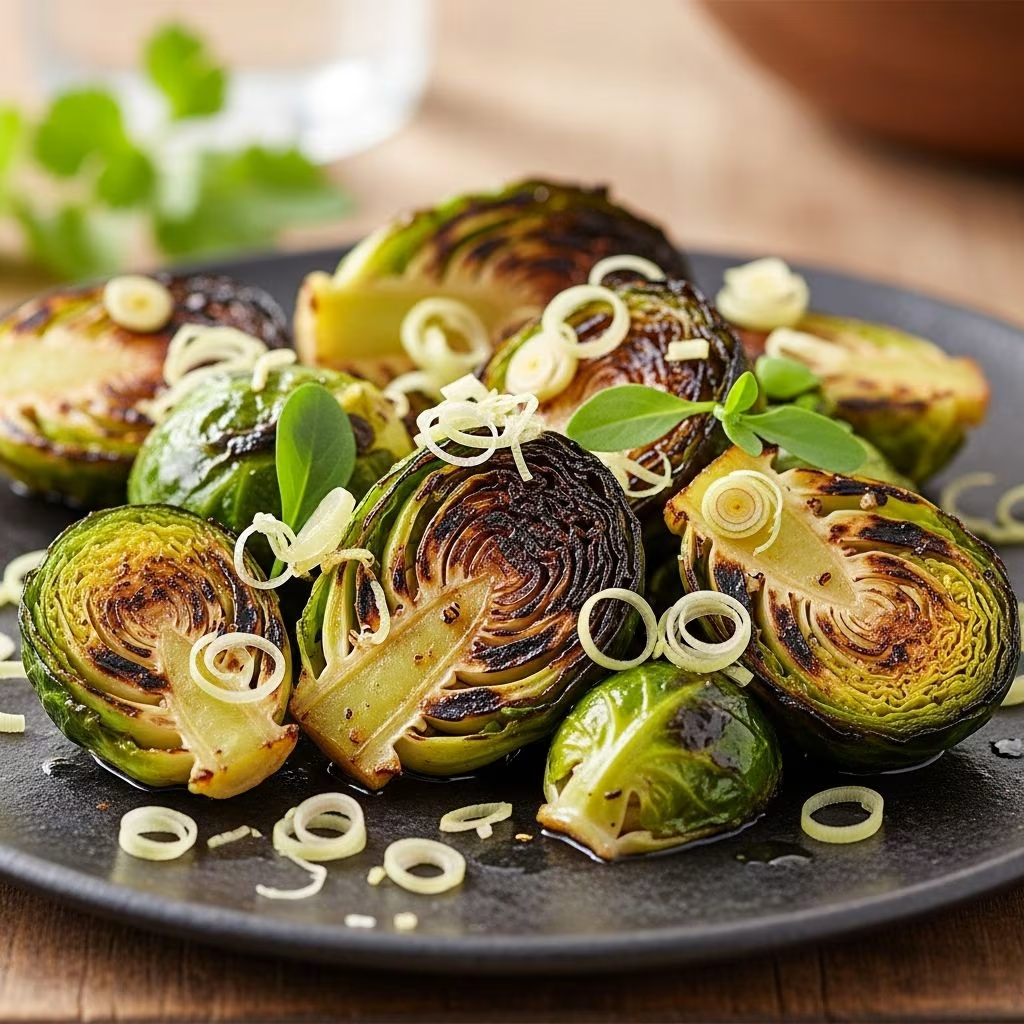
Charring is a cooking technique that involves exposing food to high heat, creating a darkened, flavorful crust on the surface while maintaining a tender interior. This process isn’t simply about aesthetics—it fundamentally transforms the flavor profile of ingredients. When applied to Brussels sprouts, charring develops complex caramelized compounds through the Maillard reaction, a chemical process that occurs when proteins and sugars combine under high heat. This creates deep, rich flavors that contrast beautifully with the bright, aromatic qualities of lemongrass.
The beauty of charred Brussels sprouts lies in this interplay of flavors: smoky and slightly bitter from the charring, sweet from natural sugars that concentrate during cooking, and fresh and citrusy from the lemongrass component. Together, these elements create a multi-dimensional dish that appeals to sophisticated palates while remaining approachable for home cooks.
Lemongrass: The Essential Aromantic Ingredient
Lemongrass is a tropical plant belonging to the grass family, native to Southeast Asia and extensively used in Thai, Vietnamese, and Malaysian cuisines. Unlike lemon itself, which provides sharp acidity, lemongrass offers a more delicate, complex citrus flavor with subtle floral and herbaceous undertones. The white and pale green portions of the stalk contain the most flavor-intensive compounds, while the tougher outer leaves and greener sections are better suited for infusing broths or discarded.
When preparing lemongrass for cooking, proper technique matters significantly. The stalks should be trimmed at both ends, with the dry root end and the tough green tops removed. The outer layers can be peeled away to reveal the tender, aromatic interior. For recipes requiring lemongrass paste or finely minced lemongrass, gentle bruising with the side of a knife helps release essential oils before chopping. Alternatively, lemongrass paste—available in many grocery stores—offers convenience, though fresh lemongrass provides superior flavor complexity.
Selecting and Preparing Your Vegetables
Quality ingredients establish the foundation for any successful dish. When shopping for Brussels sprouts, select firm heads without yellowing leaves or soft spots. Smaller sprouts, approximately 1 to 1.5 inches in diameter, tend to cook more evenly and offer a sweeter flavor compared to their larger counterparts. Avoid sprouts with significant browning or decay, as these indicate age and potential deterioration in flavor.
Preparation begins with rinsing the Brussels sprouts under cool running water and gently patting them dry. Moisture is the enemy of proper charring—water on the vegetable surface prevents the development of a crispy, caramelized exterior. After drying thoroughly, trim the stem end and remove any yellowed or damaged outer leaves. For even cooking, slice each sprout in half lengthwise, ensuring a flat surface that will make direct contact with the cooking vessel. This flat surface is crucial, as it’s this side-down position that develops the beautiful charring.
The Lemongrass Dressing Components
A successful lemongrass dressing balances multiple flavor elements to create complexity and depth. The foundation typically includes oil for fat and mouthfeel, lemongrass for aromatic brightness, and complementary ingredients that amplify or round out the profile. Understanding each component helps home cooks adapt recipes to available ingredients or personal preferences.
| Component | Purpose | Options |
|---|---|---|
| Oil | Medium for cooking and carrying flavors | Sesame oil, grapeseed oil, neutral vegetable oil |
| Lemongrass | Primary aromatic and citrus element | Fresh minced stalk, lemongrass paste |
| Acid | Brightening and balancing sweetness | Lime juice, rice vinegar, fish sauce |
| Sweetener | Complementing savory notes | Honey, brown sugar, palm sugar |
| Aromatics | Enhancing complexity | Garlic, ginger, shallots |
| Heat | Adding subtle spice and depth | Red chili flakes, fresh chilies |
Step-by-Step Cooking Instructions
Preparation Phase
- Preheat your oven to 400°F (approximately 200°C), allowing sufficient time for it to reach full temperature
- Line a rimmed baking sheet with parchment paper or aluminum foil for easy cleanup and even heat distribution
- Prepare all vegetables by washing, drying thoroughly, and cutting Brussels sprouts in half
- Mince or prepare lemongrass and other aromatics according to your recipe specifications
Initial Roasting
- Place prepared Brussels sprouts in a large mixing bowl
- Drizzle with high-heat stable oil (grapeseed, avocado, or refined vegetable oil) and season generously with salt and black pepper
- Toss vigorously until all surfaces are evenly coated with oil and seasoning
- Arrange Brussels sprouts cut-side down on the prepared baking sheet in a single layer
- Roast for 20-25 minutes, allowing the flat surface to develop deep caramelization and charring
Creating the Lemongrass Dressing
While Brussels sprouts roast, prepare your lemongrass dressing by combining all ingredients in a small bowl. For a typical dressing, whisk together sesame oil, soy sauce or fish sauce, lime juice, rice vinegar, honey or brown sugar, minced garlic, ginger, minced lemongrass, and red chili flakes. The proportions can be adjusted based on personal preference—increasing honey creates a sweeter profile, while additional lime juice and fish sauce intensify savory notes. Let the dressing sit for several minutes, allowing flavors to meld and develop.
Final Assembly
- Remove Brussels sprouts from the oven when the cut sides display deep brown or blackened charring
- Transfer sprouts to a large mixing bowl or serving platter
- Pour the prepared lemongrass dressing over the hot Brussels sprouts
- Toss gently but thoroughly, ensuring each piece becomes coated with the aromatic dressing
- Allow to rest for 2-3 minutes, permitting flavors to absorb into the charred surfaces
Flavor Development and Customization
The beauty of this dish lies in its adaptability. Home cooks can adjust flavor intensity by modifying ingredient quantities or introducing complementary additions. Sesame seeds, whether toasted white or nutty black varieties, add textural interest and complement lemongrass’s subtle floral notes. Fresh cilantro, commonly paired with Southeast Asian flavors, introduces additional herbaceous dimensions. Crushed or ground almonds contribute richness and provide textural contrast to tender vegetables.
For those preferring additional heat, fresh sliced chilies or increased quantities of red chili flakes can be incorporated. Conversely, cooks seeking milder preparations can reduce or eliminate heat elements. The versatility extends to the choice of acid—lime juice provides traditional Southeast Asian character, while rice vinegar offers subtler acidity, and fish sauce introduces umami depth versus soy sauce’s more familiar saltiness.
Serving Suggestions and Pairing Ideas
Charred Brussels sprouts with lemongrass dressing function beautifully as a sophisticated side dish, complementing a wide range of proteins and cuisines. The dish pairs particularly well with grilled chicken, where the aromatic qualities of lemongrass echo similarly prepared poultry. Asian-inspired main courses, including stir-fried noodles or rice bowls, benefit from this vegetable’s depth and complexity. The slight bitterness of charred Brussels sprouts balances rich, fatty proteins like duck or pork belly.
For vegetarian or plant-based meals, these Brussels sprouts shine as a substantial component of grain bowls, served alongside roasted tofu, quinoa, and other vegetables. The dressing’s umami elements—particularly from fish sauce or soy sauce—provide savory satisfaction that satisfies without animal proteins. Cold applications present interesting possibilities; leftover charred Brussels sprouts tossed with the lemongrass dressing create an impressive salad component or mezze-style appetizer.
Troubleshooting Common Challenges
Understanding potential pitfalls helps ensure consistent success. Uneven cooking typically results from inconsistent vegetable sizing—prioritize selecting similarly-sized Brussels sprouts or cutting larger specimens into smaller pieces. Insufficient charring suggests oven temperature may be too low or cooking time insufficient; ensure your oven reaches the specified temperature and resist opening the oven door excessively, which disrupts heat circulation.
Soggy rather than crispy Brussels sprouts often indicates inadequate drying before cooking or excessive moisture in the dressing. Prioritize thoroughly patting vegetables dry before cooking, and consider reducing liquid components in the dressing if it’s being applied early rather than immediately before serving. Conversely, if the dish becomes dry, adding a small amount of additional oil or vinegar immediately before serving refreshes the dish.
The lemongrass dressing may appear separated or grainy; this is simply the natural behavior of oil-based dressings. Gentle whisking or shaking in a sealed container re-emulsifies the components. If the flavor seems flat or uninspired, evaluate whether all components are present and whether quantities are adequate—sometimes adding a pinch more salt dramatically improves flavor perception.
Storage and Make-Ahead Strategies
This dish is best enjoyed freshly prepared when the charred exterior remains crispy and contrasts with the tender interior. However, components can be prepared in advance for convenience. Brussels sprouts can be trimmed and halved several hours ahead, kept refrigerated in a sealed container. The lemongrass dressing benefits from advance preparation, as flavors deepen as it sits; prepare dressing several hours or even a day ahead, storing in a sealed container at room temperature.
Already-prepared Brussels sprouts can be refrigerated for up to three days, though they gradually soften and the charred exterior becomes less pronounced. For best results with leftovers, reheat briefly in a 375°F oven for 5-8 minutes before serving. The combination of roasted vegetables and dressing together keeps refrigerated for approximately two days; separation during storage is normal and easily corrected through gentle tossing.
Nutritional Considerations
Brussels sprouts belong to the Brassica family, renowned for their nutritional density and beneficial compounds. These vegetables provide substantial fiber, supporting digestive health and promoting satiety. They contain vitamins C and K, minerals including potassium and manganese, and phytonutrients with potential anti-inflammatory properties. The cooking method—specifically roasting—doesn’t significantly diminish these nutritional benefits, though some heat-sensitive vitamins may reduce slightly.
The lemongrass dressing, particularly when prepared with oil-based components, contributes fat-soluble vitamin absorption while adding calories from oil and sweeteners. Using measured quantities rather than excessive dressing allows enjoyment of flavors while moderating caloric density. For those managing sodium intake, fish sauce and soy sauce can be reduced or replaced with low-sodium alternatives, though this impacts the characteristic flavor profile.
Exploring Technique Variations
While oven-roasting represents the primary technique, alternative cooking methods produce interesting results. Wok cooking, for instance, allows for active interaction with vegetables, developing intense charring through high heat and movement. This method produces slightly different caramelization patterns and requires vigilant attention. Cast iron skillet cooking offers middle-ground advantages—direct heat contact develops beautiful charring while the contained environment manages heat more predictably than wok cooking.
Air fryer preparation has gained popularity for producing crispy results with less oil and reduced cooking time. Starting temperatures should be higher (around 425°F) to achieve proper charring, with shorter cooking periods (15-18 minutes) requiring careful monitoring. Grill cooking introduces smoky complexity but demands careful attention to prevent burning while achieving proper interior tenderness.
References
- Roasted Brussels Sprouts with Spicy Lemongrass Sauce — Season with Spice. 2013. https://blog.seasonwithspice.com/brussels-sprouts-with-asian-dressing.html
- Lemongrass & Garlic Brussels Sprouts — Honeyed Sundays. 2020. https://honeyedsundays.com/lemongrass-garlic-brussels-sprouts/
- Crispy Brussels Sprouts: Lemongrass, Honey, Mint — Love & Garnish. 2014. https://loveandgarnish.com/crispy-brussels-sprouts-lemongrass-honey-mint/
- Slow-Cooked Brussels Sprouts with Lemongrass — The Bittman Project. https://bittmanproject.com/recipe/slow-cooked-brussels-sprouts-with-lemongrass/