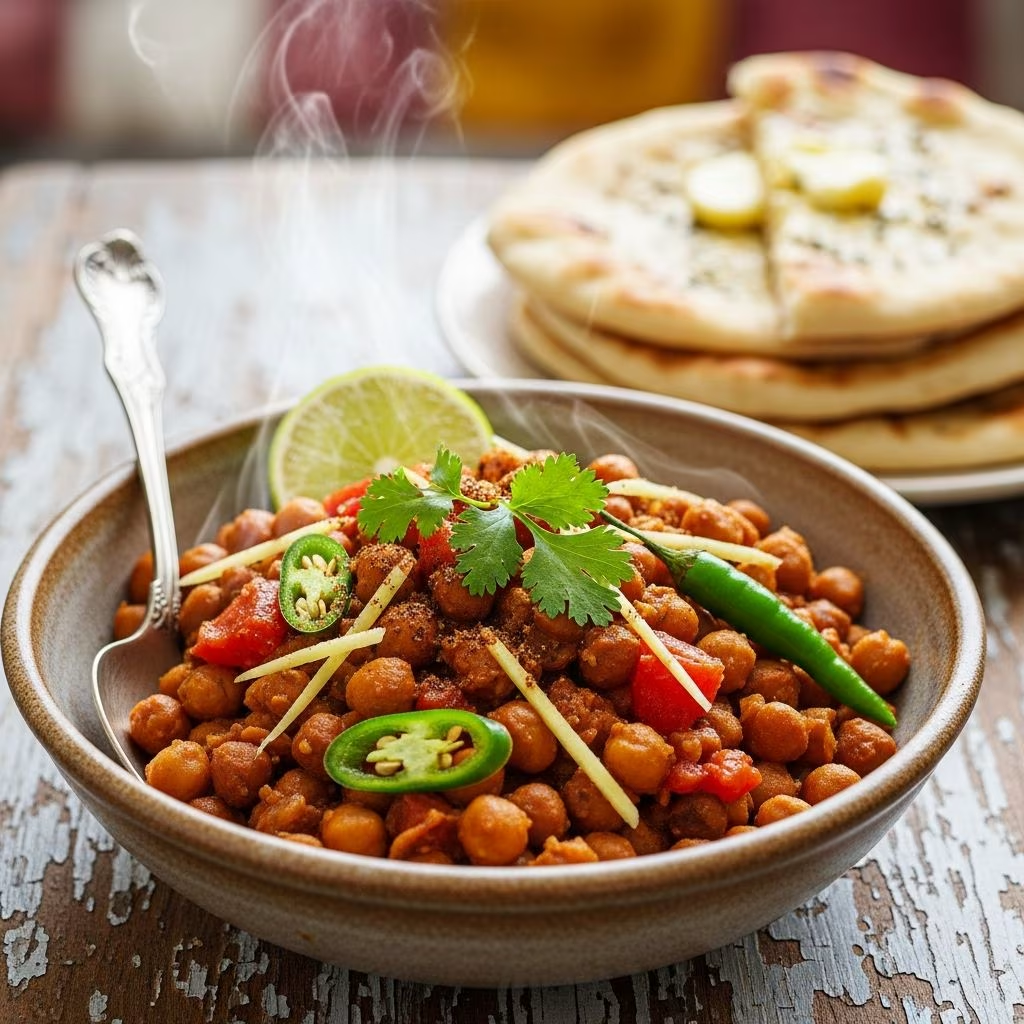
Chana masala represents one of the most iconic dishes in Indian cuisine, particularly throughout North India and Pakistan. This beloved one-pot meal combines protein-rich chickpeas with aromatic spices, creating a dish that satisfies both the palate and the body. The term “chana” refers to chickpeas in Hindi, while “masala” encompasses the blend of spices that define the dish. Whether you’re a seasoned home cook or exploring Indian cuisine for the first time, understanding how to prepare this versatile curry opens doors to countless enjoyable meals.
Understanding the Foundation of Chana Masala
At its heart, chana masala is a straightforward dish that relies on quality ingredients and proper technique rather than complex preparation methods. The foundation rests on three primary components: chickpeas, aromatics, and spices. Chickpeas provide the substantial base that makes this dish satisfying and protein-packed, while aromatics such as onions, garlic, and ginger create depth and flavor complexity. The spice blend, often called a masala, delivers the warm, layered taste that characterizes authentic Indian cooking.
The beauty of chana masala lies in its accessibility. Unlike dishes requiring specialized equipment or rare ingredients, this curry comes together using pantry staples available in most grocery stores. The entire cooking process typically takes between 30 to 35 minutes when using pre-cooked or canned chickpeas, making it an excellent option for weeknight dinners or meal preparation.
Essential Ingredients for Authentic Preparation
Creating authentic chana masala begins with understanding each ingredient’s role in the final dish. While recipes may vary slightly based on regional preferences and family traditions, certain components remain consistent.
The Aromatics
- Onions: Yellow or white onions form the aromatic base. They should be cooked until soft and deeply browned, typically requiring 8 minutes of consistent stirring over medium heat. This caramelization develops natural sweetness and creates a flavorful foundation.
- Garlic: Fresh garlic cloves, minced or formed into a paste, contribute pungent, complex flavors. Most recipes call for 6 cloves or approximately 3 tablespoons of minced garlic.
- Ginger: Fresh ginger root, finely minced or made into paste, adds a warm, slightly spicy note. About 2 tablespoons of minced fresh ginger provides the ideal balance.
The Spice Blend
- Cumin: Available as whole seeds or ground powder, cumin delivers an earthy, warm foundation. Both forms are often used together for maximum flavor impact.
- Coriander: Ground coriander contributes subtle citrus notes and aromatic complexity. Approximately ½ to 1 teaspoon creates the right balance.
- Turmeric: This golden spice adds color, mild earthiness, and well-documented anti-inflammatory properties. A quarter teaspoon is typically sufficient to avoid overpowering other flavors.
- Garam Masala: This pre-blended spice mixture represents the soul of Indian cooking. It typically combines cardamom, cinnamon, cloves, and other warming spices. Using 1 to 1½ teaspoons provides rich depth.
- Cardamom: Ground cardamom seeds add floral, slightly sweet undertones. Even a quarter teaspoon contributes noticeable aromatic complexity.
- Chili: Whether using fresh green chilies, chili powder, or cayenne pepper, heat levels should match personal preference. Some versions incorporate Thai red chili paste for additional depth.
Core Components
- Chickpeas: Use either canned and drained varieties or dried chickpeas soaked overnight and cooked until tender. Each 12-ounce can typically provides sufficient chickpeas for 2 to 4 servings.
- Tomatoes: Canned whole peeled or crushed tomatoes create the tangy sauce base. Some recipes prefer puréed tomatoes for smoother consistency.
- Oil: Extra-virgin olive oil, ghee, coconut oil, or neutral vegetable oils all work effectively. The choice influences subtle flavor profiles.
- Fresh herbs: Cilantro adds brightness and fresh flavor, while lime or lemon juice provides acidic balance that brightens the entire dish.
Step-by-Step Cooking Method
Mastering chana masala requires understanding each cooking stage and why it matters. Following this sequence ensures optimal flavor development.
Stage One: Building the Aromatic Base
Begin by heating 2 to 3 tablespoons of oil in a large skillet or pot over medium heat. Once the oil shimmers, add your chopped onion along with whole cumin seeds and a pinch of salt. The salt helps draw moisture from the onions, promoting even browning. Stir frequently for approximately 8 minutes until the onions transform from translucent to golden brown. This step develops natural sweetness and creates a robust foundation for subsequent flavors.
Stage Two: Tempering the Spices
Reduce heat to medium-low and add all ground spices including garam masala, coriander, turmeric, cardamom, and chili powder. Stir continuously for just 30 seconds until the spices become fragrant. This brief cooking period, called “tempering,” awakens the spices’ essential oils and distributes them throughout the oil, ensuring even flavor distribution. Avoid cooking longer, as spices can burn and become bitter.
Immediately following the tempering, add your ginger-garlic paste or minced versions along with a quarter cup of water. This liquid prevents the spices from burning while helping distribute them evenly. Stir this mixture for another minute or two until well combined and fragrant.
Stage Three: Adding the Liquid Components
Pour in your canned tomatoes and their juices, stirring well to combine with the spice mixture. At this point, add your drained chickpeas and the remaining quarter cup of water, stirring thoroughly to coat everything in the spiced tomato sauce. If your mixture appears too thick, gradually add water in small increments until reaching a semi-thick soup consistency. The curry will continue to thicken as it simmers.
Stage Four: Simmering and Finishing
Maintain a gentle simmer for 20 to 25 minutes, stirring occasionally to prevent sticking. During this time, flavors meld, and the chickpeas absorb the aromatic sauce. The curry should gradually thicken into a stew-like consistency. Once complete, remove from heat and stir in fresh lemon or lime juice along with chopped cilantro. Taste and adjust seasoning with additional salt if needed.
Ingredient Selection and Sourcing
Quality ingredients significantly impact the final dish. Garam masala, often the most unfamiliar ingredient to Western cooks, can be found in the spice section of most grocery stores or ordered online. Purchasing whole spices and grinding them yourself produces superior results, though pre-ground varieties work adequately for convenient cooking.
When selecting tomatoes, opt for canned varieties without added sugar or excessive sodium. San Marzano tomatoes, traditionally grown near Naples, Italy, are prized for their lower acidity and superior flavor, though any quality canned tomato works well. Fresh ginger and garlic should be firm and fragrant, indicating freshness. If fresh versions are unavailable, quality jarred versions suffice for quick preparation.
Customization and Variation Techniques
While the basic chana masala recipe remains consistent, numerous variations accommodate different preferences and dietary restrictions.
Regional and Creative Adaptations
- Coconut milk addition: Incorporating ½ cup of coconut milk creates a creamier texture and adds tropical undertones. Add this during the simmering stage for best results.
- Leafy green integration: Adding 2 cups of fresh spinach during the final minutes of cooking increases nutritional value while adding mild earthiness. Simply stir in the spinach and allow it to wilt.
- Enhanced spice profiles: Include a tablespoon of mustard seeds tempered in oil before adding onions for additional complexity, or add a tablespoon of Thai red chili paste for deeper heat and richness.
- Protein variations: While chickpeas remain traditional, black chickpeas offer slightly different texture and earthiness. Some cooks substitute with kidney beans or black beans for variation.
Serving Suggestions and Pairings
Chana masala works beautifully with various grain and bread options, each offering unique textural and flavor combinations.
| Serving Option | Description | Best For |
|---|---|---|
| Basmati Rice | Fragrant, long-grain rice that absorbs sauce beautifully | Everyday meals, meal prep |
| Naan Bread | Soft, pillowy Indian bread perfect for scooping curry | Special occasions, restaurant-style dining |
| Couscous | Tiny pasta that provides interesting textural contrast | Quick dinners, Mediterranean fusion |
| Roasted Sweet Potatoes | Naturally sweet vegetables that complement spices | Hearty, wholesome meals |
| Cauliflower Rice | Lower-carbohydrate alternative for grain-conscious dining | Health-focused preparations |
For presentation, sprinkle fresh cilantro over the top and serve with lime wedges for additional brightness. A dollop of yogurt or coconut yogurt adds cooling contrast to the warm spices, while fresh green chilies provide additional heat for those who prefer bolder flavors.
Frequently Asked Questions
Can I use dried chickpeas instead of canned?
Absolutely. Soak dried chickpeas overnight, then boil until tender before incorporating into your masala. This traditional method requires additional planning but produces superior texture and flavor.
How long does homemade chana masala keep?
Properly stored in airtight containers in the refrigerator, chana masala remains fresh for 4 to 5 days. The flavors often improve as ingredients continue melding. Freeze for up to 3 months in freezer-safe containers.
Can I make this dish vegan?
Yes, chana masala is naturally vegan when prepared with olive oil or vegetable oil rather than ghee. Serve with rice or plant-based yogurt for additional protein and complementary flavors.
What if my curry is too thick or too thin?
Add water gradually to thin the sauce, stirring between additions. For thicker consistency, simmer uncovered for longer periods, allowing excess moisture to evaporate.
Is garam masala essential?
While garam masala provides characteristic warmth and depth, you can create an acceptable version by increasing amounts of other warm spices like cumin, coriander, and cardamom if necessary.
Nutritional Benefits and Health Considerations
Chana masala offers substantial nutritional advantages, making it a smart choice for health-conscious cooks. Chickpeas provide complete protein containing all essential amino acids, making this dish particularly valuable for vegetarian and vegan diets. The legumes also deliver significant fiber for digestive health and satiety.
The spices incorporated throughout chana masala contribute more than flavor. Turmeric contains curcumin, studied for its potential anti-inflammatory properties. Ginger has long been valued in traditional medicine for digestive support. Garlic and onions provide compounds associated with cardiovascular health. When combined, these ingredients create not just a delicious meal but one with potential wellness benefits.
Storage, Freezing, and Make-Ahead Tips
Chana masala represents an ideal make-ahead dish that actually improves over time as flavors develop and meld. Prepare a full batch and portion into individual containers for grab-and-go lunches throughout the week. The curry reheats beautifully on the stovetop with a splash of water to restore sauce consistency.
For freezing, allow the curry to cool completely before transferring to freezer-safe containers, leaving slight headroom for expansion. Freeze for up to three months. When ready to use, thaw overnight in the refrigerator and reheat gently over medium heat, stirring frequently and adding water as needed to achieve desired consistency.
Conclusion: Embracing This Versatile Culinary Classic
Mastering chana masala opens possibilities for satisfying, flavorful meals that honor Indian culinary traditions while fitting seamlessly into modern cooking schedules. With readily available ingredients, straightforward techniques, and endless customization options, this chickpea curry becomes a staple in any cook’s repertoire. Whether served over rice, with naan bread, or alongside roasted vegetables, chana masala delivers comfort, nutrition, and authentic taste that brings joy to any table.
References
- Minimalist Baker Easy Chana Masala — Minimalist Baker. 2024. https://minimalistbaker.com/easy-chana-masala/
- Love and Lemons Chana Masala Recipe — Love and Lemons. 2024. https://www.loveandlemons.com/chana-masala/
- Authentic Chana Masala Recipe (Chickpea Masala) — Indian Healthy Recipes. 2024. https://www.indianhealthyrecipes.com/chana-masala/
- Tea for Turmeric Authentic Chana Masala (Indian Chickpea Curry) — Tea for Turmeric. 2024. https://www.teaforturmeric.com/chana-masala/