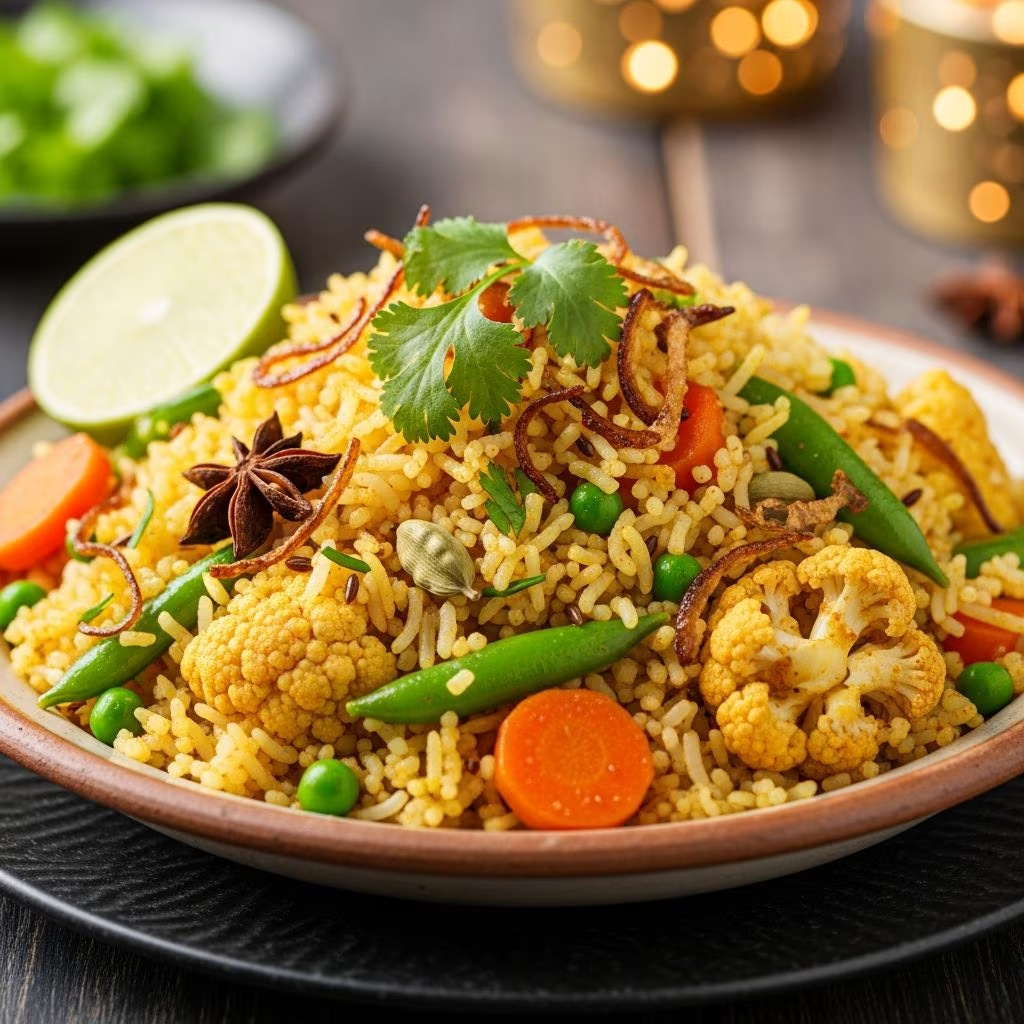
Biryani stands as one of India’s most celebrated rice dishes, celebrated for its complex layering of aromatic spices, tender proteins, and perfectly cooked grains. However, modern dietary preferences have sparked a creative culinary transformation. By substituting traditional basmati rice with cauliflower rice, home cooks can now enjoy this beloved classic while adhering to low-carbohydrate or ketogenic dietary patterns. This innovative approach maintains the authentic flavors and textures that make biryani so memorable, while significantly reducing caloric and carbohydrate content.
The substitution of cauliflower for rice represents more than a simple ingredient swap—it reflects a broader shift in how contemporary cooks adapt heritage recipes to meet modern nutritional requirements. When prepared correctly, cauliflower rice biryani delivers the same satisfaction and depth of flavor as its traditional counterpart, making it an excellent option for individuals managing blood sugar levels, pursuing weight management goals, or simply seeking plant-based protein sources.
Understanding Cauliflower Rice: Selection and Preparation
The foundation of exceptional cauliflower rice biryani begins with selecting quality cauliflower and preparing it properly. Fresh cauliflower offers superior texture and flavor compared to pre-packaged varieties, though frozen cauliflower rice provides convenience without sacrificing nutritional value. When working with a whole cauliflower head, the preparation process demands attention to detail.
Preparing Fresh Cauliflower
Begin by trimming the cauliflower head and separating it into manageable florets of uniform size. This consistency ensures even processing and prevents some pieces from becoming powder while others remain chunky. Transfer the florets to a food processor, working in batches to maintain control over the texture. Process only one-third of the total cauliflower at a time, using the pulse function rather than continuous blending. Execute five-second pulses, pausing between each pulse to assess the texture. The goal is to break the cauliflower into rice-like granules—approximately the size of traditional rice grains. Over-processing results in a mushy consistency that lacks the desired texture and mouthfeel.
Once processed, you should have approximately four cups of riced cauliflower from one medium-sized head. This volume typically serves four to six people as a main course component. Transfer the processed cauliflower to a clean towel or cheesecloth to remove excess moisture. This crucial step prevents the final dish from becoming soggy or waterlogged, ensuring proper texture development during cooking.
Frozen Cauliflower Rice Option
Frozen cauliflower rice eliminates the processing step entirely, making it an attractive option for time-conscious cooks. Many quality brands now offer frozen riced cauliflower that maintains excellent texture and flavor. When using frozen varieties, allow the cauliflower rice to thaw completely and drain any accumulated liquid before incorporating it into your biryani. This prevents excess moisture from compromising the dish’s structural integrity.
Core Ingredients and Their Functions
Authentic biryani requires a carefully balanced combination of spices, vegetables, and aromatics. Each ingredient contributes specific flavor profiles and textural elements that create the dish’s characteristic complexity.
Essential Spice Blends
Biryani masala forms the aromatic backbone of this dish, providing a pre-composed blend of warming spices including cinnamon, cardamom, cloves, and bay leaves. Garam masala adds additional depth with its peppery, warming undertones. Black cumin (shahi jeera) contributes an earthy, slightly nutty flavor distinct from regular cumin seeds. Cayenne pepper introduces heat, with the intensity adjusted based on personal preference and the existing spice level of your masala blends.
These spices serve multiple functions—they season the vegetables during marinating, infuse the cooking oil with aromatic compounds, and bloom in the final layering stage to intensify flavor distribution throughout the dish.
Vegetable Components
Bell peppers, particularly green varieties, contribute mild sweetness and satisfying texture. Zucchini adds volume while maintaining the low-carbohydrate profile essential to this recipe’s health benefits. Additional vegetables might include carrots cut into thin batons, fresh green beans trimmed to uniform lengths, and green peas for color and sweetness. The selection of vegetables depends on seasonal availability and personal preferences, though maintaining a balance between sturdy vegetables and tender varieties ensures varied textural interest in each bite.
Aromatics and Garnishes
Caramelized onions provide sweet depth and visual appeal through their golden-brown coloring. Raw cashews contribute creamy texture and richness when scattered throughout layers or fried briefly to enhance their nutty flavor. Fresh mint and cilantro introduce brightness and herbaceous notes that balance the warming spices. Saffron, when soaked in warm milk, creates a luxurious golden hue and delicate floral notes that elevate the final presentation.
The Complete Cooking Process
Vegetable Marination
Before cooking, vegetables should be marinated in a mixture combining biryani masala, garam masala, shahi jeera, and cayenne pepper. This marination step, lasting anywhere from thirty minutes to several hours, allows the spices to penetrate the vegetable tissues, intensifying flavor development. The extended marination period is optional but recommended for maximum flavor absorption, though even thirty minutes of contact time produces excellent results.
Creating the Aromatics Base
Heat vegetable oil or ghee in a large heavy-bottomed pot over medium heat. Add the marinated vegetables and cook until they achieve a tender yet firm consistency—approximately five to seven minutes. The vegetables should not become completely soft at this stage, as they will continue cooking during the biryani’s final assembly. Stir occasionally during this phase to ensure even cooking and prevent sticking. The sauce should darken slightly and develop a shimmer, indicating proper caramelization.
Layering Technique
The distinctive layering approach in biryani cooking creates pockets of concentrated flavor throughout the dish. After the initial vegetable cooking phase, spread half of the riced cauliflower over the cooked vegetables. Add half of any reserved caramelized onions, followed by half of the saffron-soaked milk. Repeat with the remaining cauliflower rice, onions, and saffron milk. This layering ensures that every portion contains balanced spice distribution and the desired textural variety.
The Dum Cooking Method
“Dum” refers to the traditional cooking technique where ingredients steam in a sealed vessel, creating an enclosed environment that traps moisture and intense heat. After layering, cover the pot with a tight-fitting lid—traditionally sealed with dough, though a simple tight lid achieves similar results. Cook over medium-high heat for five minutes, allowing the cauliflower rice to begin absorbing aromatic oils. Reduce the heat to the lowest setting and continue cooking for approximately fifteen minutes. This gentle, prolonged cooking method allows flavors to meld completely while preventing the cauliflower from overcooking or drying out.
Nutritional Profile and Dietary Considerations
Cauliflower rice biryani offers significant nutritional advantages compared to traditional rice-based versions. A typical serving contains approximately seven net carbohydrates and one hundred twenty-four calories, making it an excellent option for individuals following ketogenic or strict low-carbohydrate protocols. The replacement of refined carbohydrates with cruciferous vegetable matter increases fiber content while dramatically reducing blood sugar impact.
When animal protein sources such as chicken or tofu are incorporated, the protein content increases substantially, promoting satiety and supporting muscle maintenance. The use of ghee or oil provides fat-soluble vitamins and supports nutrient absorption from the spices and vegetables.
Protein Integration Options
Marinated Chicken Preparation
For non-vegetarian versions, boneless chicken pieces should be marinated in a mixture of yogurt, ginger, garlic, Kashmiri red chili powder, turmeric, fresh mint, cilantro, and lemon juice. This marination, lasting a minimum of twenty minutes or preferably overnight, tenderizes the meat while infusing it with aromatic spices. Cook the marinated chicken in a separate phase, either by air frying for a low-fat option or pan-searing until fully cooked through. Incorporate the cooked chicken during the layering phase, distributing it evenly between vegetable and cauliflower rice layers.
Tofu as Vegan Alternative
Pressed tofu, cut into small cubes and marinated in the spice blend, offers a plant-based protein source. Air frying the tofu cubes until golden creates textural contrast and develops nutty flavor notes. Vegan variations can incorporate additional vegetables or legume-based proteins to ensure adequate amino acid profiles.
Practical Cooking Variations and Shortcuts
Microwave Preparation Method
For accelerated preparation, cauliflower rice can be pre-cooked using microwave technology. Mix riced cauliflower with biryani masala, fresh mint, dill, fried onions, and salt in a microwave-safe bowl. Add two tablespoons of water and microwave for five minutes, allowing the spices to bloom and infuse throughout the rice. This pre-cooking step shortens the final assembly time while maintaining flavor integrity.
Ingredient Substitution Guidelines
- Cumin seeds: Regular cumin seeds can replace shahi jeera if black cumin is unavailable, though the flavor profile will be slightly less complex.
- Ghee alternatives: Coconut oil or neutral vegetable oils substitute effectively for ghee while maintaining cooking performance.
- Saffron: While luxurious, saffron is optional. Turmeric provides similar color and earthiness, though different flavor notes.
- Yogurt marinade: Coconut milk or cashew cream provides vegan substitutes for traditional yogurt.
- Vegetable selections: Any firm vegetables work well—adapt based on seasonal availability and preference.
Storage and Meal Preparation
Cauliflower rice biryani maintains quality when refrigerated in airtight containers for three to four days. The dish actually improves as flavors continue developing during storage. Reheat gently over low heat with a splash of water to restore moisture without overcooking the delicate cauliflower rice. Freezing is possible though texture changes slightly upon thawing—freeze for up to two months in well-sealed containers.
Serving Recommendations and Accompaniments
Serve cauliflower rice biryani hot with cooling condiments that complement the warming spices. Raita—a yogurt-based sauce with cucumber and fresh herbs—provides cooling contrast. Fresh lemon wedges offer brightness and acidity. Pickled vegetables or traditional Indian breads like naan or roti can accompany the biryani, though these additions increase carbohydrate content for those maintaining strict dietary limits.
Frequently Asked Questions
Can I prepare cauliflower rice biryani in advance?
Yes, you can prepare components separately and assemble them shortly before serving. Marinate vegetables overnight, cook the aromatics base hours ahead, and combine just before the final dum cooking stage. This approach accommodates busy schedules while maintaining optimal texture and flavor.
How do I prevent the cauliflower rice from becoming mushy?
Proper moisture management is essential. Drain excess water from processed or thawed cauliflower rice before cooking. Use a tight-fitting lid to trap steam rather than allowing excess moisture to escape. Monitor cooking time carefully, as fifteen to twenty minutes is typically sufficient.
What makes biryani different from pilaf?
Biryani employs layering and dum cooking techniques that create distinct flavor pockets and textural variation, while pilaf typically involves mixing all ingredients in a single cooking vessel. Biryani’s complexity and aromatic intensity set it apart from simpler rice preparations.
Is this recipe suitable for meal prep?
Absolutely. The biryani reheats well and actually develops deeper flavor after a day or two of refrigeration. Portion into individual containers for convenient grab-and-go meals throughout the week.
How can I adjust spice levels?
Reduce cayenne pepper for milder versions, or increase it gradually for more heat. The amount of garam masala and biryani masala can also be adjusted based on tolerance levels. Remember that saffron and warming spices provide complexity beyond simple heat.
Conclusion: Enjoying Authentic Flavors in Modern Contexts
Cauliflower rice biryani represents an innovative adaptation of traditional Indian cuisine that successfully honors heritage recipes while accommodating contemporary dietary preferences. By understanding proper preparation techniques, ingredient functions, and cooking methods, home cooks can create restaurant-quality results that satisfy both traditional biryani enthusiasts and those pursuing health-conscious eating patterns. Whether prepared for special occasions or weekly meal preparation, this versatile dish proves that dietary modifications need not compromise authentic flavors or culinary satisfaction.
References
- Cauliflower Rice Biryani (Keto + Vegan) — Holy Cow Vegan. Accessed April 2026. https://holycowvegan.net/cauliflower-rice-biryani/
- Cauliflower Rice Chicken Biryani — Ministry of Curry. Accessed April 2026. https://ministryofcurry.com/cauliflower-rice-chicken-biryani/
- Cauliflower ‘Rice’ Biryani Recipe — Great British Chefs. Accessed April 2026. https://www.greatbritishchefs.com/recipes/cauliflower-rice-biryani
- Cauliflower Rice Biryani Recipe (Vegan, Gluten-free, Paleo) — Yup It’s Vegan. Accessed April 2026. https://yupitsvegan.com/cauliflower-rice-biryani/
- Cauliflower Rice Chicken Biryani — Skinnytaste. Accessed April 2026. https://www.skinnytaste.com/cauliflower-rice-chicken-biryani/