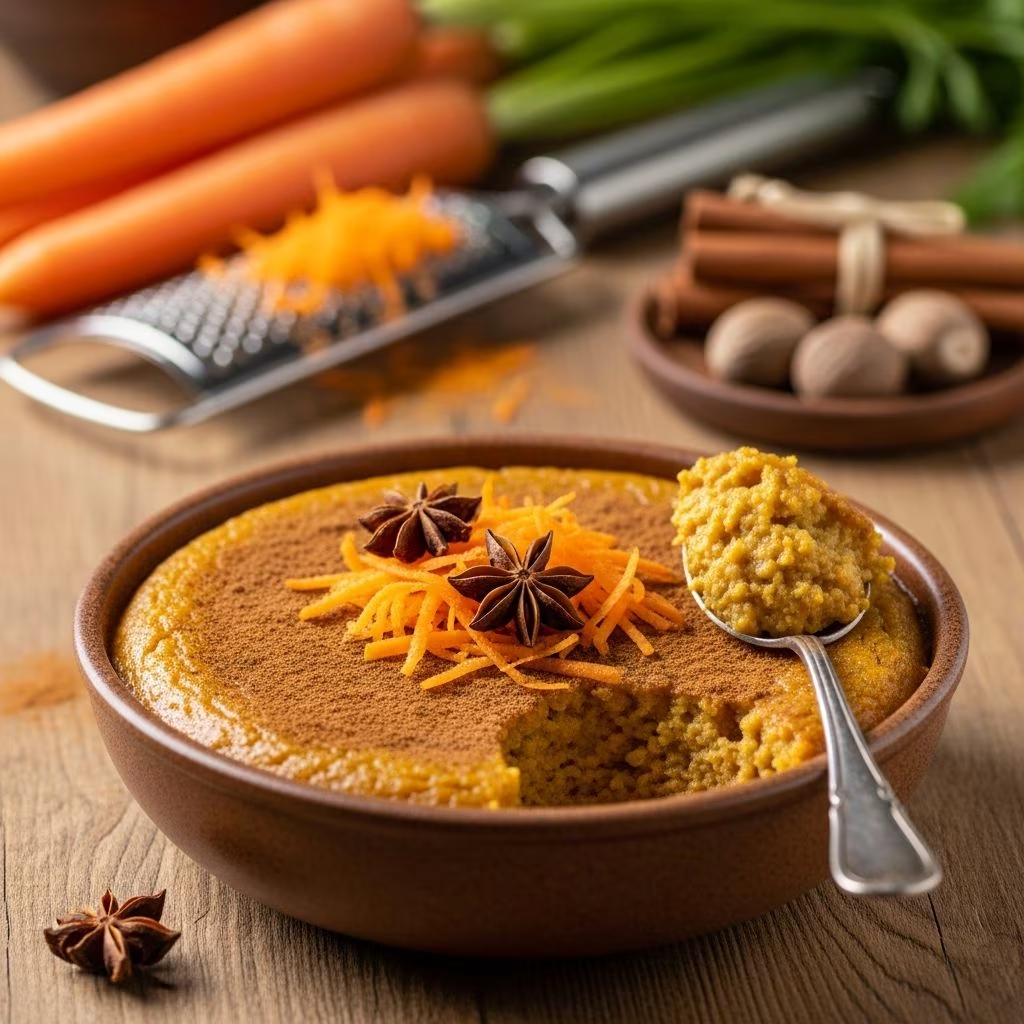
Carrot pudding stands as a cherished dessert that combines the natural sweetness of carrots with warm spices and creamy elements, evoking nostalgia across generations. This versatile treat can be baked into a soft casserole or steamed into a dense, moist cake, making it ideal for holiday feasts or everyday indulgences.
The Enduring Appeal of Carrot Pudding
Rooted in centuries-old culinary traditions, carrot pudding has evolved from simple 17th-century mixtures to elaborate holiday staples. Its appeal lies in the transformation of everyday root vegetables into something indulgent, often enhanced with fruits, nuts, and aromatic spices. Families pass down these recipes, adapting them to modern kitchens while preserving their comforting essence.
Unlike modern puddings reliant on instant mixes, traditional versions emphasize fresh ingredients and patient preparation methods like steaming or slow baking. This process yields a texture that’s part cake, part custard—tender yet substantial enough to slice and serve warm.
Historical Roots of This Timeless Dessert
Carrot pudding traces its origins to 16th and 17th-century Britain, where it emerged as a resourceful way to use abundant root vegetables. Early recipes, such as those in manuscript collections from around 1680, featured breadcrumbs, eggs, milk, and sherry alongside grated carrots for moisture and subtle sweetness. These puddings were baked or boiled, reflecting the era’s limited cooking tools.
By the 18th and 19th centuries, the dish gained popularity in England and Ireland, incorporating spices like nutmeg and influences from plum puddings. In North America, it became a holiday favorite, sometimes called Christmas pudding, with additions like raisins and brandy for festive flair. The 1850s saw printed versions in cookbooks, blending carrots with potatoes for extra body.
This evolution highlights carrots’ role beyond savory dishes; their natural sugars caramelize during cooking, mimicking refined sugar in pre-industrial times.
Key Ingredients That Define Carrot Pudding
The foundation of any carrot pudding is finely grated or pureed carrots, which provide moisture and a vibrant color. Common binders include eggs, flour or breadcrumbs, and fats like butter or shortening. Sweeteners range from sugar to honey, while spices such as cinnamon, nutmeg, and allspice add depth.
| Ingredient Type | Common Examples | Role in Recipe |
|---|---|---|
| Vegetables | Carrots (2 lbs), Potatoes (1 cup grated) | Moisture, sweetness, structure |
| Sweeteners | Sugar (1 cup), Honey | Flavor balance |
| Fats | Melted butter (1/2 cup), Shortening (1/2 cup) | Tenderness, richness |
| Spices/Flavorings | Cinnamon, Nutmeg, Vanilla | Aroma, warmth |
| Add-Ins | Raisins, Nuts, Brandy | Texture, luxury |
Variations adjust these based on tradition: British styles favor steaming with dried fruits, while American baked versions lean toward cake-like simplicity.
Mastering the Baked Carrot Pudding
A straightforward baked version starts with boiling carrots until tender, then pureeing them smooth. This prevents stringy textures and ensures even cooking. Mix in sugar, baking powder, flour, melted butter, vanilla, and eggs last to avoid curdling from residual heat.
- Boil 2 pounds of carrots (about 8 medium) until soft, roughly 20 minutes.
- Puree with an electric mixer for 3 minutes.
- Incorporate dry ingredients, then butter, followed by eggs one at a time.
- Bake in a greased dish at 325°F for 1 hour, until center sets.
- Dust with powdered sugar for a finishing touch.
This method yields a pudding akin to carrot cake but softer, perfect as a side or dessert. If your oven heats unevenly, check at 50 minutes to prevent over-browning.
Steamed Carrot Pudding for Holiday Traditions
Steaming produces a denser, more pudding-like result, ideal for Christmas gatherings. Grate carrots and potatoes raw, mixing with shortening, sugar, raisins, nuts, flour, and spices. Pack into greased jars or molds and steam for 1.5 to 3 hours.
- Cream shortening and sugar.
- Stir in grated vegetables, fruits, and nuts.
- Sift and fold in dry ingredients.
- Steam in a covered pot with water halfway up the jars.
Serve warm with a creamy sauce made from butter, sugar, cream, and vanilla, heated until smooth. This version stores well, improving in flavor over days.
Creative Twists and Flavor Enhancements
Elevate basic recipes with thoughtful additions. Grate fresh ginger or orange zest into baked puddings for brightness. For a spiced profile, use cinnamon, nutmeg, and cloves instead of vanilla. Raisins, pecans, or walnuts add chew and crunch.
Turn it festive by incorporating brandy or orange juice, mimicking British Christmas pudding. For gluten-free options, substitute cornmeal or almond flour. Experiment with maple syrup over sugar for a natural twist, echoing 17th-century sweeteners.
Perfect Pairings and Serving Suggestions
Carrot pudding shines warm, sliced into wedges. Pair baked versions with whipped cream or ice cream. Steamed puddings demand a luscious sauce: simmer butter, brown sugar, cream, and a splash of brandy for 5 minutes.
For holidays, accompany with mulled wine or eggnog. As a breakfast treat, top with yogurt and nuts. Its versatility extends to potlucks—transport in the baking dish, reheat gently.
Troubleshooting Common Issues
Undercooked centers? Extend steaming time or use a water bath for baking. Too dry? Ensure enough pureed carrots and don’t overmix eggs. Soggy texture signals excess liquid—drain boiled carrots thoroughly.
For cracking tops, lower oven temperature slightly. Always grease molds well to prevent sticking, and cool steamed puddings before unmolding.
Nutritional Insights and Dietary Adaptations
Carrots contribute beta-carotene and fiber, balancing the richness. A serving offers vitamins A and C, though sugars and fats add calories (around 400 per portion). Adapt for vegan diets by using plant-based butter, flax eggs, and coconut milk. Reduce sugar with stevia for lower-carb versions.
Storing and Make-Ahead Tips
Baked pudding keeps refrigerated for 4 days; reheat covered at 300°F. Steamed versions improve after 2-3 days wrapped in foil. Freeze slices for up to 3 months, thawing overnight.
Prep batter ahead, refrigerate overnight, then bake fresh. This makes it a stress-free holiday hero.
Frequently Asked Questions
Can I make carrot pudding without an oven?
Yes, steaming on the stovetop works perfectly for traditional results.
What’s the difference between baked and steamed pudding?
Baked is lighter and cake-like; steamed is denser and moister.
Is carrot pudding the same as carrot cake?
Similar flavors, but pudding is softer and often served as a custard hybrid.
How do I know when it’s done?
A knife inserted in the center should come out clean; internal temp reaches 160°F.
Can I add alcohol to the batter?
Absolutely—brandy or rum enhances flavor without overpowering.
Why Carrot Pudding Deserves a Revival
In a world of flashy desserts, carrot pudding offers unpretentious joy. Its history spans continents and eras, proving simple ingredients yield profound satisfaction. Whether baked for weeknights or steamed for celebrations, it connects us to kitchens of the past while delighting modern palates.
References
- Old Fashioned Carrot Pudding Recipe — CopyKat. Accessed 2026. https://copykat.com/best-ever-carrot-pudding/
- Carrot Pudding — Savoring the Past. 2016-03-08. https://savoringthepast.net/2016/03/08/carrot-pudding/
- Grandma’s Carrot Pudding — Easy Peasy Meals. Accessed 2026. https://www.eazypeazymealz.com/grandmas-carrot-pudding/
- Christmas Carrot Pudding Cake — The Delicious Spoon. Accessed 2026. https://thedeliciousspoon.com/grandmas-christmas-carrot-pudding/
- 1855 Carrot Pudding Recipe – Old Cookbook Show — YouTube (Glen And Friends Cooking). Accessed 2026. https://www.youtube.com/watch?v=HHg3RhBX8xg