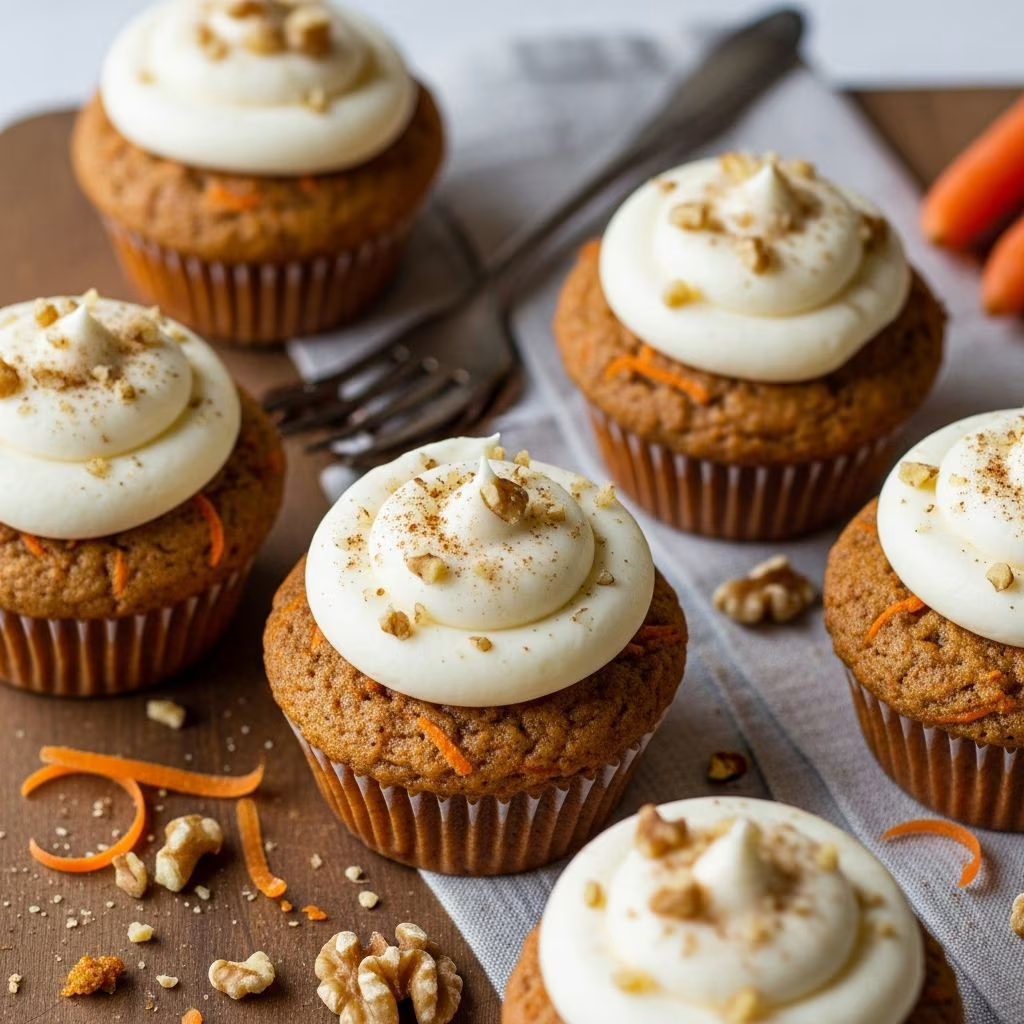
Carrot cake is a beloved classic that brings together warm spices, moist crumb, and subtle sweetness in every bite. While the traditional layer cake requires multiple steps and frosting techniques, carrot cake muffins offer a convenient alternative that captures all the same delightful flavors in individual portions. These muffins are versatile enough for weekday breakfasts, weekend brunch gatherings, or afternoon snacks, and they stay fresh for several days when stored properly.
Understanding the Foundation: Key Ingredients Explained
Creating exceptional carrot cake muffins begins with understanding how each ingredient contributes to the final result. The foundation of any reliable muffin recipe relies on the right balance of dry and wet components, along with flavorful additions that make carrot cake distinctive.
Flour Selection and Texture
All-purpose flour serves as the primary structural component, creating a tender yet sturdy crumb that holds together without becoming dense or tough. Using approximately 1¾ cups of all-purpose flour ensures the muffins achieve the ideal texture—light enough to feel soft on the palate while maintaining sufficient structure to support the moisture from the carrots and liquid ingredients. Measuring flour correctly by spooning it into your measuring cup and leveling it off prevents compacting, which can result in overly dense muffins. For those avoiding gluten, a 1:1 gluten-free baking blend serves as an effective substitute, though the texture may vary slightly.
The Star Ingredient: Fresh Carrots
Fresh, finely grated carrots are non-negotiable for authentic carrot cake muffin flavor. The process begins with selecting firm carrots rather than pre-shredded varieties, which tend to be drier and coarser in texture. Washing, peeling, and grating approximately 2 cups of carrots using the fine holes of a box grater ensures consistent sizing. A critical step that many bakers overlook involves squeezing excess moisture from the grated carrots using paper towels or a clean kitchen cloth. This moisture removal prevents the muffins from becoming soggy while still maintaining their characteristic moistness from the oil and applesauce.
Leavening Agents for Rise and Lightness
The combination of baking powder and baking soda creates the lift and fluffy texture expected in quality muffins. Baking soda reacts with acidic components in the batter, while baking powder provides additional lift during baking. Typical ratios include 1 teaspoon of baking powder and ½ teaspoon of baking soda, combined with dry ingredients to ensure even distribution throughout the batter.
Warm Spices That Define Carrot Cake
The signature warmth of carrot cake comes from a carefully balanced spice blend. Ground cinnamon typically measures 1 to 1½ teaspoons, providing the dominant spice note that most people associate with carrot cake. Ground nutmeg (¼ teaspoon) adds subtle earthiness, while ground ginger (½ teaspoon) introduces a gentle warmth and complexity. Some recipes include cloves for additional depth, though this requires restraint to avoid overpowering other flavors. These spices should be measured fresh rather than used from containers stored for extended periods, as their potency diminishes over time.
Sweeteners and Moisture
Traditional recipes combine both brown sugar and granulated sugar, with approximately ½ cup of each. Brown sugar contributes moisture and a subtle molasses flavor, while granulated sugar provides sweetness and aids in creating a tender crumb. For those seeking healthier alternatives, applesauce can replace some or all of the oil, reducing overall fat content while maintaining moistness through natural fruit sugars and pectin.
Step-by-Step Preparation Process
Initial Setup and Oven Preparation
Success begins before mixing any ingredients. Preheat the oven to 350°F and prepare a standard 12-cup muffin tin by inserting paper liners or lightly coating each cup with non-stick cooking spray. Paper liners offer the convenience of easy removal and help maintain moisture throughout the baking process. If using silicone muffin cups, ensure they sit on a sturdy baking sheet to prevent tipping.
Combining Dry Ingredients
In a medium mixing bowl, whisk together all dry ingredients: all-purpose flour, both types of sugar, cinnamon, nutmeg, ginger, baking powder, baking soda, and salt. Whisking rather than simply stirring ensures that leavening agents and spices distribute evenly throughout the flour, preventing pockets of underdeveloped leavening or concentrated spice flavors. This step typically takes 2-3 minutes and is essential for consistent results across all muffins.
Preparing the Wet Mixture
In a separate large bowl, combine oil, eggs, vanilla extract, and brown sugar, whisking until thoroughly integrated. The oil should distribute evenly, eggs should incorporate fully, and the mixture should appear slightly thick and cohesive. Next, fold in the finely grated and moisture-removed carrots, stirring until the carrots are evenly distributed throughout the wet ingredients. This combination should take on a slightly textured appearance with visible carrot pieces.
Bringing Components Together
This stage requires attention to prevent overdeveloping gluten, which toughens the final product. Pour the wet mixture into the dry ingredients and fold gently using a spatula rather than vigorously mixing with an electric mixer. Continue folding until just combined, stopping while a few white streaks of flour remain visible. Overmixing at this point is the primary cause of dense, tough muffins, so restraint is crucial. If including optional additions like raisins, chopped walnuts, shredded coconut, or chopped pineapple, fold these in at the very end.
Filling and Baking
Using an ice cream scoop or ¼ cup measure, divide the batter evenly among the prepared muffin cups, filling each approximately ¾ full. This ensures that muffins bake uniformly and rise proportionally. Bake for 20-25 minutes, checking doneness starting at the 20-minute mark since oven temperatures vary. The tops should appear golden brown and spring back when lightly pressed with your finger. A toothpick inserted into the center should emerge clean or with just a few moist crumbs—not with wet batter clinging to it.
Cooling Procedures
Allow the muffins to cool in the pan for approximately 10 minutes, during which time the crumb continues to set slightly. After this resting period, carefully loosen the edges with a thin knife and transfer the muffins to a wire rack for complete cooling. This cooling sequence prevents the muffins from becoming soggy from residual steam while maintaining their moisture content.
Optional Frosting and Flavor Enhancements
Cream Cheese Frosting Preparation
For those desiring additional indulgence, a tangy-sweet cream cheese frosting complements the warm spices beautifully. Combine softened butter and cream cheese in a food processor or mixing bowl, blending until smooth and creamy. Gradually add powdered sugar (approximately 1-2 cups, depending on desired thickness), processing until the frosting reaches spreadable consistency. A squeeze of lemon juice enhances the tang and brightens the flavor profile. Apply frosting to completely cooled muffins to prevent melting.
Alternative Additions and Variations
The basic recipe accommodates numerous creative additions. Golden raisins provide chewy sweetness, chopped walnuts or pecans contribute textural contrast and nutty depth, shredded coconut adds tropical notes, and crushed pineapple introduces additional moisture and subtle tartness. Finely chopped dates or dried cranberries offer alternative dried fruit options. Start by adding ½ to ¾ cup of any combination of these ingredients to maintain proper batter consistency.
Sizing Options and Batch Variations
Mini Muffin Adaptations
This recipe readily adapts to mini muffin pans, producing approximately 36 smaller portions ideal for children’s lunchboxes or petite servings. Reduce baking time to 12-15 minutes, checking doneness earlier since smaller muffins bake faster. Mini muffins maintain the same flavor intensity while offering portion control.
Vegetable Integration
Adventurous bakers can replace 1 cup of shredded carrots with 1 cup of finely grated zucchini (with excess moisture thoroughly squeezed out). This variation works particularly well during summer months and provides additional vegetables while maintaining carrot cake’s essential character. The zucchini adds moisture and subtle flavor without substantially changing the muffin’s profile.
Storage and Longevity Guidance
Properly stored carrot cake muffins remain fresh for 3-4 days at room temperature when kept in an airtight container. For extended storage, freeze unfrosted muffins in freezer-safe containers for up to 3 months. Thaw frozen muffins at room temperature for 1-2 hours before serving, or warm briefly in the oven. Frosted muffins are best consumed within 1-2 days of frosting application due to frosting texture changes.
Troubleshooting Common Issues
| Issue | Likely Cause | Solution |
|---|---|---|
| Dense, heavy texture | Overmixing batter or too much flour | Fold gently until just combined; measure flour accurately by spooning and leveling |
| Soggy interior | Excess carrot moisture or underbaking | Squeeze grated carrots thoroughly; bake until toothpick test passes |
| Peaked centers or tunneling | Oven temperature too high or overmixing | Verify oven temperature with thermometer; fold gently to combine |
| Dry muffins | Overbaking or insufficient fat | Reduce baking time slightly; ensure proper oil measurement |
| Flat, minimal rise | Expired leavening agents or room-temperature wet ingredients | Replace baking powder and soda; use room-temperature ingredients |
Frequently Asked Questions
Can I prepare muffin batter in advance?
While batter is best used immediately, it can be refrigerated in an airtight container for up to 24 hours. Before baking, allow the chilled batter to reach room temperature, which may require 15-20 minutes. Extended refrigeration allows leavening agents to lose potency, potentially affecting rise.
What distinguishes these muffins from carrot cake?
Muffins contain identical flavor components and spice profiles as carrot cake but differ in preparation method and serving style. Muffins are baked in individual portions without the layer structure or frosting coverage of traditional cake, though frosting can be applied optionally.
Are there dairy-free or vegan modifications?
Vegetable oil already replaces butter in most recipes, making them naturally dairy-free except for frosting. For vegan versions, replace eggs with flax eggs (1 tablespoon ground flaxseed mixed with 3 tablespoons water per egg) and use dairy-free frosting alternatives or omit frosting entirely.
How does altitude affect baking times?
At higher elevations (above 5,000 feet), moisture evaporates faster and water boils at lower temperatures. Reduce baking soda and powder by 15-25 percent and increase liquid slightly. Baking times may decrease by 5-10 minutes.
Can I substitute applesauce for oil entirely?
Partial substitution (replacing up to 50% of oil) works well and reduces fat content while maintaining moisture. Complete replacement creates overly dense muffins due to insufficient fat for proper crumb structure and tenderness.
References
- Healthy Carrot Cake Muffins with Cream Cheese Glaze — Ambitious Kitchen. Accessed 2026. https://www.ambitiouskitchen.com/healthy-carrot-cake-muffins-cream-cheese-glaze/
- Easy Carrot Cake Muffins Recipe – Moist, Spiced & Ready in 35 Minutes — Hostess at Heart. Accessed 2026. https://hostessatheart.com/carrot-cake-muffins/
- Carrot Cake Muffins — Creme De La Crumb. Accessed 2026. https://www.lecremedelacrumb.com/carrot-cake-muffins/
- Carrot Cake Muffins — Budget Bytes. Accessed 2026. https://www.budgetbytes.com/carrot-cake-muffins/
- Carrot Cake Cupcakes Recipe + Video — Sally’s Baking Addiction. Accessed 2026. https://sallysbakingaddiction.com/carrot-cake-cupcakes/