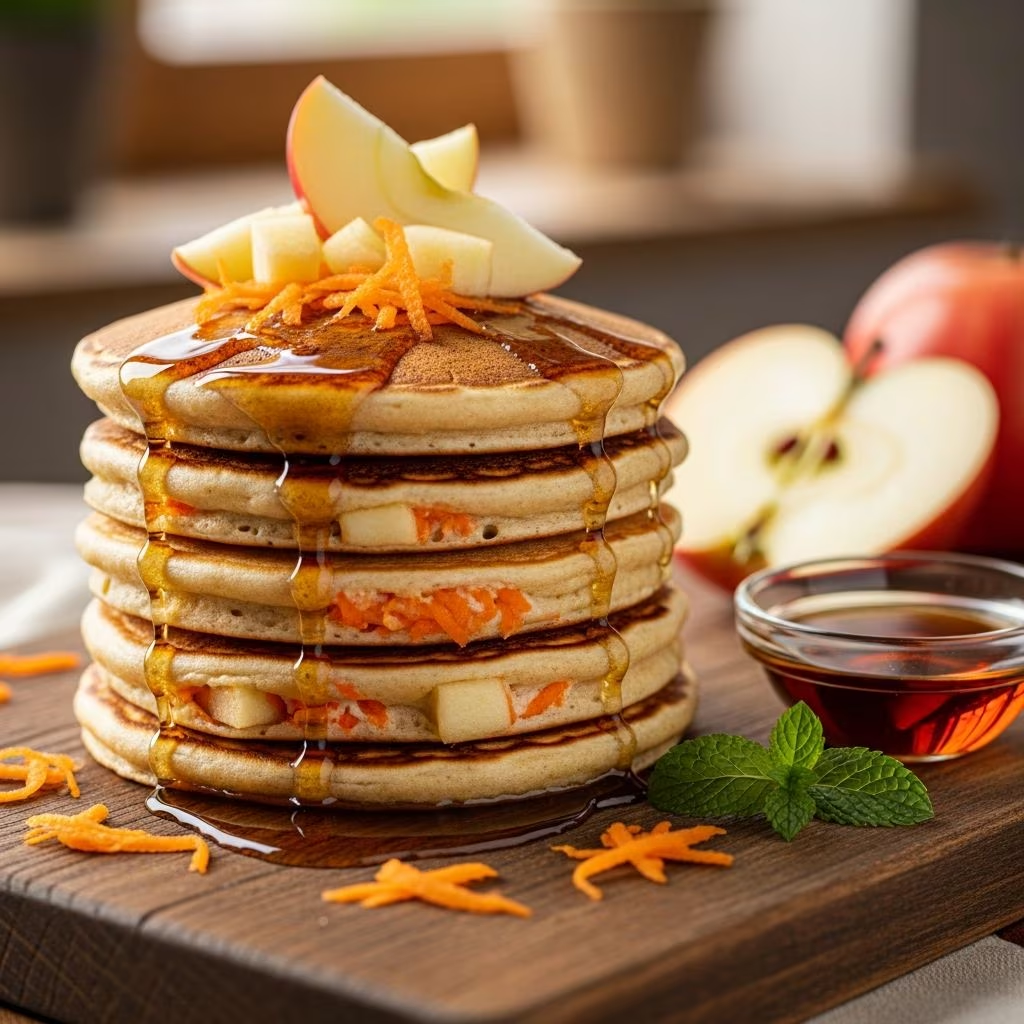
Pancakes have long been a beloved breakfast staple, and while traditional versions often rely on simple white flour and sugar, modern home cooks are discovering creative ways to elevate this classic dish. One such innovation combines the natural sweetness of grated apples with the subtle earthiness of shredded carrots, creating pancakes that deliver both nutrition and indulgence. This fusion approach transforms an ordinary breakfast into something memorable—a dish that blurs the lines between traditional pancakes, carrot cake, and apple-based treats.
Understanding the Appeal of Garden Vegetable Pancakes
The intersection of vegetables and breakfast has become increasingly popular among health-conscious eaters seeking alternatives to refined grain pancakes. Incorporating carrots and apples into pancake batter offers several advantages beyond basic nutrition. The moisture content in both vegetables helps keep the pancakes tender and prevents the dense texture that can result from overmixing batter. Additionally, the natural sugars present in carrots and apples allow home cooks to reduce refined sugar while maintaining the desired sweetness level.
What makes this combination particularly appealing is its versatility. The recipe adapts well to various dietary preferences, from gluten-free variations to low-carbohydrate adaptations. Whether you’re cooking for a family with mixed nutritional goals or exploring new flavor profiles for your morning routine, carrot-apple pancakes provide a flexible foundation that accommodates different ingredients and cooking methods.
Foundation Ingredients and Their Roles
Creating successful carrot-apple pancakes begins with understanding how each ingredient contributes to the final product. The base typically includes eggs, which provide structure and binding power, allowing the grated vegetables to hold together during cooking. Flour serves as the primary structural component, though many recipes offer flexibility in flour type.
The vegetable components—shredded carrots and grated apples—function as moisture providers while adding subtle flavor notes and natural sweetness. A critical step involves removing excess liquid from the grated apple, as too much moisture can result in pancakes that fall apart on the griddle or skillet. Various recipes recommend gently squeezing the grated apple or letting it rest briefly before incorporating it into the batter.
Leavening agents such as baking powder or baking soda create the lift necessary for fluffy pancakes, while spices including cinnamon, ginger, and nutmeg provide warmth and depth. The liquid component—whether milk, almond milk, or buttermilk—balances the batter consistency and ensures even cooking throughout.
Recipe Variations for Different Dietary Approaches
Traditional Flour-Based Version
The classic carrot-apple pancake recipe combines all-purpose flour with warm spices and incorporates both vegetables. This approach yields pancakes with a familiar texture and appearance, making it an excellent starting point for families new to vegetable-forward pancakes. The use of brown sugar or coconut sugar adds depth compared to white sugar, while vanilla extract rounds out the flavor profile. These pancakes pair beautifully with maple syrup or cream cheese toppings, creating a breakfast that satisfies both sweet cravings and nutritional goals.
Whole Grain and Cereal-Enhanced Option
Another popular approach incorporates raisin bran cereal into the dry ingredients, providing additional fiber, texture variation, and subtle fruit notes. This method transforms the pancake batter into something more substantial and hearty. The baking soda in this version creates a different texture profile compared to recipes using baking powder, resulting in pancakes that may be slightly crispier on the outside while remaining moist inside. This variation works particularly well for individuals seeking sustained energy throughout the morning.
Gluten-Free and Low-Carbohydrate Approach
For those managing dietary restrictions, egg-forward recipes eliminate flour entirely, relying instead on the binding properties of whole eggs combined with minimal additions. A recipe featuring six eggs, grated carrot, grated apple, cacao powder, cinnamon, and vanilla creates thin, crepe-like pancakes with minimal carbohydrate content. This approach appeals to individuals following paleo, ketogenic, or other low-grain diets. The inclusion of raw cacao powder adds richness and subtle chocolate notes without introducing sugar, creating an unexpected flavor dimension.
Oat-Based Blender Method
The blender-based approach processes rolled oats into a flour-like consistency, then combines them with eggs, milk, sweetener, oil, vegetables, and spices. This method produces particularly smooth, tender pancakes with a tender crumb structure. The blending process ensures that the grated vegetables integrate thoroughly into the batter, creating more uniform pancakes compared to methods where ingredients are simply stirred together. This variation suits those seeking a protein-rich option, as eggs provide substantial amino acids.
Flavor Enhancement Through Spicing
The aromatic profile of carrot-apple pancakes relies heavily on carefully selected spices that echo traditional carrot cake seasonings. Cinnamon provides warmth and a familiar flavor that complements both carrots and apples, while ground ginger introduces subtle spice and aids digestion. Nutmeg and cloves appear in smaller quantities, adding complexity without overwhelming the palate. Fresh ginger, when available, offers a more pronounced spicy note compared to ground versions.
The balance of spices prevents the pancakes from tasting overly like a dessert while ensuring they remain distinctly flavorful. Adjusting spice quantities allows home cooks to personalize the recipe according to preferences—those who enjoy bolder spice notes can increase ginger and clove measurements, while individuals preferring subtler flavors might reduce these components slightly.
Preparation Techniques for Optimal Results
Vegetable Preparation
Proper preparation of carrots and apples significantly impacts the final pancake quality. Using a box grater or food processor’s large-holed attachment produces appropriately sized shreds that integrate well into the batter. Washing carrots thoroughly before grating removes surface dirt, while choosing firm, unblemished apples ensures better texture. The critical step of removing excess liquid from grated apples cannot be overstated—this prevents the batter from becoming too wet and ensures pancakes hold their shape during cooking.
Batter Assembly and Mixing
The mixing process requires attention to achieve the right batter consistency. Most recipes recommend first whisking together dry ingredients—flour, leavening agents, salt, and spices—in one bowl. Separately, wet ingredients including eggs, liquid, sweetener, oil, and vanilla are combined. The wet and dry components are then brought together with minimal stirring, incorporating the grated vegetables at the final stage. Overmixing develops gluten unnecessarily, resulting in tough pancakes. The batter should appear lumpy, indicating proper mixing technique.
Cooking Method Considerations
Unlike traditional pancakes that typically cook on high heat, carrot-apple pancakes benefit from medium or medium-low heat. The vegetable content means these pancakes cook more slowly and require careful attention to prevent burning before the interior cooks through. Using a well-seasoned cast-iron skillet or nonstick griddle helps achieve even browning. Greasing the cooking surface with butter or oil before each batch prevents sticking and promotes the development of a golden crust.
The flipping technique matters significantly for hearty vegetable pancakes. Because they contain more moisture than traditional pancakes, they require adequate cooking time on the first side before flipping. Waiting until bubbles clearly form on the surface and edges appear set indicates the pancake is ready to flip. Using a thin spatula or turner allows for smooth flipping without breaking the delicate structure.
Size and Portion Considerations
The size of individual pancakes impacts both cooking success and eating experience. Many experienced cooks recommend making smaller pancakes—approximately three to four inches in diameter—rather than the oversized versions popular in some diners. Smaller pancakes cook more evenly, flip more easily, and distribute vegetables throughout more uniformly. This approach typically yields five to eight pancakes from a single batch, making portion control more manageable.
Measuring batter using a quarter-cup or one-third-cup measure ensures consistency across pancakes. Spreading the thick batter gently with a spatula helps create evenly sized pancakes that cook uniformly.
Topping and Serving Ideas
The natural flavor profile of carrot-apple pancakes pairs well with numerous toppings. Traditional maple syrup remains a classic choice, though the vegetables’ inherent sweetness means less syrup is typically needed compared to plain pancakes. Maple cream cheese frosting adds richness and tanginess, creating a balanced breakfast-meets-dessert experience.
Greek yogurt dolloped atop warm pancakes provides protein and subtle tang, while toasted walnuts offer textural contrast and additional nutritional benefits. Honey drizzles provide gentler sweetness compared to syrup, while whipped coconut cream appeals to those avoiding dairy. Some cooks enjoy serving these pancakes with a touch of butter alone, allowing the vegetable flavors to shine without additional toppings.
Nutritional Perspective
Carrot-apple pancakes offer nutritional advantages compared to traditional recipes. Carrots provide beta-carotene, fiber, and various minerals, while apples contribute fiber and vitamin C. When prepared with whole grain flours or oat-based foundations, the pancakes provide sustained energy through complex carbohydrates. The egg content supplies complete proteins containing all essential amino acids.
The natural sugars from carrots and apples often reduce the need for added sweeteners, making these pancakes naturally lower in refined sugar than conventional versions. Recipes incorporating vegetables can accommodate various dietary approaches, from lower-carbohydrate versions to higher-fiber options.
Storage and Make-Ahead Options
Cooked carrot-apple pancakes store well in the refrigerator for three to four days when placed in an airtight container. Reheating in a toaster oven at 350°F for a few minutes restores crispiness better than microwave reheating, though microwaving remains an option for quick warming. The batter can be prepared ahead and refrigerated for up to twenty-four hours, though some recipes benefit from cooking immediately to preserve texture.
For longer storage, cooked pancakes freeze successfully for up to three months. Layering pancakes with parchment paper prevents sticking during freezing. Toasting frozen pancakes directly in a toaster or toaster oven returns them to near-fresh quality.
Troubleshooting Common Challenges
Pancakes that fall apart during flipping typically indicate insufficient cooking time on the first side or too much moisture in the batter. Ensuring adequate time passes before flipping and more carefully removing excess liquid from grated apples addresses this issue. Dense, gummy pancakes suggest overmixing or insufficient heat during cooking, both remedied by gentle mixing and slightly higher cooking temperatures.
If pancakes brown too quickly while remaining undercooked inside, reduce heat slightly and extend cooking time on each side. Unevenly cooked pancakes often result from inconsistent batter spread or uneven heat distribution on the griddle, both improved through careful attention during cooking.
Adapting the Recipe for Individual Preferences
The carrot-apple pancake foundation accommodates numerous modifications. Substituting alternative flours such as spelt, rye, or whole wheat transforms the flavor and nutritional profile. Adding chopped pecans or walnuts to the batter introduces textural variety. Those enjoying warmth can increase ginger and spice measurements, while others might add vanilla extract or almond extract for different flavor notes.
Experimenting with different apple varieties—from tart Granny Smith to sweet Fuji—alters the flavor balance. Some recipes incorporate raisins or chopped dates for additional sweetness and texture, while others add coconut flakes for tropical notes.
Seasonal Serving Suggestions
Carrot-apple pancakes align beautifully with autumn and early winter seasons when both apples and fresh carrots peak in flavor and availability. Serving them with cinnamon-spiced whipped cream or alongside warm apple cider creates a cohesive seasonal breakfast experience. During spring and summer, lighter toppings such as fresh berries or yogurt balance the warming spices.
References
- Apple Carrot Cake Pancakes with Maple Cream Cheese Topping — Running to the Kitchen. https://www.runningtothekitchen.com/apple-carrot-cake-pancakes/
- Cinnamon Apple Carrot Pancakes Recipe — Pinch of Yum. https://pinchofyum.com/cinnamon-apple-carrot-pancakes
- Easy Apple Carrot Pancakes (Gluten-Free & Low-Carb) — Refresh My Health. https://www.refreshmyhealth.com/easy-apple-carrot-pancakes-gluten-free-low-carb/
- Feel-Good Oatmeal Blender Apple Carrot Pancakes — The Natural Nurturer. https://thenaturalnurturer.com/healthy-apple-carrot-pancakes/
- Savory Carrot-Apple Pancakes With Ginger — Ellie Krieger. https://www.elliekrieger.com/recipe/savory-carrot-apple-pancakes-with-ginger-2/