Understanding the Foundation of Tangy Barbecue Condiments
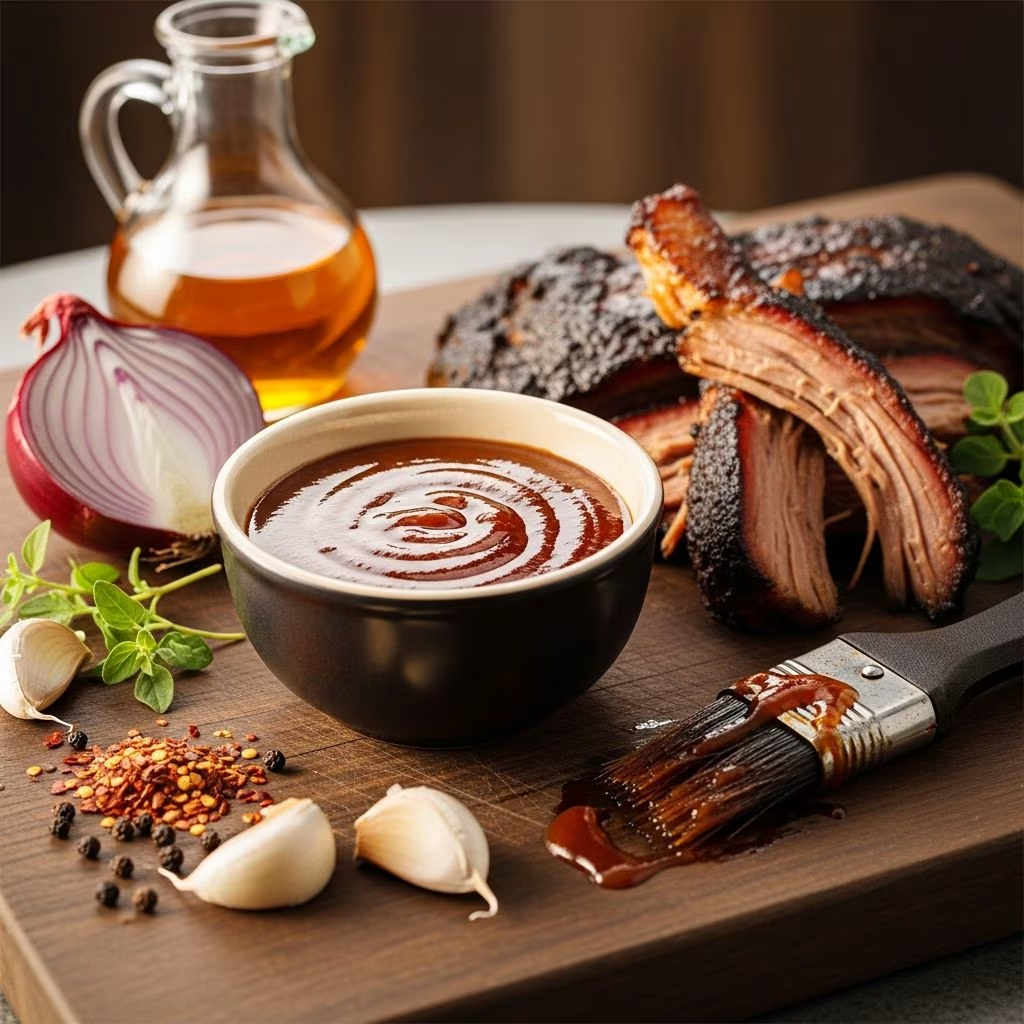
Vinegar-based barbecue sauce represents a cornerstone of American regional cooking traditions, particularly across the Carolinas and other Southern states. Unlike heavily tomato-dependent variations, these sauces emphasize the bright, acidic qualities of vinegar as their primary flavor driver. The beauty of this style lies in its simplicity and versatility—requiring minimal ingredients while delivering complex, layered tastes that develop over time.
The appeal of vinegar-forward sauces extends beyond tradition. The acidity cuts through the richness of fatty smoked meats, enhances natural flavors without masking them, and provides a clean finish that doesn’t overwhelm the palate. Home cooks and professional pitmasters alike appreciate how easily these sauces can be customized and how quickly they come together.
Essential Ingredients and Their Roles
Vinegar Selection and Impact
The choice of vinegar serves as the backbone of your sauce and directly influences its character. Apple cider vinegar brings warmth and subtle sweetness due to its lower acidity compared to white vinegar. White distilled vinegar delivers sharper, more pronounced tanginess and works well for those seeking maximum brightness. Many regional recipes combine both types to achieve balanced complexity—typically using apple cider vinegar as the dominant base with white vinegar providing additional bite.
Quantity matters significantly. Most recipes call for 1 to 3 cups of vinegar depending on whether you’re making a thin mop sauce or a thicker finishing condiment. The acid percentage affects how well your sauce pairs with different proteins and how it behaves during cooking and storage.
Sweetening Components
Brown sugar serves multiple functions beyond simply adding sweetness. Light brown sugar provides gentle molasses undertones, while dark brown sugar contributes deeper, richer flavors. Typical recipes use 2 to 4 tablespoons of brown sugar per cup of vinegar, though personal preference and the desired final taste profile should guide your decision. Some recipes incorporate maple syrup for additional depth and complexity.
Heat and Spice Elements
Red pepper flakes, cayenne pepper, and hot sauce create the characteristic warmth found in traditional vinegar sauces. These components work together to build heat gradually rather than deliver an immediate burn. Red pepper flakes add visible texture, cayenne provides smooth heat, and commercial hot sauces like Frank’s or Texas Pete introduce both spice and additional flavor compounds.
Aromatics and Seasonings
Garlic powder and onion powder form the aromatic foundation, typically using 1 to 2 teaspoons each. These dried forms dissolve completely into the liquid, creating a seamless texture. Salt remains essential for flavor enhancement and preservation, with most recipes calling for 1 to 2 teaspoons. Black pepper rounds out the spice profile with subtle earthiness.
Optional Flavor Enhancers
Ketchup, when included, adds tomato depth and additional sweetness, typically in amounts from 1 tablespoon to 1 cup depending on the recipe style. Dry mustard powder provides subtle sharpness and tang, while Worcestershire sauce introduces umami and fermented complexity. These components remain optional but significantly alter the sauce’s final character.
Step-by-Step Preparation Methods
The Quick Method
For immediate use, combine all ingredients in a saucepan and bring to a boil over medium-high heat. Whisk thoroughly to ensure sugar and salt dissolve completely. Once boiling, remove from heat immediately and allow to cool to room temperature. This method takes approximately 15 minutes total and produces sauce ready for serving or storage.
The Simmered Approach
For deeper flavor development, bring vinegar and brown sugar to a boil, then reduce heat and add remaining ingredients. Simmer on low heat for 10 to 15 minutes, allowing flavors to meld and intensify. This gentler cooking process prevents volatile compounds from evaporating too quickly and creates a more cohesive sauce profile.
The Mop Sauce Variation
When preparing a thinner liquid intended for basting during cooking, combine vinegar with hot water in a 1:1 or 2:1 ratio. Add remaining seasonings and stir thoroughly. This thinner consistency applies easily with a mop or basting brush without dripping excessively.
Regional Variations and Flavor Profiles
| Region | Key Characteristics | Dominant Ingredients | Best Used With |
|---|---|---|---|
| Eastern Carolina | Thin, extremely tangy, minimal sweetness | Vinegar, red pepper, salt, pepper | Whole hog, pulled pork shoulder |
| Western Carolina | Medium body, moderate sweetness, ketchup base | Vinegar, ketchup, brown sugar, mustard | Pork ribs, pulled pork |
| Cape Fear Region | Layered spice, robust depth, aged complexity | Mixed vinegars, multiple peppers, garlic | Slow-cooked pork, brisket |
Storage and Longevity Considerations
Refrigerator Storage
Properly prepared vinegar sauce will keep in the refrigerator for 2 to 3 weeks when stored in an airtight container. The acidity naturally preserves the sauce, and flavor intensity actually increases during storage as ingredients continue to interact. Before serving after storage, shake or stir well to recombine any separated components.
Extended Preservation
For sauce you plan to keep longer than three weeks, consider canning using proper heat-processing techniques. This requires sterilized jars and careful adherence to USDA guidelines. Properly canned vinegar sauce remains shelf-stable for several months and develops even more complex flavors over time.
Freezing Limitations
Traditional vinegar-based sauces do not freeze well. The vinegar’s acidity can separate from other ingredients, and the texture often becomes thin and watery upon thawing. For best results, prepare sauce fresh or store in refrigerated conditions rather than attempting to freeze.
Customization and Personal Preferences
Adjusting Heat Levels
Start with conservative amounts of hot sauce and pepper flakes, then add more to achieve your preferred heat intensity. One teaspoon of red pepper flakes can be increased to several teaspoons for those preferring significant spice. Remember that heat intensity becomes more pronounced as the sauce sits.
Sweetness and Tanginess Balance
If your sauce tastes too acidic, increase brown sugar in quarter-cup increments. Conversely, if sweetness overwhelms the vinegar character, add more vinegar or a touch of white vinegar to brighten the profile. Keep track of modifications so you can replicate successful variations.
Consistency Modifications
Thin mop sauces require more liquid—add water or additional vinegar to achieve brushable consistency. Thicker finishing sauces benefit from reduced cooking time and slightly less liquid overall. Ketchup naturally thickens sauce, so incorporating additional amounts creates a heartier condiment.
Practical Application and Serving Suggestions
As a Basting Mop
Apply thinner variations during the final hours of smoking using a mop or basting brush. Multiple applications build layered flavor without overwhelming the meat’s natural taste. The thin consistency ensures thorough coverage without creating sticky residue.
As a Finishing Sauce
Serve thicker variations at the table, allowing diners to add sauce according to preference. The slightly thicker body clings to meat and provides visible coverage. Many people appreciate the option to control sauce intensity on their own plate.
As a Dipping Condiment
Warm sauce gently in a small saucepan over low heat before serving alongside chopped or pulled pork. The warmth enhances flavor perception and creates a more luxurious eating experience compared to cold sauce.
Common Questions About Vinegar-Based Sauce
Can I make vinegar sauce without ketchup?
Absolutely. Many traditional Eastern Carolina recipes contain only vinegar, salt, pepper, and red pepper flakes. Ketchup creates Western Carolina style but remains entirely optional depending on your regional preference or flavor goals.
How long does homemade sauce stay good?
Refrigerated sauce maintains quality for up to 21 days, with some sources suggesting up to three weeks. The acidity preserves the sauce naturally, though flavor intensity changes over time. Taste before using after extended storage.
What vinegar works best?
Apple cider vinegar provides the most traditional flavor profile, though white vinegar offers sharper tanginess. Many recipes combine both for balanced complexity. Avoid flavored vinegars or rice vinegar, which produce unsuitable taste profiles.
Can I adjust the spice level?
Yes. Start conservatively with hot sauce and pepper flakes, then increase incrementally. Heat intensifies as the sauce sits, so taste before making final adjustments. Document successful modifications for future batches.
Should I refrigerate before first use?
Some recipes recommend chilling for 24 hours to allow flavors to fully develop and merge. Warm sauce works immediately but tastes more integrated and complex after refrigeration. This step remains optional but yields superior results.
Making Your Signature Sauce
Creating your own vinegar-based barbecue sauce transforms your grilling and smoking experience. The process requires minimal effort, inexpensive ingredients, and produces superior flavor compared to commercial bottled versions. Begin with a traditional recipe as your foundation, then systematically adjust ratios based on personal preference.
Successful sauce development involves understanding how each component functions—vinegar provides brightness, sugar creates balance, peppers deliver heat, and aromatics build complexity. Small adjustments in ingredient proportions yield dramatically different results, allowing you to develop a signature sauce that reflects your palate and cooking style.
The beauty of vinegar-based sauce lies in its versatility and forgiving nature. The robust acidity masks minor mistakes, the simple ingredient list prevents catastrophic errors, and the quick preparation method allows for experimentation without significant time investment. Whether you prefer Eastern Carolina’s austere simplicity or Western Carolina’s ketchup richness, these sauces adapt to your preferences while maintaining their essential character.
References
- Vinegar Based Carolina BBQ Sauce Recipe — Chef Billy Parisi. Accessed 2026. https://www.billyparisi.com/vinegar-based-carolina-bbq-sauce-recipe/
- Vinegar BBQ Mop – a Carolina-style pork sauce — Jess Pryles. Accessed 2026. https://jesspryles.com/vinegar-bbq-mop-sauce/
- Carolina Barbecue Sauce Recipe-Vinegar Based — A Fork’s Tale. Accessed 2026. https://www.aforkstale.com/carolina-barbecue-sauce-recipe/
- Western North Carolina Style Vinegar BBQ Sauce Recipe — Seasons to Taste. Accessed 2026. https://seasonstwotaste.com/western-north-carolina-style-vinegar-bbq-sauce-recipe/
- Carolina Vinegar BBQ Sauce Recipe — The Kettle Guy. Accessed 2026. https://www.thekettleguy.com/carolina-bbq-sauce-recipe/