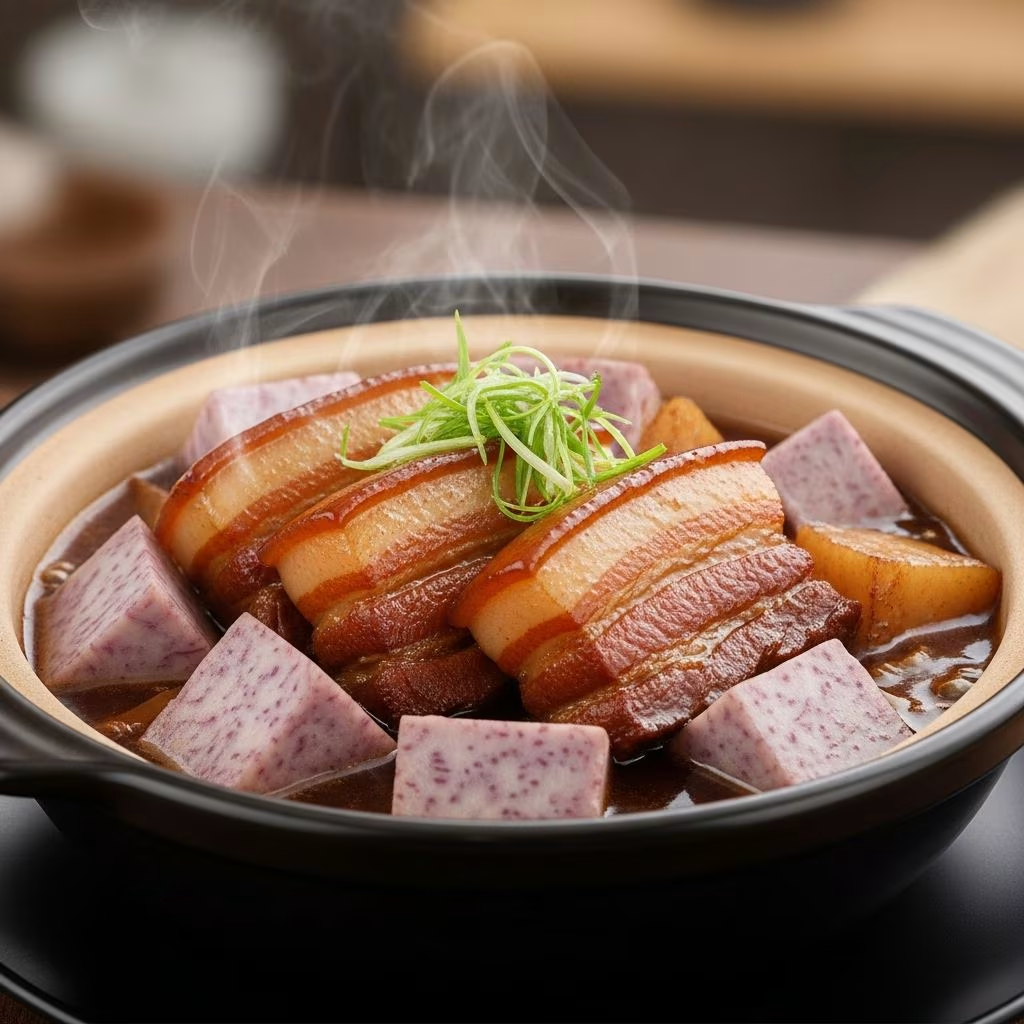
The Cantonese taro and pork belly casserole represents one of the most celebrated dishes in Chinese home cooking, embodying centuries of culinary tradition and technique. This dish, known by various names across Cantonese-speaking regions, combines two humble ingredients—tender pork belly and creamy taro root—into a sophisticated, deeply satisfying meal. The preparation process requires patience, attention to detail, and an understanding of how different cooking methods transform these ingredients into something truly extraordinary. Whether you are an experienced home cook or someone exploring Chinese cuisine for the first time, mastering this classic preparation opens doors to understanding the principles that define Cantonese cooking.
Understanding the Core Components
The beauty of a Cantonese taro and pork belly casserole lies in how two simple ingredients work together to create complex flavors and textures. Pork belly, with its layers of lean meat and rich fat, becomes incredibly tender through proper cooking techniques, while taro root absorbs the surrounding flavors and develops a creamy, almost custard-like texture when cooked correctly.
Pork Belly Selection and Preparation
Selecting the right cut of pork belly is fundamental to achieving excellent results. Look for a piece with balanced layers of meat and fat, ideally about 1.5 to 2 pounds. The skin should be intact and free from blemishes. Before cooking, rinse the pork belly thoroughly under cold water and pat it completely dry with paper towels. This initial cleaning removes surface impurities and ensures that the skin will crisp properly during frying.
Taro Root: Choosing and Cutting
Taro root, a starchy tuber with a mild, slightly sweet flavor, serves as the perfect companion to rich pork belly. When selecting taro, choose firm specimens without soft spots or sprouting eyes. The flesh should be white or pale cream-colored when cut. Cut the taro into uniform rectangular pieces, approximately half an inch thick and two and a half inches long. Consistency in sizing ensures that all pieces cook at the same rate, preventing some from becoming mushy while others remain undercooked.
The Multi-Stage Cooking Process
Creating an exceptional Cantonese taro and pork belly casserole involves multiple cooking stages, each serving a specific purpose in developing flavor and texture.
Stage One: Blanching and Initial Preparation
Begin by bringing approximately six cups of water to a rolling boil in a large pot. Add one teaspoon of sugar and two teaspoons of salt to the water. These seasonings serve multiple purposes: the salt seasons the pork and helps render the fat, while the sugar aids in the browning process and balances flavors. Carefully place the pork belly into the boiling water, positioning it skin-side down. Allow the water to return to a boil and maintain a gentle simmer for 30 minutes. This blanching step serves several critical functions. It partially cooks the meat, removes impurities that would otherwise cloud the cooking liquid, and begins the process of rendering excess fat from the skin.
After 30 minutes, carefully remove the pork belly and transfer it to a clean surface where it can cool completely. Reserve the blanching liquid—this flavorful stock will be used later in the braising process. Once the pork belly has cooled enough to handle, use a fork to pierce the skin evenly across the entire surface. These small punctures, which should penetrate through the skin and into the fat layer but not all the way through to the meat, allow seasonings and flavors to penetrate the meat during the braising stage.
Stage Two: Frying for Texture and Color
Prepare a deep pot or wok large enough to safely accommodate the pork belly. Heat frying oil to 325°F (163°C). Before frying the pork belly itself, fry the taro pieces in batches until golden-brown crusts form on all sides, approximately 90 seconds total. This initial frying develops complex flavors through the Maillard reaction and creates appealing texture contrasts. Set the fried taro aside on paper towels to cool.
Ensure the pork belly is completely dry by patting it thoroughly with paper towels. Moisture prevents proper browning and can cause dangerous oil splattering. Using tongs or a metal spatula, carefully lower the pork belly skin-side down into the hot oil. Keep the pot lid nearby and immediately place it over the pot to minimize oil splatter while maintaining high heat. The skin will crisp and turn golden brown. Once the skin achieves the desired color, carefully flip the pork belly to briefly sear the other sides. This entire frying process should take approximately 5 to 7 minutes total.
Stage Three: Marinating for Maximum Flavor
Once the pork belly cools enough to handle, slice it into pieces that match the size and thickness of the taro pieces (approximately half an inch thick and two and a half inches long). Prepare a marinade by combining reserved blanching liquid with dark soy sauce, oyster sauce, hoisin sauce, rice wine, and a touch of sugar. The exact proportions depend on personal taste preferences and the salinity of your blanching liquid.
Transfer the sliced pork belly to a large bowl and pour the marinade over it. Allow it to marinate for at least one hour, stirring gently with a rubber spatula every 20 minutes to ensure even flavor absorption. Longer marinating times, even overnight, develop deeper flavors without compromising texture.
Assembly and Steaming Techniques
Proper assembly determines both the visual presentation and the cooking evenness of the finished dish.
Arranging Ingredients in the Steaming Vessel
Select a round heat-proof bowl approximately three inches deep. Beginning at the center, arrange the pork belly and taro pieces in an alternating pattern, working outward toward the edges. Position the pork belly pieces skin-side down initially; when inverted onto a serving plate, the crispy skin will face upward for visual appeal. Each piece of taro must be individually coated with marinade before positioning, as the taro is delicate and will not absorb flavors evenly if left uncoated. Fill any gaps between larger pieces with smaller taro and pork belly pieces, creating a snug arrangement with minimal air pockets.
Once all ingredients are arranged, pour any remaining marinade evenly over the top. The liquid should nearly cover all pieces, creating an environment where steam and liquid carry flavors throughout the assembly.
Steaming for Perfect Texture
Prepare a steamer with simmering water. When the water reaches a rolling boil, carefully place the assembled bowl into the steamer basket. Maintain medium heat, ensuring that water bubbles vigorously enough to generate adequate steam but not so violently that water splashes into the bowl. Steam for 90 minutes, checking the steamer periodically and adding more boiling water as needed to maintain water levels.
Finishing and Sauce Development
The final stage transforms cooking liquid into a glossy, flavorful sauce that ties all components together.
Extracting and Concentrating Liquids
After steaming, carefully pour the hot liquid from around the pork and taro into a separate wok or saucepan, using a rubber spatula to gently hold ingredients in place. Return the bowl to the steamer with the heat off, covering it to retain warmth while you prepare the sauce.
Add approximately one-quarter cup of reserved blanching water to the extracted liquid and bring it to a gentle simmer over medium heat. This additional liquid helps achieve the desired sauce consistency and flavor balance. Create a cornstarch slurry by whisking cornstarch with a small amount of cold water until smooth, then gradually add it to the simmering liquid while stirring constantly. The sauce should thicken to coat a spoon with a glossy sheen. Taste the sauce and adjust seasonings with salt or additional soy sauce if needed.
Plating and Service
To serve, carefully invert the steamed bowl onto a serving plate, allowing the pork belly and taro to tumble out in a beautiful arrangement with the crispy pork skin facing upward. Pour the prepared sauce over the top and garnish with freshly chopped scallions or cilantro if desired. This dish serves beautifully alongside steamed white rice, which helps balance the richness of the pork belly and absorbs the flavorful sauce.
Essential Techniques and Pro Tips
- Temperature Control: Maintaining proper oil temperature during frying is crucial. Too cool, and the pork skin will absorb oil rather than crisp; too hot, and the exterior burns before the interior cooks adequately.
- Consistent Cutting: Uniform sizing of both pork belly and taro ensures even cooking throughout the dish. Uneven pieces will cook at different rates, resulting in some pieces being overcooked while others remain undercooked.
- Moisture Management: Thorough drying of the pork belly before frying prevents oil splatter and ensures proper crisping of the skin.
- Flavor Layering: Blanching liquid, marinade, and sauce reduction each contribute distinct layers of flavor. Do not skip any stage, as each builds upon the previous one.
- Gentle Handling of Taro: Taro becomes increasingly delicate as it cooks. Handle pieces carefully during assembly and plating to prevent breakage.
Frequently Asked Questions
Can I prepare this dish in advance?
Yes, the pork belly and taro can be prepared through the marinating stage several hours or even one day ahead. Refrigerate the marinated components and assemble just before steaming for the best results. The completed dish can be reheated gently, though freshly prepared versions offer superior texture and flavor.
What if my pork skin doesn’t crisp properly?
Ensure that the pork belly is completely dry before frying, as any residual moisture prevents proper crisping. Additionally, verify that your oil has reached the correct temperature. If the skin still appears soft after frying, carefully return it to the hot oil for an additional minute to complete the crisping process.
Can I substitute different vegetables for taro?
While taro is traditional and its creamy texture pairs beautifully with pork belly, other starchy vegetables like potato or turnip can work in a pinch. However, they will produce a different final dish and do not absorb flavors quite as effectively as taro.
How should I store leftovers?
Store leftovers in an airtight container in the refrigerator for up to three days. Reheat gently over low heat or in a steamer to avoid breaking the pork belly or taro pieces.
Nutritional Considerations and Health Context
Pork belly contains significant fat content, making this dish rich and satisfying in modest portions. A typical serving provides substantial protein from the pork and carbohydrates from the taro. When balanced with vegetables and whole grains in a broader meal context, this dish contributes to a well-rounded diet. The steaming method preserves nutrients while requiring minimal additional fat beyond what is naturally present in the pork belly.
Cultural Significance and Serving Traditions
The Cantonese taro and pork belly casserole holds special significance in Chinese culinary traditions, appearing on family tables during celebrations and festivals. The dish exemplifies principles fundamental to Cantonese cooking: respecting ingredient quality, employing multiple cooking techniques to achieve complex flavors, and creating dishes that bring families together around the table. Serving this dish demonstrates culinary skill and respect for diners, making it an ideal choice for special occasions or when entertaining guests.
References
- Steamed Pork Belly with Taro (Wu Tau Kau Yuk) — The Woks of Life. https://thewoksoflife.com/steamed-pork-belly-with-taro/
- Braised Pork Belly with Taro for Mid-Autumn Festival — Our Place. https://fromourplace.com/blogs/your-place/braised-pork-belly-with-taro-for-mid-autumn-festival
- Dad’s Recipe: Traditional Chinese Taro & Pork Belly Casserole — FullHappyBelly. https://www.youtube.com/watch?v=JfJ0qBnbLAQ