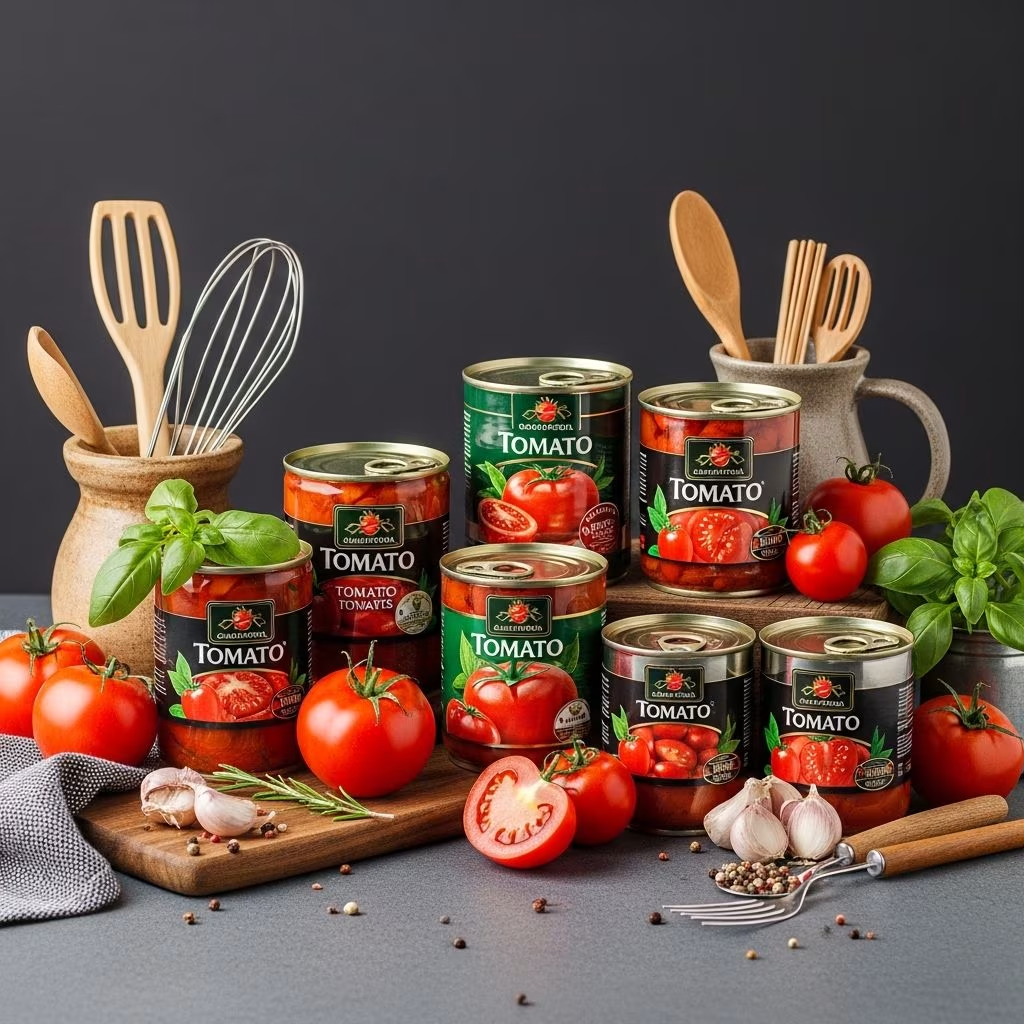
Canned tomatoes represent one of the most versatile and accessible ingredients available to home cooks and professional kitchens alike. Their ability to transform ordinary dishes into restaurant-quality meals makes them an indispensable pantry staple that deserves careful consideration when shopping. Whether you’re preparing a quick weeknight pasta sauce, crafting a complex chili, or creating a delicate soup, understanding the nuances of different canned tomato products can significantly elevate your culinary results.
The Journey of Canned Tomatoes: From Farm to Can
The story of canned tomatoes reflects centuries of agricultural innovation and global trade. Originating in the Americas, tomatoes were transported to Europe where Italian farmers and producers refined cultivation and preservation techniques. The canned tomato industry transformed these practices into a commercial operation that eventually circled back to North America, creating a truly international ingredient that bridges continents and cuisines.
The canning process itself is remarkably straightforward yet effective. Ripe tomatoes are harvested at peak ripeness and quickly transported to processing facilities where they undergo heat treatment and sealing in cans. This thermal processing preserves the tomatoes while locking in flavors and nutrients, making them available year-round regardless of seasonal availability. The Italian canning industry, which has been operating since 1913, demonstrates the sophistication and scale of modern tomato preservation, with over 600 producers, exporters, and brokers now participating in this global supply chain.
Exploring Different Canned Tomato Formats
The variety of canned tomato products available reflects different culinary needs and cooking applications. Each format offers distinct advantages, and understanding these differences allows cooks to make informed decisions that optimize both flavor and texture in their dishes.
Whole Peeled Tomatoes
Whole peeled tomatoes represent the most versatile option for cooks seeking flexibility and authenticity in their preparations. These tomatoes are processed using heat rollers that gently remove the skin while preserving the fruit’s structural integrity. The result is a product that maintains its natural form, allowing cooks to break down or manipulate the tomatoes according to their specific recipe requirements. This format works particularly well in applications where you want to control the final texture, whether that means leaving them whole for visual appeal or crushing them by hand for rustic sauces. The liquid surrounding whole peeled tomatoes is typically tomato juice derived from the same batch or created by combining tomato paste with water.
Diced Tomato Products
Diced tomatoes arrive pre-cut into uniform pieces, offering convenience and consistent texture throughout cooking. This format excels in dishes where you want visible tomato pieces to remain distinct rather than dissolving into a smooth sauce. Applications like chili, bruschetta, gazpacho, and fresh salsas benefit tremendously from diced tomatoes because the structured pieces maintain their integrity during cooking, creating a more textured and visually interesting final dish. The uniform cutting also ensures even cooking and distribution of flavors throughout your preparation.
Crushed Tomato Preparations
Crushed tomatoes occupy a middle ground between whole and finely processed options. These products combine tomato solids with their liquid in a partially broken-down form that works beautifully in applications requiring some body and texture without the need for manual crushing. Crushed tomatoes work particularly well in traditional pasta sauces, where their texture provides substance while still integrating seamlessly with other ingredients.
Concentrated Products: Paste and Puree
Tomato paste represents the most intensely flavored canned tomato option, created through extended cooking and straining processes that concentrate the tomato solids. This product delivers powerful umami notes and remarkable thickening power, making it essential for deepening flavors in soups, stews, and braised dishes. Just a tablespoon or two can transform a dish, adding both flavor complexity and body.
Tomato puree, known as passata in Italian cooking, falls between whole tomatoes and paste in terms of concentration. Created through shorter cooking times and straining processes, puree offers a silky texture and balanced tomato flavor that works beautifully for quick sauces and creamy preparations. Unlike paste, puree can often serve as a nearly complete sauce base with minimal additional ingredients.
Seasoned Tomato Sauce
Some canned tomato products arrive pre-seasoned with herbs and spices, offering convenience for cooks seeking ready-to-use options. However, these products sacrifice flexibility, as the included seasonings may not align with your intended application. For maximum control over flavor development, many experienced cooks prefer unseasoned varieties that allow complete creative freedom.
Nutritional Benefits and Health Considerations
Beyond their culinary versatility, canned tomatoes deliver impressive nutritional benefits that make them valuable additions to any balanced diet. Tomatoes are rich in vitamin C and contain beneficial amounts of vitamin A, folate, and potassium. Perhaps most notably, tomatoes contain lycopene, a powerful natural antioxidant responsible for their distinctive red color. Research suggests that consuming lycopene-rich foods may help reduce the risk of heart disease and prostate cancer.
Interestingly, the canning process actually enhances the bioavailability of certain nutrients. Cooked tomatoes contain significantly more lycopene than their raw counterparts, making canned tomatoes a nutritionally superior option in some respects. The heat treatment used in processing breaks down cell walls, making beneficial compounds more accessible to your body.
For health-conscious consumers monitoring sodium intake, many manufacturers now offer no-salt-added versions of canned tomatoes. These products allow you to control total sodium consumption while maintaining full access to all nutritional benefits and culinary applications.
Selecting Quality Canned Tomatoes
Making smart purchasing decisions requires attention to several important indicators of quality and freshness.
- Examine the can itself for any signs of damage, including dents, leaks, cracks, or bulging lids, all of which indicate potential contamination or spoilage
- Avoid cans that are excessively dusty or feature torn labels, as these signs suggest extended shelf storage that may have compromised quality
- Check the can codes, which sometimes appear twice when a manufacturer sells to re-labelers who add their own origin stamps while maintaining consistent expiration dates
- Consider the brix level, a measurement of dissolved solids in the tomato juice, where higher levels indicate better flavor intensity and less excess liquid
- Look for whole tomatoes without green or yellow discoloration, as these signs indicate under-ripe fruit that will deliver subpar flavor
Understanding brix levels provides valuable insight into product quality. Fresh tomatoes typically range from 4 to 10 brix, where 4 represents poor quality fruit and 10 indicates exceptional tomatoes with high flesh content and minimal liquid. Premium canned tomatoes will reflect these standards.
Storage and Handling Guidelines
Proper storage extends the life and quality of your canned tomato products. Once opened, never store tomatoes directly in the can, as the exposed metal can interact with acidic tomato juice, potentially affecting both flavor and safety. Instead, transfer any unused portions to airtight glass or plastic containers and refrigerate immediately. Most tomato-based products should be consumed within five to seven days of opening. Unopened cans maintain quality for extended periods when stored in cool, dry conditions away from direct sunlight.
Practical Applications and Recipe Considerations
Different canned tomato formats excel in specific applications, and choosing correctly ensures optimal results:
| Format | Best Uses | Why It Works |
|---|---|---|
| Whole Peeled | Pasta sauces, shakshuka, stews | Provides control over final texture and appearance |
| Diced | Chili, salsa, bruschetta, gazpacho | Maintains distinct pieces and visual texture |
| Crushed | Marinara, curry bases, braises | Balanced consistency without manual crushing |
| Paste | Flavor deepening, thick sauces, braised meat | Concentrated umami and thickening power |
| Puree/Passata | Quick sauces, creamy preparations, soups | Silky texture requires minimal additional ingredients |
Budget Considerations and Value Assessment
Canned tomatoes offer exceptional nutritional and culinary value compared to many alternative ingredients. While brand and price fluctuate based on location and retailer, investing in quality products typically pays dividends in finished dish quality. Consider establishing preferences for specific formats based on your typical cooking patterns, then remain flexible about brands as availability and pricing change. The versatility of quality canned tomatoes means they work across numerous cuisines and applications, making them one of the most efficient pantry investments a home cook can make.
Common Questions About Canned Tomatoes
Can I substitute one canned tomato format for another?
While substitution is sometimes possible, it requires thoughtful adjustment. Whole tomatoes can replace diced if you manually crush them, but diced cannot adequately replace whole without affecting dish structure. Paste can replace some puree if diluted with water, but the flavor profile changes. For best results, use the format specified in your recipe.
Are canned tomatoes less nutritious than fresh?
Not necessarily. Canned tomatoes often contain more bioavailable lycopene than fresh varieties due to heat processing. They retain vitamin C and other beneficial compounds effectively. The canning process is designed specifically to preserve nutritional content alongside flavor.
How long do unopened cans last?
Properly stored unopened cans maintain quality for several years. The sealed environment protects against contamination and oxidation. However, check for signs of damage before purchase, and use cans within a reasonable timeframe for optimal quality.
What does the liquid in canned tomatoes contain?
The liquid is typically tomato juice derived from the same batch or created by combining tomato paste with water. This liquid carries flavor compounds and helps preserve the tomatoes. It can be incorporated into your cooking or strained away depending on your recipe requirements.
References
- The Italian Pantry: Canned Tomatoes — Dan Petroski, Massican Substack. Accessed April 2026. https://massican.substack.com/p/the-italian-pantry-canned-tomatoes
- All About Canned Tomatoes — Unlock Food (UnlockFood.ca). Nutrition and food safety guidance. https://www.unlockfood.ca/en/Articles/Cooking-And-Food/Vegetables-and-Fruit/All-About-Canned-Tomatoes.aspx
- The Real Story Behind the Italian Canned Tomato Industry — Mimmo Lubrano, Sandhurst Fine Foods. 2024. https://sandhurstfinefoods.com.au/the-real-story-behind-the-italian-canned-tomato-industry-by-mimmo-lubrano/