Canned chickpeas represent one of the most economical and nutritionally dense ingredients available to home cooks. A single can contains approximately 19 grams of protein per serving, making it an excellent choice for those seeking plant-based nutrition without requiring extensive preparation time. Beyond their nutritional profile, chickpeas demonstrate remarkable versatility, capable of transformation into an extensive range of dishes spanning from quick weeknight dinners to impressive entertaining options.
The appeal of canned chickpeas extends beyond nutrition and convenience. Their neutral flavor profile and adaptable texture mean they integrate seamlessly into virtually any cuisine, from Mediterranean preparations to South Asian curries and contemporary fusion bowls. Whether you’re managing dietary restrictions, optimizing your grocery budget, or simply seeking ingredient inspiration, chickpeas offer solutions across all meal categories.
Foundation Techniques: Preparing Chickpeas for Cooking
Before incorporating canned chickpeas into recipes, understanding basic preparation methods determines the quality of your final dish. Draining and rinsing removes excess sodium and the thick liquid that can interfere with recipe outcomes, resulting in cleaner flavors and better texture. Pat the chickpeas dry with a clean kitchen towel to remove surface moisture, which prevents optimal browning during roasting or pan-frying.
For applications requiring a softer consistency—such as hummus or spreads—using the chickpeas directly from the can works perfectly. However, most recipes benefit from the extra preparation step. Consider reserving the cooking liquid, known as aquafaba, which serves purposes beyond the chickpeas themselves in binding and creating texture in other applications.
Transforming Chickpeas into Spreadable Dips and Foundations
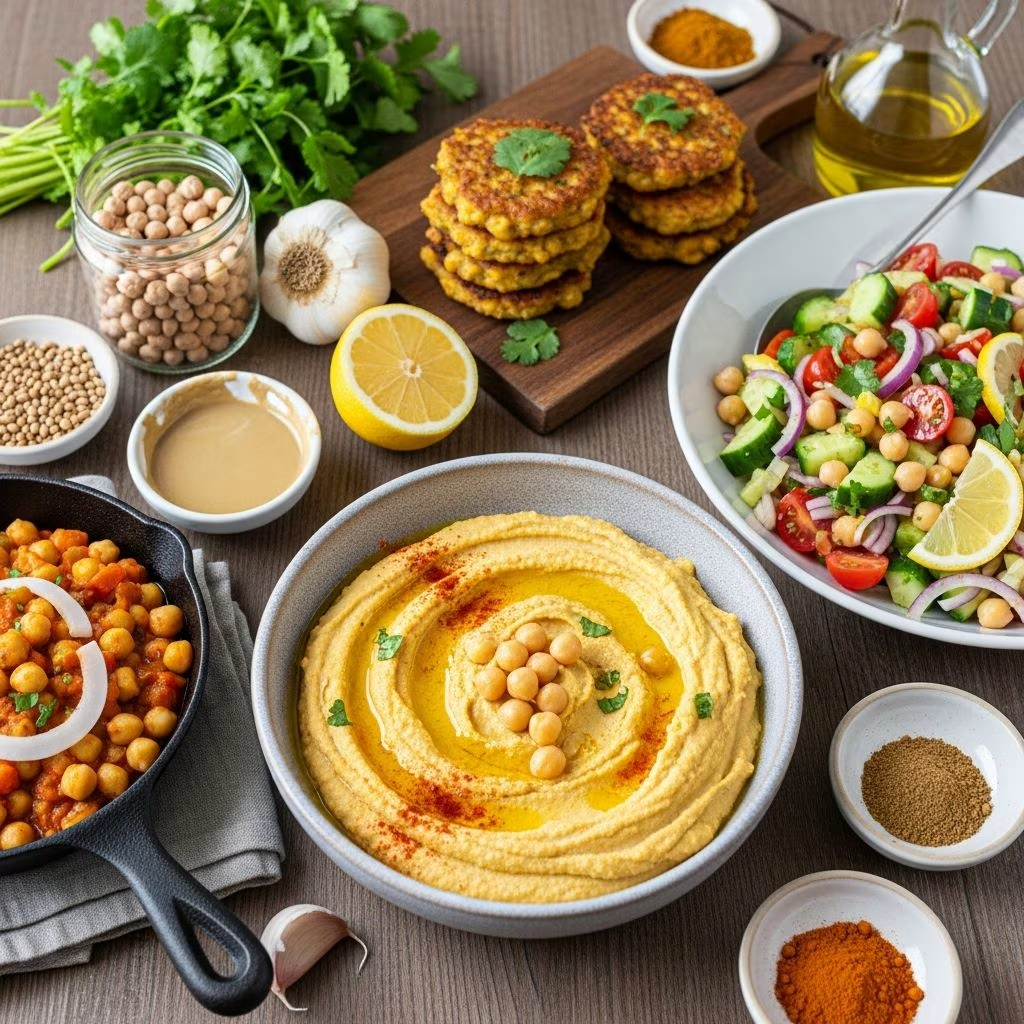
The most recognized application for chickpeas remains creating smooth, creamy dips that function as both appetizers and meal components. Traditional hummus combines chickpea puree with tahini, lemon juice, and garlic, but this foundation supports numerous creative variations. Adding roasted red peppers, sun-dried tomatoes, or fresh herbs creates entirely different flavor profiles while maintaining the essential preparation method.
Creating a quality hummus requires attention to blending technique. Process the chickpeas into a smooth paste before adding complementary ingredients, allowing adequate time for achieving creaminess. The gradual addition of water or the reserved aquafaba controls consistency without diluting flavor. Less conventional hummus variations—incorporating cocoa and vanilla for sweetness or adding sriracha for heat—demonstrate how this humble dip adapts to diverse palates and occasions.
Beyond hummus, chickpea-based spreads serve as nutrient-dense sandwich alternatives to mayonnaise, cream cheese, or commercial dressings. A simple mash combined with avocado creates a protein-enhanced guacamole substitute, while mixing with curry powder and chopped vegetables produces quick lunch fillings suitable for both sandwiches and lettuce wraps.
Crunchy Applications: Roasting and Pan-Frying Methods
Converting soft canned chickpeas into crispy snacks or salad toppings involves straightforward roasting or pan-frying techniques that dramatically alter texture and application possibilities. Properly roasted chickpeas develop a satisfying crunch comparable to nuts or croutons, making them suitable for topping soups, salads, and grain bowls.
The roasting method requires tossing dried chickpeas with minimal oil and preferred seasonings—ranging from simple salt and pepper to elaborate spice blends featuring paprika, cumin, or everything bagel seasoning. A hot oven at approximately 400°F for 20-30 minutes produces optimal crispiness. The chickpeas continue crisping slightly after removal from heat, so timing is crucial to prevent burning.
Pan-frying offers a faster alternative using a large skillet over medium-high heat. The direct contact with the cooking surface creates even browning and develops complex flavors through caramelization. This method suits situations requiring snacks within minutes rather than waiting for oven cooking to complete.
Roasted chickpeas transition seamlessly into salads, grain bowls, or wraps, providing textural contrast and sustained protein content. They also function as standalone snacks, eliminating the need for processed alternatives while delivering satisfying nutrition.
Global Flavors: International Chickpea Preparations
Chickpeas feature prominently in culinary traditions spanning continents, and canned versions accelerate preparation of these international favorites. Chana masala, the North Indian chickpea curry beloved worldwide, transforms simple ingredients into complex, aromatic preparations. The combination of onions, tomatoes, and warming spices like garam masala, cumin, and coriander creates depth and satisfaction with canned chickpeas delivering results closely approaching those made from dried varieties.
Moroccan-inspired preparations incorporate chickpeas into vegetable stews featuring dried fruits, warm spices, and often a touch of preserved lemon. These preparations reward slow cooking that allows flavors to develop and meld, yet canned chickpeas reduce cooking time to mere minutes. Thai-influenced preparations pair chickpeas with coconut milk and chilies, creating creamy curries suitable for serving over rice or noodles.
Mediterranean preparations showcase chickpeas in salads combined with cucumbers, tomatoes, red onion, and vinaigrette, or incorporated into warming soups alongside vegetables and hearty grains. These applications highlight the ingredient’s ability to absorb and complement surrounding flavors while maintaining structural integrity.
Protein-Forward Mains: From Burgers to Pasta Dishes
Chickpeas serve as primary protein sources in satisfying main courses that satisfy both vegetarians seeking substantive meals and omnivores exploring plant-forward options. Chickpea burgers utilize mashed or finely processed chickpeas combined with breadcrumbs, binding agents, and seasonings to create patties that grill or pan-fry successfully. The neutral flavor accepts diverse seasoning profiles, from classic burger spices to Asian-inspired combinations.
Creamy chickpea sauces coat pasta, providing richness without dairy products. Processing chickpeas with garlic, nutritional yeast, and reserved cooking liquid creates sauces that cling to pasta while delivering substantial protein. These preparations particularly appeal to those managing lactose intolerance or preferring plant-based options without sacrificing satisfaction.
Chickpea-based stir-fries with seasonal vegetables and flavorful sauces create balanced meals requiring minimal ingredient lists. The chickpeas develop slight caramelization during cooking while absorbing surrounding flavors, creating complexity that belies the simplicity of preparation.
Unexpected Applications: Sweet Creations with Chickpeas
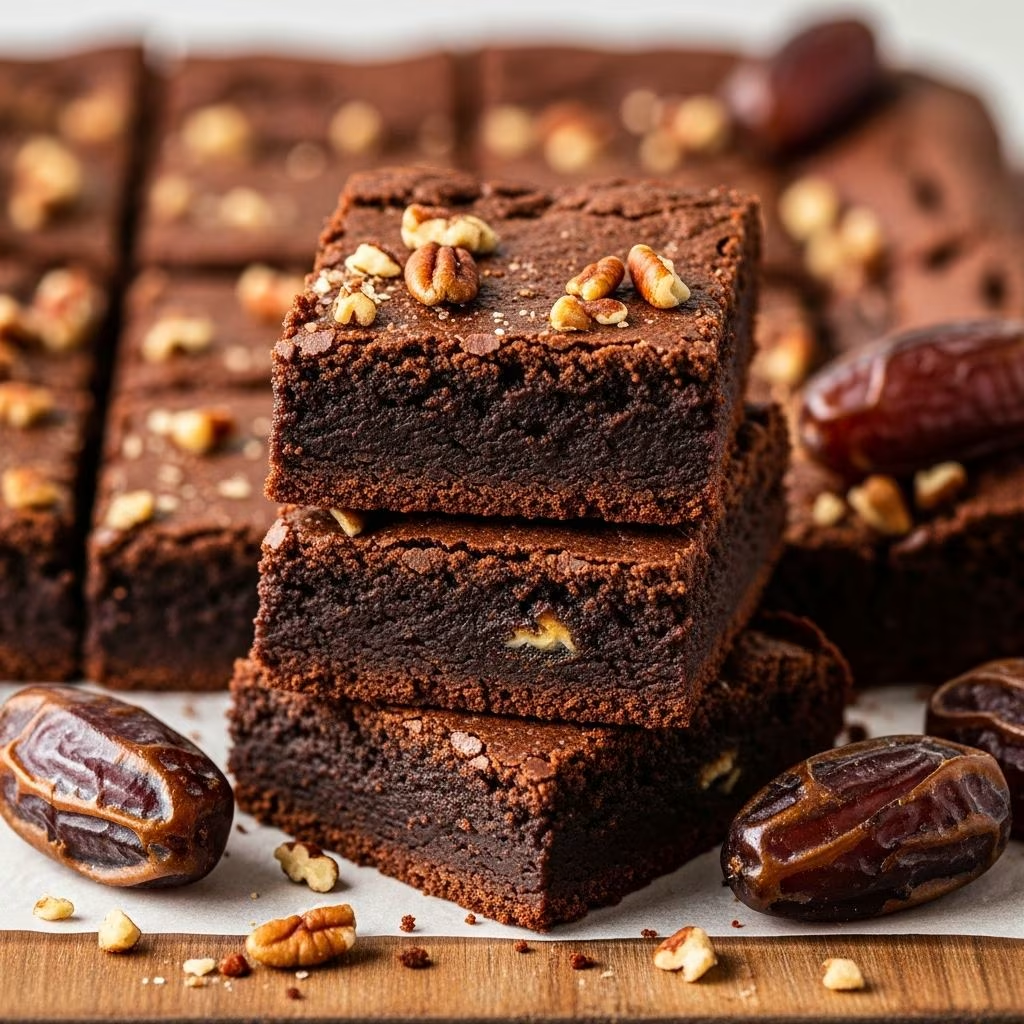
Beyond savory applications, chickpeas contribute to surprisingly successful desserts and sweet preparations. The earthy protein content provides structure and subtle flavor complexity that enhances rather than dominates sweet applications. Chickpea brownies deliver fudgy texture while increasing fiber and protein content compared to traditional recipes. The ingredient disappears into the background, undetectable to those unfamiliar with the formula while providing nutritional benefits.
Sweet chickpea hummus blends the legumes with cocoa, maple syrup, vanilla, and a touch of salt, creating a dessert dip suitable for pairing with fresh fruit or serving as frosting for cakes and cupcakes. The creaminess rivals traditional preparations while substantially increasing nutritional value.
Blended chickpeas create mousse-like desserts, cookie dough-flavored creations, and energy balls perfect for meal preparation. The ingredient provides stability and moisture to baked goods, allowing reduction of fat while maintaining desired texture.
Essential Ingredient Techniques: Maximizing Aquafaba
The cooking liquid surrounding canned chickpeas—termed aquafaba—possesses remarkable properties distinct from the legumes themselves. This viscous liquid whips into stiff peaks similarly to egg whites, creating vegan meringues, mousses, and even cocktail foams. Three tablespoons of aquafaba roughly replaces one egg in baking applications.
Aquafaba functions in cookies, cakes, and quick breads as a binding agent, while also providing structure to both sweet and savory preparations. Reserved aquafaba extends the utility of a single can substantially, as most chickpea preparations require draining, leaving this valuable byproduct.
Practical Strategies for Efficient Meal Preparation
Strategic chickpea utilization streamlines meal preparation while reducing food waste. Preparing roasted chickpeas in batch quantities creates grab-and-go snacks available throughout the week. Similarly, cooking larger quantities of chickpea curry or soup allows portioning and freezing for rapid weeknight meals.
Maintaining multiple cans of chickpeas in the pantry ensures you always possess ingredients for creating satisfying meals with minimal advance planning. The long shelf life and consistent availability mean chickpeas reliably fill gaps when fresh ingredients diminish toward the end of shopping cycles.
Consider maintaining a simple inventory of complementary ingredients—tahini, canned tomatoes, coconut milk, and versatile spices—that allow rapid transformation of basic canned chickpeas into complete meals across various cuisines and flavor profiles.
Frequently Asked Questions About Canned Chickpeas
How do I store opened cans of chickpeas?
Transfer unused chickpeas to airtight containers and refrigerate for up to five days. Alternatively, freeze for several months, allowing easy thawing when needed for future recipes.
Can I substitute dried chickpeas for canned in recipes?
Yes, though cooking time increases substantially. One can of chickpeas typically equals approximately one-half cup of dried chickpeas after cooking and draining.
Should I rinse canned chickpeas before using?
Rinsing removes excess sodium and the thick packing liquid, improving flavor and texture in most applications. However, certain recipes may benefit from retaining some liquid for desired consistency.
What sodium content appears in canned chickpeas?
Rinsing canned chickpeas removes approximately 40 percent of sodium compared to unrinsed versions. Low-sodium canned varieties provide additional options for those managing sodium intake.
How long do canned chickpeas remain usable past expiration dates?
Properly stored unopened cans generally remain safe well beyond printed dates if no signs of damage or bulging appear. Opened chickpeas require refrigeration and use within days.
Chickpea Preparation Methods Comparison
| Preparation Method | Time Required | Best Applications | Texture Result |
|---|---|---|---|
| Roasting | 25-30 minutes | Snacks, salad toppings, grain bowls | Crispy exterior |
| Pan-frying | 10-15 minutes | Quick snacks, quick meals | Browned, tender |
| Pureeing | 5 minutes | Dips, spreads, sauces | Smooth, creamy |
| Direct use | Minimal | Salads, soups, curries | Soft, original |
Nutritional Considerations and Health Benefits
Chickpeas contribute substantially to dietary goals across multiple nutritional categories. The protein content supports muscle maintenance and satiety, while soluble fiber aids digestive health and blood sugar regulation. Micronutrients including iron, manganese, and folate appear in meaningful quantities, contributing to overall nutritional completeness.
The combination of protein and fiber creates particularly satisfying meals that sustain energy across extended periods. This characteristic makes chickpea-based preparations especially valuable for managing weight and maintaining stable blood sugar throughout busy days.
Conclusion: Embracing Chickpea Versatility
A single can of chickpeas represents far more than a basic pantry staple; it functions as a versatile foundation enabling the creation of diverse, nutritionally complete meals spanning breakfast through dessert. From creamy dips to satisfying curries, crispy snacks to unexpected sweet applications, chickpeas adapt to virtually any culinary vision or skill level. Maintaining accessible canned chickpeas ensures you always possess ingredients for creating nourishing meals that satisfy both nutritional requirements and flavor preferences. The economic efficiency, remarkable versatility, and genuine nutritional benefit position chickpeas as indispensable components of any thoughtful kitchen.
References
- Harvard School of Public Health Nutrition Source: Legumes — Harvard University. Accessed April 2026. https://www.hsph.harvard.edu/nutritionsource/legumes-pulses/
- United States Department of Agriculture FoodData Central: Chickpeas — USDA. Accessed April 2026. https://fdc.nal.usda.gov/
- Academy of Nutrition and Dietetics: Chickpea-Based Recipes for Plant-Based Eating — Academy of Nutrition and Dietetics. 2024. https://www.eatright.org/