Cast iron cookware excels in heat retention and even cooking, making it a kitchen staple. Glass stovetops, common in modern homes, offer a sleek look but require careful handling due to their smooth, scratch-prone surface. With proper techniques, you can combine these two without risking damage.
Why Cast Iron Works Well on Glass Surfaces
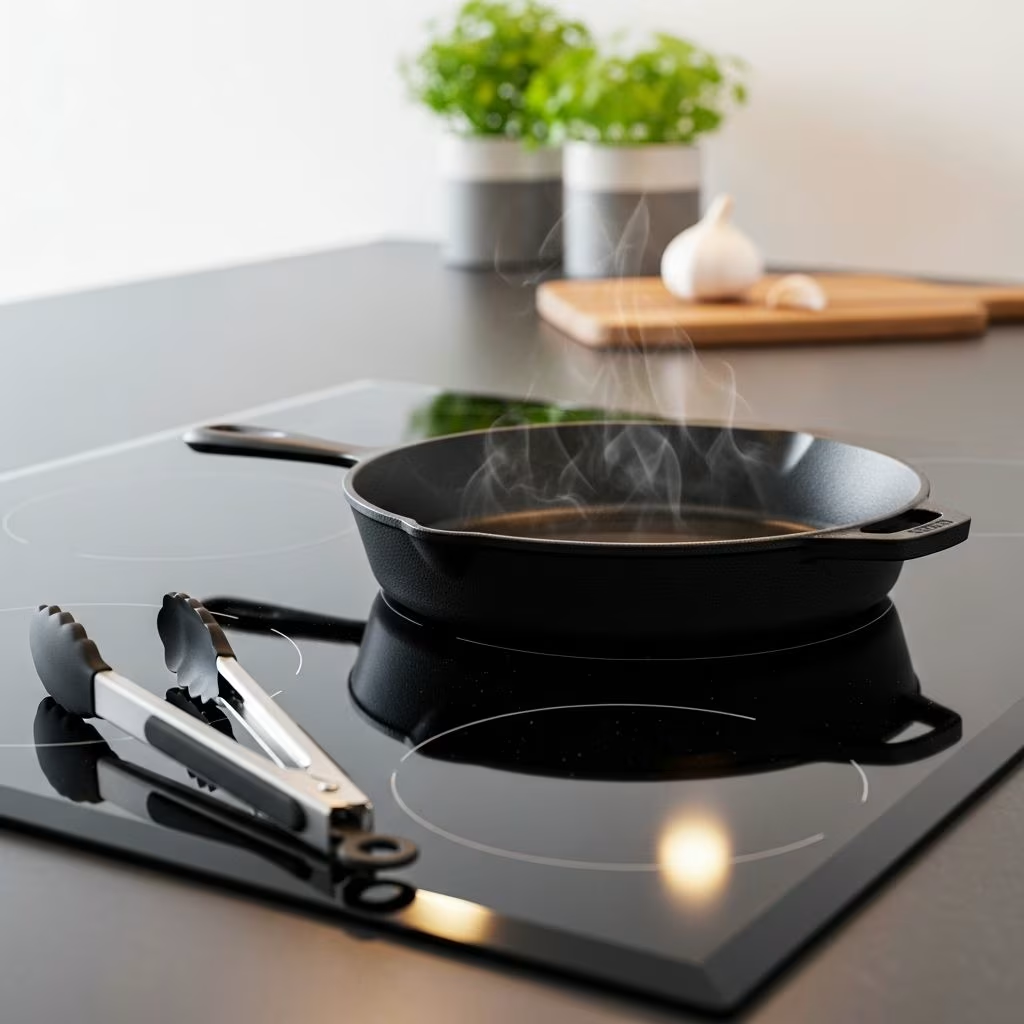
Cast iron’s density allows it to heat slowly and hold temperature steadily, ideal for searing meats or simmering sauces on electric glass cooktops. Unlike lighter materials, it distributes heat evenly once hot, reducing hot spots. Glass stovetops, typically ceramic-glass, conduct heat efficiently from beneath, pairing effectively with cast iron’s properties when precautions are followed.
Essential Preparation Steps Before Cooking
Success starts with readiness. Begin by inspecting your cast iron for manufacturing burrs or rough spots on the bottom; file them smooth to prevent scratches. Thoroughly clean the exterior bottom with hot water and a scraper, removing any oil residue or food particles that could burn onto the glass.
- Wipe dry completely to avoid moisture-related marks.
- Check for seasoning integrity; re-season if needed with a thin oil layer after drying.
- Preheat the stovetop on low before placing the pan to minimize thermal differences.
Proper Placement and Movement Techniques
The weight of cast iron demands gentle handling. Always lift the pan straight up and lower it precisely onto the burner center—never slide or drag, as this grinds particles into the glass, causing permanent scratches.
During cooking, hold the pan steady or use utensils to stir contents without nudging it. If repositioning burners is necessary, lift fully each time. Dropping or banging amplifies risks due to the material’s heft.
Mastering Heat Management for Best Results
Glass electric stoves heat slower than gas, so anticipate longer preheat times for cast iron, which absorbs heat gradually. Start on medium-low, gradually increasing to target temperature for even cooking without stressing the surface.
Avoid rapid temperature shifts: gradually heat to prevent thermal shock, where uneven expansion could crack either the pan or glass. For delicate tasks, consider a heat diffuser between pan and burner for uniform distribution.
Cooking Do’s and Don’ts Table
| Do’s | Don’ts |
|---|---|
| Clean and dry pan bottom before use | Slide or drag pan across surface |
| Lift and place gently | Leave pan on hot stove to cool |
| Preheat gradually | Drop or bang heavy cookware |
| Remove promptly after cooking | Ignore residue buildup |
| Use utensils to move food | Shake pan while stirring |
Cleaning Your Glass Stovetop and Cast Iron Post-Cooking
Right after cooking, transfer the hot cast iron to a trivet or rack to cool, preventing scorch rings on the glass from prolonged contact. Once cooled slightly, clean the pan: scrape residues, add hot water, scrub gently, rinse, and dry on low heat.
For the stovetop, wait until fully cool, then wipe with a damp cloth and mild cleaner. This prevents baked-on spills from hardening. Regular maintenance keeps both surfaces pristine.
Advanced Tips for Frequent Users
Invest in silicone or wooden trivets for resting hot pans. For heavy Dutch ovens, use both hands when lifting. Monitor seasoning—frequent use builds it, but over-oiling leads to gummy buildup that scratches glass.
If scratches appear despite care, they are superficial and don’t affect performance, but buff with cerium oxide polish for aesthetics. Test new pans on low heat first.
Common Myths About Cast Iron and Glass Stoves
- Myth: Cast iron always scratches glass. Fact: Proper handling prevents this; many users cook successfully for years.
- Myth: It’s unsafe due to weight. Fact: Gentle placement mitigates risks, as confirmed by manufacturers.
- Myth: Heat diffusers are mandatory. Fact: Helpful but not essential for clean pans.
Frequently Asked Questions (FAQs)
Can preseasoned cast iron be used right away?
Yes, but inspect and clean the bottom first to remove any factory residues.
Will enameled cast iron damage glass less?
Enameled bottoms are smoother, reducing scratch risk, but still lift—don’t slide.
How do I fix minor glass scratches?
Use a glass cooktop kit with polishing compound; deep ones may need professional repair.
Is induction glass safer with cast iron?
Induction requires magnetic cast iron and heats faster, but same handling rules apply.
What’s the best oil for seasoning?
Flaxseed or grapeseed for durability; apply thinly and bake at 450°F.
Long-Term Benefits of Mindful Cast Iron Use
Adopting these habits extends the life of both your heirloom cast iron and modern glass stove. You’ll enjoy superior flavors from high-heat searing without appliance worries. Experiment with recipes like pan-seared steaks or cornbread, adjusting times for the combo’s slow heat-up.
In summary, vigilance in cleaning, lifting, and timing unlocks the full potential of this pairing. Your kitchen will thrive with these practices.
References
- How to Use a Cast Iron Skillet on a Glass Top Stove — Lake Appliance Repair. 2023. https://lakeappliancerepair.com/blog/cast-iron-skillet-on-a-glass-top-stove/
- 5 Tips for Using Cast Iron on Glass Top Stoves — Rockin W Homestead. 2022. https://rockinwhomestead.com/cast-iron-on-glass-top/
- Can You Put Cast Iron on a Glass-Top Stove or Cooktop? — Maytag. 2024-10-01. https://www.maytag.com/blog/kitchen/cast-iron-on-glass-top-stove.html
- 5 Simple Rules for Using Cast Iron on Glass Top Stoves — YouTube (Transcript). 2023. https://www.youtube.com/watch?v=1isYR38uXDM
- Can You Use Cast Iron on a Glass Cooktop? — Whirlpool. 2024. https://www.whirlpool.com/blog/kitchen/can-you-put-cast-iron-on-glass-cooktop.html