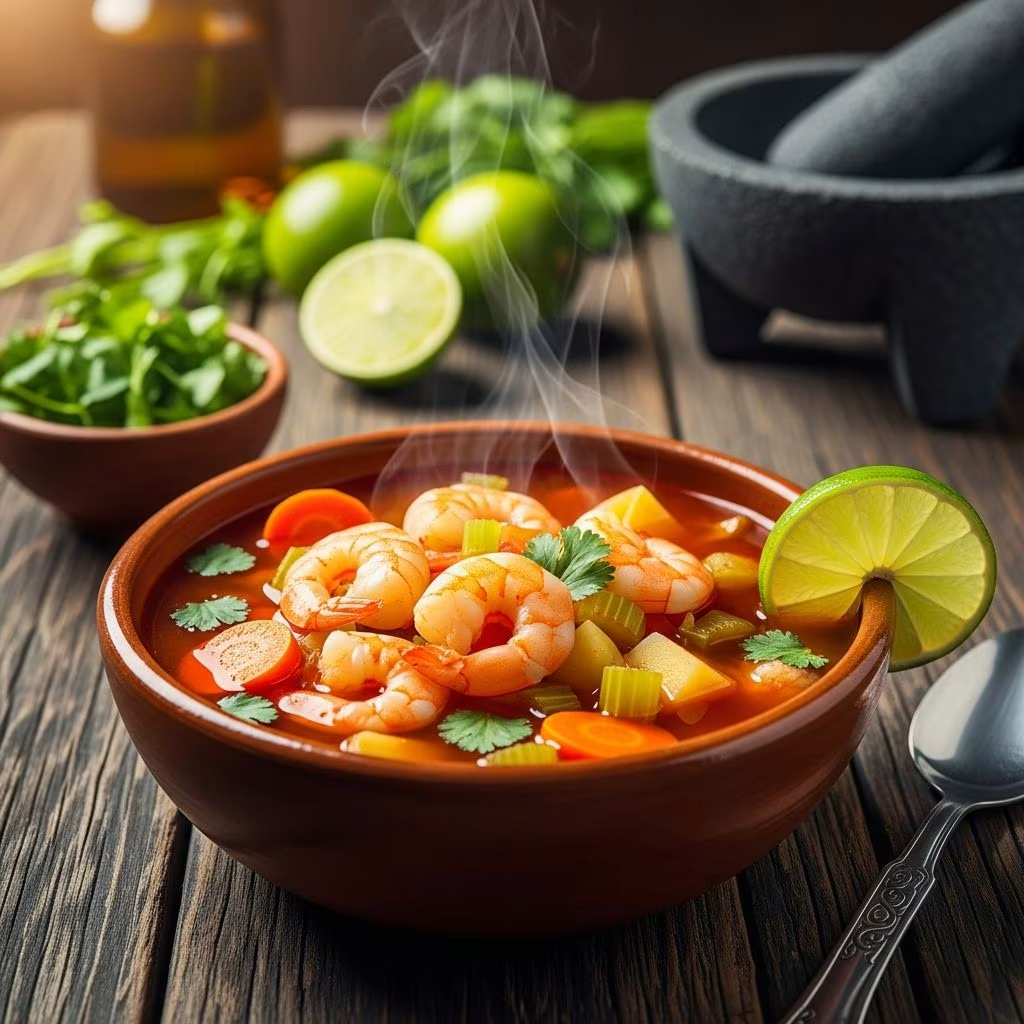
Caldo de camarón stands as a cornerstone of Mexican culinary tradition, blending the sweetness of fresh shrimp with the earthy heat of dried chiles and the freshness of vegetables. This vibrant soup warms the soul on chilly evenings and shines during festive occasions, offering a balance of spice, acidity, and tenderness in every spoonful.
The Roots and Cultural Significance of Caldo de Camarón
Originating from coastal regions of Mexico, particularly Sonora and Baja California, caldo de camarón evolved as a practical way for fishermen to utilize their fresh catch. Families would simmer shrimp shells into a rich stock, infusing it with local chiles and herbs to create a nourishing broth. Over time, it became a staple during Lent, when seafood replaces meat in observance of religious traditions. Today, variations span the country, reflecting regional ingredients like epazote in central Mexico or zucchini in others.
This dish embodies Mexican home cooking: simple yet profound, relying on high-quality seafood and bold seasonings. It’s often served at family gatherings, with each person customizing their bowl with fresh garnishes, much like pozole or birria.
Essential Ingredients for the Perfect Broth
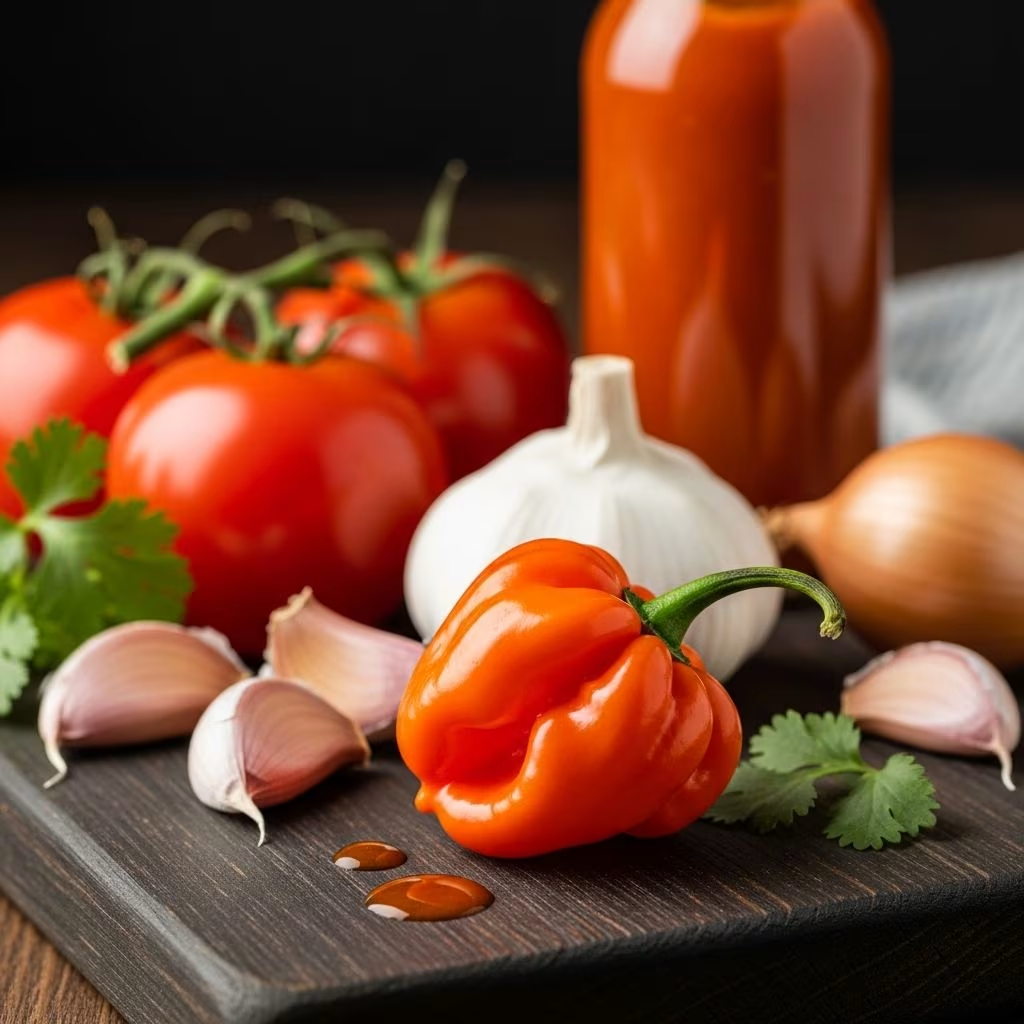
The magic of caldo de camarón lies in its layered flavors, built from a few key components. Start with fresh, shell-on shrimp—the shells and heads are crucial for a deep seafood stock. Dried chiles like guajillo, ancho, or chile de árbol provide the signature smokiness and heat, while tomatoes add brightness and body.
- Shrimp: 1-2 pounds, preferably with shells and heads for stock. Opt for large, fresh shrimp for plump texture.
- Dried Chiles: Guajillo (mild, fruity), chile de árbol (fiery), cascabel or ancho for depth.
- Vegetables: Carrots, potatoes, onion, garlic, and tomatoes form the hearty base.
- Herbs and Spices: Epazote (traditional, citrusy herb), bay leaves, cilantro, Mexican oregano.
- Acids and Garnishes: Limes, fresh cilantro, diced avocado, radishes, chopped onion.
Pro tip: Toast chiles lightly before rehydrating to unlock their oils, intensifying the broth’s aroma.
Step-by-Step Guide to Crafting Caldo de Camarón
Preparing this soup involves two main phases: building a robust stock and assembling the soup. Allow about 1-1.5 hours for a pot that serves 4-6.
Step 1: Prepare the Shrimp Stock
Peel and devein 2 pounds of shrimp, reserving shells and heads. In a large pot, sauté onion quarters, garlic cloves, and a bay leaf in oil until fragrant. Add shells, cover with 8-10 cups water, and simmer 20-30 minutes. Strain for a clear, flavorful base.
Step 2: Make the Chile Puree
Toast 4-6 dried guajillo and 2-3 chile de árbol in a dry pan for 1-2 minutes. Soak in hot water 20 minutes, then blend with roasted tomatoes, garlic, and a pinch of salt until smooth. Sauté this paste in oil with diced onion to deepen flavors.
Step 3: Simmer the Vegetables and Finish
Combine stock and chile puree in the pot. Add diced carrots, potatoes (1 pound total), and optional zucchini or corn. Simmer 15-20 minutes until tender. Stir in raw shrimp, cooking 2-3 minutes until pink and opaque. Finish with lime juice, epazote, and salt to taste.
Serve steaming hot with lime wedges on the side for squeezing.
Regional Variations Across Mexico
Mexico’s diversity shines in caldo de camarón adaptations. In Sinaloa, expect spicier versions with more chile de árbol and fresh serranos. Sonora favors a clearer broth with minimal tomatoes, emphasizing shrimp purity. Central regions incorporate chipotle for smokiness, while Baja adds celery and corn for sweetness.
| Region | Key Twist | Signature Add-In |
|---|---|---|
| Sonora/Baja | Light tomato base | Epazote, minimal veggies |
| Sinaloa | Extra spicy | Chile de árbol, serranos |
| Central Mexico | Smoky depth | Chipotle adobo, zucchini |
| Coastal Yucatán | Tropical flair | Coconut milk trace, habanero |
Experiment to match your pantry—substitute ancho for guajillo if milder heat is preferred.
Pro Tips for Elevating Your Soup
- Shrimp Selection: Buy head-on shrimp from trusted seafood markets for superior stock. Frozen works if thawed properly.
- Chile Balance: Seed chiles to control heat; taste the puree before adding to broth.
- Herb Swap: No epazote? Cilantro or oregano delivers similar freshness.
- Make-Ahead: Stock freezes well; prepare puree days in advance.
- Thickening: Mash some potatoes into the broth for natural body without cornstarch.
Avoid overcooking shrimp to prevent toughness—add them last and remove from heat promptly.
Pairing Suggestions and Serving Styles
Caldo de camarón pairs beautifully with warm corn tortillas, bolillos, or rice. For drinks, try micheladas (beer with lime and clamato) or chilled agua fresca like horchata to cut the spice.
Garnish generously: lime prevents oxidation on avocado, while pickled onions add crunch. During Lent, it’s meat-free perfection; otherwise, top with shredded chicken for heartiness.
Nutrition and Health Benefits
Per serving (about 1.5 cups): roughly 250 calories, 30g protein, low fat from shrimp. Tomatoes provide lycopene, carrots offer beta-carotene, and chiles boost metabolism with capsaicin. It’s gluten-free, dairy-free, and customizable for low-carb by skipping potatoes.
Common Mistakes and How to Avoid Them
- Skipping the stock: Water dilutes flavor—always use shells.
- Bitter chiles: Over-toasting causes bitterness; watch closely.
- Soggy veggies: Add in stages—carrots first, potatoes later.
- Under-seasoning: Taste iteratively; salt enhances shrimp sweetness.
Frequently Asked Questions (FAQs)
Can I use frozen shrimp?
Yes, thaw completely and pat dry. Shells still make good stock, though fresh is ideal.
Is caldo de camarón spicy?
Moderately—adjust chiles. Chile de árbol adds heat; remove seeds for mild.
Vegetarian version?
Swap shrimp for mushrooms or hearts of palm; use veggie bouillon.
How long does it keep?
3-4 days refrigerated; freeze up to 2 months. Reheat gently to avoid tough shrimp.
What’s epazote, and where to find it?
A pungent Mexican herb; sub cilantro. Available at Latin markets or online.
Recipe Card: Classic Caldo de Camarón
Ingredients (Serves 6)
- 2 lbs shell-on shrimp
- 4 guajillo chiles
- 2 chile de árbol
- 4 tomatoes, roasted
- 2 carrots, diced
- 2 potatoes, diced
- 1 onion, 3 garlic cloves
- Epazote sprigs, bay leaf
- Limes, cilantro for garnish
Instructions
- Make stock from shells: simmer 30 min, strain.
- Blend rehydrated chiles with tomatoes.
- Sauté onion, add puree and stock, veggies; simmer 15 min.
- Add shrimp 2-3 min; finish with lime.
Prep: 20 min | Cook: 45 min | Total: 1 hr
Mastering caldo de camarón brings Mexican coastal flavors to your table effortlessly. Its versatility invites personalization, ensuring every bowl tells a story of tradition and taste.
References
- Caldo de Camaron (Mexican Shrimp Soup) — Chili Pepper Madness. 2023-05-15. https://www.chilipeppermadness.com/recipes/caldo-de-camaron/
- Caldo De Camaron (Mexican Shrimp Soup) — GypsyPlate. 2022-11-10. https://gypsyplate.com/caldo-de-camaron/
- Caldo de Camaron Receta – Mexican Shrimp Soup Recipe — Honest Food. 2021-08-20. https://honest-food.net/caldo-de-camaron-receta/
- How to make Caldo de Camarón Mexican Shrimp Soup — Mexico in My Kitchen. 2020-03-05. https://www.mexicoinmykitchen.com/mexican-shrimp-soup/
- Caldo de Camaron (Mexican Shrimp Soup) — Palatable Pastime. 2019-11-15. https://palatablepastime.com/2019/11/15/caldo-de-camaron/