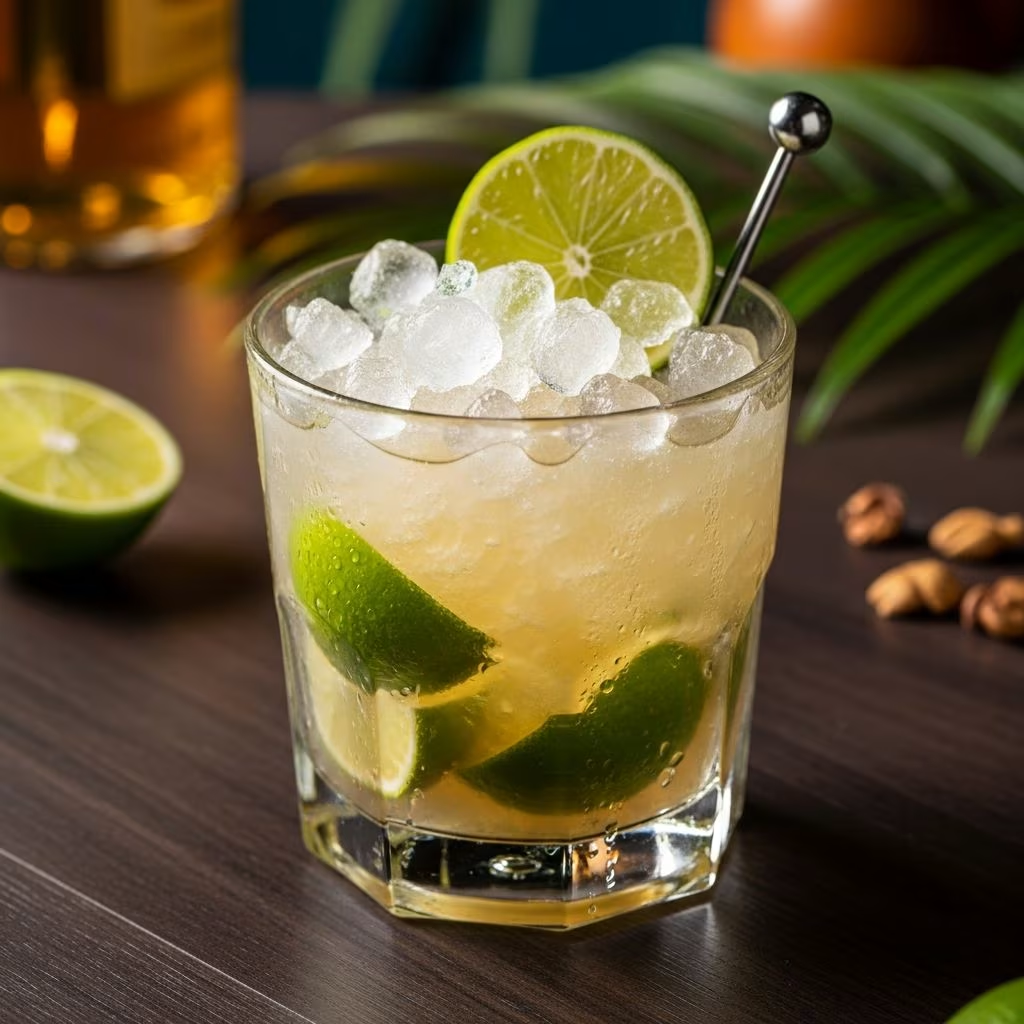
The caipirinha stands as Brazil’s most iconic cocktail, embodying simplicity, refreshment, and cultural heritage in a single glass. This beloved drink has transcended its origins to become a global favorite, enjoyed in beachside bars and home gatherings across the world. What makes the caipirinha so special is its elegant simplicity—just a handful of quality ingredients combined through a straightforward technique yield a remarkably balanced and satisfying beverage.
Understanding Cachaça: The Spirit Behind Brazil’s National Cocktail
At the heart of every authentic caipirinha lies cachaça, a distinctive Brazilian spirit that distinguishes this cocktail from similar drinks found in other cultures. Cachaça is a distilled liquor produced through the fermentation of raw sugarcane juice, setting it apart from rum, which is typically made from molasses. The result is a spirit with unique flavor characteristics that range from grassy and vegetal notes in unaged varieties to complex, aged profiles in premium expressions.
The production of cachaça dates back centuries, with the spirit becoming deeply woven into Brazilian identity and tradition. Understanding cachaça’s flavor profile is essential for crafting an exceptional caipirinha. Quality matters significantly when selecting your cachaça, as the spirit comprises a substantial portion of the final drink. Premium cachaça brands offer superior smoothness and more nuanced flavors compared to lower-quality alternatives, ultimately elevating the entire cocktail experience.
The Historical Journey: From Medicinal Remedy to Social Beverage
The caipirinha’s origins reveal an interesting evolution from practical remedy to celebrated social drink. Around 1918, Portuguese healers began mixing strong spirits with garlic, lemon, and honey to create a home remedy for treating colds and various ailments. Brazilian practitioners adopted this practice but substituted their local cachaça for imported spirits. Over time, as sugarcane plantations flourished throughout Brazil, honey gradually gave way to abundant cane sugar as the sweetening agent. The medicinal concoction gradually shed its garlic component, transforming into a more palatable beverage.
As the modern version developed, people began enjoying this refreshing mixture at social gatherings and celebrations rather than solely for therapeutic purposes. What had begun as a pharmaceutical solution became a cherished recreational drink, eventually earning its place as Brazil’s national cocktail. This transformation reflects how food and drink traditions evolve when they transition from necessity to pleasure, often becoming more refined in the process.
Essential Ingredients for Authentic Preparation
Creating an exceptional caipirinha requires careful attention to ingredient selection. The trinity of components—cachaça, lime, and sugar—forms the complete foundation, with ice serving as the fourth essential element for proper chilling and dilution.
Fresh Limes: The quality of your limes directly impacts the drink’s character. Choose firm, fragrant limes free from blemishes. Fresh limes yield abundant juice and provide bright citrus notes that balance the spirit’s strength. Most recipes call for one whole lime per cocktail, cut into quarters or eighths for muddling.
Premium Cachaça: Select cachaça from reputable Brazilian distilleries. Unaged white cachaça provides a clean, direct flavor that lets the lime and sugar shine, while aged varieties add complexity and smoothness. The choice depends on personal preference and the drinking occasion.
Quality Sugar: Standard granulated cane sugar works perfectly for traditional preparation. Some bartenders prefer superfine sugar for faster dissolution, while others advocate for muscovado or demerara sugar to add subtle molasses notes. The amount typically ranges from one and a half to five teaspoons per drink, depending on lime juiciness and personal sweetness preference.
Crushed Ice: Crushed ice or small ice cubes are preferable to large cubes. Smaller ice pieces chill the drink more efficiently while allowing proper integration of ingredients during stirring.
Mastering the Traditional Preparation Technique
The preparation method for a classic caipirinha involves several deliberate steps that maximize flavor extraction and proper ingredient integration.
- Prepare the Lime: Wash your lime thoroughly and cut it into quarters or eighths, removing the central pith if preferred. The pith can introduce bitterness, though many traditional recipes include it for added complexity.
- Muddle with Precision: Place lime pieces and sugar in a sturdy glass or cocktail shaker. Using a muddler—or alternatively a wooden spoon—gently press the lime against the glass or shaker walls. The goal is to extract maximum juice while gently releasing oils from the lime skin, not to pulverize the fruit into mush. This typically takes about 30 seconds to one minute.
- Add the Spirit: Pour approximately two ounces of cachaça into the glass. Two ounces represents the standard pour, though some recipes suggest up to four ounces for stronger versions.
- Stir and Dissolve: Stir the mixture gently for approximately two minutes, ensuring the sugar fully dissolves and integrates with the lime juice and spirit. Proper stirring is crucial for achieving balanced flavors throughout the drink.
- Fill with Ice: Add crushed ice to fill the glass completely. The ice serves both to chill the beverage and to maintain its temperature as it’s consumed.
- Final Garnish: Many bartenders finish with a lime wheel or slice placed on the rim for visual appeal and aromatic enhancement.
Exploring Creative Fruit Variations
While the traditional lime version remains supreme, contemporary bartenders and home enthusiasts have developed delicious fruit-forward alternatives that maintain the caipirinha’s essential character while introducing new dimensions of flavor.
Strawberry Caipirinha
Strawberry variations introduce natural sweetness and a beautiful rosy hue to the cocktail. Use two large fresh strawberries, halved, along with half a lime cut into quarters. Muddle the fruits together with one tablespoon of sugar, then proceed with the standard preparation. The berries’ natural sugars mean you may need less added sugar, particularly with very ripe strawberries. This variation pairs exceptionally well with afternoon entertaining and summer celebrations.
Mango Caipirinha
Mango’s tropical character complements cachaça beautifully, creating a drink that evokes beach vacations and sunshine. Cut fresh mango into small half-inch cubes—you’ll need approximately eight pieces. Combine with half a lime, cut into quarters, and adjust sugar to one and a half tablespoons, reducing it if the mango is particularly ripe and sweet. The mango adds a luxurious creaminess to the mouthfeel while maintaining brightness.
Pineapple Caipirinha
Fresh pineapple chunks introduce tartness and tropical notes alongside pineapple’s natural sweetness. Use approximately ten half-inch chunks of fresh pineapple combined with half a lime and one tablespoon of sugar. The acidity in pineapple means you may achieve excellent balance without additional lime juice. This variation proves especially popular in beachside settings and tropical venues.
Kiwi Caipirinha
The kiwi variation offers bright green color and distinctive tartness. Half of a large kiwi, cut into chunks, combines with half a lime and one tablespoon of sugar. Kiwi’s natural pectin creates slight viscosity in the drink, giving it a luxurious texture. This less conventional variation appeals to adventurous cocktail enthusiasts seeking something distinctive.
Perfecting Your Technique: Expert Tips for Superior Results
Several professional techniques elevate caipirinha preparation beyond basic execution:
- Use a wooden muddler rather than metal, which can impart unwanted flavors and may damage quality glassware
- Apply gentle pressure when muddling to extract juice without crushing the lime severely
- Chill your glass beforehand by filling it with ice for several minutes before preparation
- Consider adding a tiny pinch of sea salt to enhance the lime’s brightness and complexity
- Always taste your drink before serving and adjust sugar or lime juice according to personal preference
- Serve immediately after preparation for optimal temperature and flavor integration
- Use only fresh limes—bottled lime juice produces inferior results that cannot replicate fresh citrus brightness
Serving and Pairing Suggestions
The caipirinha’s refreshing character and moderate alcohol content make it exceptionally versatile for various occasions and meal pairings. The drink complements grilled foods beautifully, making it ideal for barbecue gatherings and outdoor entertaining. The lime’s acidity and cachaça’s spirit clean palates between bites of rich proteins, while the drink’s cooling properties provide relief in warm weather settings.
For afternoon gatherings, caipirinhas create a festive atmosphere that encourages relaxation and social connection. The cocktail’s Brazilian heritage lends a tropical, vacation-like ambiance to any setting. Serve multiple variations to interested guests, allowing them to discover personal preferences. Batch preparation works well for larger gatherings—simply multiply the ingredient quantities and prepare in a pitcher, stirring thoroughly before serving over individual ice.
Frequently Asked Questions About Caipirinha
What distinguishes cachaça from rum?
Cachaça is distilled from fresh sugarcane juice, while rum is typically made from molasses. This fundamental difference produces distinct flavor profiles, with cachaça offering grassier, more vegetal notes compared to rum’s deeper molasses character.
Can I prepare caipirinha in advance?
It’s best to prepare caipirinhas immediately before serving. Pre-mixing causes the lime to become over-extracted, potentially introducing unpleasant bitter qualities. However, you can prepare a batch by combining lime pieces, sugar, and cachaça in a pitcher, then adding individual portions to glasses with fresh ice when ready to serve.
Should I shake or stir a caipirinha?
Traditional preparation involves stirring gently for approximately two minutes. However, some contemporary bartenders prefer shaking with ice for additional chilling and integration. Both methods produce excellent results—choose based on personal preference and desired texture.
What sugar types work best?
Standard granulated cane sugar is traditional and widely accessible. Superfine sugar dissolves quickly without additional stirring. Brown or muscovado sugar adds subtle molasses complexity, though it may slightly obscure the drink’s brightness. Experiment to discover your preferred sweetness profile.
How can I reduce the alcohol intensity?
Simply reduce the cachaça quantity from two ounces to one and a half ounces. Add additional lime juice or a splash of sparkling water to maintain the drink’s volume and refreshing character while creating a lighter version.
References
- How to Make Caipirinha — Brazilian Kitchen Abroad. https://braziliankitchenabroad.com/how-to-make-caipirinha/
- How to Make Caipirinha (Classic Recipe + 4 Fruit Variations) — Everyday Delicious. https://www.everyday-delicious.com/how-to-make-caipirinha/
- Caipirinha Cocktail (3-Ingredient Recipe) — Zestful Kitchen. https://zestfulkitchen.com/caipirinha-recipe/
- Classic Caipirinha – Latin Cocktails — Laylita’s Recipes. https://www.laylita.com/recipes/classic-caipirinha-recipe/
- Quintessential Caipirinha Summer Cocktail Recipe — Go Epicurista. https://goepicurista.com/quintessential-caipirinha-summer-cocktail-recipe/