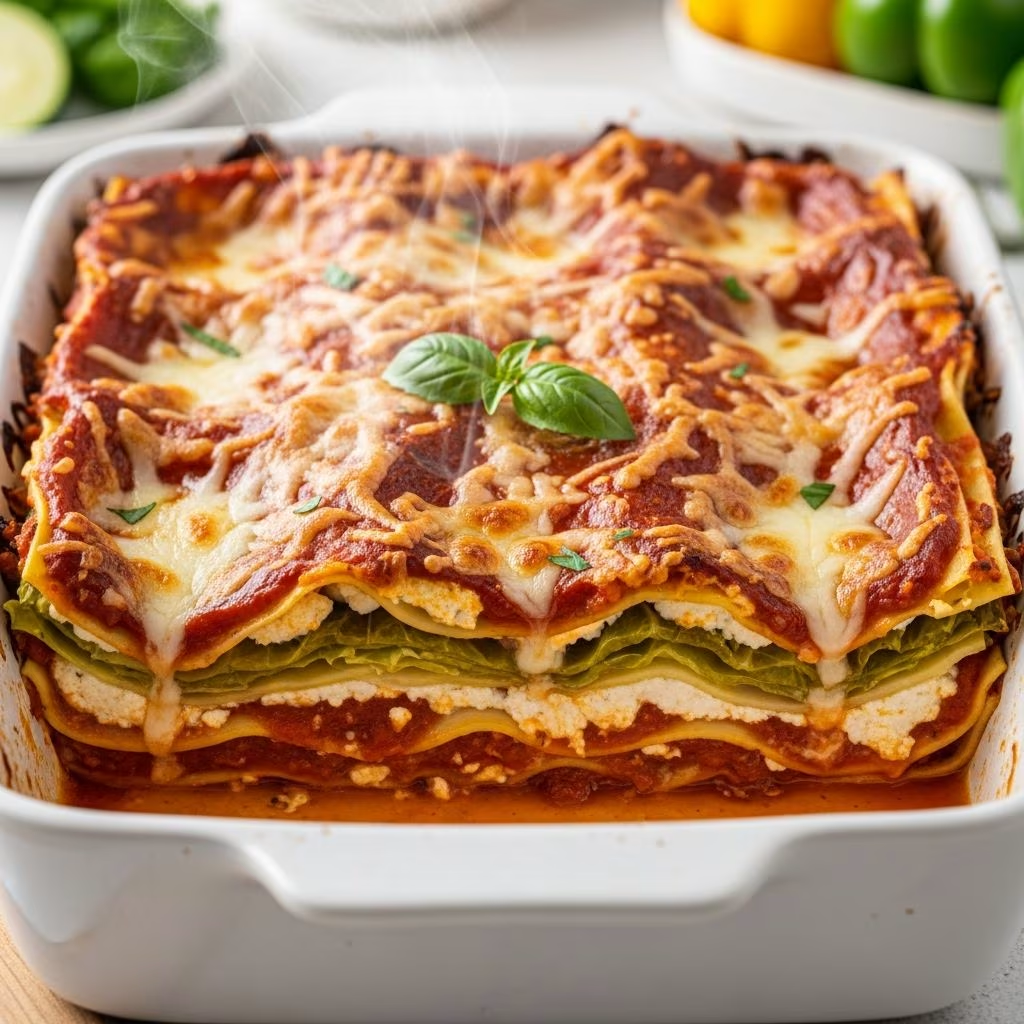
Traditional lasagna has long been a beloved dish across countless households, but for those following low-carbohydrate or ketogenic dietary approaches, enjoying this Italian classic often comes with compromise. Enter cabbage lasagna—an innovative solution that replaces pasta sheets with tender cabbage leaves while preserving all the delicious layers of meat sauce, creamy cheese mixtures, and melted mozzarella that make lasagna so satisfying. This adaptation not only maintains authentic flavors but also significantly reduces the carbohydrate content, making it suitable for various dietary preferences without sacrificing taste or satisfaction.
Why Cabbage Makes an Excellent Pasta Substitute
Cabbage serves as an ideal replacement for traditional lasagna noodles for several compelling reasons. When properly prepared, cabbage leaves develop a tender texture that mimics cooked pasta, providing a familiar mouthfeel that traditional lasagna enthusiasts appreciate. The natural structure of cabbage leaves creates distinct layers within the dish, allowing sauce and cheese to integrate seamlessly between each stratum. Additionally, cabbage is remarkably versatile and accepts flavoring from surrounding ingredients without overpowering the palate, making it an unobtrusive vehicle for the robust meat sauce and rich cheese filling.
From a nutritional standpoint, cabbage offers substantial advantages. A cup of cooked cabbage contains only approximately 6 grams of carbohydrates compared to 20 grams in a standard serving of pasta. Furthermore, cabbage delivers significant fiber content, supporting digestive health while contributing to satiety—meaning diners feel fuller for longer despite consuming fewer calories. This nutrient profile makes cabbage lasagna particularly appealing to individuals adhering to ketogenic, Atkins, or other carbohydrate-restricted dietary frameworks.
Essential Ingredients for Cabbage Lasagna Preparation
The Vegetable Foundation
Begin with one medium to large head of cabbage, selecting varieties like green or napa cabbage. The cabbage head should feel firm with unblemished outer leaves. Avoid overly dense heads that may resist tenderizing during the cooking process.
The Protein and Sauce Components
Most recipes call for two to three pounds of ground meat—typically ground beef, though ground pork, Italian sausage, or combinations thereof work excellently. The meat forms the foundation of a savory sauce that permeates each layer. To this, add one medium onion (finely minced), three to six cloves of garlic (minced), and twenty-four to forty ounces of marinara sauce. For those strictly monitoring carbohydrate intake, selecting a no-sugar-added marinara sauce becomes particularly important, as many commercial varieties contain added sugars that accumulate across a full serving.
The Cheese Layers
Cheese constitutes the creamy, binding element throughout the lasagna. Gather sixteen to thirty-two ounces of ricotta cheese (depending on layering preference), two to four cups of shredded mozzarella cheese, and one to two cups of grated Parmesan cheese. Many recipes incorporate fresh herbs like basil or dried parsley to elevate the cheese mixture with aromatic complexity.
Binding and Seasoning Elements
One to three large eggs bind the ricotta and cheese mixture, creating a cohesive filling that holds its structure during baking. Kosher salt, black pepper, dried oregano, and Italian seasoning round out the seasoning profile, though adjustments based on personal preference are encouraged.
Comprehensive Step-by-Step Preparation Method
Cabbage Preparation Phase
Begin by removing the core from your cabbage using a sharp knife or coring tool. Carefully peel away individual leaves, working from the outside toward the center. Prepare a large pot of salted boiling water—the salt enhances flavor and helps the cabbage cook more evenly. Submerge the cabbage leaves in this water and allow them to simmer for approximately ten to fifteen minutes. The leaves should become noticeably tender and pliable, but avoid overcooking them to the point of mushiness, as they need structural integrity to form proper lasagna layers.
Once cooked, drain the cabbage leaves thoroughly and spread them on clean kitchen towels. Gently blot excess moisture from both sides of each leaf—this step proves crucial because excess water can compromise the final dish’s texture and cause it to become watery rather than creamy. Allow the leaves to cool to a manageable temperature before proceeding.
Meat Sauce Development
Heat a large skillet or Dutch oven over medium-high heat. Add your ground meat and break it into small pieces using a wooden spoon, stirring frequently until completely browned—typically eight to ten minutes. For leaner meat varieties, add approximately one tablespoon of neutral oil to prevent sticking, though fattier ground beef or sausage releases sufficient fat naturally.
Once the meat has browned, add your minced onion and garlic, stirring constantly for one to two minutes until fragrant. This brief cooking period allows the aromatics to release their flavors while maintaining their textural integrity. Pour in your marinara sauce and stir thoroughly to combine all elements. Simmer the sauce over medium-low heat for approximately ten minutes, allowing flavors to meld and sauce consistency to thicken slightly. This process reduces excess liquid and concentrates the sauce’s flavor profile.
Cheese Mixture Assembly
While the sauce simmers, prepare your cheese filling by combining ricotta, eggs, grated Parmesan, most of your mozzarella (reserving some for topping), and fresh or dried herbs in a large mixing bowl. Stir until thoroughly integrated, creating a uniform mixture. Taste the mixture and adjust seasoning as needed, keeping in mind that Parmesan brings substantial saltiness.
Layering and Assembly
Preheat your oven to 350°F (175°C) and prepare a nine-by-thirteen-inch baking dish by lightly coating it with cooking spray or oil. Begin layering by spreading a thin layer of meat sauce across the dish bottom—approximately one-half to three-quarter cup. This base layer prevents sticking and ensures even cooking. Arrange cabbage leaves in a single layer over the sauce, overlapping slightly for complete coverage.
Spread half of your cheese mixture over the cabbage layer, distributing it evenly. Top the cheese with half of your remaining meat sauce, spreading to cover most of the cheese. Finish this layer by sprinkling half of your reserved mozzarella over the sauce. Repeat this entire sequence: cabbage leaves, cheese mixture, meat sauce, and mozzarella. Crown the final layer with cabbage leaves, followed by any remaining sauce and a generous top layer of mozzarella and Parmesan.
Baking and Finishing
Cover the baking dish with aluminum foil and bake for thirty to forty minutes. Remove the foil and continue baking for an additional ten to fifteen minutes until the cheese on top turns golden brown and bubbles appear around the edges. If you prefer an even crispier top, place the lasagna under the broiler for two to three minutes, watching carefully to prevent burning. Remove from the oven and allow the dish to rest for five to ten minutes before slicing—this resting period allows layers to set, preventing them from sliding apart when portioned.
Variations and Customization Options
| Ingredient Variable | Traditional Approach | Alternative Options |
|---|---|---|
| Ground Meat | Ground beef | Ground pork, Italian sausage, ground turkey, or combinations |
| Sauce Type | Marinara sauce | Bolognese, arrabbiata, or homemade tomato sauce |
| Cheese Filling | Ricotta-based | Cottage cheese blend or mascarpone mixture |
| Vegetables Added | Onion and garlic | Mushrooms, spinach, zucchini, or bell peppers |
| Topping Cheese | Mozzarella and Parmesan | Additional Parmesan, Romano, or fresh mozzarella |
Creative cooks can personalize cabbage lasagna to reflect their tastes and dietary needs. Some prefer substituting portions of the ground meat with finely chopped mushrooms for additional umami depth. Others incorporate fresh spinach into the cheese mixture or layer sautéed vegetables between sauce and cabbage. Adventurous cooks might experiment with spicy Italian sausage, truffle oil drizzled over the cheese filling, or fresh basil layered throughout. The flexibility of this dish ensures it accommodates diverse palates and ingredient preferences.
Storage, Reheating, and Make-Ahead Strategies
Cabbage lasagna offers exceptional convenience for meal preparation. After the dish cools to room temperature, cover it with plastic wrap or transfer individual portions into airtight containers. Refrigerated lasagna maintains quality for four to five days, making it ideal for weekly meal planning. For longer storage, freeze portions in freezer-safe containers for up to three months. When reheating refrigerated lasagna, cover it loosely with foil and warm in a 350°F oven for approximately twenty minutes, or until heated through. Frozen portions may require forty-five minutes to an hour. Alternatively, reheat individual portions in the microwave for two to three minutes, checking partway through to ensure even heating.
For ultimate convenience, assemble the lasagna completely through the layering stage, cover it, and refrigerate overnight before baking. This approach allows flavors to meld while reducing active cooking time when you’re ready to serve. Simply add approximately ten minutes to the baking time if baking directly from refrigerated storage.
Nutritional Profile and Dietary Considerations
A typical serving of cabbage lasagna contains dramatically fewer carbohydrates than traditional pasta-based lasagna, often delivering only six to eight grams of carbs per serving compared to thirty-five to forty grams in conventional versions. The protein content remains substantial, typically fifteen to twenty grams per serving from the meat, cheese, and eggs. Fat content aligns with most ketogenic macronutrient targets, supporting satiety and sustained energy levels.
The cabbage provides substantial fiber—approximately two to three grams per serving—which supports digestive health and blood sugar stability. Additionally, cabbage contains vitamin C, vitamin K, and various antioxidants that contribute to overall nutritional value beyond simple macronutrient metrics.
Troubleshooting Common Challenges
Watery consistency: Ensure thorough draining and blotting of cooked cabbage leaves. Excess moisture from the vegetable is the primary culprit for diluted sauce.
Tough cabbage leaves: Extend boiling time by a few minutes or use a fork to test tenderness. Leaves should be pliable enough to layer without cracking.
Layers sliding apart during slicing: Allow adequate resting time after baking—at least ten minutes. This permits cheese to set and layers to firm up.
Dry or brown top before interior is cooked: Cover with foil for the majority of baking time, removing it only for the final ten to fifteen minutes. This prevents surface burning while interior continues cooking.
Bland flavor: Taste your cheese mixture and sauce before assembling. Adjust seasoning generously—many home cooks under-season out of caution, but lasagna benefits from robust flavoring.
Frequently Asked Questions
Can I make cabbage lasagna in a slow cooker?
While slow cooking is possible, the results differ significantly from traditional oven baking. Layer ingredients in a slow cooker, set to low heat, and cook for four to five hours. However, cheese layers may not achieve the desired browning or creamy texture, so oven baking remains the recommended method.
Is cabbage lasagna truly keto-friendly?
Yes, when using no-sugar-added marinara sauce and standard dairy products, cabbage lasagna fits comfortably within ketogenic macronutrient targets. A typical serving contains fewer than ten grams of carbohydrates.
What’s the best way to feed this to skeptics?
Serve cabbage lasagna without initially mentioning the cabbage substitution. Most diners recognize comforting lasagna flavors and textures without identifying the vegetable component. Once they’ve enjoyed it, reveal the secret ingredient.
Can I use napa cabbage instead of green cabbage?
Absolutely. Napa cabbage’s more tender structure sometimes requires slightly less cooking time, but it layers beautifully and provides a milder flavor profile.
How does this compare nutritionally to traditional lasagna?
Cabbage lasagna typically contains seventy to eighty percent fewer carbohydrates while maintaining comparable protein and satisfying qualities, making it substantially more aligned with low-carbohydrate and ketogenic dietary goals.
References
- United States Department of Agriculture (USDA) FoodData Central — USDA. 2024. https://fdc.nal.usda.gov/
- Academy of Nutrition and Dietetics Evidence Analysis Library — Academy of Nutrition and Dietetics. 2024. https://www.andeal.org/