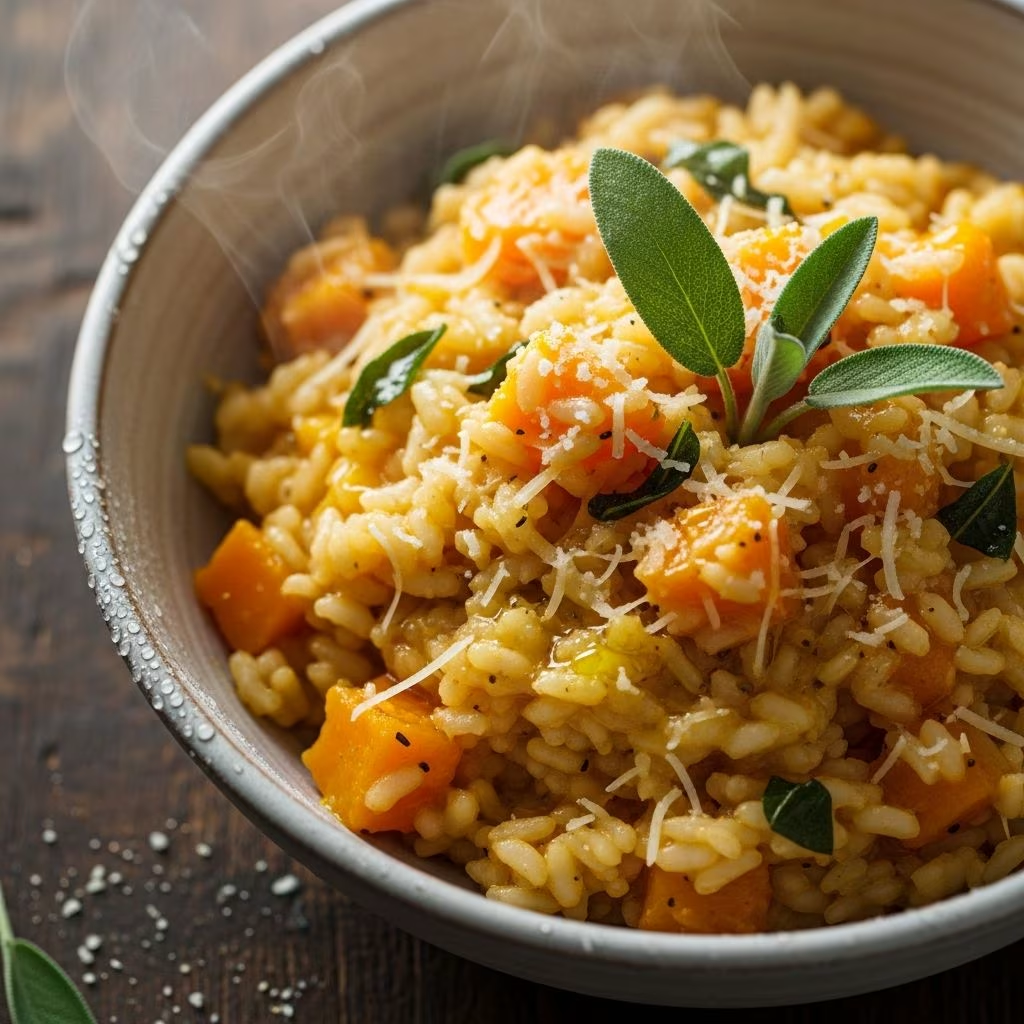
Butternut squash risotto represents one of the most elegant yet approachable dishes in the autumn cooking repertoire. This Italian-inspired creation combines the creamy texture of properly cooked risotto with the natural sweetness and earthiness of roasted butternut squash. Whether you’re planning a dinner party or seeking comfort food for a quiet evening at home, mastering this dish elevates your cooking skills significantly.
Understanding the Foundation: What Makes Risotto Special
Risotto stands apart from other rice dishes because of its unique cooking method and the specific rice variety used. Unlike pilaf or steamed rice, risotto requires constant attention and gradual liquid addition, creating a naturally creamy consistency without the addition of heavy cream. This technique, known as the Mantuan method, relies on releasing the starch from the rice grains, which creates the signature silky texture that defines exceptional risotto.
The choice of rice is paramount to success. Arborio rice remains the most popular choice for risotto preparation. This short-grain Italian variety possesses a higher starch content and maintains its structure during the cooking process while still releasing enough starch to create creaminess. Alternative options include Carnaroli and Vialone Nano rice, both of which offer similar characteristics and work beautifully in this dish.
Selecting and Preparing Your Butternut Squash
The butternut squash you choose significantly impacts the final dish’s flavor profile and texture. Select squashes that feel heavy for their size and display a uniform tan color. Avoid any with soft spots or blemishes. A medium to large butternut squash, typically weighing between 1.5 to 2.5 pounds, provides adequate quantities for most risotto recipes.
Preparation begins with washing the squash thoroughly under running water. Using a sharp vegetable peeler or chef’s knife, carefully remove the tough outer skin. Cut the squash in half lengthwise and scoop out the seeds using a sturdy spoon. The seeds can be reserved for roasting separately as a garnish.
For risotto applications, cut the squash into small, uniform cubes. Aim for roughly 1/4-inch to 1/2-inch pieces, ensuring they cook through during the risotto preparation process. Smaller pieces integrate more seamlessly into the finished dish, while slightly larger pieces provide textural contrast. Some preparations call for roasting the squash separately before adding it to the risotto, which concentrates flavors and creates caramelized edges.
The Art of Roasting: Building Depth of Flavor
Roasting butternut squash separately before incorporating it into the risotto transforms the final dish. This preliminary step caramelizes the natural sugars in the squash, deepening its inherent sweetness and adding complexity to the overall flavor profile.
To roast butternut squash properly, toss the cubed pieces with olive oil, kosher salt, and freshly ground black pepper. Spread them in a single layer on a baking sheet lined with parchment paper. Roast at 400°F for 30 to 35 minutes, stirring occasionally to ensure even browning. The squash should be tender when pierced with a fork and display golden-brown caramelization on the edges. This preparatory step can be completed several hours in advance, allowing you to focus on the risotto preparation when ready to cook.
Essential Ingredients and Flavor Profiles
Beyond the rice and squash, several components work together to create a well-balanced risotto:
- Aromatics: Yellow onions or shallots provide a savory foundation. Finely chop approximately one medium onion or two large shallots. Garlic adds additional depth; two to three cloves minced or pressed contribute richness without overpowering other flavors.
- Liquid Base: Vegetable broth works beautifully for vegetarian preparations, while chicken broth adds subtle poultry notes. Maintain the broth at a gentle simmer throughout cooking to ensure consistent temperature and optimal rice absorption. Plan for approximately four to five cups of broth for one and a half cups of uncooked rice.
- Wine: Dry white wine, added after toasting the rice, introduces acidity and complexity. The alcohol content evaporates during cooking, leaving behind subtle fruity notes. Approximately one-half cup suffices for a standard recipe.
- Dairy and Cheese: Unsalted butter, added at the end of cooking, enriches the risotto and contributes to its creamy texture. Freshly grated Parmesan cheese provides umami depth and additional creaminess. Some preparations incorporate Pecorino Romano for sharper flavor notes.
- Herbs: Fresh sage, rosemary, or thyme complement butternut squash beautifully. Sage particularly enhances the earthy qualities of the squash. Fresh herbs can be infused into the broth, fried until crispy for garnish, or stirred in just before serving.
Step-by-Step Cooking Technique
Initiating the Base
Begin by heating one tablespoon of extra-virgin olive oil in a large, heavy-bottomed saucepan or wide skillet over medium heat. Add your chopped onions or shallots, along with a pinch of kosher salt and freshly ground black pepper. Cook for approximately three to four minutes, stirring occasionally, until the aromatics soften and become translucent. They should be fragrant but not browned.
Toasting the Rice
Add the uncooked Arborio rice to the softened aromatics, stirring constantly for one to two minutes. This toasting step, though brief, coats each grain with oil and develops a subtle nuttiness that enhances the overall flavor. The grains should appear slightly translucent around their edges when properly toasted.
Deglazing with Wine
Pour in your dry white wine, stirring constantly. The rice will absorb the liquid while you stir, and the wine should largely evaporate within one to three minutes. You should smell the distinctive aroma of cooking wine, which indicates proper evaporation.
The Gradual Addition Process
This phase requires attention but not constant vigilance. Maintain your broth at a gentle simmer in a separate pot. Add approximately three-quarters of a cup of warm broth to the rice, stirring frequently. Continue adding broth in this quantity each time the previous addition is nearly absorbed. The entire process typically takes 18 to 22 minutes. The rice should always appear slightly wet but not soupy.
Final Adjustments and Completion
When the rice is tender but maintains a slight firmness when bitten (the Italian term “al dente” describes this texture), begin final preparations. If you’ve roasted the butternut squash separately, gently fold it into the risotto during the final minutes of cooking. Add the remaining butter and freshly grated Parmesan cheese, stirring until they fully incorporate and create a creamy consistency. The risotto should flow slightly when plated rather than sitting in a stiff mound. Season to taste with additional salt and freshly ground black pepper.
Flavor Enhancement and Creative Variations
Brown Butter and Sage Elegance
For elevated presentations, prepare brown butter by melting additional unsalted butter in a small saucepan over medium heat. Allow the butter to continue cooking, swirling occasionally, until it develops a nutty aroma and brown color. This typically requires five to eight minutes. Strain through cheesecloth to remove the milk solids. Drizzle brown butter over finished risotto and top with crispy sage leaves for sophisticated flavor and visual appeal.
Incorporating Additional Proteins
While butternut squash risotto stands beautifully as a vegetarian dish, adding proteins increases its appeal for varied dietary preferences. Diced pancetta or crispy Italian sausage can be cooked at the beginning of preparation, providing savory depth. Fresh scallops or shrimp may be added during the final cooking minutes for elegant seafood variations.
Citrus and Spice Dimensions
Fresh lemon zest and juice, added just before serving, brighten the rich squash and cream flavors. Subtle warm spices like nutmeg, cinnamon, or turmeric can be introduced in small quantities—a pinch of each—to echo autumn spice profiles without overwhelming the delicate squash flavor.
Vegetarian and Dairy-Free Adaptations
For vegan preparations, substitute vegetable broth exclusively and replace butter with olive oil or vegan butter alternative. Nutritional yeast offers umami depth similar to Parmesan cheese while maintaining the dairy-free requirement. A splash of plant-based cream toward the end creates richness and helps achieve the desired creamy texture.
Common Challenges and Solutions
| Challenge | Cause | Solution |
|---|---|---|
| Risotto too thick and stiff | Insufficient liquid or too much evaporation | Add warmed broth gradually and stir constantly; ensure broth temperature remains warm |
| Risotto too soupy and loose | Excessive broth or insufficient cooking time | Cook longer without adding additional broth; broth will gradually absorb into rice |
| Rice undercooked or chalky | Insufficient cooking time or heat too low | Maintain medium heat and continue cooking with gradual broth additions for 20-22 minutes |
| Butternut squash too firm | Pieces cut too large or insufficient roasting time | Cut into smaller, uniform pieces; roast for full 30-35 minutes at proper temperature |
| Bland or one-dimensional flavor | Insufficient seasoning or aromatics undercooked | Season progressively throughout cooking; ensure aromatics are fully softened before adding rice |
Plating and Serving Recommendations
Serve risotto immediately after completion, as the consistency continues to firm as the dish cools. Warm bowls or shallow plates are essential to maintain temperature. Spoon the risotto into the center of each bowl, allowing it to naturally spread slightly rather than creating a stiff mound.
Garnish options elevate the presentation: crispy sage leaves, toasted pumpkin seeds, freshly grated Parmesan cheese, fresh parsley, or a drizzle of excellent extra-virgin olive oil all contribute visual appeal and additional flavor dimensions. A light grind of black pepper completes the presentation.
Frequently Asked Questions
Can I make risotto ahead of time?
Risotto is best served immediately after cooking for optimal texture. However, you can partially prepare the dish by cooking the rice until approximately three-quarters done, then spreading it on a baking sheet to cool. When ready to serve, reheat gently with additional warmed broth while stirring, then finish with butter and cheese. This method, called “risotto in bianco,” requires careful attention to texture but allows some advance preparation.
What if I don’t have white wine?
While white wine adds complexity, vegetable broth can fully replace it if necessary. Simply add the broth directly after toasting the rice. The risotto will taste slightly less complex but remains delicious and properly textured.
How do I know when the risotto is properly done?
The rice should be creamy and flow slightly when spooned onto a plate, not sitting in a stiff mound. Individual grains should be tender with a slight resistance when bitten. The consistency should resemble loose pudding rather than soup or rice pilaf.
Can I use regular white rice instead of Arborio?
Regular white rice lacks the starch content necessary for risotto preparation and will not create the characteristic creamy texture. Arborio, Carnaroli, or Vialone Nano rice are specifically cultivated for risotto and are essential to success.
How much risotto does one recipe yield?
A standard recipe using 1.5 cups of Arborio rice yields four to six servings as a main course or eight servings as a first course, depending on portion size.
Pairing and Menu Integration
Butternut squash risotto serves beautifully as an elegant first course for formal meals or functions as a satisfying main course for casual dinners. Pair it with crisp white wines such as Pinot Grigio or Sauvignon Blanc, or medium-bodied red wines like Barbera. A simple green salad with vinaigrette cuts through the richness, while roasted vegetables add textural contrast.
This dish particularly shines in autumn menus, complementing dishes featuring game, roasted poultry, or additional seasonal vegetables. Its versatility spans from intimate date-night dinners to impressive dinner party presentations.
References
- Roasted Butternut Squash Risotto Recipe — Cookie and Kate. Accessed April 2026. https://cookieandkate.com/roasted-butternut-squash-risotto/
- Butternut Squash Risotto Recipe — Love and Lemons. Accessed April 2026. https://www.loveandlemons.com/butternut-squash-risotto/
- Roasted Butternut Squash Risotto with Brown Butter & Sage — Food Nouveau. Accessed April 2026. https://foodnouveau.com/butternut-squash-risotto-with-brown-butter/
- Butternut Squash Risotto Recipe — The Pioneer Woman. Accessed April 2026. https://www.thepioneerwoman.com/food-cooking/recipes/a10917/butternut-squash-risotto/
- Butternut Squash Sage Risotto Recipe — BBC Good Food. Accessed April 2026. https://www.bbcgoodfood.com/recipes/butternut-squash-sage-risotto