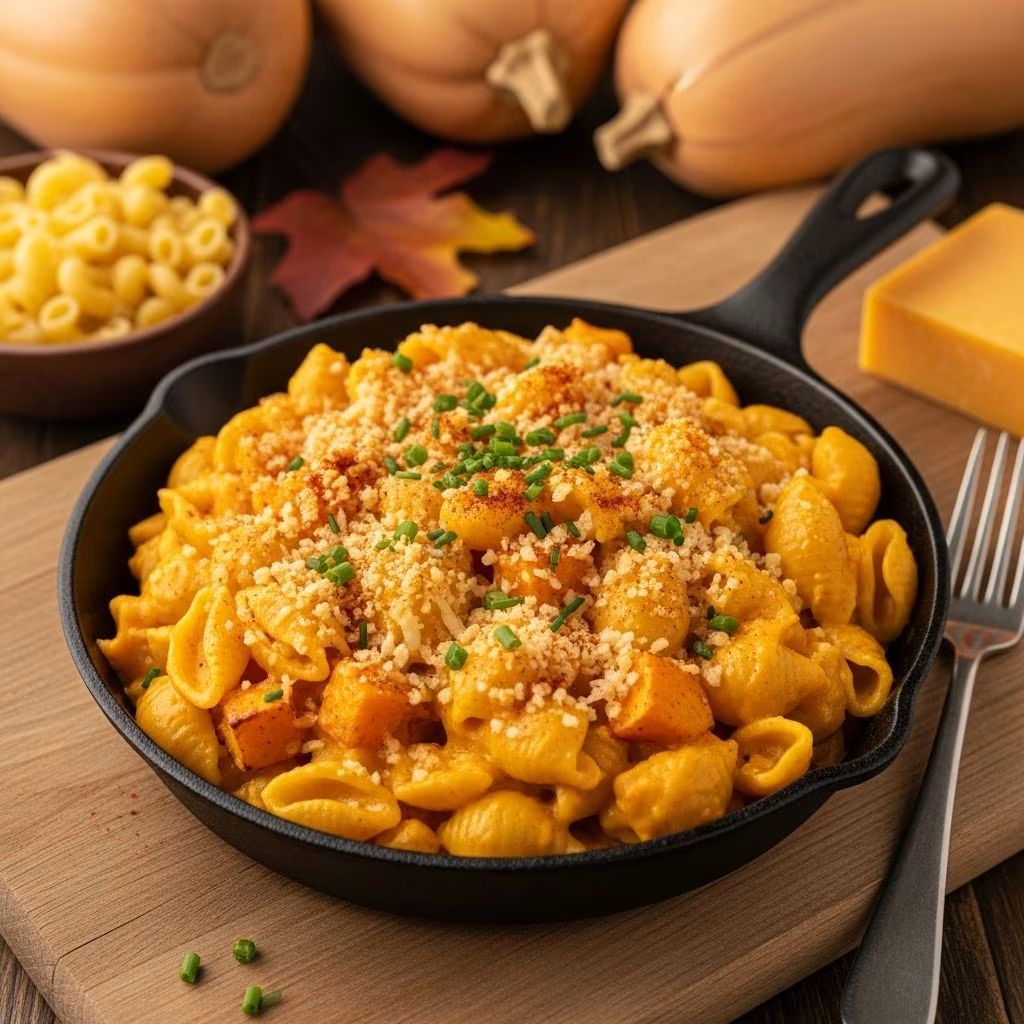
Butternut squash mac and cheese represents a modern interpretation of classic comfort food, blending the natural sweetness of autumn squash with the richness of melted cheese. This dish elevates traditional pasta by incorporating nutrient-dense vegetables without sacrificing the creamy, satisfying qualities that make mac and cheese so appealing. Whether you’re preparing dinner for your family or seeking a dish that appeals to both adventurous and traditional palates, this recipe offers versatility and depth of flavor.
Understanding Your Main Ingredient: Butternut Squash
Butternut squash serves as the foundation of this dish, providing both texture and nutritional value. When selecting your squash, choose one that feels heavy for its size, with a hard, unblemished tan exterior. A medium to large squash, weighing approximately 1.5 pounds or more, will yield sufficient puree for a satisfying sauce.
The preparation of butternut squash requires careful handling due to its dense flesh. Cutting the squash lengthwise and scooping out the seeds creates two natural vessels for roasting. Brushing the cut sides with olive oil and seasoning with salt and pepper prepares the squash for even cooking. Roasting at 425°F until the flesh becomes tender enough to pierce easily with a fork—typically 40 to 60 minutes—develops the squash’s natural sweetness and creates the ideal consistency for pureeing.
Once cooled sufficiently to handle, the skin peels away readily, revealing the soft flesh beneath. Using a potato masher to break down the roasted squash creates the desired texture; achieving perfect smoothness is unnecessary. Most recipes require approximately 2 cups of mashed squash, though excess can be frozen for future use, extending the utility of your preparation.
Selecting Your Cheese Components
The success of butternut squash mac and cheese depends significantly on cheese selection. Different varieties contribute distinct characteristics to the final sauce:
- Sharp cheddar provides tangy complexity and melts smoothly into the sauce base
- Gruyere adds nutty undertones that complement autumn flavors beautifully
- Pecorino or Parmesan contributes savory depth and prevents the sauce from becoming one-dimensional
- White cheddar offers a milder flavor while maintaining excellent melting properties
- Gouda brings subtle smoky notes that enhance the overall taste profile
Combining three varieties creates layers of flavor impossible to achieve with a single cheese. The key to incorporating cheese successfully involves adding it gradually while whisking constantly, ensuring each addition melts completely before introducing the next portion. This methodical approach prevents separation and maintains a creamy, cohesive sauce.
Pasta Selection and Preparation
The shape of pasta significantly impacts how the sauce coats and adheres to each piece. Shorter pasta varieties work best for this dish:
- Elbow macaroni—the classic choice offering small pockets that trap sauce
- Pipe rigate—ridged tubes that hold sauce particularly well
- Shell pasta—curved surfaces that cradle the creamy mixture
- Cavatelli—small, rolled shapes perfect for distributing sauce evenly
- Fusilli—spiral shape that catches and holds sauce throughout
Cooking pasta al dente—with a slight firmness when bitten—ensures it continues cooking slightly when combined with the warm sauce without becoming mushy. Before draining, reserve 1.5 cups of the starchy cooking water; this liquid adds body to the sauce and helps achieve the ideal consistency.
Creating the Foundation: Building Your Sauce Base
Different approaches to sauce creation offer varied results. The most straightforward method involves blending roasted butternut squash with reserved pasta water, aromatics, and seasonings until achieving a smooth puree. This technique produces a naturally creamy sauce without requiring excessive dairy or flour-based thickeners.
Alternative methods employ traditional roux-based approaches, combining butter and flour to create a thickening base before incorporating broth and butternut squash. This method offers more control over consistency but requires additional steps. Some recipes utilize cream cheese, which melts directly into the pasta mixture, creating richness and body simultaneously.
Aromatic ingredients enhance the sauce’s complexity. Shallots, when included, should be roasted alongside the squash until completely softened, then blended into the puree. Garlic powder and onion powder provide concentrated flavor without requiring fresh vegetable preparation. These dried seasonings distribute evenly throughout the sauce, ensuring consistent taste in every bite.
Essential Seasonings for Depth and Balance
While butternut squash provides inherent sweetness, additional seasonings create complexity and prevent the dish from tasting one-dimensional:
| Seasoning | Purpose | Typical Amount |
|---|---|---|
| Nutmeg | Enhances autumn flavors; complements squash naturally | ¼ to ½ teaspoon |
| Garlic powder | Adds savory depth and balanced complexity | 1 teaspoon |
| Onion powder | Provides umami undertones without fresh onion texture | 1 teaspoon |
| Salt | Balances sweetness and enhances all flavors | ½ to 1 teaspoon |
| Black pepper | Adds subtle heat and flavor complexity | Several grinds to taste |
| Sage | Contributes earthy, herbaceous notes | ½ teaspoon dried or fresh |
| Cayenne pepper | Provides gentle heat and spice complexity | Pinch to ¼ teaspoon |
| Dijon mustard | Adds tangy brightness that cuts richness | ½ to 1 teaspoon |
Balsamic vinegar, when included, adds subtle acidity that balances the sauce’s natural sweetness. Adding approximately 2 teaspoons during the blending process creates this balance without imparting obvious vinegar flavor.
Dairy Options and Variations
The traditional approach uses heavy cream or half-and-half to achieve the desired creamy consistency. However, multiple alternatives accommodate different dietary preferences:
- Almond milk—creates a lighter sauce suitable for dairy-free diets
- Evaporated milk—provides concentrated richness and acts as a natural thickener
- Greek yogurt—adds tanginess while maintaining creamy texture
- Vegetable or chicken broth—creates a lighter sauce with savory undertones
- Cream cheese—melts directly into the mixture for instant richness
The amount of liquid incorporated depends on desired sauce consistency. Starting with less liquid allows gradual adjustment to achieve the perfect coating consistency. A properly prepared sauce should cling to pasta without pooling excessively at the bottom of the serving dish.
Assembly and Cooking Methods
Traditional stovetop preparation involves heating the dairy component over medium heat, adding the squash puree, and stirring frequently until warmed through. Once the sauce reaches the desired temperature, cheese is incorporated gradually while whisking constantly. The cooked pasta is then tossed into the sauce until every piece receives an even coating.
One-pot methods offer convenience by combining pasta, butternut squash, liquid, and seasonings in a single pressure cooker. Setting a manual or pressure cook function for approximately 5 minutes allows the pasta to cook while the squash components merge. After releasing pressure, the cheese is stirred in directly, creating a streamlined preparation with minimal cleanup.
For baked variations, the cooked pasta and sauce are transferred to a prepared baking dish, topped with panko breadcrumbs mixed with olive oil, and baked at 375°F until the topping becomes golden and crispy—approximately 15 to 20 minutes.
Texture Considerations and Refinement
Achieving the ideal sauce consistency requires attention during cooking. The sauce should coat pasta smoothly while maintaining enough body to cling without running off. If the sauce appears too thin during preparation, continue simmering to allow evaporation and natural thickening. If it becomes too thick, additional pasta water or warmed milk can be incorporated gradually.
The butternut squash itself contributes to sauce texture. Completely smooth pureeing creates a refined, velvety sauce, while leaving slight chunks adds rustic charm and textural interest. Both approaches produce satisfying results; personal preference determines the final outcome.
Flavor Customization and Additions
The basic butternut squash mac and cheese formula provides an excellent foundation for creative modifications. Roasted vegetables like broccoli florets or caramelized onions add nutrition and complexity. Protein additions such as crispy bacon bits, seasoned ground meat, or roasted chickpeas transform the dish into a more complete meal.
Topping variations extend beyond traditional panko breadcrumbs. Crushed nuts like walnuts or pecans add textural contrast. Fresh sage or thyme leaves scattered over the surface before serving introduce herbaceous brightness. A drizzle of truffle oil or infused olive oil can elevate the dish for special occasions.
Make-Ahead and Storage Strategies
Butternut squash mac and cheese maintains quality when properly stored. The complete dish keeps refrigerated for up to four days when covered tightly. Reheating gently over low heat with minimal additional liquid prevents the sauce from becoming grainy or separating. Adding a splash of warm milk during reheating restores creamy texture.
Preparing components in advance streamlines final assembly. Roasted and pureed butternut squash can be frozen for up to three months, allowing quick preparation when desired. Cooked pasta stores separately from sauce for up to five days, remaining ready for combination when needed.
Frequently Asked Questions
Can this recipe accommodate dietary restrictions?
Yes, butternut squash mac and cheese adapts readily to various dietary needs. Dairy-free versions substitute plant-based milk and nutritional yeast for traditional cheese. Gluten-free pasta works identically to wheat-based varieties. Vegan preparations eliminate all animal products while maintaining comparable flavor and texture.
How can I prevent the sauce from becoming grainy?
Grainy texture typically results from high heat causing cheese proteins to separate. Maintain medium or medium-low heat throughout cooking, add cheese gradually while whisking constantly, and avoid boiling once cheese is incorporated. These practices ensure smooth, creamy results.
What pasta shape works best?
Short pasta varieties with ridges or curves—such as elbow macaroni, pipe rigate, or shell pasta—capture and hold sauce most effectively. While any pasta shape technically works, these options provide superior coating and eating experience.
Can I prepare this dish ahead for entertaining?
Absolutely. Assemble the complete dish up to one day in advance, refrigerate covered, and bake when ready to serve. Add 10 to 15 minutes to the baking time if cooking from a cold state. Alternatively, prepare sauce and cooked pasta separately, combining them just before serving for optimal texture.
How do I achieve crispy topping texture?
Combine panko breadcrumbs with olive oil, ensuring the mixture reaches a breadcrumb consistency rather than appearing wet. Distribute evenly over the sauce, bake at 375°F until golden brown and crispy—approximately 15 to 20 minutes. Monitor closely during the final minutes to prevent burning.
Serving Suggestions and Complementary Dishes
Butternut squash mac and cheese works well alongside fresh green salads featuring acidic vinaigrettes that cut through richness. Roasted vegetables like brussels sprouts or green beans add nutritional balance. For lighter meals, serve reduced portions with substantial side salads. During autumn entertaining, this dish pairs beautifully with crusty bread, allowing guests to soak up any remaining sauce.
This recipe serves approximately 6 to 8 people as a main course or 10 to 12 as a side dish component of a larger meal. Portion size adjusts based on accompaniments and individual appetite.
References
- Butternut Squash Cooking and Nutrition Guide — United States Department of Agriculture (USDA). https://www.usda.gov
- Proper Food Storage and Safety Guidelines — Food and Drug Administration (FDA). https://www.fda.gov
- Cheese Melting Science and Culinary Techniques — Serious Eats. https://www.seriouseats.com
- Seasonal Produce Selection and Storage — University of California Agriculture and Natural Resources. https://ucanr.edu
- Pasta Cooking Methods and Optimal Texture Achievement — International Pasta Organization. https://www.internationalpasta.org