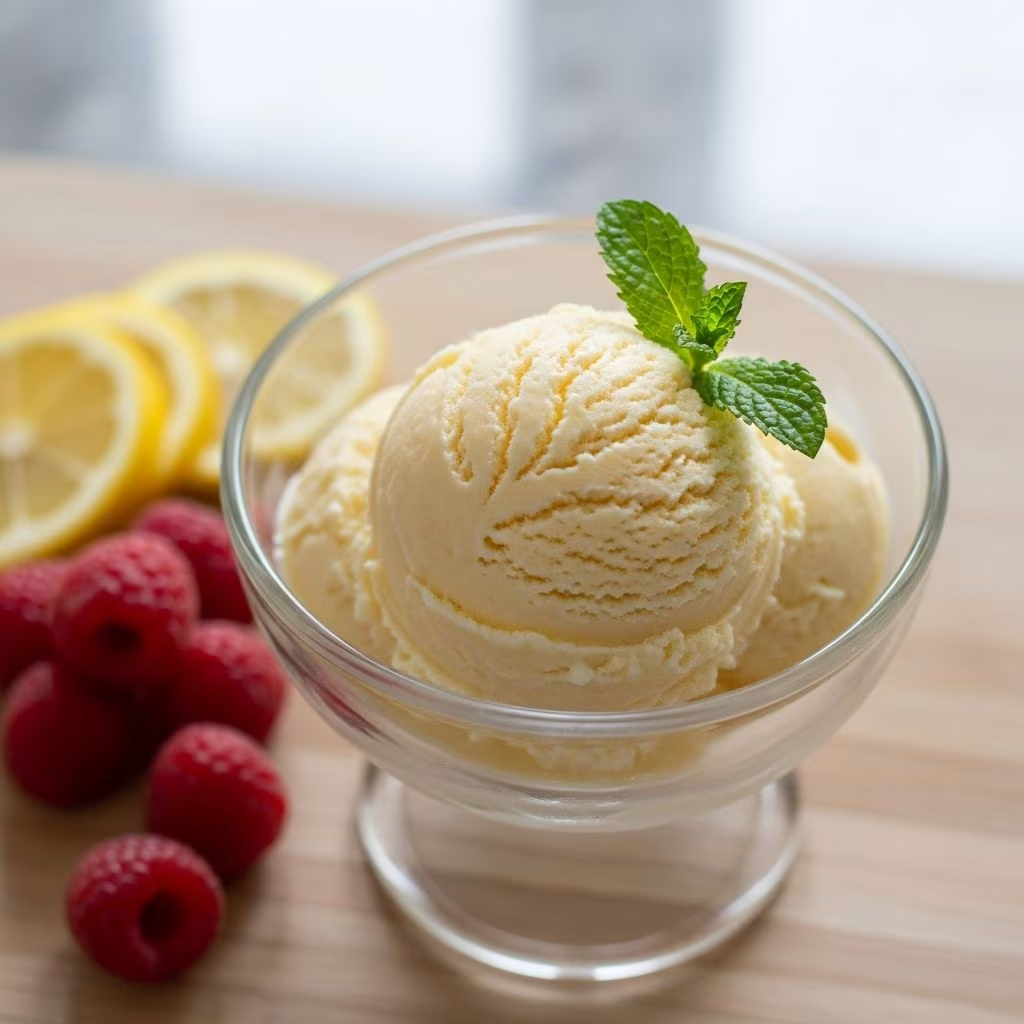
Buttermilk ice cream stands out for its unique balance of creamy richness and bright tanginess, making it a refreshing alternative to traditional sweet frozen treats. This frozen dessert leverages the natural acidity of buttermilk to cut through sweetness, resulting in a sophisticated flavor profile perfect for summer gatherings or elegant dinners.
The Allure of Buttermilk in Frozen Desserts
Buttermilk, with its mild sourness and thick consistency, transforms ordinary ice cream into something extraordinary. Unlike heavy cream-based recipes, buttermilk introduces a yogurt-like tang that enhances fruit pairings and prevents cloying sweetness. Historically favored in Southern cuisine, it now enjoys popularity among modern chefs for its versatility in custards and no-churn versions.
The science behind its appeal lies in lactic acid, which tenderizes mixtures and stabilizes emulsions during freezing. This results in a smoother texture with fewer ice crystals, even without fancy equipment. Home cooks appreciate its ability to elevate simple ingredients into gourmet results.
Essential Ingredients for Success
Building a superior buttermilk ice cream starts with quality components. Heavy cream or half-and-half provides the fat base for creaminess, while egg yolks act as emulsifiers in custard-style recipes. Granulated sugar sweetens without overpowering, and pure vanilla extract or beans infuse aromatic depth.
- Heavy cream or half-and-half: 1-2 cups for richness; opt for organic if possible.
- Buttermilk: 1-2 cups, full-fat for best texture; shake well before use.
- Egg yolks: 4-12, depending on batch size, for luxurious custard.
- Sugar: 3/4 to 1 1/4 cups; adjust for desired sweetness.
- Vanilla: Extract, beans, or paste for flavor enhancement.
- Salt: A pinch to balance flavors.
Variations might include honey for floral notes or lemon zest for extra zing, keeping the core tangy profile intact.
Mastering the Custard Base Technique
The cornerstone of premium buttermilk ice cream is a properly tempered custard. Begin by gently heating cream with vanilla and a portion of sugar until steaming, not boiling. In a separate bowl, whisk yolks with remaining sugar until pale and thick.
Temper by slowly drizzling hot cream into eggs while whisking vigorously to avoid scrambling. Return the mixture to low heat, stirring in a figure-eight pattern until it thickens enough to coat a spoon (about 170°F). Immediately stir in cold buttermilk to halt cooking and amplify tang.
Strain through a fine sieve to remove any cooked egg bits, then chill covered in the fridge for 4-8 hours or overnight. This step ensures even freezing and peak flavor development.
Step-by-Step Churning Process
Once chilled, pour the base into your ice cream maker and churn per manufacturer instructions, typically 20-40 minutes until it resembles soft-serve. For no-churn fans, whip cream to stiff peaks, fold in sweetened condensed milk and buttermilk, then freeze in a loaf pan.
- Prepare ice cream maker bowl 24 hours ahead if required.
- Churn base until thick and voluminous.
- Transfer to airtight container; freeze 2-4 hours for scoopable consistency.
- Serve directly or ripen overnight for deeper flavors.
Pro tip: Avoid over-churning, as it can lead to butter-like separation. If crystals form, let soften slightly before scooping.
Flavor Innovations and Twists
| Flavor Variation | Key Additions | Pairing Ideas |
|---|---|---|
| Classic Vanilla | Vanilla bean, pinch of salt | Fresh berries, pound cake |
| Honey-Lemon | Honey, lemon zest, cream cheese | Peach cobbler, shortbread |
| Strawberry Swirl | Pureed strawberries, balsamic reduction | Angel food cake, meringues |
| Herbal Infusion | Steeped basil or lavender in cream | Stone fruit tarts, scones |
| Chocolate Chip | Dark chocolate chunks added post-churn | Brownies, pie crust |
Experiment with infusions by steeping herbs or citrus peels in warm cream before tempering. For swirl-ins, layer softened ice cream with compotes in the container and freeze without stirring.
Perfect Pairings and Serving Suggestions
Buttermilk ice cream shines as a foil to richer desserts. Its acidity complements fruit pies, tarts, and cobblers, cleansing the palate between bites. Try scoops atop warm blueberry buckle or alongside grilled peaches for a seasonal stunner.
For sundaes, drizzle with honey and crushed honeycomb, or sandwich between chewy ginger cookies. In plated desserts, quenelle (oval scoop) alongside panna cotta or sorbet for textural contrast. Even soft-serve machines yield fantastic results with a simpler no-cook base.
Troubleshooting Common Issues
Encountering grainy texture? Over-churned or insufficient chilling is often the culprit—always fully chill the base. If too icy, increase fat with more cream or add stabilizers like corn syrup.
- Grainy result: Strain after cooking; chill thoroughly.
- Too sweet: Reduce sugar by 1/4 cup; taste base before freezing.
- Separated emulsion: Blend with immersion blender post-cooking.
- No ice cream maker? Use no-churn method with whipped cream base.
Storage tip: Press plastic wrap to the surface before sealing to prevent freezer burn; lasts up to 2 weeks.
Healthier Adaptations and Dietary Notes
For lighter versions, substitute half the cream with whole milk or Greek yogurt. Use low-fat buttermilk, but expect slight texture changes. Vegan swaps include coconut cream, aquafaba for yolks, and cultured cashew milk.
Nutritional perks: Buttermilk provides probiotics and calcium, making it a gut-friendly indulgence in moderation. Track calories by measuring precisely— a 1/2 cup serving hovers around 200-300 depending on ingredients.
Advanced Techniques for Pros
Elevate with a Pacojet for ultra-smooth results or nitrogen freezing for instant gratification. Incorporate browned butter for nutty depth or roasted fruit purees for complexity. Sous-vide the custard at 165°F for foolproof tempering.
Scale up for parties by multiplying ingredients evenly, but churn in batches to avoid overloading the machine. Age the base 24-48 hours for intensified tang.
Frequently Asked Questions
Can I make buttermilk ice cream without eggs?
Yes, use a Philadelphia-style base: whisk buttermilk, cream, sugar, and vanilla; chill and churn. Add gelatin for body if desired.
How long does it keep in the freezer?
Up to 2 weeks for best texture; beyond that, flavors dull slightly.
What’s the best buttermilk to use?
Full-fat liquid buttermilk; avoid powdered versions for authentic tang.
Why is my ice cream too tangy?
High-quality buttermilk varies in acidity—balance with extra sugar or cream.
Can I add alcohol for flavor?
Yes, like bourbon or limoncello (1-2 tbsp); it softens texture, so freeze longer.
References
- Buttermilk Ice Cream Recipe {Tart & Sweet} — Savory Simple. 2023-05-15. https://www.savorysimple.net/buttermilk-ice-cream-recipe/
- Vanilla Buttermilk Ice Cream — The Bojon Gourmet. 2022-11-10. https://bojongourmet.com/vanilla-buttermilk-ice-cream/
- Buttermilk Honey Ice Cream — Saving Room for Dessert. 2023-08-20. https://www.savingdessert.com/buttermilk-honey-ice-cream/
- Buttermilk Ice Cream — James Beard Foundation. 2021-06-12. https://www.jamesbeard.org/recipes/buttermilk-ice-cream
- Buttermilk Ice Cream — Smitten Kitchen. 2009-04-22. https://smittenkitchen.com/2009/04/buttermilk-ice-cream/
- Buttermilk Soft Serve Ice Cream — Carla Hall. 2023-03-05. https://carlahall.com/buttermilk-soft-serve-ice-cream/