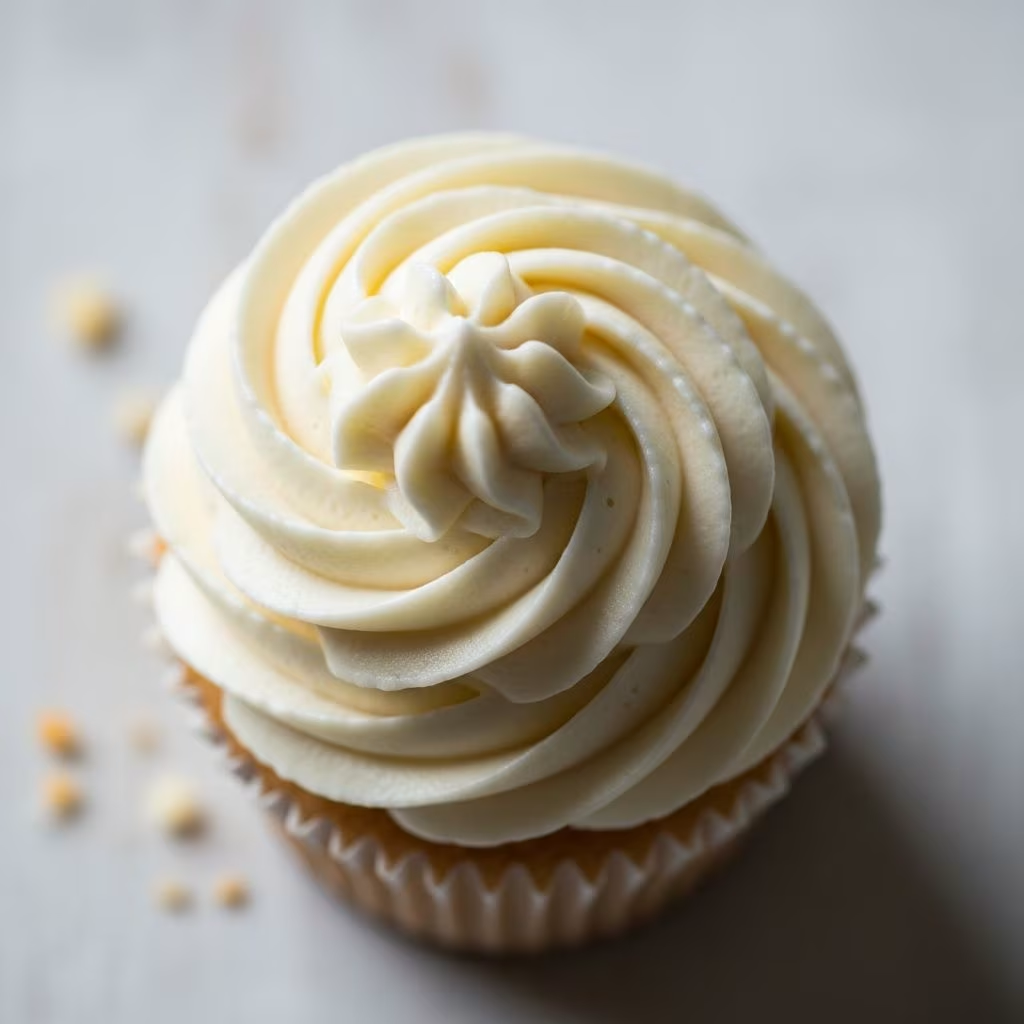
Buttercream frosting stands as a cornerstone of baking, prized for its versatility, smooth texture, and ability to hold intricate designs. Whether spreading over a layer cake or piping rosettes on cupcakes, this staple delivers a rich, creamy finish that elevates any dessert. This comprehensive guide explores everything from core ingredients and mixing methods to creative flavors and practical solutions for common issues.
Why Buttercream Reigns Supreme in Baking
Unlike other frostings, buttercream offers a perfect balance of sweetness and spreadability. Its base of butter provides structure and flavor, while powdered sugar ensures stability for decorating. Home bakers appreciate its quick preparation—often under 15 minutes—and adaptability to various tools, from stand mixers to hand beaters. Professional results come from precise techniques that yield fluffy, lump-free consistency ideal for any occasion.
Essential Ingredients for Flawless Buttercream
The beauty of buttercream lies in its simplicity, typically requiring just four to five components. Each plays a critical role in texture and taste.
- Butter: Use unsalted for control over saltiness, softened to room temperature. It forms the creamy base; 1-2 cups (2-4 sticks) is standard for most recipes. Avoid melted butter, as it leads to runny results.
- Powdered Sugar (Confectioners’ Sugar): The bulk sweetener, sifted to prevent lumps. Quantities range from 3-6 cups, providing body and smoothness. Its cornstarch content stabilizes the mixture.
- Liquid (Heavy Cream or Milk): 2-5 tablespoons thin the frosting to pipeable consistency. Heavy cream adds richness; whole milk works for lighter versions.
- Vanilla Extract: 1-2 teaspoons infuse pure flavor. Opt for clear vanilla for snow-white frosting in white cakes.
- Salt: A pinch (1/4-1/2 teaspoon) enhances flavors without overpowering sweetness.
Variations adjust these ratios: salted butter skips added salt, while professional recipes scale up for larger batches, like 24 ounces butter to 40 ounces sugar.
Step-by-Step: Mixing Perfect Buttercream
Achieving airy, stable frosting demands methodical beating. Follow these steps for consistent success.
- Prepare Butter: Ensure butter is soft but cool—press a finger in easily without sinking deeply. Beat alone on medium-high for 1-3 minutes until pale and fluffy. This incorporates air for lightness.
- Incorporate Sugar Gradually: Sift powdered sugar to remove clumps. Add in batches on low speed to avoid clouds of dust. Scrape bowl sides after each addition.
- Add Liquids and Flavor: Pour in cream/milk and vanilla on low, then increase to medium-high. Beat 2-4 minutes until fluffy. Adjust with more sugar for thickness or liquid for spreadability.
- Final Check: Frosting should hold peaks but spread smoothly. Cover immediately to prevent crusting.
Tools matter: whisk attachments create extra fluffiness; paddle attachments yield denser results for filling. Hand mixers work fine for small batches.
Recipe: Classic Vanilla Buttercream
This reliable formula yields about 4-5 cups, enough for a two-layer 9-inch cake or 24 cupcakes.
| Ingredient | Amount |
|---|---|
| Unsalted butter, room temperature | 1 cup (2 sticks) |
| Powdered sugar, sifted | 4 cups |
| Heavy cream | 3 Tbsp |
| Vanilla extract | 2 tsp |
| Salt | 1/4 tsp |
Instructions: Beat butter and salt until creamy (2 minutes). Add sugar in thirds on low, mixing fully each time. Add cream and vanilla; beat on high 3 minutes. Use immediately or store.
Flavor Innovations to Elevate Your Frosting
Buttercream’s neutral base accepts endless customizations. Experiment with these ideas:
- Chocolate: Beat in 1/2 cup melted, cooled chocolate or 1/2 cup cocoa powder with extra cream.
- Strawberry: Puree 1/4 cup fresh berries, strain, and add with pink food coloring.
- Coffee: Dissolve 1 Tbsp espresso powder in cream for mocha depth.
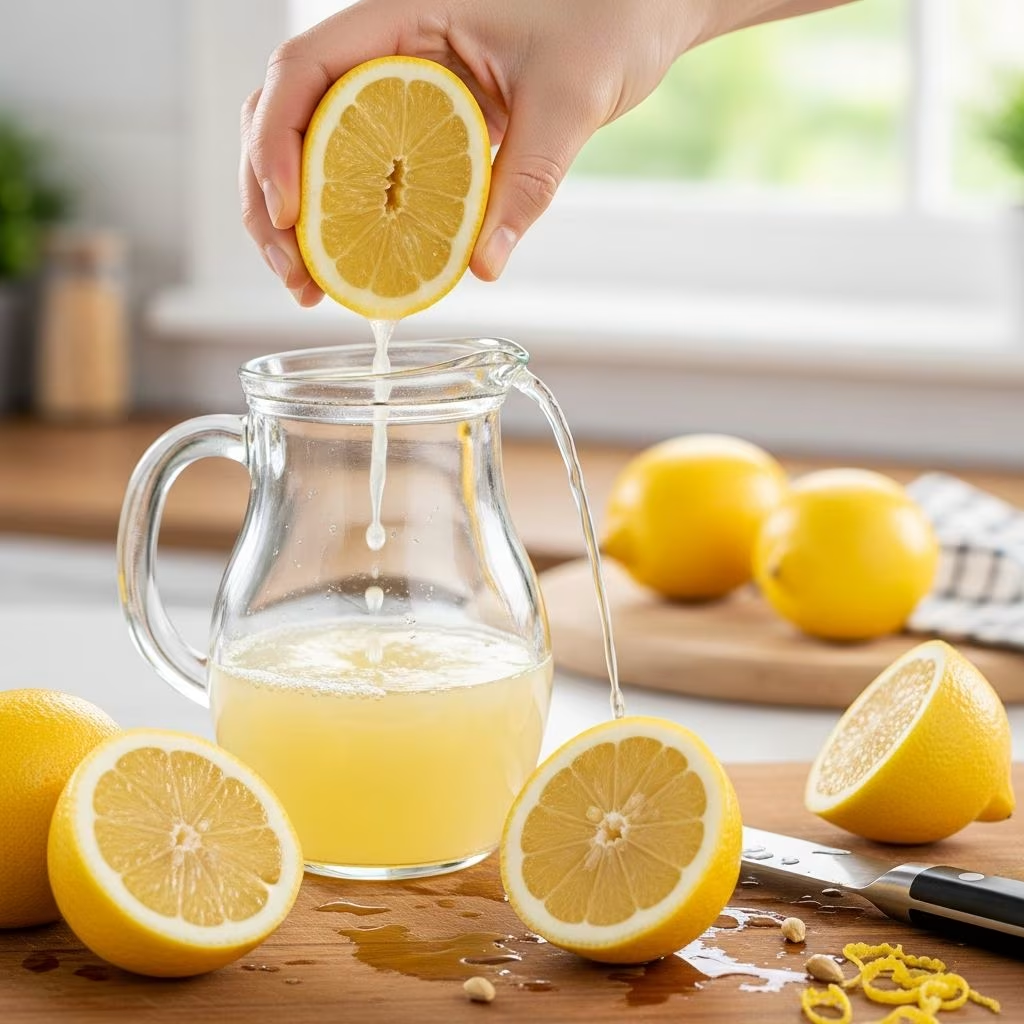
- Lemon: Zest 1 lemon and add 2 Tbsp juice for tangy brightness.
- Nutty: Mix in 1/4 cup finely ground nuts or almond extract.
Food coloring goes in last; gel types maintain consistency without watering down.
Storage and Make-Ahead Strategies
Buttercream stores well, extending its utility. Refrigerate in an airtight container up to 1 week; bring to room temperature and re-whip before use. Freeze up to 3 months in freezer bags—thaw overnight in fridge, then re-beat. Avoid direct air exposure to prevent drying.
Troubleshooting Common Buttercream Problems
Even experts face issues; here’s how to fix them:
| Problem | Cause | Solution |
|---|---|---|
| Lumpy texture | Unsifted sugar or cold butter | Sift sugar; ensure butter is softened. Re-beat vigorously or pass through sieve. |
| Too thick/runny | Imbalanced ratios | Add cream (1 tsp at a time) for thin; sugar for thick. Chill briefly if soupy. |
| Sugar cloud/mess | High mixer speed | Start low; cover mixer with towel. Use whisk attachment. |
| Grainy taste | Poor-quality sugar | Use fresh, high-quality powdered sugar; blend longer on high. |
| Separates/wilts in heat | Too much liquid/warm environment | Chill 15 minutes, re-whip. Use shortening blend for stability. |
For hot climates, substitute 1/4 cup shortening per cup butter for better hold.
Pro Tips for Decorating Mastery
Beyond mixing, technique ensures professional finishes:
- Chill cake layers before crumb-coating to trap moisture.
- Apply thin ‘crumb coat’ first, freeze 10 minutes, then final layer.
- For piping, use chilled frosting and 50/50 butter-shortening mix.
- Smooth sides with bench scraper after offset spatula application.
- Practice swirls on parchment for confidence.
Buttercream vs. Other Frostings: A Comparison
Choose wisely for your project:
| Frosting Type | Texture | Best For | Stability |
|---|---|---|---|
| American Buttercream | Fluffy, sweet | Cupcakes, borders | High (room temp) |
| Swiss Meringue | Silky, less sweet | Smooth cakes | Very high |
| Italian Meringue | Light, glossy | Weddings | Excellent |
| Cream Cheese | Tangy, soft | Red velvet | Low (chill needed) |
American buttercream wins for ease and everyday use.
Frequently Asked Questions (FAQs)
Can I make buttercream dairy-free?
Yes, use vegan butter and plant-based cream like coconut or almond milk. Adjust sugar for taste.
How much frosting for a cake?
4 cups for 8-inch two-layer; double for stacking or heavy decorating.
Why is my buttercream greasy?
Overbeaten or warm butter. Chill and re-whip.
Does buttercream crust?
Yes, powdered sugar’s cornstarch forms a shell after 15-20 minutes exposure.
Can I color it ahead?
Gel colors yes; divide batch, color, and store separately.
Advanced Techniques for Bakers
Elevate skills with these:
- 32-Second Rule: Beat exactly 32 seconds after liquids for optimal air incorporation.
- Scalable Batches: Multiply ingredients evenly; pros use weight measures (e.g., 24 oz butter).
- Stabilizers: Add meringue powder for humidity resistance.
Practice yields perfection—start small, scale up.
References
- Classic Buttercream Frosting — Domino Sugar. 2023. https://www.dominosugar.com/recipe/buttercream-frosting
- How to Make the Perfect Buttercream Frosting — C&H Sugar. 2024. https://www.chsugar.com/baking-tips-how-tos/making-perfect-buttercream-frosting
- Buttercream Frosting Recipe — The Pioneer Woman. 2024. https://www.thepioneerwoman.com/food-cooking/recipes/a65890770/buttercream-frosting-recipe/
- Favorite Vanilla Buttercream — Sally’s Baking Addiction. 2023. https://sallysbakingaddiction.com/vanilla-buttercream/
- American Buttercream Recipe — Sugar Geek Show. 2024. https://sugargeekshow.com/american-buttercream-recipe/