Understanding This Hawaiian Classic
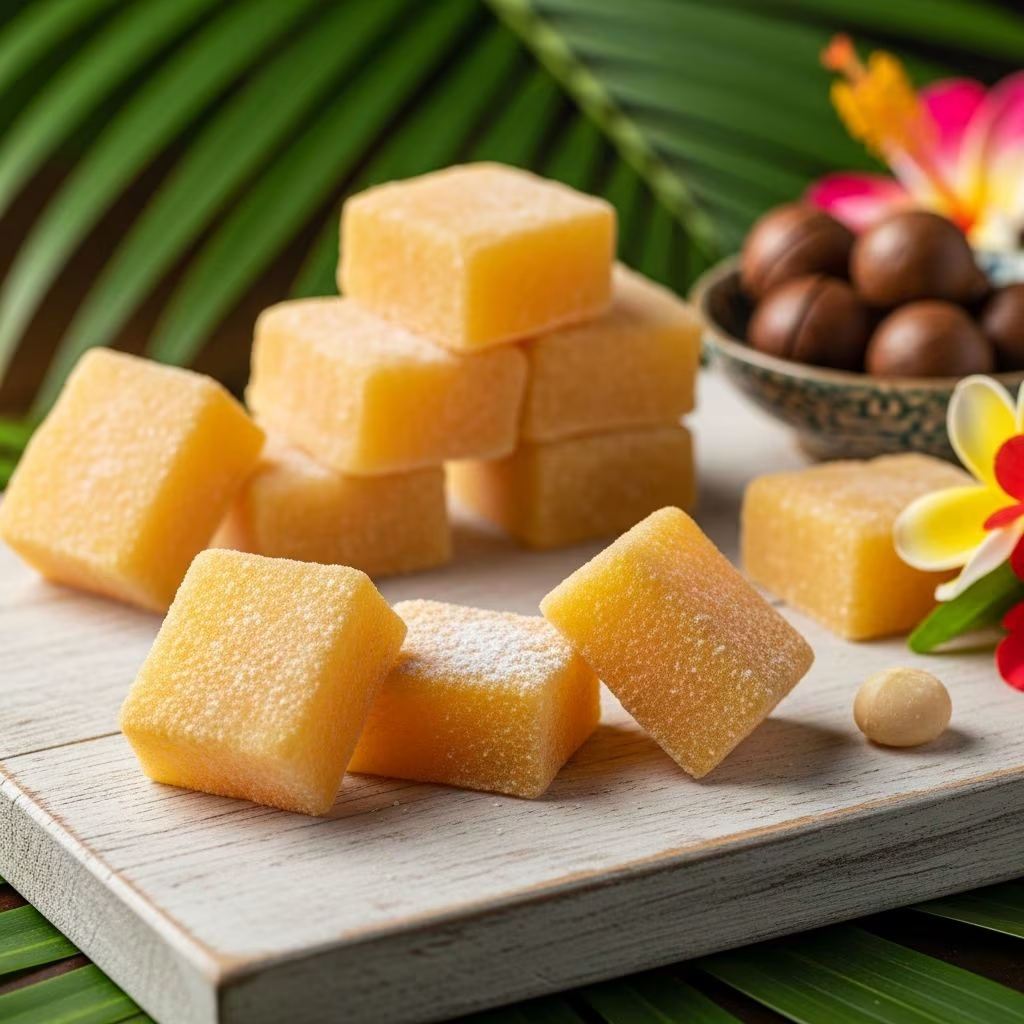
Butter mochi stands as one of Hawaii’s most cherished and enduring desserts, representing a unique blend of cultural influences and island flavors. This delightful confection occupies a distinctive space in the dessert world—it’s neither quite a cake nor traditional mochi, but rather a harmonious fusion of both. The treat features a dense, chewy interior with a slightly caramelized exterior, creating a textural experience that keeps families and friends coming back for more.
The popularity of butter mochi extends far beyond Hawaii’s shores, with the dessert now recognized and enjoyed throughout the Pacific and by Hawaiian communities worldwide. Its rise in popularity stems from its accessibility, straightforward preparation, and ability to satisfy cravings for something rich yet uniquely satisfying. The dessert has become a staple at potlucks, family gatherings, and celebrations, often passed down through generations with slight variations reflecting each family’s preferences.
The Foundation: Key Ingredients Explained
Creating authentic butter mochi begins with understanding its core components and their roles in developing the dessert’s signature character. Each ingredient serves a specific purpose, working together to achieve the perfect balance of texture, sweetness, and flavor.
Mochiko Flour: The Essential Base
Mochiko flour represents the cornerstone ingredient of this Hawaiian dessert. Also known as sweet glutinous rice flour, mochiko flour comes from glutinous short-grain rice varieties that have been finely milled into a powder. This ingredient is not a substitute but rather the fundamental element that distinguishes butter mochi from regular cakes. The unique starches in mochiko flour create the characteristic chewy, slightly dense texture that makes this dessert so appealing.
When selecting mochiko flour, ensure you purchase authentic sweet rice flour rather than regular rice flour, as the glutinous properties are essential for proper texture development. The flour should be finely ground with a powdery consistency. One standard box contains approximately 16 ounces and serves as the primary dry ingredient in most recipes.
Coconut Milk: Adding Richness and Depth
Coconut milk transforms butter mochi from a simple sweet confection into something with genuine depth and sophistication. A 14-ounce can of full-fat coconut milk contributes creamy richness while adding subtle nutty undertones that complement the buttery sweetness. The saturated fats in coconut milk help create the dense, luxurious crumb structure characteristic of this dessert.
Full-fat coconut milk is essential for achieving proper results. Light or reduced-fat varieties lack the necessary fat content to create the desired texture and flavor profile. When opening a can of coconut milk, you may notice separation between liquid and solid portions—this is completely normal and should be thoroughly mixed before incorporating into your batter.
Butter and Eggs: Binding and Richness
Unsalted, melted butter serves multiple functions in butter mochi preparation. At half a cup (one stick), it contributes to the dessert’s tender crumb, adds moisture, and provides the characteristic buttery flavor that defines this treat. Melting the butter before mixing ensures even distribution throughout the batter and helps prevent lumps from forming.
Eggs act as both a binder and leavening agent. Typically four to five large eggs are used, and bringing them to room temperature before mixing helps ensure they incorporate smoothly without causing the batter to coagulate or become lumpy. The eggs contribute structure, moisture, and richness while helping the mochiko flour and other ingredients bind together properly.
Supporting Ingredients: Sugar, Baking Powder, and Vanilla
Granulated sugar provides sweetness and helps create a slightly caramelized exterior during baking. Most recipes call for approximately two cups of sugar, though personal preference can dictate slight adjustments. Baking powder (typically two teaspoons) provides gentle leavening, creating a slightly lighter texture compared to completely unleavened versions.
Vanilla extract adds aromatic depth and complexity to the finished dessert. One teaspoon is sufficient to complement the other flavors without overpowering them. Some recipes include evaporated milk or whole milk as additional liquid components, which help achieve the perfect batter consistency and contribute to the final texture.
Preparation Fundamentals
Ingredient Temperature and Preparation
Success with butter mochi hinges on proper preparation of ingredients before mixing. All ingredients should be brought to room temperature before combining, particularly the eggs and butter. This seemingly minor detail becomes crucial because room-temperature ingredients mix more smoothly and completely, resulting in a batter with superior texture and a more uniform finished product.
Prepare your baking vessel before beginning the mixing process. A standard 9-by-13-inch rectangular baking pan works best, and lightly greasing or buttering it prevents sticking during and after baking. Some bakers prefer lining the pan with parchment paper, which makes removal and portioning easier after the mochi has cooled completely.
The Mixing Process: Building the Perfect Batter
Start by combining the wet ingredients in a large mixing bowl. Melted butter and granulated sugar mix together first, creating a slightly granular mixture. Add the room-temperature eggs and vanilla extract to this mixture, stirring thoroughly until well combined. This wet base provides the foundation for incorporating dry ingredients.
In a separate preparation step, combine the mochiko flour and baking powder. Gradually add this dry mixture to the wet ingredients, mixing carefully to avoid incorporating excessive air. The batter will become quite thick at this stage, which is normal and expected. The mixture should progress from thin and pourable to progressively thicker as dry ingredients are incorporated.
Next, add the coconut milk (and evaporated milk or whole milk if your recipe includes these) to achieve a consistency that resembles thick cake batter. Mix thoroughly until all lumps disappear and the batter achieves uniform smoothness. If lumps persist, pour the batter through a fine-mesh strainer directly into your prepared baking pan to ensure a smooth, lump-free result.
Baking Guidelines and Techniques
Temperature and Timing Considerations
Preheat your oven to 350 degrees Fahrenheit, allowing it to reach this temperature before the prepared batter enters the oven. Some recipes suggest 375 degrees, with corresponding adjustments to baking time. The exact temperature may vary slightly depending on individual oven calibration, so internal appearance becomes a reliable indicator of doneness alongside timing.
Butter mochi typically bakes for one hour to one hour and fifteen minutes at 350 degrees Fahrenheit. The dessert is ready when the top develops a light golden-brown color and a toothpick inserted into the center comes out clean or with just a few moist crumbs clinging to it. The edges should pull slightly away from the pan sides. Avoid overbaking, as this creates a dry, cake-like texture rather than the desired chewy consistency.
Cooling and Removal from Pan
After removing butter mochi from the oven, allow it to cool completely to room temperature before attempting to remove it from the pan or cut it into portions. Premature cutting results in a crumbly, broken dessert rather than neat squares. Complete cooling typically requires thirty minutes to one hour, depending on room temperature.
Once cooled, run a thin knife around the pan edges to separate the mochi from the sides. If using parchment paper, simply lift the entire sheet from the pan. Otherwise, invert the pan over a cutting board or serving surface—the mochi should release smoothly once fully cooled. Cut into even squares using a sharp knife, wiping the blade between cuts if the mochi sticks to it.
Variations and Flavor Enhancements
Glazes and Toppings
Traditional butter mochi is delicious in its pure form, but creative bakers have developed numerous enhancements. A lilikoi (passion fruit) and guava glaze made from powdered sugar and fruit purée adds tropical brightness and visual appeal. Simply whisk powdered sugar with lilikoi or guava purée until smooth, then drizzle over cooled mochi squares.
Other topping options include toasted coconut flakes sprinkled on top before baking, a light dusting of powdered sugar after cooling, or serving with whipped cream and vanilla ice cream for a more indulgent presentation.
Texture Adjustments
Those preferring a lighter, cakier version can reduce the butter to one-quarter cup instead of one-half cup. This adjustment decreases density while maintaining the essential character of the dessert. Conversely, increasing butter content creates an even richer, more indulgent texture for those who love maximum decadence.
Storage and Serving Suggestions
Properly stored butter mochi maintains quality for up to two days when kept in an airtight container at room temperature. The dessert should not require refrigeration under normal circumstances. For longer storage, butter mochi can be frozen in an airtight container for up to one month, then thawed at room temperature before serving.
Butter mochi tastes wonderful at room temperature or slightly warmed. Some prefer serving it with vanilla ice cream, whipped cream, or fresh tropical fruit. The dessert works equally well as a casual snack, potluck contribution, or special occasion treat.
Troubleshooting Common Issues
| Problem | Likely Cause | Solution |
|---|---|---|
| Lumpy batter | Insufficient mixing or cold ingredients | Ensure all ingredients are room temperature; strain batter through fine mesh before baking |
| Dry, cake-like texture | Overbaking or too much flour | Reduce baking time; measure flour accurately; check oven temperature calibration |
| Batter too thick to pour | Insufficient liquid ingredients | Add evaporated milk or whole milk in small amounts until desired consistency achieved |
| Difficult to cut into neat pieces | Knife too dull or mochi still warm | Use sharp knife; ensure mochi fully cooled; wet knife between cuts if necessary |
| Collapsed or sunken center | Underbaking or oven temperature too high | Verify oven temperature with separate thermometer; bake full recommended time |
Frequently Asked Questions
Can I substitute regular rice flour for mochiko flour?
Regular rice flour will not produce authentic butter mochi texture. The glutinous properties of mochiko flour are essential for achieving the characteristic chewy consistency. Substituting regular flour will result in a cake-like product that lacks the distinctive mochi quality.
What is the best pan size for this recipe?
A 9-by-13-inch rectangular baking pan is standard for butter mochi recipes. Using a different size will affect baking time and texture—smaller pans create thicker, chewier pieces requiring longer baking, while larger pans produce thinner, less chewy results that bake more quickly.
Can butter mochi be made dairy-free?
Adapting butter mochi for dairy-free diets presents challenges, as butter and coconut milk are core components contributing to both flavor and texture. Dairy-free butter substitutes might work for the butter component, but achieving the same results would require experimentation, as different fats have varying properties during baking.
Why did my butter mochi crack on top?
Surface cracking typically occurs when the mochi bakes too quickly or at too high a temperature. Ensure your oven is properly calibrated to 350 degrees Fahrenheit. Cracks don’t affect flavor or texture, only appearance, and often disappear when topped with glaze or served with accompaniments.
How do I know when butter mochi is perfectly done?
The top should be light golden brown, and a toothpick inserted in the center should come out clean or with just a few moist crumbs. The dessert continues cooking slightly as it cools, so remove it from the oven slightly before it appears completely set to avoid overbaking.
References
- Sweet-Chewy Butter Mochi Recipe — Ono Hawaiian Recipes. Accessed April 10, 2026. https://onohawaiianrecipes.com/recipes/butter-mochi/
- We Can’t Get Enough of Butter Mochi | ʻONO! Hawaiʻi’s Food Culture — PBS Hawaii. Accessed April 10, 2026. https://www.youtube.com/watch?v=737XH14wg_I
- Local Sweets: Butter Mochi — Onolicious Hawaii. Accessed April 10, 2026. https://onolicioushawaii.com/butter-mochi/
- Gorgeous Hawaiian Butter Mochi — Bigger Bolder Baking. Accessed April 10, 2026. https://www.biggerbolderbaking.com/hawaiian-butter-mochi/