Understanding Butter Chicken’s Origin and Evolution
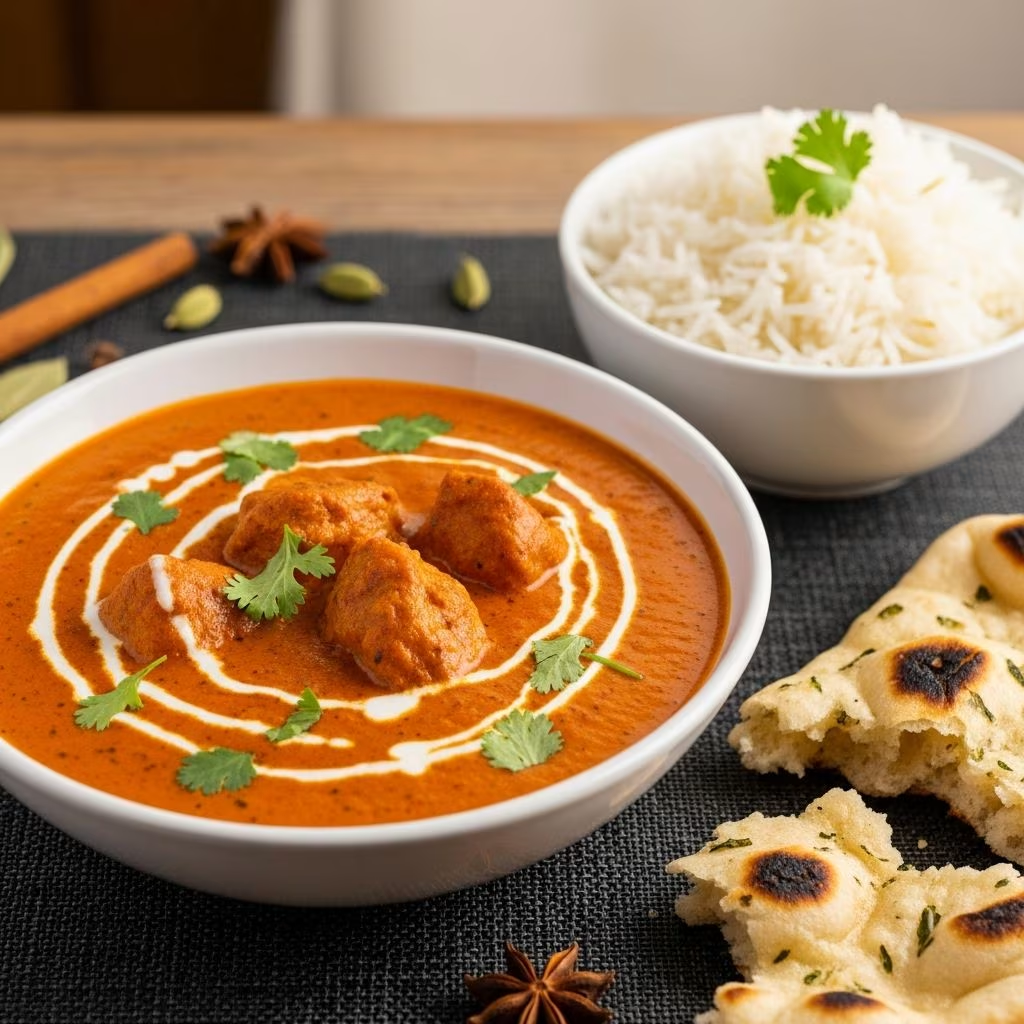
Butter chicken, known as Murgh Makhani in Hindi, represents one of the most significant culinary innovations in Indian cuisine. The dish emerged during the 1950s when restaurant chefs in Delhi faced a common problem: leftover tandoori chicken that needed to be repurposed. Rather than discarding the meat, these innovative cooks combined the grilled chicken with a silky tomato-based sauce enriched with butter and cream, creating a dish that would transform Indian restaurant dining worldwide. What began as a practical solution quickly evolved into one of the most beloved curries served across the globe, commanding a permanent place on menus from London to New York to Sydney.
The brilliance of this dish lies in its accessibility. While traditional Indian cooking often requires specialized equipment and hours of preparation, butter chicken manages to deliver complex, restaurant-quality flavors within a timeframe suitable for modern weeknight cooking. The combination of tender, spiced chicken suspended in a luxurious tomato cream sauce creates a comfort food that appeals to diverse palates while maintaining authentic flavor profiles.
The Foundation: Selecting and Preparing Your Chicken
The quality of your final dish begins with thoughtful chicken selection. While traditional recipes call for bone-in chicken pieces, modern adaptations offer flexibility without sacrificing flavor. Boneless, skinless chicken breasts provide a quicker cooking option ideal for busy weeknights, while bone-in varieties deliver richer flavor and superior texture, particularly when properly marinated.
Regardless of your choice, cut the chicken into uniform pieces approximately one-half inch in size. This consistency ensures even cooking throughout, preventing scenarios where some pieces remain undercooked while others become dry and tough. The marination process represents a critical step that distinguishes homemade butter chicken from inferior versions.
Crafting the Perfect Marinade
The marinade serves multiple functions simultaneously: it tenderizes the meat through enzymatic action, infuses flavor throughout, and creates a protective barrier that helps retain moisture during cooking. Begin with Greek yogurt as your base, which provides both tenderness and a subtle tang. Add freshly minced garlic and ginger—these aromatics form the flavor foundation and should never be substituted with bottled versions. The difference in vibrancy is immediately noticeable.
Combine these wet ingredients with a carefully balanced spice blend. The traditional combination includes garam masala, ground cumin, turmeric, and chili powder. Each spice contributes distinct characteristics: garam masala provides warmth and complexity, cumin adds earthiness, turmeric delivers color and subtle bitterness, and chili powder contributes heat. Fresh lemon juice adds acidity that both tenderizes and brightens the overall flavor profile.
Allow the chicken to marinate for a minimum of thirty minutes for quick weeknight preparations, though three to four hours or overnight yields superior results. Extended marination allows the spices to penetrate deeper into the meat while the yogurt’s enzymes work more thoroughly to break down muscle fibers.
Cooking Methods: Finding Your Preferred Technique
The Traditional Tandoor Approach
Authentic butter chicken begins with tandoori-cooked chicken—meat cooked in a traditional clay oven at extremely high temperatures. This method creates the characteristic charred exterior while keeping the interior tender and juicy. Home cooks without access to tandoors can approximate these results using alternative methods. A cast-iron skillet preheated to high temperature provides excellent results, creating a flavorful crust while cooking through the interior. Outdoor grilling over charcoal offers another authentic option, producing the characteristic light char mentioned in traditional preparations.
Simplified Stovetop Variations
Many modern recipes streamline the process by cooking marinated chicken directly in butter within a single skillet. While this method differs from traditional tandoori preparation, it remains valid and produces tender, flavorful results. The butter coating prevents sticking while contributing rich flavor to the cooking process. This approach proves particularly practical for apartment dwellers or those seeking maximum convenience.
Building the Signature Makhani Sauce
The makhani (butter) sauce represents butter chicken’s defining characteristic—a velvety, aromatic sauce that coats each piece of chicken and clings to rice or naan. Creating this sauce requires understanding how to layer flavors systematically.
The Aromatics Foundation
Begin by melting butter in your cooking vessel, then add whole spices including cinnamon sticks, cardamom pods, and cloves. Allow these spices to sizzle briefly until their essential oils release, creating an aromatic foundation. This step, taking only one to two minutes, dramatically elevates the final dish’s complexity. Add minced ginger and garlic paste, cooking gently for another minute or two until fragrant but not burnt. This careful heat management prevents bitterness.
Layering Tomato and Cream Components
Many recipes incorporate sliced onions at this stage, which soften while releasing natural sugars that balance tomato acidity. Add tomato paste and allow it to cook briefly, intensifying its flavor through a process called caramelization. Follow with crushed tomatoes or tomato sauce, introducing the dish’s signature color and tang.
Here lies a crucial technique: simmer this tomato-based mixture for several minutes, allowing flavors to meld and the sauce to reduce slightly, concentrating tastes. Only after this crucial step add heavy cream or cashew cream, stirring gently to achieve a uniform consistency. The cream mellows acidity while contributing richness, creating the signature silky texture. Adding cream too early can result in separation or curdling, so patience proves essential.
Spice Integration and Final Adjustments
Beyond the whole spices added at the beginning, incorporate ground spices including garam masala, cumin, turmeric, and paprika. A pinch of sugar balances any remaining tomato acidity, while salt and chili powder allow customization to your heat preference. The sauce should taste balanced—neither one-dimensional nor muddy—with each component distinguishable yet harmonious.
Essential Ingredients and Substitution Strategies
| Ingredient Category | Primary Options | Acceptable Alternatives | Notes |
|---|---|---|---|
| Dairy Base | Heavy cream, Ghee | Greek yogurt (reduced), Cashew cream | Fresh dairy produces superior results; Greek yogurt reduces richness |
| Tomato Component | Fresh tomatoes, Canned crushed tomatoes | Tomato paste, Tomato sauce | Quality canned tomatoes often outperform out-of-season fresh |
| Spice Blend | Homemade garam masala | Pre-made garam masala | Homemade offers superior freshness but pre-made remains convenient |
| Aromatics | Fresh ginger and garlic | Pre-minced (not recommended) | Fresh aromatics provide noticeably superior flavor and aroma |
| Chicken Protein | Bone-in thighs or breasts | Boneless, skinless breasts | Bone-in develops richer flavor; boneless cooks faster |
Variations and Creative Adaptations
Coconut-Infused Renditions
While traditional butter chicken relies on dairy cream, some contemporary recipes incorporate coconut milk, particularly in quick thirty-minute versions. This variation adds tropical sweetness and creaminess while reducing cooking time. The coconut milk pairs beautifully with the same spice blend and produces a lighter version suitable for dairy-free diets.
Heat Level Customization
The beauty of homemade butter chicken lies in complete control over spice levels. Adding green chilies or increased chili powder intensifies heat for those preferring spicier versions, while reducing these components creates milder versions for children or heat-sensitive palates. The sauce’s inherent richness balances heat, allowing for more aggressive seasoning than expected.
Single-Skillet Efficiency
Modern versions streamline cleanup by preparing the entire dish in one skillet. After cooking the marinated chicken and removing it temporarily, create the sauce in the same vessel, allowing it to capture all the flavorful fond stuck to the bottom. This technique reduces both work and dishwashing while concentrating flavors.
Timing, Temperature, and Texture Mastery
Success with butter chicken depends on understanding heat management and cooking times. Whether preparing bone-in or boneless chicken, ensure pieces cook through without drying out. Testing for doneness involves verifying that internal temperature reaches 165°F (74°C) without overcooking, which causes rubbery texture.
The sauce should simmer gently rather than boil vigorously, which can cause cream separation and break the silky texture. When adding cooked chicken back to the sauce for final combining, maintain this gentle simmer for just a few minutes, allowing flavors to marry without further cooking the protein.
Serving Strategies and Complementary Accompaniments
Butter chicken’s versatility extends to serving options. Steamed white rice provides the classic canvas, absorbing the luxurious sauce while offering neutral flavoring. Basmati rice, with its subtle floral notes, complements the dish particularly well. Naan bread—whether store-bought or homemade—offers an alternative that allows for sauce scooping and hand-held enjoyment.
Garnish with fresh cilantro, which brightens the rich dish and adds visual appeal. Thinly sliced red onion offers acid and textural contrast, while a squeeze of fresh lemon juice at the table allows individual customization. Some traditions incorporate crushed cashews for textural complexity, while others finish with a drizzle of cream or a sprinkle of garam masala.
Storage, Reheating, and Meal Planning
Butter chicken improves with time, as spices continue melding overnight. Store cooled curry in airtight containers for up to four days, making it ideal for meal preparation. Gently reheat on the stovetop over medium heat, stirring occasionally and adding a splash of water if the sauce has thickened excessively. Avoid microwave reheating when possible, as this method risks uneven heating and cream separation.
Frequently Asked Questions
Can I make butter chicken without cream?
Yes. Cashew cream provides a dairy-free alternative with similar richness. Soak raw cashews in hot water for thirty minutes, then blend until smooth before adding to your sauce. Yogurt reduces richness but maintains creaminess, though it requires careful heating to prevent separation.
Why does my sauce taste flat or one-dimensional?
This typically indicates insufficient cooking time before adding cream or inadequate spice balancing. Ensure your tomato sauce simmers for several minutes, developing deeper flavor. Taste and adjust individual spices incrementally—don’t add all at once.
How can I achieve restaurant-quality texture?
The secret lies in proper marination, high-heat initial cooking creating crust, and gentle sauce simmering. Extended marination (overnight when possible) dramatically improves tenderness. Avoid overcooking chicken pieces, as this irreversibly dries them.
Is garam masala absolutely necessary?
While garam masala provides authentic complexity, reasonable approximations exist using individual spices: combine cinnamon, cardamom, cloves, and cumin. However, quality store-bought garam masala simplifies preparation without sacrificing results.
What’s the difference between butter chicken and chicken tikka masala?
While similar, butter chicken typically features more tomato and butter, creating a lighter sauce, while tikka masala emphasizes cream and spices, producing a richer consistency. Butter chicken also traditionally begins with tandoori chicken, though modern adaptations blur these distinctions.
References
- Butter Chicken Recipe (Indian Chicken Makhani) — Swasthi’s Recipes. https://www.indianhealthyrecipes.com/butter-chicken/
- Butter Chicken — The Modern Proper. https://themodernproper.com/butter-chicken
- Butter Chicken — RecipeTin Eats. https://www.recipetineats.com/butter-chicken/
- Easy Butter Chicken — What Should I Make For. https://whatshouldimakefor.com/easy-butter-chicken/
- Butter Chicken — Budget Bytes. https://www.budgetbytes.com/butter-chicken/
- The Ultimate Butter Chicken — YouTube. https://www.youtube.com/watch?v=8V6Krk8DDuc
- 30 Minute Spicy Indian Butter Chicken — Half Baked Harvest. https://www.halfbakedharvest.com/butter-chicken/