Butter cake stands as a timeless dessert, celebrated for its rich flavor, tender crumb, and versatility in both everyday baking and special celebrations. This guide explores everything from foundational recipes to advanced techniques, drawing on proven methods to help you create bakery-quality results at home.
Why Butter Cake Captivates Bakers Everywhere
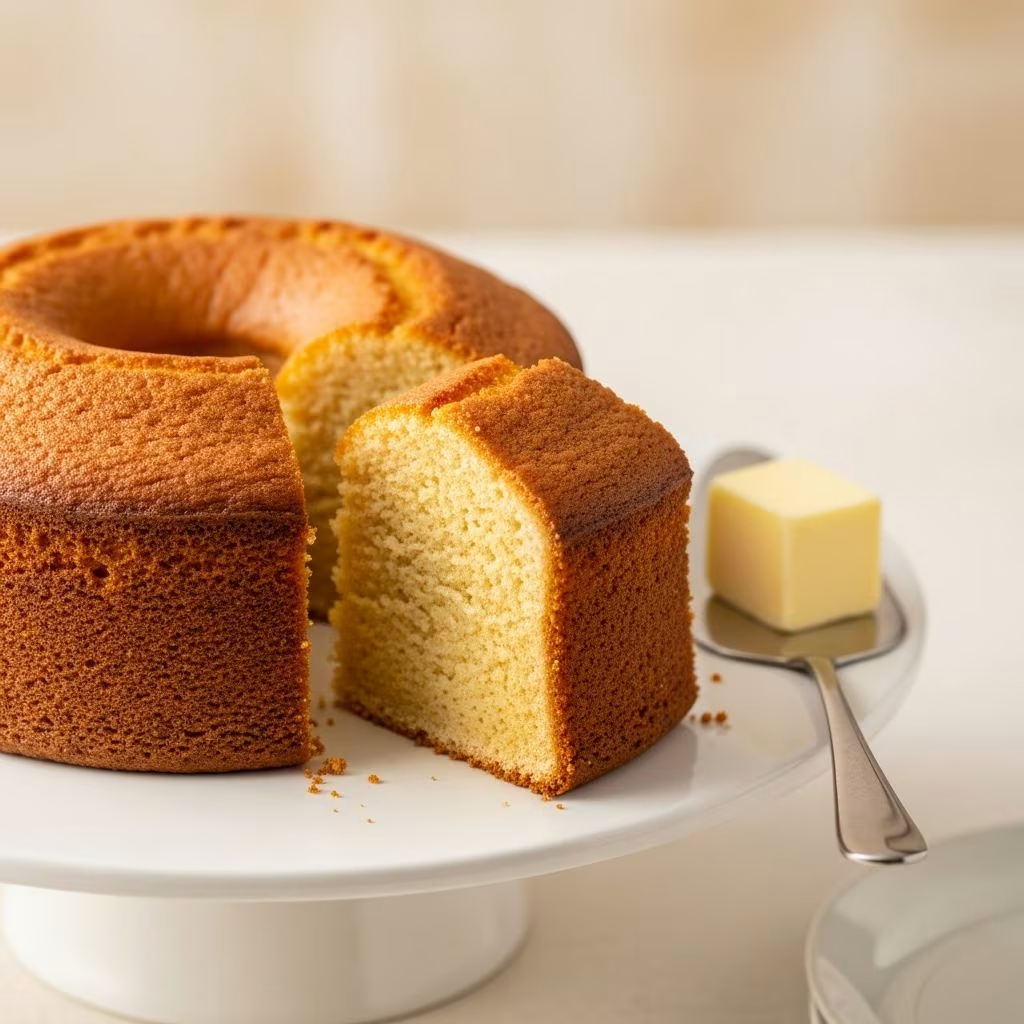
At its core, butter cake derives its name from the generous use of butter, which imparts a distinctive richness and golden hue. Unlike lighter sponges, these cakes boast a dense yet soft texture, making them ideal for soaking up glazes or pairing with frostings. Their appeal lies in simplicity—basic pantry staples transform into something indulgent.
Variations span cultures: French-inspired versions emphasize yogurt or oil for moisture, while American classics like Kentucky butter cake feature a signature soak that keeps the cake impossibly moist for days. Whether you’re a novice or seasoned baker, mastering butter cake opens doors to endless customization.
Essential Ingredients for Success
Selecting high-quality components is crucial. Butter provides structure and flavor; opt for unsalted to control salt levels, though salted works if adjusted. Granulated sugar tenderizes and sweetens, while eggs bind and add lift.
- Flour: All-purpose or cake flour for tenderness; spoon and level to avoid density.
- Leavening: Baking powder for rise; fresh for reliability.
- Fats: Butter base, sometimes boosted with oil or sour cream for moisture.
- Liquids: Milk, buttermilk, or yogurt to hydrate without toughness.
- Flavorings: Vanilla extract or almond for depth.
Room-temperature ingredients ensure even mixing, preventing curdling or lumps.
Classic Butter Cake Recipe
This foundational recipe yields a 9×13-inch cake, perfect for gatherings. Prep time: 15 minutes. Bake time: 35-40 minutes. Serves 12-15.
Ingredients
| Ingredient | Amount |
|---|---|
| Unsalted butter, softened | 1 cup (226g) |
| Granulated sugar | 2 cups (400g) |
| Large eggs | 4 |
| Vanilla extract | 2 tsp |
| All-purpose flour | 3 cups (360g) |
| Baking powder | 1 tsp |
| Baking soda | ½ tsp |
| Salt | 1 tsp |
| Whole milk | 1 cup (240ml) |
Step-by-Step Instructions
- Preheat oven to 325°F (165°C). Grease and flour a Bundt or 9×13 pan.
- Beat butter and sugar until pale and fluffy, about 4 minutes.
- Add eggs one at a time, beating well; mix in vanilla.
- Whisk dry ingredients separately.
- Alternate adding dry mix and milk to batter, starting and ending with dry.
- Bake until a toothpick tests clean. Cool in pan 15 minutes, then invert.
Expect a golden crust and moist interior.
Signature Butter Glaze
Elevate your cake with a warm glaze that seeps in, creating a glossy, addictive finish.
Glaze Ingredients
- 5 tbsp unsalted butter
- ¾ cup granulated sugar
- ¼ cup water
- 1½ tsp vanilla extract
- While cake bakes, simmer glaze ingredients until thickened, 2 minutes.
- Poke hot cake with skewers; pour glaze evenly.
- Cool completely for infusion.
This technique, inspired by Southern traditions, ensures every bite is saturated.
Popular Variations to Try
Adapt the base for diversity.
French-Style Butter Cake
Light and yogurt-based for subtlety.
- ½ cup yogurt
- 1 cup sugar
- 3 eggs
- 1½ cups flour
- ½ cup neutral oil
- Vanilla and almond extracts
Bake in a 9-inch pan at 350°F for 30 minutes. Oil adds silkiness without heaviness.
Gooey Butter Cake
A St. Louis icon with cookie-like base and custard top.
- Cake mix base, cream cheese filling
- Powdered sugar dusting
Press dough into pan, top with gooey layer, bake low and slow.
Melt-in-Your-Mouth Restaurant Copycat
Uses cream cheese for luxury; serve warm with ice cream.
- 2 cups butter + 4 oz cream cheese
- Ramekins for individual portions
Baking Techniques for Perfection
Success hinges on method.
- Creaming: Beat butter-sugar 3-5 minutes for air incorporation.
- Temperature: Room-temp everything; cold butter leads to greasy batter.
- Mixing: Low speed after flour to preserve tenderness.
- Pans: Metal conducts heat best; dark pans bake faster.
Test doneness at minimum time; overbaking dries it out.
Troubleshooting Common Issues
| Problem | Cause | Solution |
|---|---|---|
| Dense cake | Overmixing or old leavening | Fold gently; test baking powder in water. |
| Sunken center | Oven too hot or underbaked | Lower rack; use thermometer. |
| Sticky top | High humidity | Bake longer; tent with foil. |
| Cracks | Rapid temp change | Cool gradually in pan. |
Storage and Make-Ahead Tips
Glazed cakes store at room temp up to 5 days in airtight container. Freeze unglazed up to 3 months; thaw and glaze fresh. Refrigerate for longer, but bring to room temp for best texture.
Make batter ahead? Mix dry and wet separately, combine just before baking.
Creative Serving Suggestions
- Layered: Split and fill with berries, whipped cream.
- Topped: Fresh fruit, lemon curd, or chocolate ganache.
- Warm Delight: À la mode with vanilla ice cream.
- Mini: Muffins for parties.
Pair with coffee or tea for afternoon treats.
Nutritional Snapshot
Per slice (1/12th cake, unglazed): ~350 calories, 18g fat, 45g carbs, 4g protein. Adjust with low-fat milk or less sugar.
Frequently Asked Questions
Can I use salted butter?
Yes, reduce added salt by half.
Gluten-free option?
Substitute 1:1 gluten-free flour blend; add xanthan gum if needed.
Why poke holes for glaze?
Allows penetration for even moisture distribution.
Vegan adaptation?
Use plant-based butter, eggs replacer, and dairy-free milk.
Best pan size?
10-12 cup Bundt or 9×13 for standard batter.
References
- USDA Baking Powder Guidelines — United States Department of Agriculture. 2023-05-15. https://www.fsis.usda.gov/food-safety/safe-food-handling-and-preparation/food-safety-basics/baking-powder
- Food Chemistry of Fats and Oils — Institute of Food Technologists. 2024-02-10. https://www.ift.org/news-and-publications/food-technology-magazine/issues/2024/february/columns/food-chemistry
- Leavening Agents in Baking — American Chemical Society. 2022-11-20. https://www.acs.org/education/resources/highschool/chemmatters/past-issues/2022-2023/november-2022/leavening.html
- Butter in Baking Science — FDA Food Code. 2025-01-01. https://www.fda.gov/food/fda-food-code/food-code-2022