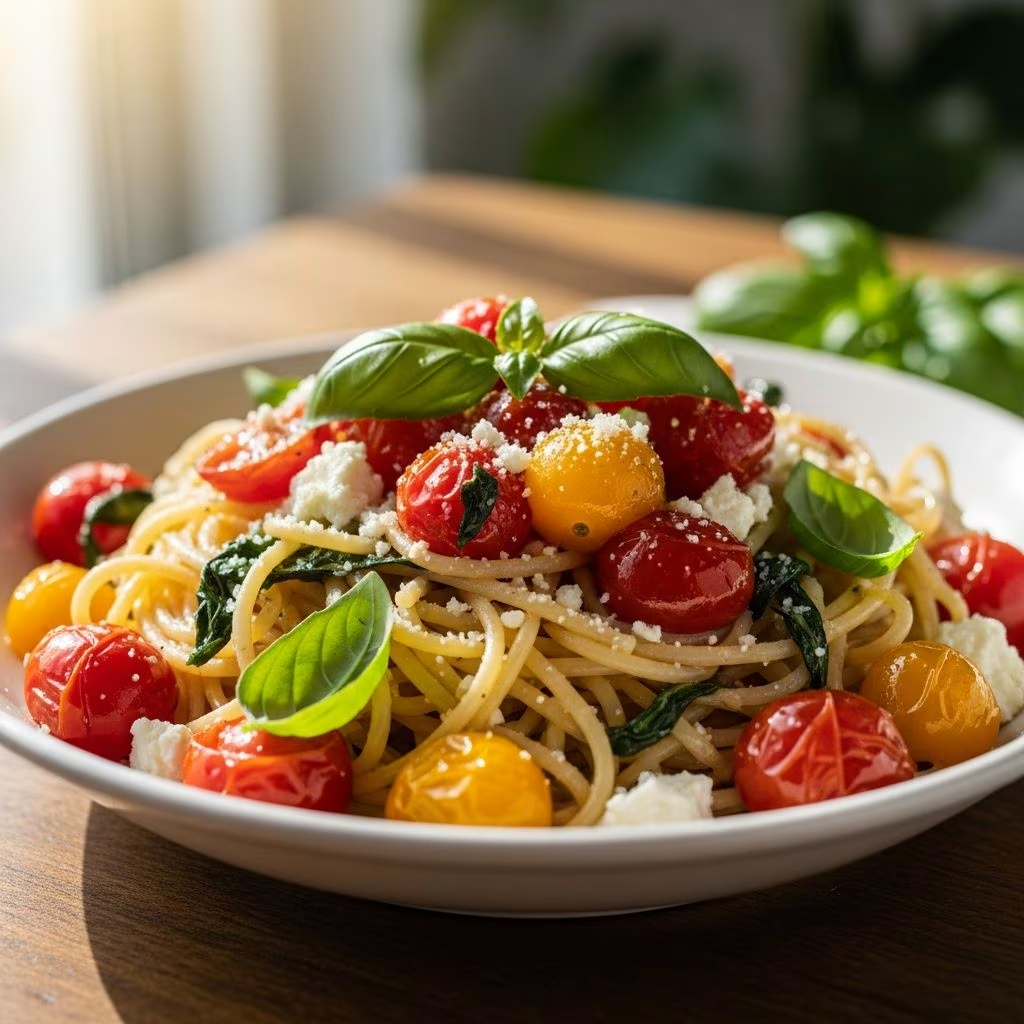
When summer arrives and farmers markets overflow with vibrant cherry tomatoes, home cooks discover one of the season’s most rewarding culinary projects: transforming these jewel-like fruits into a silky, naturally sweet pasta sauce. This preparation method stands apart from traditional cooked tomato sauces because it relies on the natural juices released by the tomatoes themselves rather than lengthy simmering. The technique is remarkably forgiving and produces results that taste as though they emerged from an Italian grandmother’s kitchen, yet require minimal time and effort.
Understanding the Core Technique Behind This Dish
The foundation of this recipe rests on a simple principle: when cherry tomatoes are gently heated with quality olive oil and aromatics, their skins soften and eventually rupture, releasing their accumulated sweetness into the cooking medium. This process transforms individual tomatoes into a cohesive sauce without the need for heavy cream, butter, or lengthy reduction. The beauty of this approach lies in its efficiency—the stove does most of the work while the cook simply monitors progress and occasionally stirs.
Unlike marinara sauce, which develops depth through hours of simmering, or cream-based preparations that rely on dairy for richness, burst cherry tomato sauce achieves its character through the quality of its primary ingredients and the careful balance of heat and timing. Selecting properly ripened tomatoes becomes paramount, as under-ripe specimens will resist bursting and fail to release their full complement of natural sugars.
Selecting and Preparing Your Ingredients
Tomato Varieties and Selection Criteria
While traditional cherry tomatoes form the namesake of this dish, several varieties perform beautifully in this preparation. Sungold tomatoes, prized for their honeyed sweetness, add layers of complexity to the finished sauce. Grape tomatoes, slightly oblong and meatier than cherries, contribute a firmer texture that holds up well during the cooking process. Burst tomatoes, a specific cultivar bred for this exact application, live up to their name by rupturing readily when heated.
For those whose gardens or local markets offer heirloom varieties, larger specimens like Roma or beef tomatoes can be incorporated by cutting them into smaller pieces before cooking. The key consideration involves selecting tomatoes at peak ripeness—those that yield slightly to gentle pressure and display deep color throughout rather than pale shoulders. Purchasing tomatoes directly from farmers markets, when seasonally available, typically guarantees superior flavor compared to supermarket specimens that have traveled long distances.
Essential Pantry Components
Quality olive oil serves as more than a cooking medium in this recipe; it functions as a flavor foundation. Extra-virgin olive oil, with its more robust flavor profile, creates a more pronounced taste than refined varieties. However, the particular characteristics of your olive oil—whether it displays peppery notes, herbaceous qualities, or buttery undertones—directly influence the final dish’s character. Consider this an opportunity to showcase a favorite bottle rather than reserving premium oil for salad dressing alone.
Fresh garlic, sliced rather than minced, releases its pungent compounds gradually during the cooking process, allowing for a more balanced integration into the sauce. Pre-sliced or jarred garlic produces notably inferior results, as these products have already begun oxidizing and lack the aromatic compounds that develop during the actual cooking process.
Fresh basil, torn or roughly chopped rather than finely minced, maintains its aromatic qualities better when added near the conclusion of cooking. Using dried basil represents a significant compromise in flavor quality and should be reserved for situations where fresh herbs prove genuinely unavailable.
Step-by-Step Preparation and Cooking Method
Initial Setup and Ingredient Preparation
Before applying heat to any cookware, organize all ingredients within arm’s reach of your cooking station. This mise en place approach prevents scrambling to locate items while tomatoes are bursting on the stove. Fill a large pot with water and add sufficient salt to create a brine that tastes pleasantly seasoned—the pasta will absorb this flavoring during cooking. Bring this water to a rolling boil before adding pasta, as this ensures proper gelatinization of starches and creates the al dente texture most cooks prefer.
Developing the Sauce Foundation
Heat olive oil in a large skillet over medium heat, then introduce sliced garlic cloves. Listen for a gentle sizzle—this indicates the temperature has reached approximately 300 degrees Fahrenheit, hot enough to awaken the garlic’s flavor compounds without scorching them into bitterness. Within 30 to 45 seconds, the kitchen fills with the unmistakable aroma of toasting garlic, signaling the optimal moment to add tomatoes.
Distribute the tomatoes evenly across the pan’s surface, then use a wooden spoon to roll them gently, ensuring all surfaces contact the heated oil. This initial coating layer takes approximately one minute. Reduce the heat slightly to medium-low—maintaining too high a temperature risks burning the garlic and creating harsh flavors rather than the desired sweet base.
The Bursting Phase
Over the next 5 to 10 minutes, individual tomatoes will soften noticeably. Their skin, initially taut and glossy, begins to wrinkle slightly. At this point, using the back of your wooden spoon, gently press down on some tomatoes while leaving others intact. The goal involves creating a varied texture—some tomatoes should collapse completely while others retain their basic shape, contributing bursts of concentrated tomato flavor against a creamy sauce background.
Continue stirring occasionally during this phase, rotating tomatoes that haven’t yet burst to ensure even cooking. The transformation progresses gradually, and rushing this step by increasing heat typically results in burned garlic and sauce that tastes acrid rather than sweet. Patience during this phase directly correlates with the finished dish’s quality.
Building Complexity with Seasonings
Once the majority of tomatoes have released their juices, introducing secondary seasonings becomes appropriate. Red pepper flakes, if using them, should be added sparingly—their heat intensifies during cooking, and an overly spicy sauce can overwhelm the delicate balance of flavors. A pinch of salt helps draw out remaining liquid from intact tomatoes and balances the natural sweetness they’ve already released.
Some preparations benefit from a whisper of sugar—not to mask inferior tomatoes, but rather to heighten the inherent sweetness of peak-season specimens. This represents an optional addition based on the tomatoes’ natural character and personal taste preference.
Completing the Sauce
Add fresh basil to the pan and stir gently, distributing the herbs throughout the sauce. At this point, introduce approximately one-quarter cup of the pasta water—reserved from the boiling pot before draining the cooked pasta. This starchy liquid acts as a natural thickener, helping the sauce coat individual pasta strands more effectively. The increased liquid also prevents the sauce from becoming too concentrated, maintaining the light, fresh quality that distinguishes this preparation from heavier tomato-based sauces.
Simmer the mixture over low heat for one to two additional minutes, stirring occasionally, until the sauce achieves a consistency that coats the back of a spoon but remains pourable.
Combining Pasta with Sauce
Drain the al dente pasta using a colander, reserving at least one cup of the cooking water. Rather than rinsing the pasta under running water—which removes the surface starch that helps sauce adhesion—transfer the hot pasta directly into the skillet containing the tomato sauce. The residual heat from both components creates an environment where flavors meld and integrate rather than remaining separate on the plate.
Toss the combination thoroughly over low heat, allowing the pasta to absorb the sauce’s flavors. If the mixture appears dry, add additional pasta water one tablespoon at a time, stirring between additions until reaching the desired consistency. This gradual approach prevents accidentally creating a soupy dish that requires correction.
Finishing Touches and Serving
Transfer the pasta to serving bowls or plates using tongs or a slotted spoon, ensuring each portion includes a generous portion of sauce. Top with freshly grated Parmigiano-Reggiano, allowing its crystalline structure and nutty flavor to complement the tomato base. A small knob of cold butter, placed directly atop each serving, melts into the hot pasta, adding a luxurious texture that rounds out the dish.
Some preparations benefit from additional fresh basil leaves scattered across the top, while others feature a crack of black pepper or a drizzle of high-quality finishing oil. These final embellishments should enhance rather than overwhelm the primary flavors.
Adapting the Recipe for Various Situations
Pasta Shape Considerations
| Pasta Type | Best Use Case | Sauce Adherence |
|---|---|---|
| Spaghetti or linguine | Traditional preparation for light sauces | Moderate—sauce coats strands effectively |
| Fusilli or rotini | Captures sauce within spiral grooves | Excellent—curls trap bursted tomato pieces |
| Penne or rigatoni | Hearty presentation that holds substantial sauce | Excellent—hollow tubes collect liquid and tomato pieces |
| Angel hair or capellini | Delicate preparation emphasizing tomato flavor | Good—thin strands require less sauce volume |
Protein Additions
While this preparation stands beautifully as a vegetarian main course, incorporating proteins creates a more substantial meal. Grilled chicken breast, sliced and arranged atop the pasta, introduces textural contrast. Seared shrimp, added to the pan during the final minute of cooking, absorbs surrounding flavors while contributing briny sweetness. For those preferring land-based proteins, pan-seared scallops or even crumbled sausage can be incorporated, though the latter should be cooked separately to prevent fat from overwhelming the delicate tomato base.
Vegetable Companions
Spinach or arugula, wilted directly into the finished pasta during plating, adds nutritional density while complementing the tomato flavor. Thinly shaved zucchini or summer squash, added raw after plating, provides textural contrast and visual appeal. Caramelized onions, prepared in advance and stirred into the sauce during the final minutes, introduce umami depth without requiring additional cooking time during the main preparation.
Troubleshooting Common Challenges
Tomatoes Refusing to Burst
Under-ripe tomatoes, those selected from supermarket shelves before achieving peak ripeness, often fail to rupture readily. Extending the cooking time slightly and increasing heat to medium allows more aggressive bursting, though this risks charring garlic. Alternatively, manually pressing tomatoes with the back of the spoon completes the bursting process more actively.
Sauce Appearing Too Thin
If the finished sauce lacks body and fails to coat the pasta adequately, increase heat to medium-high and continue cooking while stirring frequently. This reduces excess liquid and concentrates flavors. The addition of pasta water, mentioned earlier, was perhaps insufficient for the particular tomato variety selected or the volume of liquid they released.
Overly Acidic Flavor Profile
Tomato acidity peaks before complete ripeness. If the finished dish tastes sharp or unbalanced, adding a pinch of sugar helps neutralize this quality. Alternatively, incorporating a small knob of butter creates a richer mouthfeel that obscures perceived acidity.
Storage and Make-Ahead Strategies
The tomato sauce component can be prepared up to two days in advance, stored in an airtight container within the refrigerator. Reheat gently over low heat, stirring frequently to prevent catching on the pan bottom. The pasta should always be prepared fresh immediately before serving, as reheated cooked pasta develops an unpleasant texture regardless of sauce quality.
Leftover finished pasta maintains acceptable quality for one day when stored in an airtight container, though the pasta will continue absorbing sauce and may become overly soft. Separating leftover pasta and sauce before refrigeration allows more flexible reheating options.
Frequently Asked Questions
Can I use canned cherry tomatoes if fresh ones aren’t available?
Canned tomatoes lack the delicate sweetness and subtle flavor nuances of fresh fruit, creating a noticeably different final dish. If fresh tomatoes prove genuinely unavailable, selecting whole canned tomatoes (rather than crushed or diced varieties) and proceeding as directed produces acceptable results, though quality suffers noticeably.
What type of olive oil works best for this preparation?
Extra-virgin olive oil from a single producer or region creates the most distinctive final product, as the oil’s flavor directly influences the dish’s character. Mid-range extra-virgin oils, while less expensive than premium bottles, typically offer superior quality compared to refined vegetable oils or generic “olive oil” labels.
How far in advance can I prepare this dish for entertaining?
Prepare the sauce up to 24 hours in advance, storing it in the refrigerator. Cook pasta only minutes before serving, then combine the two components quickly over gentle heat. This approach ensures optimal pasta texture while maintaining sauce flavor quality.
Does this recipe work with dried herbs instead of fresh basil?
Dried basil lacks the aromatic compounds and fresh flavor that distinguish this preparation. If fresh basil proves unavailable, omitting the herb entirely produces better results than substituting dried alternatives. Some cooks prefer oregano as a supplementary flavoring when basil isn’t accessible.
Why This Preparation Celebrates Summer Simplicity
This cooking method exemplifies how quality ingredients and proper technique combine to create restaurant-caliber results at home. Rather than masking inferior tomatoes with heavy sauces or lengthy cooking processes, this approach highlights the fruit’s natural character while respecting its delicate flavor profile. Once home cooks experience the difference between this preparation and conventional tomato pasta dishes, the technique becomes a reliable summer standard.
References
- Burst Cherry Tomato Pasta — Lindsey Eats. Accessed April 8, 2026. https://lindseyeatsla.com/burst-cherry-tomato-pasta/
- Quick & Easy Burst Tomato Pasta — Plays Well with Butter. Accessed April 8, 2026. https://playswellwithbutter.com/burst-tomato-pasta/
- Burst Cherry Tomato Pasta — Olive & Mango. Accessed April 8, 2026. https://www.oliveandmango.com/burst-cherry-tomato-pasta/
- Burst Cherry Tomato Pasta — Italian Food Forever. Accessed April 8, 2026. https://italianfoodforever.com/2025/09/burst-cherry-tomato-pasta/