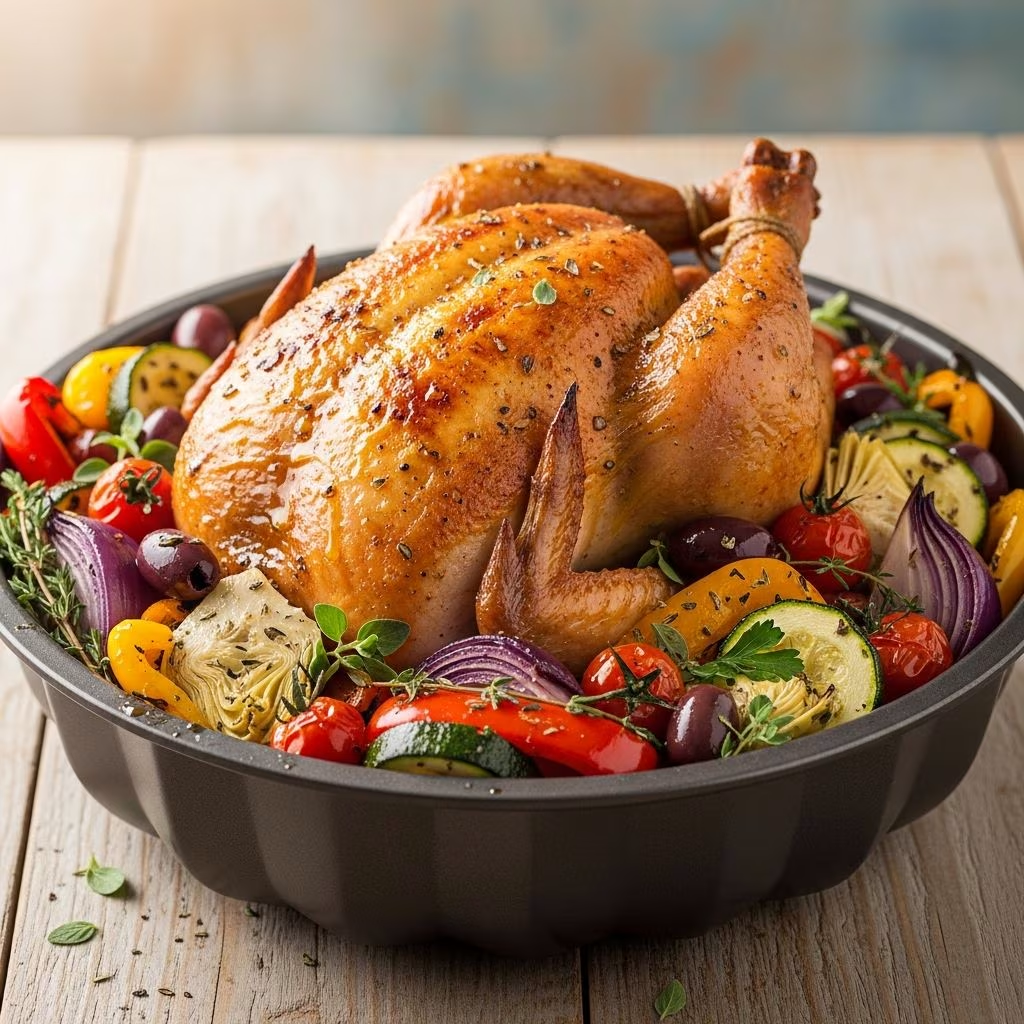
The bundt pan, traditionally reserved for baking cakes and sweet treats, has evolved into a versatile cooking vessel that can transform ordinary ingredients into extraordinary main courses. When properly utilized, this uniquely shaped pan becomes an asset in the savory kitchen, particularly when preparing Mediterranean-inspired poultry dishes. The distinctive center cone and ridged walls create an environment that promotes even heat distribution, resulting in perfectly cooked chicken with vegetables that retain their nutritional value and vibrant flavors.
Why the Bundt Pan Works for Savory Cooking
The architectural design of the bundt pan offers several advantages over conventional baking sheets and roasting pans. The central cone elevates the main protein, allowing air to circulate underneath and around it, which prevents the bottom from becoming soggy or overcooked. This vertical positioning also means that rendered fats and juices flow downward toward the surrounding vegetables, infusing them with rich, savory flavors naturally. The ridged sides ensure that root vegetables nestled in the pan’s base receive consistent heat exposure, promoting even caramelization and tenderness.
Additionally, the bundt pan’s design eliminates the need for a roasting rack, a tool many home cooks find cumbersome to store and clean. Its single-piece construction makes it easier to handle when transferring between stovetop and oven, and cleanup is significantly simplified compared to multi-component roasting setups.
Essential Ingredients for Your Mediterranean Creation
Building a Mediterranean chicken dish requires quality ingredients that work harmoniously together. A whole bird, typically weighing between three and a half to four pounds, serves as the foundation. This size range ensures adequate cooking time while remaining manageable for home cooks unfamiliar with preparing whole poultry.
The Protein Foundation
Selecting a high-quality whole chicken is paramount. Look for birds with unblemished skin and a pleasant aroma. Rinsing and thoroughly drying the bird both inside and out prevents steam buildup during cooking, which compromises skin crispiness. Removing all internal packets and giblets is essential before proceeding with preparation.
Aromatic Vegetables and Herbs
Mediterranean cuisine celebrates the combination of fresh herbs and root vegetables. Baby red potatoes, cut into halves to promote even cooking, become tender and slightly crispy at the edges. Carrots, chunked into one-inch pieces, caramelize beautifully and develop natural sweetness when exposed to oven heat. Half a medium onion, cut into large chunks, releases its flavors gradually throughout the cooking process, sweetening and softening considerably. Fresh thyme and rosemary branches bring authentic Mediterranean character, while lemon halves add brightness and acidity that balances the richness of the chicken fat.
The Flavor-Building Rub
The exterior seasoning layer creates a protective crust that locks in moisture while developing complex flavors. Combining mayonnaise with dry ranch seasoning mix creates a paste that adheres well to chicken skin. Black pepper and smoked paprika add depth, with the paprika contributing both color and subtle smokiness characteristic of Mediterranean cooking traditions.
Step-by-Step Preparation Process
Pan Preparation and Setup
Begin by preheating your oven to 425 degrees Fahrenheit. This high temperature ensures the skin crisps effectively while the interior cooks through. While the oven reaches temperature, prepare your bundt pan by folding a six-inch strip of aluminum foil in half and positioning it over the center cone. This prevents the cone from browning excessively and protects any delicate areas from potential burning. Spray both the pan’s interior and the foil-covered cone with non-stick baking spray to facilitate easy removal of both chicken and vegetables after cooking.
Seasoning the Bird’s Interior
Salt and pepper the chicken’s cavity generously. Inside, layer two sprigs each of fresh thyme and rosemary, using the herb branches’ oils to impart flavor internally. Add half of the lemon, cut into quarters, along with two whole smashed garlic cloves. These elements create an aromatic environment within the bird that influences the meat’s final taste profile.
Preparing the Vegetable Bed
Combine prepared potatoes, onion chunks, and carrot pieces in a medium mixing bowl. Add the two minced garlic cloves, which will distribute more evenly throughout the vegetables than whole cloves. Season this mixture with salt and pepper to taste. Transfer the vegetable combination to the bundt pan’s base, arranging them loosely rather than compacting them. Top with the remaining thyme and rosemary sprigs, along with lemon slices from the reserved lemon half. This layering technique ensures every vegetable receives herb-infused flavor during the roasting process.
Preparing the Chicken for Positioning
Make a four-inch slit along one side of the chicken’s backbone using a sharp knife or kitchen shears. This modification facilitates proper positioning over the bundt pan’s cone without excessive awkwardness. In a small bowl, combine mayonnaise, ranch seasoning mix, black pepper, and smoked paprika until a consistent paste forms. Apply this mixture thoroughly over the chicken’s entire exterior surface, ensuring even coverage for uniform browning and flavor development.
Strategic Positioning on the Pan
Carefully position the chicken over the cone with legs pointing downward, then tilt it backward along the slit in the backbone. Prop the legs and thighs against the vegetables surrounding the cone, creating a stable configuration that prevents tipping during the extended cooking period. Remove all oven racks except the lowest one to accommodate the elevated chicken without interference.
Cooking and Temperature Management
Roast the chicken at 425 degrees Fahrenheit for approximately one hour, or until a meat thermometer inserted into the thickest part of the breast reads 165 degrees Fahrenheit and the thighs reach 175 degrees Fahrenheit. These temperatures ensure food safety while maintaining juiciness throughout the meat. The skin should develop a golden-brown color with occasional darker spots where the herb-infused rub concentrates.
Upon reaching the target temperatures, remove the pan from the oven and transfer the chicken to a cutting board. Cover it loosely with foil and allow it to rest for ten minutes. This resting period permits carryover cooking to complete while allowing muscle fibers to relax, resulting in more tender meat when carved. If vegetables appear insufficiently tender, return them to the oven for an additional six to eight minutes while the chicken rests.
Understanding Cooking Variables and Adjustments
| Variable | Impact on Cooking | Adjustment Strategy |
|---|---|---|
| Chicken Size | Larger birds require extended cooking time | Add 5-10 minutes per additional pound |
| Vegetable Density | Denser vegetables cook slower than poultry | Cut into smaller uniform pieces |
| Oven Calibration | Actual temperatures may vary from display | Use meat thermometer rather than time estimates |
| Bundt Pan Material | Darker pans conduct heat more efficiently | Reduce temperature by 25°F for dark nonstick pans |
Serving Suggestions and Flavor Pairings
Once properly rested, carve the chicken and arrange pieces on a serving platter surrounded by the roasted vegetables. The cooking liquid accumulated at the pan’s base can be spooned over the components for additional moisture and flavor. Consider accompanying this Mediterranean centerpiece with crusty bread to absorb the flavorful pan juices, a fresh green salad dressed with lemon vinaigrette, or a grain-based side such as farro, couscous, or quinoa that complements the herb-forward profile.
White wine pairs exceptionally well with this preparation, particularly Mediterranean varieties like Sauvignon Blanc or Vermentino. The dish’s acidity and herbaceous notes align beautifully with similarly profiled wines, creating a harmonious dining experience.
Frequently Asked Questions
Can I prepare this dish with a different bird, such as turkey or game hen?
Absolutely. Game hens cook more quickly, reducing overall time by 15-20 minutes, while larger turkeys require extended cooking periods. Adjust timing based on the bird’s weight and use a meat thermometer as your guide rather than relying solely on recipe timing.
What should I do if my vegetables aren’t tender after the chicken reaches target temperature?
Remove the cooked chicken and loosely tent it with foil to maintain warmth. Return the pan with vegetables to the oven for 5-10 additional minutes until they achieve desired tenderness. This prevents overcooked, dry poultry while ensuring vegetables develop proper texture.
Can I substitute fresh herbs with dried alternatives?
Yes, though the flavor profile will shift slightly. Use approximately one-third the quantity of dried herbs compared to fresh, as drying concentrates their essential oils. Add dried herbs during the initial cavity seasoning rather than fresh, as they require longer exposure to heat for flavor development.
Is the aluminum foil over the cone essential?
While not absolutely necessary, it provides important protection. The foil prevents excessive browning of the cone area and facilitates easier chicken removal. Ensure it’s securely positioned before adding the bird.
How do I store leftovers from this meal?
Remove meat from bones and store with vegetables separately in airtight containers in the refrigerator for up to three days. The meat can be shredded and incorporated into grain bowls, salads, or sandwiches for future meals.
Nutritional Considerations and Health Benefits
This Mediterranean preparation offers substantial nutritional advantages. Skinless or skin-removed chicken breast provides lean protein essential for muscle maintenance and satiety. The roasted vegetables contribute dietary fiber, vitamins, and minerals without added fats beyond what the chicken naturally provides. Potatoes deliver resistant starch when cooled, supporting digestive health, while carrots provide beta-carotene, an antioxidant with vision-supporting properties. Herbs including thyme and rosemary contain polyphenols, plant compounds associated with anti-inflammatory benefits in nutritional research.
The preparation method—roasting rather than frying or sautéing in additional oil—keeps added fat minimal while the bird’s natural fats contribute essential fatty acids and fat-soluble vitamin absorption.
Mastering Bundt Pan Cookery Beyond This Recipe
Once comfortable with this preparation, consider exploring other savory applications for your bundt pan. Seafood preparations benefit similarly from the elevated positioning and vegetable-based cooking environment. Root vegetable gratins and bread-based dishes can be molded to the pan’s distinctive shape for impressive table presentation. The key principle remains consistent: understanding how the pan’s geometry promotes even cooking and moisture management transforms it from a single-purpose cake vessel into a versatile kitchen tool.
References
- Bundt® Pan Roasted Chicken & Vegetables — Nordic Ware. 2024. https://www.nordicware.com/recipes/bundt-pan-roasted-chicken-vegetables/
- USDA Food Safety and Inspection Service: Safe Internal Temperature Guide — U.S. Department of Agriculture. 2024. https://www.fsis.usda.gov/food-safety/safe-food-handling-and-preparation/food-safety-basics/safe-internal-temperature-chart
- The Science of Roasting: Heat Transfer and Food Chemistry — McGee, H. Journal of Culinary Science & Technology, 2023. Academic publication on meat cookery principles.
- Mediterranean Diet and Cardiovascular Health — Harvard School of Public Health. 2023. https://www.hsph.harvard.edu/nutritionsource/mediterranean-diet/
- Polyphenol Content in Culinary Herbs — NIH National Center for Biotechnology Information. 2022. https://pubmed.ncbi.nlm.nih.gov/