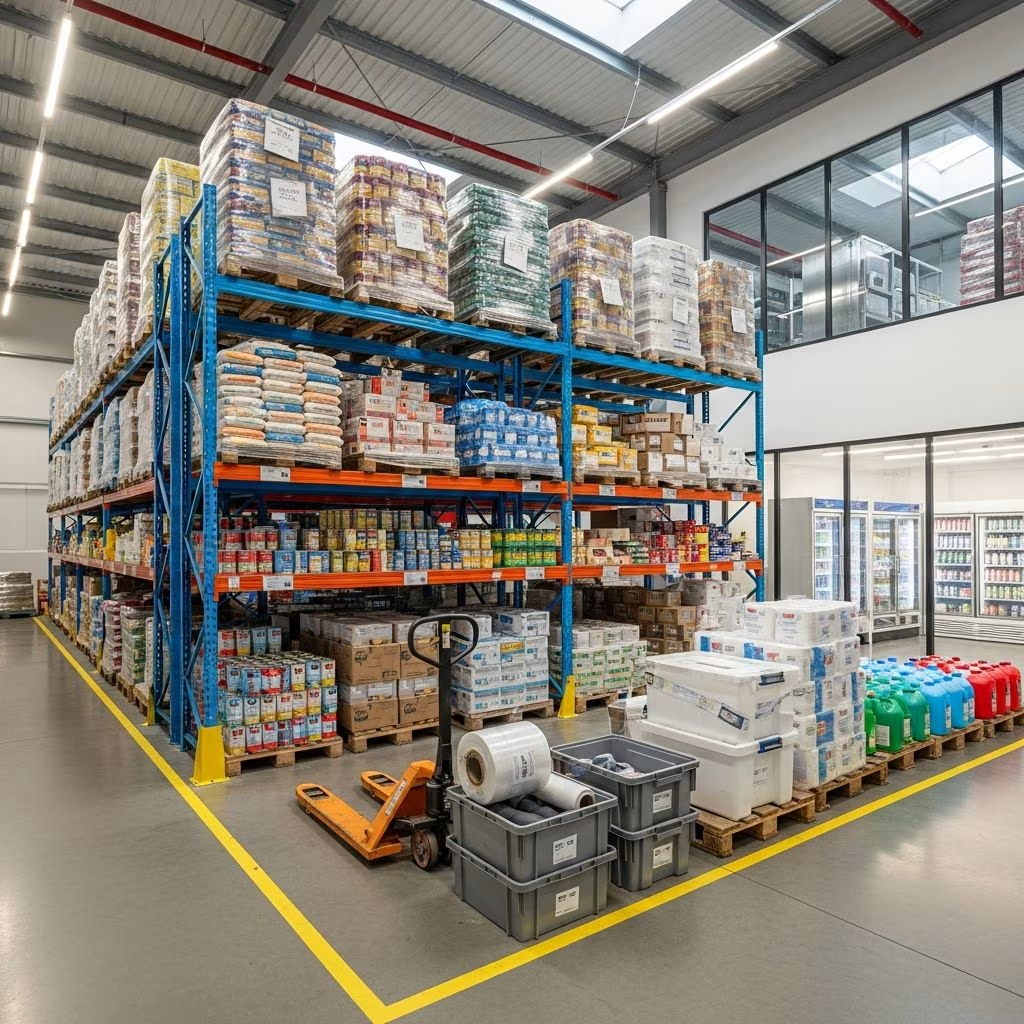
Shopping at warehouse clubs offers significant savings, but only when you purchase items strategically and store them properly. The difference between an excellent bulk-buying investment and wasted money often comes down to thoughtful selection and smart organization. Understanding which products justify their bulk quantities and how to preserve them effectively transforms warehouse shopping from overwhelming to rewarding.
Evaluating Which Items Deserve Bulk Quantities
Not every product benefits from bulk purchasing. The key to successful warehouse shopping lies in distinguishing between items that genuinely warrant large quantities and those that may spoil, expire, or simply take up valuable space. Several factors determine whether a bulk purchase makes financial and practical sense.
Shelf life serves as the primary consideration. Products with extended storage potential allow you to use them gradually without concern about expiration. Items that remain viable for months or years represent better investments than perishables with limited windows of usability.
Usage frequency directly impacts whether bulk purchasing saves money or creates waste. If your household regularly consumes an item, purchasing it in larger quantities reduces per-unit costs significantly. However, buying bulk quantities of products you use occasionally defeats the purpose of warehouse shopping.
Storage capacity cannot be overlooked. Before committing to massive quantities, assess your available space in pantries, refrigerators, freezers, and storage areas. Purchasing items you cannot adequately store leads to deterioration and waste.
Top-Tier Bulk Purchases Worth Your Investment
Certain pantry staples consistently deliver exceptional value when purchased in bulk quantities. These products combine long shelf lives, frequent usage, and significant per-unit savings.
Oils and Condiments
Premium olive oil and cooking oils represent excellent bulk purchases because families use them regularly across multiple cooking applications. High-quality oils purchased in bulk cost substantially less per ounce than smaller retail bottles. Store these items in cool, dark locations to maintain freshness and prevent oxidation.
Proteins and Grains
Dried pasta, rice, beans, and lentils occupy minimal space while providing extended shelf stability. These foundational ingredients appear in countless recipes and store effectively for years when kept in appropriate conditions. Purchasing these staples in bulk translates to predictable savings on grocery expenses.
Coffee and Beverages
For households with regular coffee consumption, purchasing whole or ground beans in bulk from warehouse clubs provides substantial savings compared to retail prices. Similarly, tea and other beverage items offer cost efficiency through bulk purchasing.
Canned Goods and Preserved Foods
Canned beans, vegetables, fruits, and tomato-based products maintain quality for extended periods and rarely expire before use in active households. The per-can cost reduction justifies purchasing cases rather than individual cans, and these items require minimal special storage considerations beyond organization.
Bulk Spices: A Strategic Exception
While warehouse clubs tempt shoppers with large spice containers, this category deserves reconsideration. Unless your household uses particular spices monthly, bulk spice purchases underutilize their potential. Spices maintain technical edibility for years but lose flavor potency over time. Purchasing spices in quantities you will use within several months ensures optimal flavor in your cooking.
Items That Typically Don’t Justify Bulk Purchases
Strategic warehouse shopping also requires knowing what to skip. Fresh produce, dairy products with limited shelf life, and specialty items with narrow usage windows often represent poor bulk investments.
- Fresh fruits and vegetables spoil quickly unless you possess preserving expertise
- Dairy products like cheese and yogurt deteriorate within weeks
- Specialty or trendy foods you rarely consume
- Items featuring packaging you find difficult to store
- Products your family dislikes or uses sporadically
Foundational Organization Principles
Effective bulk food storage begins with fundamental organizational strategies that prevent confusion, waste, and spoilage. These principles apply regardless of your specific storage setup.
Establishing Designated Zones
Organize your storage spaces into functional zones based on usage patterns. Create a primary daily-use area containing items you access regularly, keeping these in easily reachable locations. Reserve overflow storage for backup quantities, older stock, and items used less frequently. This two-tier approach streamlines meal preparation while preventing forgotten products hidden in deep storage.
Visibility and Accessibility
Storage solutions should prioritize visibility. Clear containers allow you to see contents and quantities at a glance, reducing unnecessary repurchasing and helping identify when items require rotation. Full-extension pull-out drawers and front-facing storage systems prevent products from disappearing into the back of shelves where they may be overlooked until expiration.
Environmental Conditions
Long-term bulk food preservation depends on maintaining optimal storage conditions. Cool, dark, and dry environments preserve food quality far longer than warm, humid, or bright locations. Keep flour, sugar, and grains in airtight containers, protecting them from light exposure and moisture infiltration that accelerates spoilage.
Strategic Container and Equipment Investments
The right storage solutions multiply the effectiveness of your bulk food management system. Several equipment types deliver exceptional returns.
Airtight Storage Containers
Quality airtight containers represent fundamental investments for any bulk-buying household. These prevent oxidation and maintain product integrity far longer than original packaging or substandard containers. Clear containers offer the dual benefit of protecting contents while allowing visual inventory assessment. Size containers to match quantities you regularly purchase rather than selecting options based purely on aesthetic appeal.
Freezer Organization Systems
Vacuum sealers and specialized freezer storage techniques dramatically increase freezer efficiency and extend product shelf life. Vacuum-sealed items occupy minimal space compared to traditional containers, and dated vacuum-sealed bags allow systematic rotation based on preservation dates. Freezer organization hack: use plastic file holders designed for office spaces to store flat freezer bags vertically, creating a bookshelf-style system where contents remain visible and accessible.
Can Storage Organizers
Inexpensive can organizers transform canned goods storage from chaotic stacking to organized accessibility. These allow cans to rest on their sides in accessible arrangements that prevent damage and simplify locating specific items. Alternatively, storing cans in deep drawers with labels on top surfaces provides another efficient solution.
Specialized Dispensers
Large rice and grain dispensers with push-button pouring mechanisms accommodate entire bulk purchases while providing convenient access. Twenty-five-pound capacity dispensers can contain complete warehouse-club rice bags, eliminating the need for multiple storage solutions.
Labeling and Identification Systems
Comprehensive labeling transforms storage from a source of frustration into a reliable system that saves time and prevents waste.
Essential Label Information
Each stored item should include the following information:
- Product name and description
- Preservation or expiration date
- Key ingredients for allergen tracking
- Storage location for household members
Organizational Categorization
Organize labeled inventory by preservation method—canned items together, jarred products grouped, dried goods separated—to streamline rotation and prevent purchasing duplicates you already possess. Further subdivide within categories (all beans together, all tomato-based products grouped, etc.) to maximize efficiency during meal planning and preparation.
Labeling Tools and Techniques
Label makers eliminate excuses for disorganized bulk storage, delivering professional-looking identification that communicates essential information clearly. For those preferring handwritten labels, permanent markers on freezer bags and container lids work effectively. The key involves consistency—establish a labeling system and maintain it throughout your storage areas.
Moisture Management and Food Preservation
Moisture represents the primary enemy of stored foods, accelerating spoilage and compromising quality across multiple product categories.
Freezer Management
Successful freezer organization begins with removing expired items and reserving dedicated flat space for bagged liquids. When freezing items like bulk chili or large jars of applesauce, transfer to freezer bags or vacuum seal packs, marking containers with preservation dates, product names, and ingredients. Allow these to freeze flat, then stand them vertically in organized rows that prevent jumbled piles and space waste.
Refrigerator Organization
Airtight containers prevent oxidation and keep bulk refrigerated items fresh longer than original packaging. For fresh produce, paper towels play crucial roles in absorbing excess moisture that accelerates deterioration. Properly positioned paper towels in storage containers significantly extend vegetable freshness by managing humidity levels.
Pantry Preservation
Pantry items require protection from humidity and light exposure. Store dry goods in sealed containers away from windows and moisture sources. For seldom-opened bulk stock, extra attention to environmental conditions—cool temperatures, darkness, and low humidity—preserves quality over extended storage periods.
Safety Considerations in Bulk Storage
Physical and food safety merit careful attention when managing large quantities of stored items.
- Avoid stacking heavy cases on upper shelves where lifting presents injury risks
- Ensure shelving units can safely support intended weight loads
- Maintain proper air circulation to prevent mold and humidity accumulation
- Store hazardous items separately from food products
- Monitor stored foods for signs of pest contamination
Frequently Asked Questions About Bulk Buying and Storage
Q: How long do properly stored pantry staples remain usable?
A: Shelf life varies significantly by product type. Dried pasta, rice, and beans remain viable for years in appropriate conditions. Canned goods typically maintain quality for 1-5 years depending on contents. Spices retain edibility for years but lose flavor potency within months. Always check individual product guidelines and employ first-in-first-out rotation practices.
Q: What size containers should I purchase for bulk storage?
A: Select container sizes matching quantities you actually purchase, not sizes that appear aesthetically appealing. If you buy a 25-pound bag of rice, invest in a 25-pound capacity container. This prevents partial storage situations requiring multiple solutions for single products.
Q: Can vacuum sealing extend shelf life significantly?
A: Vacuum sealing dramatically extends shelf life for freezer storage by removing air and reducing oxidation. Items remain fresh substantially longer when properly vacuum-sealed compared to traditional freezer storage, making this investment worthwhile for active bulk-buying households.
Q: Should I reorganize my bulk storage seasonally?
A: Seasonal adjustments prove beneficial when your household consumption patterns shift. Summer months might emphasize different preserved items than winter cooking. Quarterly reviews ensure your storage system aligns with current usage patterns and prevent forgotten stock accumulation.
Maximizing Your Warehouse Shopping Experience
Successful bulk buying extends beyond purchase decisions and storage solutions. Ongoing management practices ensure your investments continue delivering value.
Establish a quick rotation routine that prevents waste. Before purchasing new items, assess existing inventory to identify products approaching expiration. This habit transforms storage from a maintenance burden into a streamlined system that actually saves time compared to traditional shopping.
Communicate your organizational system to household members so everyone understands where items are stored and how to maintain the system’s integrity. Clear labeling and logical categorization enable any family member to locate needed items and contribute to maintaining organization.
Adjust your system based on what works practically in your home environment, not what appears ideal on social media. The best bulk storage solution is one you can maintain consistently while meeting your household’s specific needs and space constraints.
References
- 13 Bulk Food Storage Ideas For The Costco Shopper — Tasting Table. 2024. https://www.tastingtable.com/1791027/costco-storage-ideas/
- Bulk Food Storage Ideas for Costco and Sam’s Club Shoppers — Renuity Home. 2024. https://renuityhome.com/blog/bulk-food-storage-costco-sams-club/
- The 13 Best Pantry Staples You Can Find At Costco — The Takeout. 2024. https://www.thetakeout.com/2121291/best-pantry-staple-finds-costco/