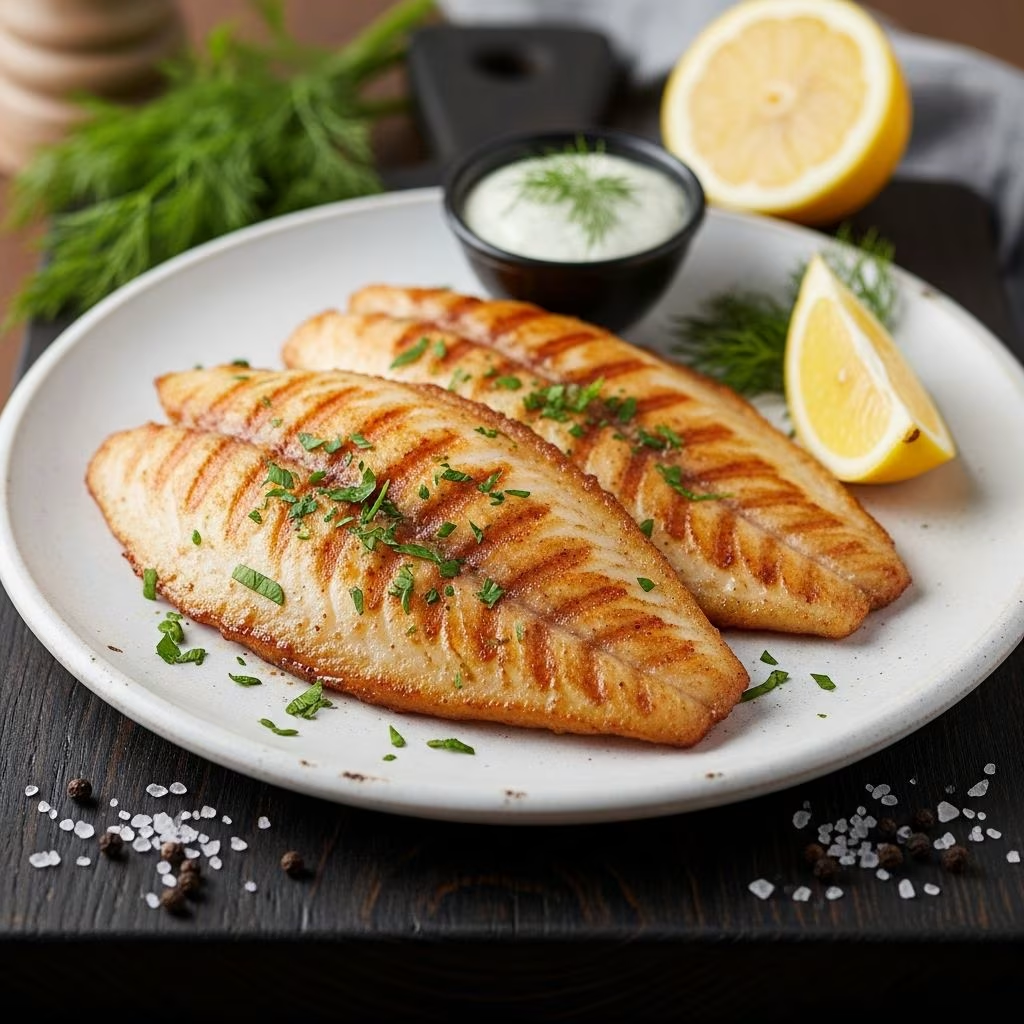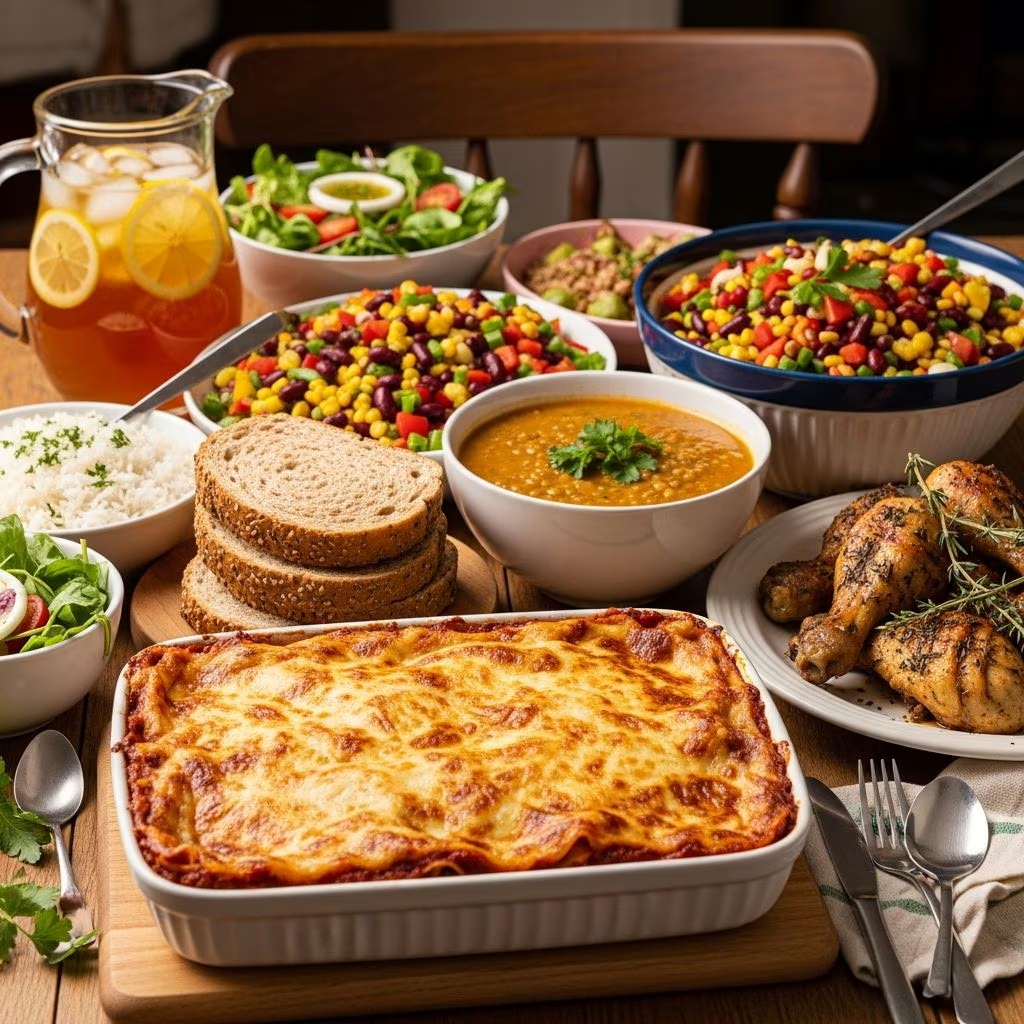
Feeding a large household on a tight budget requires creativity, smart shopping, and recipes that maximize every ingredient. This guide explores practical strategies and meal ideas that deliver flavor and satisfaction without excessive costs. Focus on staples like rice, beans, pasta, and inexpensive proteins to create dishes that serve many while minimizing waste.
Mastering the Art of Economical Meal Planning
Effective planning starts with understanding your family’s needs and local grocery prices. Prioritize bulk purchases of non-perishables such as rice, beans, and canned tomatoes, which offer high yield at low cost. Seasonal vegetables and discounted meats further reduce expenses. Aim for meals that incorporate leftovers creatively to avoid daily cooking from scratch.
Track weekly spending by listing essentials: grains for bulk, legumes for protein, and frozen veggies for convenience. This approach ensures nutritional balance without luxury items. For instance, a single bag of rice can anchor multiple dinners, serving as a base for stir-fries, bakes, or pilafs.
One-Pot Wonders: Effortless Dinners for Crowds
One-pot meals simplify preparation and cleanup, ideal for busy parents. These recipes combine proteins, veggies, and starches in a single vessel, yielding generous portions.
- Beef and Vegetable Stew: Brown ground beef with onions, add carrots, potatoes, and broth. Simmer for hours in a slow cooker. Serves 10-12.
- Chicken Rice Medley: Layer rice, broth, frozen mixed vegetables, and chicken thighs. Cook until tender and flavorful.
- Bean Chili Delight: Mix canned beans, tomatoes, spices, and ground turkey. Top with cheese if budget allows.
These dishes cost under $2 per serving for large groups, relying on pantry staples.
Versatile Casseroles That Feed Many
Casseroles excel in feeding large families due to their scalability. Assemble ahead, bake, and reheat as needed. They freeze well, providing ready meals for hectic days.
| Recipe Name | Key Ingredients | Prep Time | Serves |
|---|---|---|---|
| Cheesy Beef and Potato Bake | Ground beef, potatoes, cream soup, cheese | 20 min | 12 |
| Vegetable Pasta Casserole | Pasta, mixed veggies, tomato sauce, eggs | 15 min | 10 |
| Chicken Noodle Delight | Egg noodles, canned chicken, broccoli, cheese | 25 min | 14 |
Layer ingredients in large pans, bake at 350°F for 45 minutes. Customize with available produce to maintain low costs.
Pasta Power: Inexpensive Italian-Inspired Meals
Pasta remains a cornerstone of budget cooking, pairing cheaply with sauces and add-ins. Opt for whole wheat or store brands to enhance value.
- Garlic Tomato Spaghetti: Sauté garlic in oil, add canned tomatoes and herbs. Toss with pasta.
- Meaty Lasagna Layers: Use no-boil noodles, ricotta from bulk packs, and layered meats.
- Stuffed Shells: Fill with cheese and spinach mixture, bake in marinara.
A pound of pasta stretches to feed 8-10 when combined thoughtfully, costing pennies per plate.
Grain and Legume Combinations for Stretch
Rice and beans form unbeatable duos, providing complete proteins economically. These plant-based options appeal to varied diets.
Spanish Rice and Beans: Cook rice with onions, peppers, and cumin; stir in black beans and corn. A vegetarian staple under $1 per serving.
Fried Rice Remix: Use day-old rice, eggs, frozen peas, and soy sauce. Add ham scraps for protein boost.
Experiment with lentils in rice pilafs or bean burrito fillings for endless variety.
Soup Solutions for Chilly Evenings
Soups stretch ingredients furthest, especially when thickened with grains or potatoes. Pair with bread for complete meals.
- Potato Leek Soup: Blend boiled potatoes, leeks, and broth for creaminess without dairy.
- Lentil Vegetable Broth: Simmer lentils with carrots, celery, and tomatoes.
- Chicken Noodle Classic: Homemade stock from bones elevates canned versions.
Double batches freeze perfectly, offering meal prep efficiency.
Smart Shopping and Storage Tips
Maximize savings through strategic buying. Shop sales for proteins like chicken thighs or ground turkey. Buy frozen fish or veggies in bulk. Store grains in airtight containers to prevent spoilage.
- Clip coupons for staples.
- Garden herbs or grow sprouts for fresh touches.
- Repurpose leftovers into frittatas or hashes.
These habits can cut grocery bills by 30-50% for large households.
Nutritional Balance on a Dime
Maintain health with diverse ingredients. Include leafy greens in soups, colorful veggies in casseroles, and fruits as sides. Legumes provide fiber and iron, grains offer energy, and lean proteins sustain growth.
According to USDA guidelines, aim for half plates as produce even in budget meals. Affordable options like cabbage, carrots, and apples fit seamlessly.
Quick Breakfast and Lunch Ideas
Extend savings to all meals. Oatmeal with fruit bits serves mornings cheaply. For lunches, assemble wraps from dinner leftovers or bean salads.
- Banana Pancake Stacks: Mash overripe bananas into batter.
- Egg and Veggie Muffins: Bake in tins for grab-and-go.
Seasonal Twists for Year-Round Savings
Adapt recipes to seasons: summer salads with corn, winter root veggie stews. This leverages lowest prices naturally.
FAQs
What are the cheapest proteins for large families?
Eggs, beans, lentils, ground turkey, and chicken thighs offer best value per pound.
How can I make meals stretch further?
Incorporate more vegetables, grains, and broths to bulk up dishes without adding much cost.
Are freezer meals worth it for busy families?
Yes, they save time and reduce waste, perfect for preparing in bulk on weekends.
Can I adapt these for dietary restrictions?
Most recipes allow swaps like gluten-free pasta or plant-based proteins.
What’s a weekly meal plan example?
Monday: Bean chili; Tuesday: Pasta bake; Wednesday: Rice stir-fry; Thursday: Soup; Friday: Casserole; Weekend: Leftovers.
References
- USDA MyPlate Guidelines — United States Department of Agriculture. 2023-01-15. https://www.myplate.gov/
- Food Cost Report — U.S. Bureau of Labor Statistics. 2025-03-12. https://www.bls.gov/data/
- Thrifty Food Plan — USDA Center for Nutrition Policy and Promotion. 2024-08-20. https://www.fns.usda.gov/cnpp/thrifty-food-plan
- Family Budgeting for Food — Economic Research Service, USDA. 2025-01-10. https://www.ers.usda.gov/
- Healthy Eating on a Budget — Harvard T.H. Chan School of Public Health. 2024-11-05. https://www.hsph.harvard.edu/nutritionsource/healthy-eating-on-a-budget/