When grocery budgets are tight, soups emerge as one of the most economical and satisfying meal solutions. Unlike many dishes that require expensive proteins or specialty ingredients, soups leverage simple pantry staples to create filling, nutritious meals that feed multiple people without excessive spending. Whether you’re managing household finances carefully or simply seeking ways to reduce food waste, understanding how to prepare cost-effective soups transforms your approach to weeknight dinners and meal planning.
Why Soups Are the Ultimate Budget-Friendly Meal
Soups naturally stretch limited ingredients further than almost any other cooking method. A modest amount of protein combines with affordable vegetables, legumes, and broth to create substantial portions that satisfy hunger without requiring large quantities of expensive components. The one-pot nature of most soups also minimizes cleanup time and energy consumption, contributing additional savings beyond the food itself.
Additionally, soups benefit from ingredient flexibility. When seasonal vegetables become affordable or when pantry items approach expiration dates, soups provide the perfect solution. Unlike recipes demanding specific ingredients in precise quantities, soup-making encourages creativity and substitution, allowing cooks to work with what they have available rather than purchasing specialty items.
Essential Pantry Foundations for Affordable Soup Making
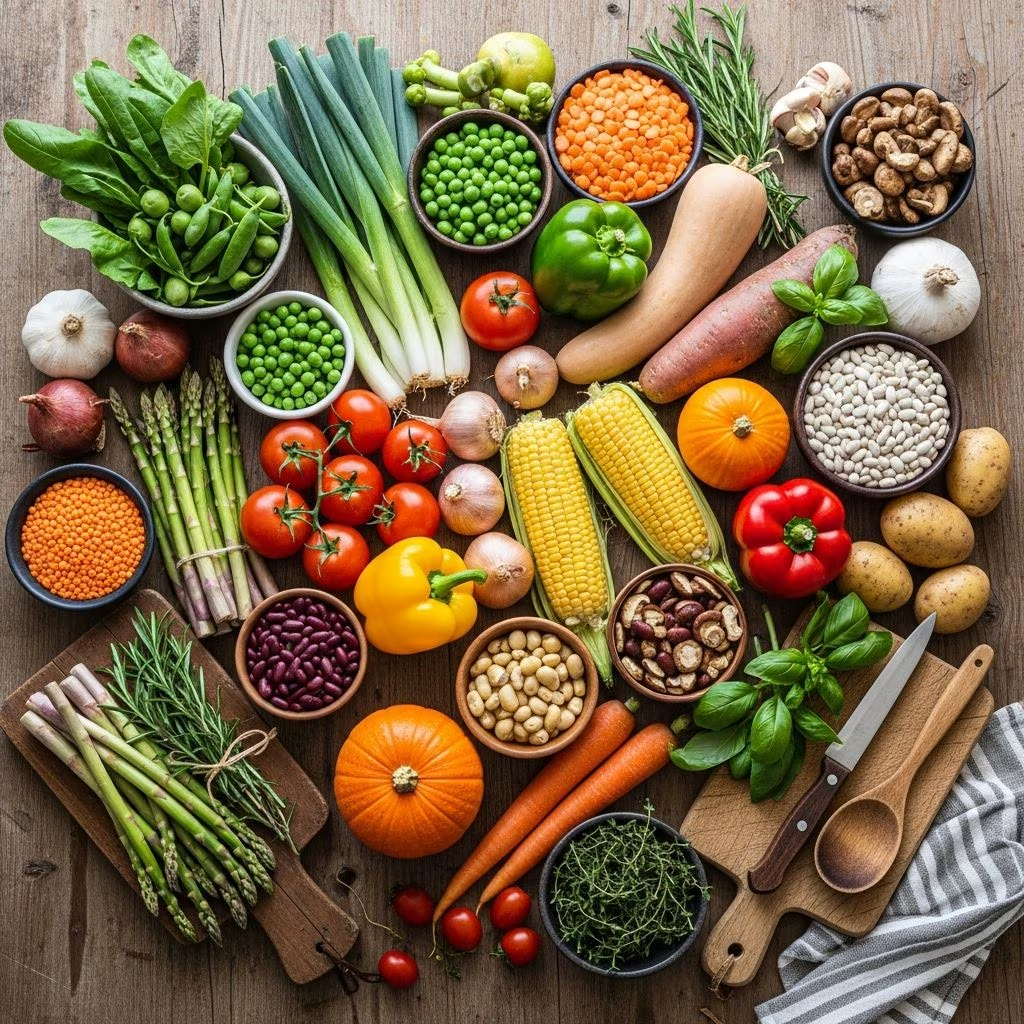
Maintaining a well-stocked pantry significantly reduces the cost per serving of your soups. These foundational items form the basis of countless economical recipes:
- Dried legumes (lentils, split peas, beans) costing mere cents per serving when purchased in bulk
- Canned tomatoes and tomato paste providing concentrated flavor and acidity
- Onions, potatoes, and carrots offering nutritional value and volume at minimal cost
- Broth or bouillon cubes creating flavorful bases without expensive stock purchases
- Frozen vegetables maintaining nutritional value while reducing waste from fresh produce spoilage
- Seasonings like bay leaves, dried thyme, and black pepper amplifying taste without expense
- Rice or pasta adding substance and extending servings further
Protein-Centered Economical Soup Options
Ground poultry and beef represent affordable protein sources for soup preparation. Budget-conscious recipes often feature ground turkey or ground beef browned initially to develop flavor, then combined with vegetables and broth. These proteins cost substantially less than whole cuts or premium options, while delivering satisfying heartiness to simple broths.
Traditional preparations brown one to one-and-a-half pounds of ground meat, drain excess fat, then incorporate diced tomatoes with peppers, frozen mixed vegetables, and diced potatoes and onions. Beef bouillon cubes or water create the liquid foundation, with optional tomato paste deepening the flavor profile. This approach yields multiple servings while maintaining per-bowl costs under one dollar.
Legume-Based Recipes Offering Maximum Economy
Dried beans, lentils, and split peas represent perhaps the most economical protein sources available. A single pound of dried lentils costs mere dollars yet yields dozens of servings when prepared as soup. These plant-based proteins contain fiber and essential nutrients while requiring minimal preparation beyond soaking for some varieties.
Black bean soups exemplify legume-based economy, often costing as little as forty cents per serving. Split pea soups utilizing ham bones or smoked turkey legs achieve similar affordability while extracting maximum flavor from inexpensive meat byproducts. Greek lentil soups combine lentils with onions, garlic, and tomatoes to create Mediterranean-inspired meals for under seventy cents per serving.
Vegetable-Forward Approaches to Minimal-Cost Cooking
Soups that prioritize vegetables over proteins can achieve extraordinary economy. Root vegetables like carrots, potatoes, and celery provide substance and natural sweetness while costing pennies per pound. Seasonal squash varieties, when in surplus, become incredibly affordable and transform simple broths into creamy, satisfying preparations without added dairy.
Butternut squash soups frequently cost under sixty cents per serving, delivering vitamins A and C alongside comforting flavor. Carrot-based creamed soups require only vegetables, broth, and basic seasonings to achieve restaurant-quality results. Cauliflower provides another blank canvas for affordable preparation, supporting everything from curry-inspired versions to simple herb-seasoned broths.
Seasonal Strategies for Maximum Savings
| Season | Budget-Friendly Ingredients | Recommended Soup Styles |
|---|---|---|
| Spring | Asparagus, peas, new potatoes, leeks | Potato-leek soups, fresh pea preparations |
| Summer | Tomatoes, zucchini, corn, beans | Gazpacho, vegetable minestrone, corn chowder |
| Fall | Winter squash, carrots, kale, apples | Butternut squash variations, root vegetable blends |
| Winter | Potatoes, onions, cabbage, dried legumes | Hearty stews, cabbage soups, lentil preparations |
Cooking Methods That Enhance Budget Economics
Slow cookers represent exceptional tools for economical cooking. Extended cooking times tenderize less expensive cuts of meat while developing deep flavors from simple ingredients. Slow cooker liners reduce cleanup requirements, and the cooking method distributes heat evenly, preventing scorching of inexpensive ingredients that might burn on stovetop.
Instant Pot preparation similarly economizes on energy consumption while achieving results comparable to hours of stovetop simmering. Vegetable soups prepared in Instant Pots cost under ninety cents per serving while taking mere minutes rather than hours. These modern cooking methods prove particularly valuable when utility costs factor into overall meal expenses.
Strategic Ingredient Substitutions Without Sacrificing Flavor
Experienced budget cooks develop flexibility regarding ingredient swaps. When bell peppers exceed budget constraints, onions and carrots provide similar sweetness and volume. If fresh herbs prove expensive, dried varieties deliver comparable flavor at fraction of the cost. Homemade broth made from vegetable scraps and bones replaces purchased broths for dramatic savings.
Canned proteins like chickpeas and white beans cost considerably less than purchasing fresh versions and require no cooking time. These shelf-stable ingredients enable spontaneous soup preparation without advance planning. Similarly, frozen vegetables often cost less than fresh while preventing waste from spoilage.
Frequently Asked Questions About Budget Soup Making
- Can soups be frozen for later consumption?
- Most soups freeze exceptionally well for up to three months when properly stored in airtight containers. This enables batch cooking and portion freezing, spreading ingredient costs across multiple meals prepared simultaneously. Soups containing cream or potatoes sometimes separate slightly upon thawing but retain nutritional value and flavor.
- How do I prevent soups from becoming monotonous when eating regularly?
- Varying seasonings, proteins, and vegetable combinations prevents soup fatigue. A single base broth becomes completely different when prepared with Mediterranean herbs versus Asian spice profiles. Topping soups with different garnishes—fresh herbs, crispy bread, cheese, or yogurt—alters perception despite identical underlying preparation.
- What’s the most economical soup to prepare?
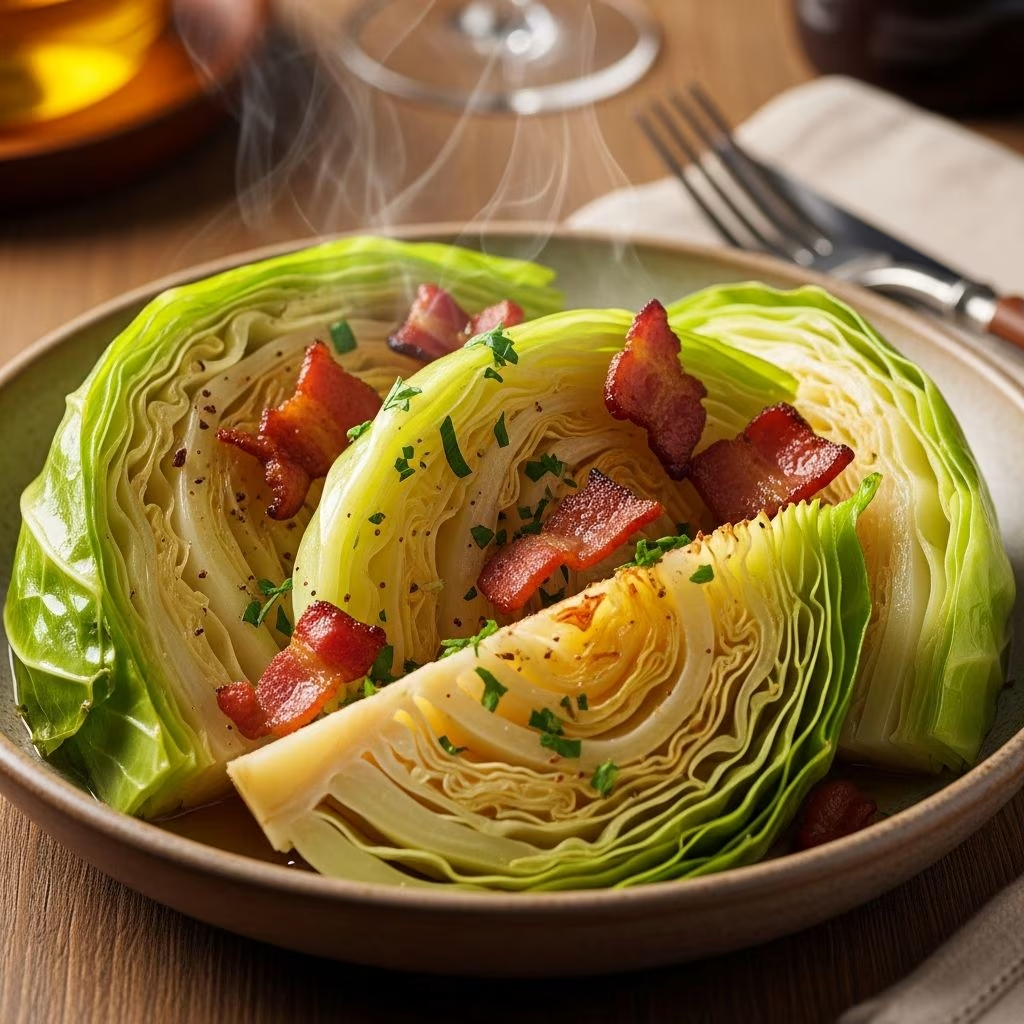
- Dumpling soups rank among the cheapest options, sometimes costing just twenty-one cents per serving. These preparations utilize inexpensive carbohydrate dumplings in minimal broth, stretching vegetable and protein components across many servings. Cabbage soups similarly achieve extraordinary economy by using inexpensive, long-storing vegetables.
- Should I purchase name-brand broths or make my own?
- Homemade broth costs significantly less than purchased versions while delivering superior flavor. Save vegetable scraps, chicken bones, and meat trimmings in freezer bags, then simmer periodically to create free or nearly-free liquid foundations. Store-brand broths cost less than premium versions without notable flavor differences in soups.
- How can I make creamy soups without expensive cream?
- Potatoes, rice, or legumes blended into soups create natural creaminess without dairy additions. Cauliflower and white beans similarly provide creamy texture when pureed. These alternatives cost substantially less than cream or milk while often delivering additional nutritional benefits.
Building Your Personal Budget Soup Collection
Rather than attempting numerous complex recipes simultaneously, focus on mastering five to seven foundational soups using different proteins and vegetable combinations. This approach builds confidence while ensuring reliable cost predictability. Many cooks discover that variations on familiar bases become preferences within their households, reducing decision fatigue around meal planning.
Starting with adaptable recipes using ground meat, dried legumes, and simple vegetables establishes reliable foundations. As comfort grows, experimenting with ethnic flavor profiles or vegetable-forward approaches expands your repertoire without requiring specialty ingredients or cooking techniques.
Maximizing Nutrition Alongside Budget Constraints
Economical soups shouldn’t sacrifice nutritional value. Legume-based preparations provide complete proteins when combined with whole grains, delivering amino acids comparable to expensive meat-centered soups. Colorful vegetable combinations in broth-based soups provide vitamins and minerals without significant cost elevation compared to single-vegetable preparations.
Slow-simmered bones and connective tissue create gelatin-rich broths supporting joint health and digestive function—benefits associated with expensive supplements yet achievable through economical ingredient preparation. This alignment of budget constraints with nutritional optimization demonstrates that affordable cooking needn’t compromise wellness.
Conclusion: Embracing Soup as a Sustainable Eating Strategy
Budget-friendly soups represent far more than mere financial necessity. They embody a cooking philosophy emphasizing whole ingredients, minimal waste, and creative flexibility. When approached intentionally, soup-making transforms grocery budget limitations into opportunities for skill development and discovery of deeply satisfying meals.
Beginning with foundational recipes and gradually building your personal collection creates a sustainable eating strategy supporting both financial and nutritional goals. The versatility inherent in soup-making ensures that soups remain interesting and satisfying across months and seasons of regular preparation, proving that economic cooking can deliver exceptional results.
References
- Poor Man’s Soup – a Budget Friendly Dinner! — All She Cooks. Accessed April 2026. https://allshecooks.com/poor-mans-soup-2/
- Budget soup recipes — BBC Good Food. Accessed April 2026. https://www.bbcgoodfood.com/recipes/collection/budget-soup-recipes
- Frugal Healthy Soup Recipes – Less than $1 per Serving — Real Food Real Deals. Accessed April 2026. https://realfoodrealdeals.com/frugal-healthy-soup-recipes/
- Soup Recipes — Budget Bytes. Accessed April 2026. https://www.budgetbytes.com/category/recipes/soup/