Ham steaks represent an underutilized protein option that delivers remarkable flavor and convenience for weeknight dinners. When prepared with a properly balanced brown sugar glaze, these cuts transform into a sophisticated dish that combines the natural saltiness of ham with caramelized sweetness and savory undertones. This guide explores the techniques, ingredient combinations, and timing considerations that elevate ham steak preparation from basic to exceptional.
Understanding Ham Steak as a Protein Choice
Ham steaks are thick-cut portions derived from the ham leg, typically ranging from 4 to 6 ounces per piece. Unlike ground ham or deli slices, these steaks maintain their structural integrity during cooking, allowing for optimal browning and crust development. The meat’s inherent marbling and fat content create natural moisture throughout the cooking process, reducing the risk of dryness that can occur with leaner proteins.
The pre-cured nature of ham steaks means they arrive at your kitchen with established flavor foundations. This characteristic distinguishes them from fresh pork cuts and influences how complementary ingredients should be selected. The saltiness requires careful balance with sweet, acidic, and aromatic components to achieve a harmonious final dish.
Core Ingredient Selection and Their Roles
Creating an exceptional brown sugar glaze requires understanding each ingredient’s contribution to the final product:
- Brown Sugar: The primary sweetening agent, brown sugar provides both immediate flavor and caramelization potential. The molasses content creates depth and complexity that white sugar cannot replicate. Typical applications use between 1 and 2 tablespoons per serving.
- Acidic Components: Apple cider vinegar and Worcestershire sauce introduce brightness and prevent excessive sweetness. These elements cut through the ham’s richness and activate taste receptors for a more dynamic flavor experience.
- Aromatic Spices: Garlic powder, ground ginger, and ground cloves add warmth and subtle complexity. These spices don’t compete with the ham’s primary flavors but rather enhance and extend them throughout the palate.
- Fat Base: Butter serves dual purposes—it conducts heat evenly across the skillet surface and enriches the glaze with creamy texture and savory depth.
Foundational Glaze Formulations
Different glaze approaches yield distinct flavor profiles while maintaining the essential brown sugar component. Understanding these variations allows customization based on personal preference and available ingredients.
The Classic Spiced Approach
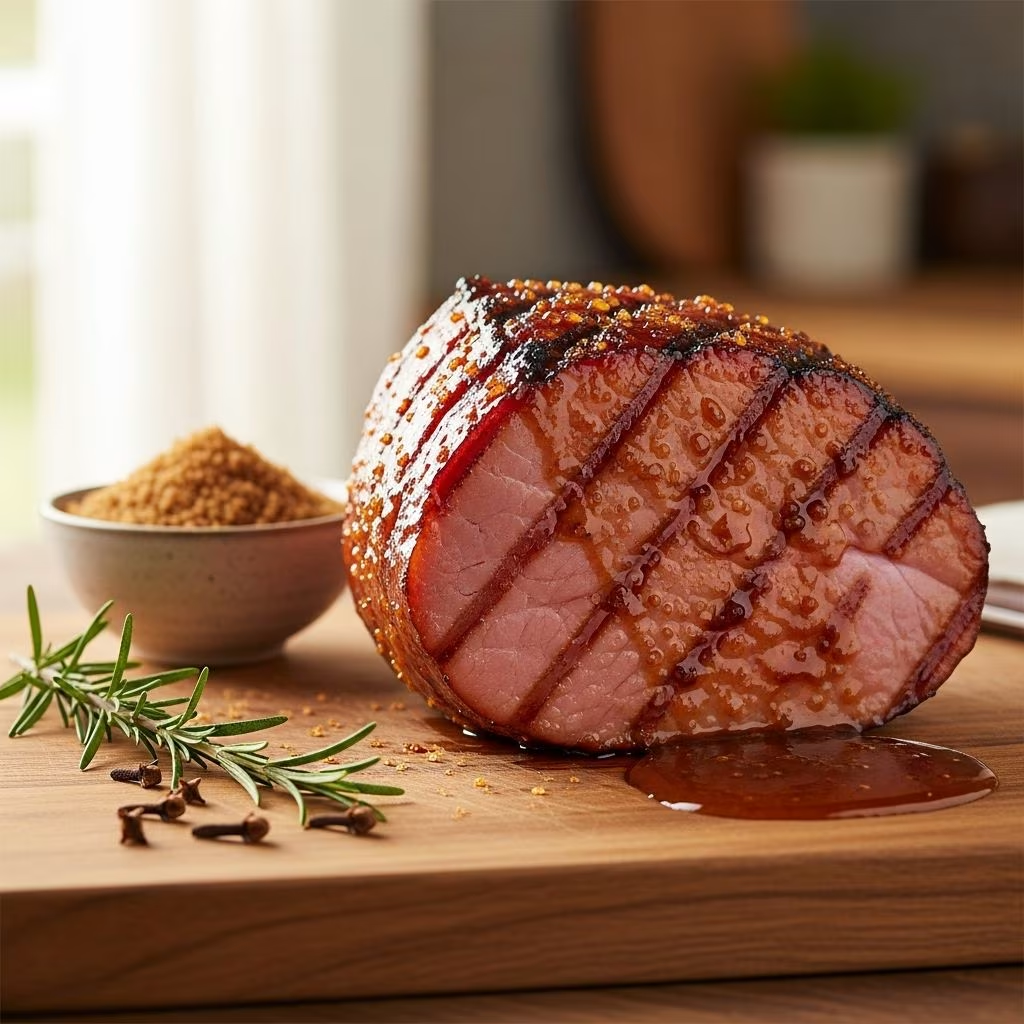
This formulation combines 2 tablespoons brown sugar, 1 tablespoon Dijon mustard, 1 tablespoon apple cider vinegar, 1 teaspoon Worcestershire sauce, and 1/8 teaspoon each of garlic powder and ground cloves. When whisked together, these ingredients create a balanced glaze with visible texture from the undissolved brown sugar crystals. This graininess disappears once the glaze contacts the hot skillet, transforming into a glossy coating that clings to the ham surface.
The Cola-Based Variation
An alternative approach substitutes 1/2 cup cola for additional liquid, combined with 1 teaspoon brown sugar, 1 teaspoon Worcestershire sauce, and butter. This method produces a lighter glaze that simmers briefly rather than coating immediately. The carbonation in cola creates a subtle effervescence that adds textural interest while the caramel notes in the beverage complement both sweet and savory elements.
The Maple-Forward Profile
For a more complex sweetness, 2 tablespoons maple syrup replaces some or all of the brown sugar. Combined with Dijon mustard, cider vinegar, and spice elements, this variation creates an elevated flavor profile suitable for special occasions or entertaining.
Step-by-Step Preparation Methodology
Skillet Selection and Heat Management
A large nonstick or stainless steel skillet provides the optimal cooking surface for ham steaks. The skillet should be sufficiently spacious to accommodate steaks without crowding, which would generate steam rather than the desired sear. Medium to medium-high heat ensures that butter melts without browning excessively, while maintaining sufficient temperature for proper crust development.
Initial Browning Phase
After melting 1 tablespoon of butter and coating the skillet surface, ham steaks are added and left undisturbed for 2 to 3 minutes on the first side. This duration allows the exterior to develop a caramelized crust through the Maillard reaction. The steak is then flipped and cooked for an additional 2 to 3 minutes on the reverse side. During this secondary searing phase, some cooks reduce heat to medium to prevent the bottom from over-browning while the top achieves desired color.
Glaze Application and Final Cooking
Once both sides achieve golden-brown coloration, the ham steaks are transferred to a clean plate. The remaining tablespoon of butter is added to the skillet, followed by all glaze ingredients. This mixture is heated for 1 to 2 minutes, stirring constantly, until the brown sugar dissolves completely and the glaze begins to bubble. The ham steaks return to the skillet, where they remain for an additional 8 to 10 minutes, turning every 2 minutes to ensure even coating and prevent burning.
This extended cooking period allows the glaze to reduce and thicken, developing a sticky consistency that clings to the meat rather than pooling in the skillet. The repeated turning prevents the glaze from scorching while promoting even browning and adhesion to all surfaces.
Timing and Serving Considerations
Total preparation time from ingredient assembly to plated dish spans approximately 15 to 20 minutes. The minimal prep work—primarily mixing glaze components—makes this recipe viable for busy weeknights. The recipe scales efficiently to serve 2 to 4 people, with each ham steak requiring the same cooking duration regardless of batch size.
Ham steaks should be served immediately after the final cooking phase, while the glaze maintains its sticky texture and warm temperature. Plating with additional glaze spooned over the top adds visual appeal and ensures each bite captures the full flavor profile. Allowing cooked steaks to rest at room temperature diminishes the glaze’s adhesion and allows exterior heat to dissipate, resulting in a less satisfying eating experience.
Nutritional Profile and Dietary Considerations
Each 4-ounce ham steak portion contains approximately 270 calories, with 25 to 26 grams of protein per serving. The fat content averages 16 grams, while carbohydrates from the brown sugar glaze contribute approximately 5 grams per portion, with roughly 4 grams coming from naturally occurring sugars. Dietary fiber content remains negligible, though the dish integrates successfully into low-carbohydrate eating patterns when glaze portions are moderated.
The high sodium content inherent in cured ham makes this dish less suitable for individuals following strict sodium-restricted diets. However, the substantial protein content and reasonable portion sizes make glazed ham steaks an appealing option for those prioritizing protein intake while maintaining caloric awareness.
Strategic Ingredient Substitutions and Modifications
Cinnamon provides a warming spice alternative to cloves, creating a more dessert-like flavor profile that appeals to diners preferring sweeter preparations. A light dusting added directly to the brown sugar before dissolving creates concentrated pockets of warmth.
For those avoiding mustard, additional apple cider vinegar or a tablespoon of soy sauce can provide umami depth without mustard’s pungent character. The flavor will shift slightly more toward savory, requiring potential adjustment of brown sugar upward to maintain balance.
Honey may partially replace brown sugar for a smoother glaze texture and different sweetness profile. The substitution should not exceed 50 percent, as excessive honey can create an overly thin glaze that fails to coat adequately.
Complementary Side Dishes and Pairings
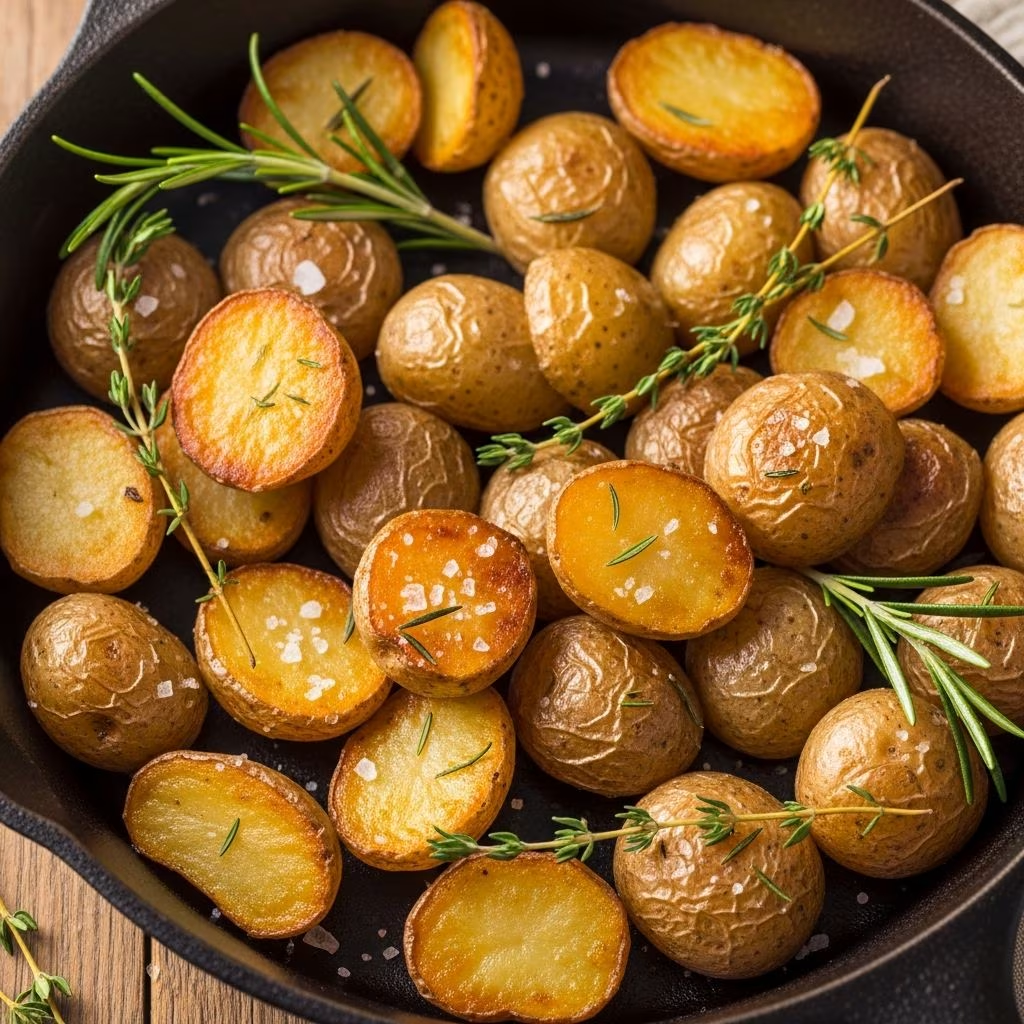
Glazed ham steaks pair exceptionally well with roasted root vegetables, including sweet potatoes, carrots, and parsnips. The vegetables’ natural sugars complement the glaze while roasting concentrates their flavors. Creamy sides such as mashed potatoes or cauliflower puree balance the dish’s sweetness through textural contrast and mild flavor neutrality.
Green vegetables provide necessary brightness and nutritional balance. Sautéed greens with garlic or steamed broccoli cut through the dish’s richness effectively. Grain-based sides such as wild rice or quinoa add substance without overwhelming the ham’s delicate flavor profile.
Troubleshooting Common Challenges
Glaze That Won’t Adhere
If the glaze slides off the ham steak rather than clinging, the likely causes are insufficient cooking time or a glaze mixture that is too thin. Extend simmering time to allow reduction and ensure brown sugar dissolves completely before adding steaks. If the glaze remains persistently thin, a tablespoon of cornstarch mixed with water creates a slurry that thickens without adding flavor.
Excessive Browning or Burning
When the glaze begins smoking or develops dark brown spots inconsistent with caramelization, reduce heat immediately to medium-low. The glaze should bubble gently, not aggressively. If burning occurs, discard the current batch and start fresh with clean cookware and lower temperature.
Dry or Tough Meat Texture
Ham steaks that emerge dry despite following timing guidelines may have been over-cooked or originated from lower-quality meat. Ensure heat remains at medium rather than elevated settings, and limit total cooking time to the recommended 15 to 20 minutes. In future preparations, verify that ham steaks contain adequate marbling—visible fat lines throughout the cut indicate better quality and moisture retention.
Storage and Reheating Guidance
Leftover glazed ham steaks maintain quality in refrigeration for up to three days when stored in airtight containers. Reheating should occur gently in a 300-degree oven for 8 to 10 minutes, or in a skillet over low heat with a tablespoon of water added to prevent the glaze from scorching. Microwave reheating, while convenient, can compromise texture and glaze consistency.
Frequently Asked Questions
Can ham steaks be prepared in advance?
Yes, ham steaks can be partially prepared by browning them on both sides several hours ahead of time. Complete the glaze application step immediately before serving to ensure optimal glaze texture and temperature.
What distinguishes ham steaks from ham slices?
Ham steaks are thicker cuts, typically 1/2 to 3/4 inches thick, that maintain structural integrity during cooking. Ham slices are thinner and more prone to drying during extended cooking times.
Is this recipe adaptable for outdoor grilling?
Yes, ham steaks can be grilled over medium heat for similar durations, with glaze applied during the final minutes to prevent charring. The reduced contact with direct heat means slightly longer cooking times compared to skillet methods.
How far in advance should glaze ingredients be mixed?
Glaze components maintain quality when combined no more than two hours before cooking. Longer storage allows ingredients to separate or brown sugar to harden, compromising the final texture.
References
- A Step-by-Step Guide to Ham Steak With Brown Sugar Glaze — Hatfield. 2024. https://simplyhatfield.com/a-step-by-step-guide-to-ham-steak-with-brown-sugar-glaze/
- Brown Sugar Glazed Ham Steak Recipe — GirlCarnivore. 2024. https://girlcarnivore.com/southern-cola-ham-steak/
- BEST Ham Steak Recipe with Brown Sugar Glaze — Key To My Lime. 2024. https://keytomylime.com/ham-steak-recipe/
- Glazed Ham Steaks — Budget Bytes. 2024. https://www.budgetbytes.com/glazed-ham-steaks/
- Honey Brown Sugar Ham Steak Sheet Pan Dinner — Foody Schmoody. 2024. https://foodyschmoodyblog.com/honey-brown-sugar-ham-steak-sheet-pan-dinner/