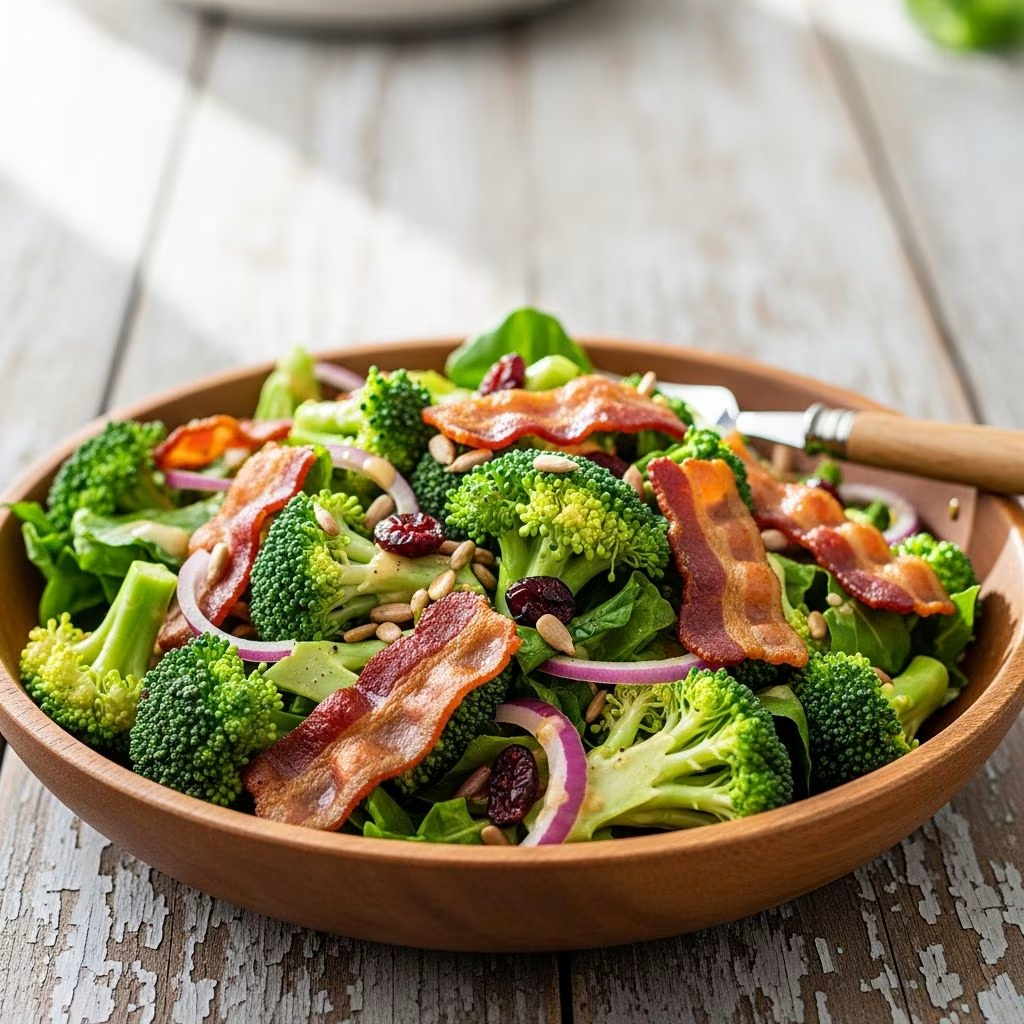
When it comes to gathering favorites that please virtually every palate, few dishes rival the versatility and appeal of a well-crafted broccoli salad featuring bacon and cheese. This classic combination has earned its place at countless family tables, potlucks, and festive celebrations because it strikes the perfect balance between comfort and sophistication. The interplay of crisp vegetables, savory cured meat, sharp cheese, and a velvety dressing creates a dining experience that transcends the ordinary side dish category.
Understanding the Foundation: Core Components
A successful broccoli salad begins with understanding the essential elements that work together harmoniously. Each ingredient plays a specific role in creating the final dish’s texture, flavor, and overall eating experience. Rather than viewing these components as separate entities, consider them as orchestrated parts of a unified whole.
The Vegetable Base
The foundation of this dish rests upon fresh, vibrant broccoli florets. You’ll want to select broccoli heads that display a deep green color and feel firm to the touch, avoiding any yellowing or wilted crowns. The amount typically ranges from 7 to 10 cups of florets, depending on how substantial you’d like your finished salad to be. Many cooks prefer to prepare their broccoli by briefly steaming it for 2 to 4 minutes until it transitions from raw to tender-crisp, then immediately submerging it in ice water to halt the cooking process. This technique preserves the vegetable’s bright color and prevents it from becoming mushy. Alternatively, some prefer their broccoli completely raw for maximum crunch.
The Protein Element
Bacon forms the savory backbone of this dish, contributing both flavor depth and textural contrast. Typically, 6 to 8 slices of bacon, cooked until perfectly crispy and then crumbled, provide the ideal ratio. The rendered bacon fat becomes a valuable cooking ingredient, particularly when preparing traditional dressing variations. After cooking, allow the bacon to cool completely on paper towels before breaking it into bite-sized pieces.
The Cheese Selection
Sharp cheddar cheese, freshly shredded rather than pre-packaged, delivers superior flavor and melting qualities. A full cup of shredded cheddar strikes the right balance—enough to provide rich cheese flavor without overwhelming the other ingredients. Some variations incorporate medium cheddar for a slightly gentler taste profile, while others experiment with aged varieties for intensified sharpness.
Creating the Perfect Dressing
The dressing represents the element that ultimately elevates this salad from simple to sensational. Most classic preparations combine mayonnaise as the base, typically ranging from 3/4 to 1 cup, mixed with complementary acidic and sweet elements.
Traditional Dressing Composition
The standard approach involves whisking together mayonnaise with sour cream, which creates a richer, more complex base than mayo alone. Sugar provides subtle sweetness that balances the savory components, while vinegar—whether apple cider or white vinegar—adds brightness and tang. The proportions generally follow this pattern: combine approximately 3/4 to 1 cup of mayonnaise with 1/4 cup of sour cream, 1/3 cup of sugar, and 2 teaspoons of vinegar. Some recipes incorporate Dijon mustard for additional depth.
Alternative Flavor Variations
Adventurous cooks can modify the dressing to suit specific preferences. Adding a pinch of cayenne pepper introduces gentle heat, while honey can replace some or all of the sugar for deeper complexity. For those seeking lighter options, Greek yogurt can substitute partially for mayonnaise, reducing calories without sacrificing creaminess.
The Assembly Process: Building Your Masterpiece
Preparation Steps
Begin by washing and trimming your broccoli, cutting it into uniform florets approximately the size of a grape or small walnut. Larger florets become unwieldy when eating, while tiny pieces get lost in the dressing. After cooking your bacon and allowing it to cool, chop it into bite-sized pieces. Shred your cheese and prepare any additional ingredients like toasted nuts or dried fruit.
Combining Ingredients
Place your prepared broccoli florets in a large mixing bowl—a container generous enough to accommodate mixing without spillage proves essential. Whisk your dressing ingredients in a separate bowl until completely smooth and uniform. Pour the dressing over the broccoli and toss thoroughly, ensuring each floret receives adequate coating. This initial combination step differs from later additions; you want the dressing to fully envelop the broccoli before introducing remaining components.
Final Ingredient Integration
Once the broccoli and dressing are well combined, add your bacon pieces, shredded cheese, and any supplementary ingredients like nuts, dried cranberries, or seeds. Fold these components gently but thoroughly throughout the salad, maintaining the desired texture without crushing delicate florets.
Optional Add-Ins for Texture and Flavor
While the basic formula of broccoli, bacon, and cheese creates a satisfying dish, numerous additions can personalize your creation. Consider incorporating these elements based on your preferences and available ingredients:
- Sunflower or pumpkin seeds contribute a satisfying crunch and nutritional boost
- Toasted pecans or almonds add sophisticated nutty undertones
- Dried cranberries or raisins provide chewy sweetness that contrasts with savory elements
- Diced red onion introduces a sharp, peppery note
- Matchstick carrots add color, texture, and mild sweetness
- Sliced red bell peppers contribute brightness and crisp texture
Serving Recommendations and Storage
Timing Considerations
This salad reaches its optimal texture when served immediately after assembly, as the broccoli florets maintain their crisp quality for several hours but eventually soften through continued dressing absorption. However, the salad can be prepared up to 24 hours ahead—simply combine all components except the dressing, then add the dressing no more than 4 hours before serving. Some cooks prefer making the dressing well in advance, allowing flavors to meld and intensify.
Proper Storage Methods
Store leftover broccoli salad in an airtight container in your refrigerator, where it will keep for 3 to 4 days. The texture will gradually soften as the broccoli continues absorbing moisture from the dressing, but the dish remains flavorful throughout this period. If you’ve prepared the components separately, store them individually until ready to combine.
Nutritional Considerations
This salad provides excellent nutritional value when prepared thoughtfully. Broccoli supplies generous amounts of vitamin C, fiber, and various phytonutrients. The cheese and bacon contribute protein and fat, creating a more satisfying side dish than vegetables alone. While the creamy dressing adds calories, the ingredients are relatively straightforward and whole-food based, allowing you to control sodium and sugar levels through your specific choices. Those watching their dietary intake can experiment with Greek yogurt substitutions or reduced-fat alternatives to traditional ingredients.
Adapting for Dietary Needs
This versatile recipe accommodates numerous dietary preferences. Vegetarians can substitute the bacon with smoked tempeh or coconut bacon alternatives. Those avoiding dairy can use dairy-free mayo and nutritional yeast instead of cheese. Gluten-free diners need not modify anything, as all standard ingredients are naturally gluten-free.
Troubleshooting Common Challenges
Watery Salad: This typically results from the broccoli releasing moisture over time. Prevent this by ensuring your broccoli is completely dry before dressing, and avoid making the salad too far in advance. If moisture accumulates, simply drain the excess liquid before serving.
Overly Dense Dressing: If your dressing feels too thick after whisking, add small amounts of milk or water one tablespoon at a time until reaching the desired consistency. Conversely, if the dressing seems too thin, incorporate additional mayo or sour cream gradually.
Bitter Broccoli Flavor: Overcooking broccoli causes a bitter, sulfurous taste. Stick to the 2 to 4 minute steaming window, and immediately cool the broccoli in ice water to stop the cooking process.
Perfect Occasions for Serving
This salad shines at virtually any gathering. Potlucks value it because it transports well and maintains quality for hours. Picnics and outdoor gatherings benefit from its substantial, satisfying nature. Holiday dinners appreciate its elegant presentation and crowd-pleasing appeal. Weeknight family dinners become more special when this colorful, flavorful dish appears on the table.
Frequently Asked Questions
Can I make this salad ahead of time?
Yes, prepare the individual components in advance and combine them with dressing up to 4 hours before serving for the best texture, though the salad remains good for up to 24 hours when stored properly.
Is this recipe suitable for meal prep?
While technically possible, this salad is best assembled shortly before eating. You can prepare components separately and combine them as needed throughout the week.
What are suitable substitutions for mayonnaise?
Greek yogurt, dairy-free mayo, or a combination of both work well, though this affects the final flavor and texture slightly.
How can I reduce the calories in this recipe?
Use Greek yogurt instead of sour cream, reduce the mayo amount, use less cheese, or decrease the sugar in the dressing.
Can frozen broccoli work for this recipe?
Fresh broccoli provides superior texture, but thawed frozen broccoli can substitute in a pinch. Ensure it’s completely thawed and dried before using.
References
- Broccoli Nutritional Content and Health Benefits — United States Department of Agriculture. 2024. https://fdc.nal.usda.gov/
- Food Safety Guidelines for Salad Storage — Centers for Disease Control and Prevention. 2024. https://www.cdc.gov/foodsafety/