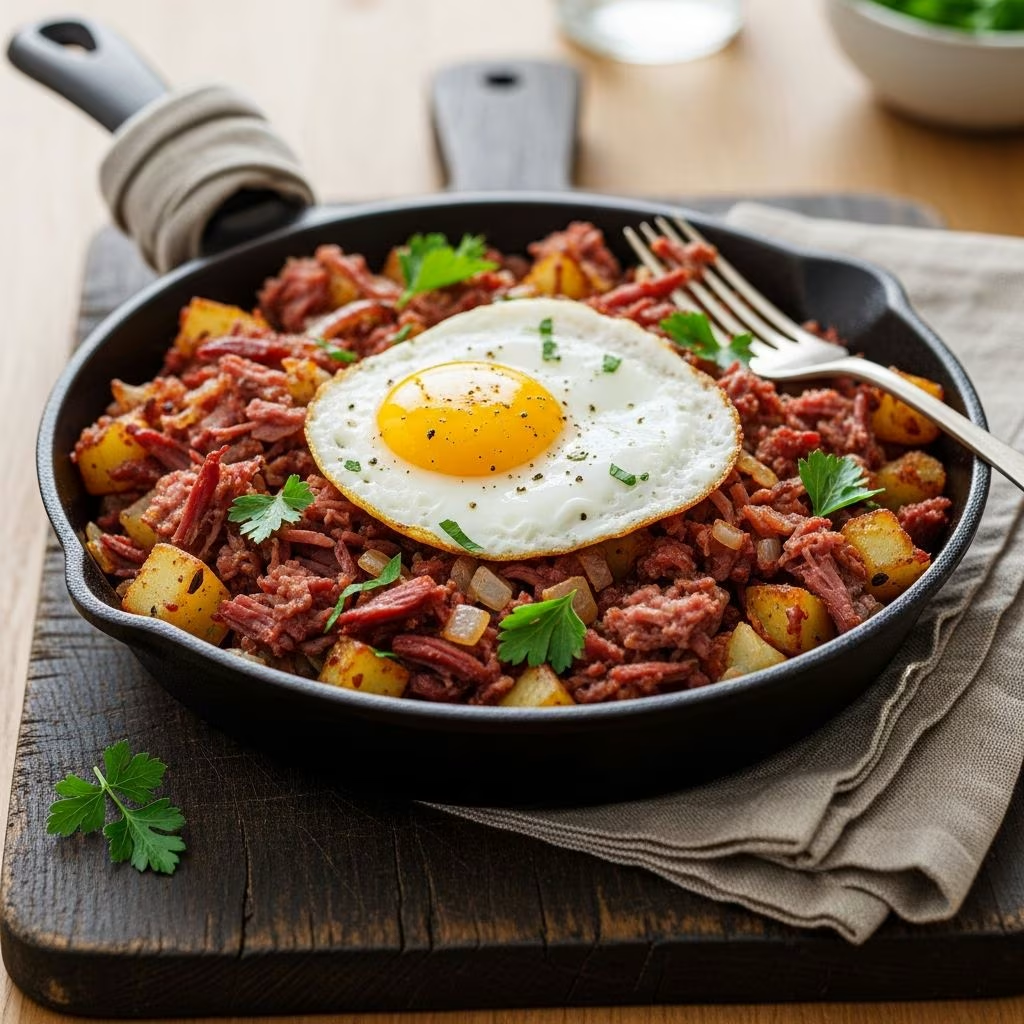
British corned beef hash represents one of the most cherished comfort dishes across the United Kingdom, particularly in Northern England where it remains a staple in many households. This humble yet deeply satisfying meal combines simple, affordable ingredients into something that transforms an ordinary dinner into a memorable dining experience. Whether served as a weeknight supper or repurposed into the next morning’s breakfast, this dish has earned its place in British culinary tradition through generations of home cooks who have perfected their own variations.
The beauty of corned beef hash lies in its accessibility and adaptability. Made primarily from tinned corned beef, potatoes, and onions, it requires minimal preparation time yet delivers maximum flavor and satisfaction. The dish’s evolution within British kitchens showcases how resourceful cooking can elevate basic pantry staples into something truly delicious, making it an ideal choice for families seeking economical yet nourishing meals.
Understanding the Foundations of British Corned Beef Hash
At its core, British corned beef hash distinguishes itself from its American counterparts through its approach to ingredients and preparation methods. The British version emphasizes the development of a flavorful, slightly crispy exterior while maintaining tender, well-seasoned components throughout. The dish typically employs tinned corned beef rather than freshly cooked beef, which has become the traditional approach in British households for decades.
The fundamental appeal of this dish stems from its three primary components working in harmony. The potatoes provide substance and absorb flavors, the onions contribute sweetness and depth, and the corned beef delivers protein along with distinctive savory notes. These elements, when combined through proper cooking technique, create a unified dish greater than the sum of its parts.
Selecting and Preparing Your Ingredients
Choosing the Right Potatoes
The selection of potatoes significantly impacts the final texture and quality of your hash. Floury or dry potato varieties work best for this dish, as they break down slightly during cooking while still maintaining some structural integrity. Varieties such as Maris Piper, King Edward, or Russet potatoes are particularly well-suited to this application. These types absorb flavors more effectively and develop the slight creaminess that characterizes well-made hash.
When preparing potatoes, cut them into uniform one-inch pieces to ensure even cooking throughout. This consistency in size prevents some pieces from becoming mushy while others remain undercooked. Many traditional recipes recommend parboiling the potatoes for approximately three minutes before the main cooking process. This technique reduces the overall cooking time and helps achieve the ideal balance between tenderness and the development of golden-brown surfaces.
Onion Preparation and Selection
Sweet onions provide the ideal aromatic base for corned beef hash, though standard yellow onions work adequately if sweet varieties aren’t available. Dice onions into approximately half-inch pieces to allow them to soften during cooking while still maintaining some textural presence in the final dish. The onions should become translucent and slightly golden, developing a subtle sweetness that complements the corned beef’s saltiness.
Corned Beef Considerations
Tinned corned beef forms the protein backbone of this dish. Chilling the tin for about an hour before opening makes the corned beef easier to remove and cut into uniform pieces. Cut the corned beef into one-inch blocks rather than mincing it, as this preserves distinct texture and prevents the meat from becoming too finely dispersed throughout the hash. The larger pieces create interesting textural contrasts and ensure you experience corned beef in every bite.
Step-by-Step Cooking Process
Initial Potato Preparation
Begin by peeling your chosen potatoes and cutting them into one-inch pieces. Place these into a saucepan containing cold salted water and bring to a boil. Allow the potatoes to boil for three minutes, then drain thoroughly and set aside. This parboiling step is crucial as it begins the cooking process while ensuring the potatoes will finish cooking during the hash assembly without becoming waterlogged.
Developing the Corned Beef
While potatoes are parboiling, remove the corned beef from the tin and cut it into one-inch blocks. Heat two to three tablespoons of sunflower oil in a large frying pan or saucepan over medium-high heat. Once the oil reaches temperature (you’ll know it’s ready when it sizzles upon contact with the beef), add the corned beef pieces. Fry for two to three minutes on high heat, allowing the exterior to develop crispy, browned edges while maintaining a tender interior. This browning develops complex flavors through the Maillard reaction, creating depth that permeates the entire dish. Remove the corned beef and set aside once it achieves the desired color.
Building Flavors with Aromatics
Add additional oil to the pan if necessary and reduce heat to medium. Add the diced onions and fry for three to four minutes, stirring frequently, until they become translucent and begin to brown. This stage develops the onions’ natural sweetness and creates an aromatic foundation for the remaining components.
Combining and Finishing
Add the parboiled potatoes to the cooked onions and reduce heat to low. Cover the pan with a lid and allow the mixture to cook for five to seven minutes. During this time, the potatoes continue softening while beginning to develop golden-brown surfaces. Stir occasionally and continue cooking until the potatoes achieve the desired tenderness and browning.
Return the corned beef to the pan and stir in two tablespoons of Worcestershire sauce and two tablespoons of tomato puree. These additions brighten the dish with acidic notes and add umami depth that ties all components together. Pat the mixture down firmly with the back of a spatula, creating an even layer, and continue cooking until the bottom begins to brown. Using a spatula carefully, flip sections of the hash to brown the other side, creating crispy, flavorful surfaces throughout.
Flavor Enhancement and Seasonings
Worcestershire sauce serves as the primary seasoning accent in traditional British corned beef hash, providing a complex balance of salty, sweet, and tangy notes. However, regional variations exist—in Northern England, some cooks substitute Henderson’s relish for Worcestershire sauce, creating a slightly different flavor profile while maintaining the same functional role in the dish.
Tomato puree adds subtle acidity and umami characteristics that prevent the dish from becoming one-dimensional. Salt and black pepper should be applied judiciously, as the corned beef already contains substantial salt levels. Taste the finished dish before adding additional seasoning to avoid over-salting.
Some regional variations incorporate fresh parsley as a finishing touch, adding brightness and visual appeal. Garlic powder and onion powder provide additional savory depth without requiring fresh ingredient preparation, making them convenient additions for enhancing overall flavor complexity.
Serving Suggestions and Accompaniments
British corned beef hash traditionally appears on dinner tables as a standalone main course, though various accompaniments enhance the experience. Pickled vegetables, particularly pickled red cabbage and pickled walnuts, provide acidic contrast that cleanses the palate between bites. These additions brighten the overall meal while honoring British culinary traditions.
Baked beans in tomato sauce represent another classic pairing, adding protein, fiber, and a slight sweetness that complements the savory hash. A fried egg on top transforms the dish into a more substantial breakfast option, with the runny yolk creating additional richness and cohesion among the components.
For those seeking lighter accompaniments, fresh salad greens dressed with vinaigrette provide textural contrast and palate relief. Some families serve corned beef hash alongside fresh crusty bread, using it to soak up any pan juices and create additional texture variations.
Storage and Reheating Strategies
Leftover corned beef hash stores successfully in the refrigerator for up to three days when kept in an airtight container. The flavors actually deepen slightly during storage as ingredients continue melding together. Reheating can occur either in a frying pan over medium heat or in the oven at 350°F (175°C), covered, until warmed through.
The leftover hash works exceptionally well for breakfast the following day, when it can be fried in a hot pan with a small amount of additional oil until the exterior develops fresh crispy surfaces. This technique restores some of the textural complexity that may have been lost during initial storage.
Troubleshooting Common Issues
| Issue | Cause | Solution |
|---|---|---|
| Mushy texture throughout | Over-parboiling potatoes or extended cooking time | Reduce parboiling time to 2-3 minutes and monitor cooking progress closely |
| Pale, unappetizing appearance | Insufficient browning on potatoes and corned beef | Increase heat after initial ingredient combination and cook longer |
| Bland overall flavor | Inadequate seasoning or too much potato relative to other ingredients | Increase Worcestershire sauce and tomato puree quantities; adjust ratios |
| Greasy consistency | Excessive oil usage or insufficient drainage after cooking | Use precise oil measurements and drain cooked potatoes thoroughly |
| Ingredients separating during cooking | Insufficient mixing or pressing during cooking | Stir frequently and firmly pat mixture down to create cohesive layers |
Variations Across British Regions
While the basic corned beef hash formula remains consistent throughout Britain, regional variations reflect local preferences and ingredient availability. Scottish versions sometimes incorporate mashed potatoes, creating a creamier consistency and different texture profile. Welsh adaptations occasionally include cheese, adding richness and additional depth to the dish.
Northern English preparations remain closest to the traditional method, emphasizing the development of crispy exterior surfaces and the proper balance between potatoes and corned beef. Southern English versions may incorporate additional vegetables like carrots or peas, creating a more vegetable-forward interpretation while maintaining the core dish identity.
Nutritional Considerations
Corned beef hash provides substantial protein from the canned meat along with carbohydrates from potatoes, creating a complete and satisfying meal. The fat content primarily derives from the cooking oil and the corned beef itself, providing satiety and contributing to the dish’s overall appeal. While not a low-calorie option, the portion sizes typically consumed make it a reasonable nutritional choice within a balanced diet.
The inclusion of Worcestershire sauce and tomato puree adds minimal calories while providing beneficial compounds from their ingredients. Those seeking lighter preparations can reduce oil quantities or use cooking spray as a substitute, though this adjustment may impact the development of desired crispy surfaces.
Why British Corned Beef Hash Endures
This traditional dish has maintained its popularity across generations through its remarkable combination of practicality, economy, and genuine deliciousness. In an era when convenience foods dominate many households, corned beef hash represents a throwback to efficient home cooking that requires minimal ingredients yet produces maximum satisfaction. The ability to create this dish almost entirely from pantry staples makes it invaluable during times when fresh ingredient shopping may be limited.
Beyond practical considerations, corned beef hash carries cultural significance and nostalgic resonance for many British households. Families pass down their particular versions, creating culinary traditions unique to individual homes while maintaining connection to broader British food culture. This balance between standardization and personalization has allowed the dish to evolve while remaining recognizably authentic.
Frequently Asked Questions
Can fresh corned beef be used instead of tinned?
Yes, though traditional British recipes employ tinned corned beef for convenience and consistency. If using freshly cooked corned beef, cut it into appropriate-sized pieces and reduce cooking time since it won’t require the browning development that tinned versions need.
What oil works best for cooking corned beef hash?
Sunflower oil is traditionally recommended and works exceptionally well due to its neutral flavor and appropriate smoke point. Vegetable oil or rapeseed oil serve as suitable alternatives. Avoid strongly flavored oils like olive oil, which can overpower the dish’s subtle balance.
How can the dish be made vegetarian?
While removing corned beef fundamentally changes the dish’s character, vegetarian adaptations can substitute hearty ingredients like mushrooms or beans. However, these versions constitute different dishes rather than true corned beef hash.
Is the parboiling step truly necessary?
Parboiling significantly reduces overall cooking time and ensures even potato cooking. Skipping this step means the hash requires substantially longer cooking time to soften potatoes adequately.
How does British corned beef hash differ from American versions?
British versions emphasize tinned corned beef and develop a cohesive, crispy-bottomed mixture, while American preparations often incorporate fresh corned beef and create distinct layers. The flavor profiles and serving contexts also differ between traditions.
References
- British Corned Beef Hash Recipe — Foodle Club. Accessed April 2026. https://www.foodleclub.com/british-corned-beef-hash/
- Traditional Corned Beef Hash Preparation — The Country Cook. Accessed April 2026. https://www.thecountrycook.net/corned-beef-hash/
- Corned Beef Hash with Stock Method — Vickery TV. Accessed April 2026. https://www.vickery.tv/recipes/corned-beef-hash/
- Modern Corned Beef Hash Recipe — Nicky’s Kitchen Sanctuary. Accessed April 2026. https://www.kitchensanctuary.com/corned-beef-hash/
- Scottish Family Corned Beef Hash Recipe — YouTube. Accessed April 2026. https://www.youtube.com/watch?v=4vkUj3-9aOU
- Old Fashioned Corned Beef Hash UK Recipe — Apply to Face Blog. Accessed April 2026. https://applytofaceblog.com/old-fashioned-corned-beef-hash/