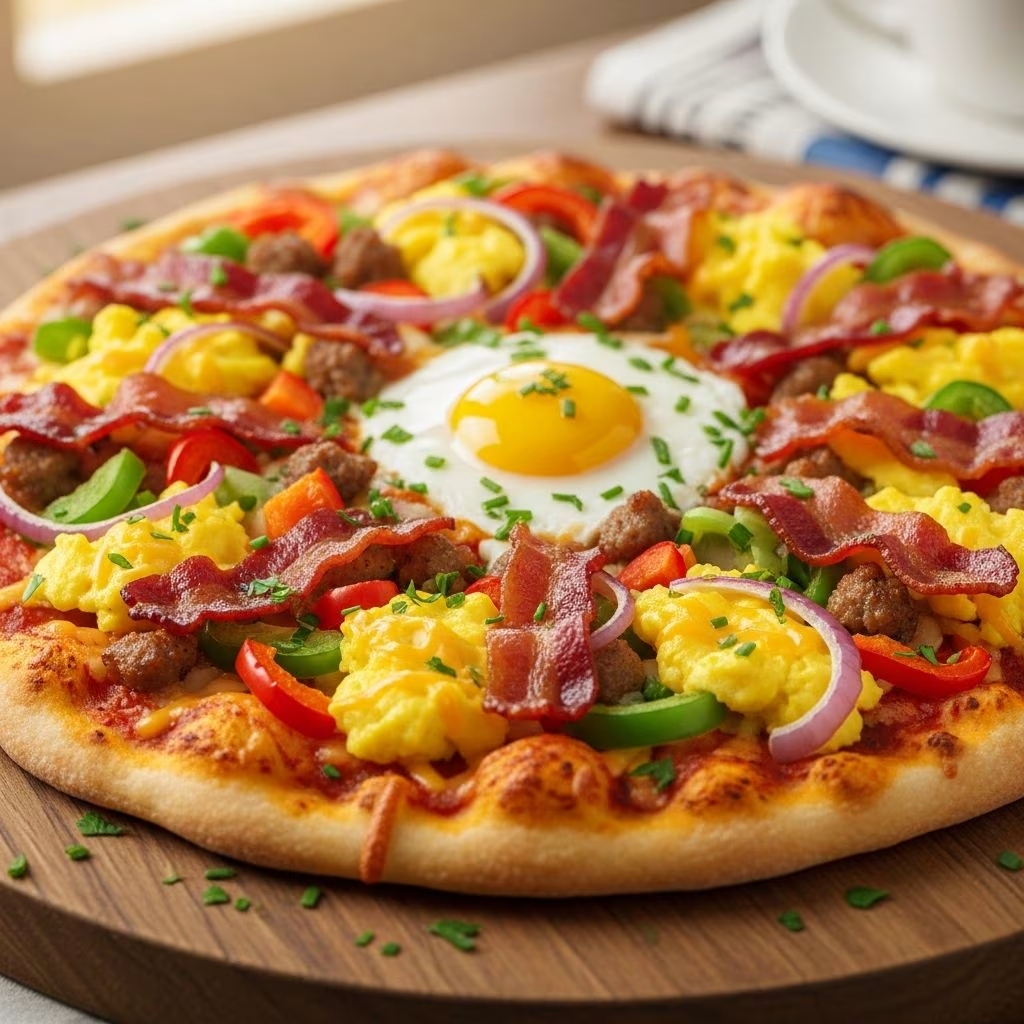
The intersection of two beloved meals—pizza and breakfast—creates something truly special. Breakfast pizza has evolved from a novelty dish into a legitimate culinary creation that transforms ordinary mornings into something worth waking up for. Whether you’re planning a weekend brunch, looking for a creative way to use leftover ingredients, or simply want to impress your family with something unexpected, breakfast pizza delivers both satisfaction and versatility.
Unlike traditional dinner pizza, breakfast pizza features a unique combination of ingredients that blur the lines between savory breakfast fare and classic Italian cuisine. The beauty of this dish lies in its adaptability—you can customize it based on dietary preferences, available ingredients, and personal taste.
Understanding Breakfast Pizza: Beyond the Basics
Breakfast pizza represents a creative fusion where pizza becomes the canvas for morning flavors. The foundation typically consists of a pizza base topped with baked eggs, melted cheese, and various breakfast proteins. However, the versatility extends far beyond these basics.
The concept combines the crispy, satisfying texture of a baked crust with the nutritional components of a complete breakfast. A single slice can provide protein from eggs and meat, calcium from cheese, vitamins from fresh vegetables, and carbohydrates from the crust base.
What distinguishes breakfast pizza from its dinner counterparts is the cooking method for the eggs. Rather than scrambling or frying separately, eggs are cracked directly onto the prepared crust and baked until the whites set while maintaining some yield in the yolk. This technique creates a unique textural experience that defines the dish.
Exploring Crust Alternatives for Your Morning Pizza
The foundation of any great breakfast pizza begins with choosing the right crust. Multiple options exist, each bringing distinct flavors and textures to the final dish.
Traditional Dough Bases
Classic pizza dough made from yeast, flour, water, and salt remains a popular choice. Preparing dough from scratch requires planning ahead, but the homemade quality justifies the effort. Sourdough variations add a subtle tanginess that complements breakfast ingredients beautifully. The fermentation process develops complex flavors while creating a crispy exterior and airy interior.
For those short on time, refrigerated pizza dough tubes offer convenience without sacrificing quality significantly. These prepared doughs eliminate kneading and rising time, reducing overall preparation to minutes.
Alternative Crust Options
Greek yogurt-based crusts provide a protein-rich alternative with fewer calories than traditional dough. Combining yogurt with flour and baking powder creates a dough that bakes quickly and offers a slightly different texture profile. This option appeals to those seeking lighter breakfast options without compromising on satisfaction.
Cauliflower crusts and other grain-free alternatives have emerged for health-conscious cooks. While these require more precision in preparation, they expand accessibility for various dietary requirements.
Essential Ingredients and Their Roles
Building a successful breakfast pizza requires understanding how each ingredient contributes to the overall experience.
Proteins: The Savory Foundation
Breakfast meats serve as flavor anchors. Bacon provides a crispy texture and smoky depth, while sausage offers a more herbaceous quality. Ham brings saltiness and substance, and ground breakfast sausage can be crumbled for even distribution.
These proteins should be pre-cooked before topping to ensure proper texture and food safety. Partially cooking them before assembly prevents undercooked or unevenly heated meat.
Cheese Selections
Mozzarella remains the classic choice due to its melting properties and mild flavor. However, combinations enhance complexity. White cheddar adds sharpness, fontina brings richness, and fresh mozzarella contributes creaminess when added strategically.
Using a blend of cheeses—typically two or three varieties—creates more interesting flavor profiles than single-cheese options. The ratio matters: approximately 1-2 ounces per individual pizza or 12 ounces for a large, family-sized version prevents excessive oil leakage.
Vegetable Components
Fresh vegetables add nutritional value and visual appeal. Tomatoes provide acidity and brightness, while spinach offers earthiness and nutrients. Green onions contribute a mild onion flavor without overpowering other ingredients. Bell peppers, mushrooms, and onions expand possibilities based on preference.
Thinly slicing vegetables ensures even cooking. Some vegetables, like mushrooms and onions, benefit from pre-cooking to remove excess moisture that could create a soggy crust.
Step-by-Step Preparation Process
Creating breakfast pizza involves a specific sequence that ensures proper cooking and optimal texture.
Preparation Phase
Begin by preheating your oven to 425-500°F depending on your crust type and desired crust thickness. Traditional doughs typically bake at lower temperatures, while pre-made crusts handle higher heat well.
If using raw dough, prepare it according to package directions or your recipe. Roll or stretch it to your desired thickness on a floured surface or peel, creating slightly thicker edges for a defined crust rim.
Initial Baking
Place the dough on your chosen cooking surface—pizza stone, cast iron skillet, or baking sheet. Brush lightly with olive oil and season with salt. Bake for approximately 10-15 minutes until the crust begins setting but hasn’t fully cooked through.
This partial baking prevents a soggy crust when you add moisture-laden toppings and wet egg components.
Topping Assembly
Remove the partially baked crust and quickly add toppings. Layer vegetables first, then cheese, followed by pre-cooked meat. Leave small sections open in the center area where eggs will go.
Arrange spinach or other vegetables to create small barriers around where eggs will be cracked, preventing yolks from running across the entire surface if you prefer intact sunny-side eggs.
Final Cooking
Crack eggs directly onto the prepared surface, distributing them evenly across the pizza. Season with salt and pepper to taste. Return to the oven for 8-12 minutes until egg whites set while yolks remain slightly runny for optimal eating experience.
Cooking time varies based on oven temperature and egg preference. Check eggs at the 8-minute mark to monitor progress. Some prefer fully set yolks, while others enjoy runny centers that create a rich sauce when broken into.
Topping Combinations and Flavor Pairings
The versatility of breakfast pizza allows for endless customization based on preferences and available ingredients.
| Flavor Profile | Protein Choice | Vegetables | Cheese Blend |
|---|---|---|---|
| Classic Savory | Bacon, Sausage | Tomatoes, Green Onions | Mozzarella, Cheddar |
| Mediterranean | Ham, Prosciutto | Spinach, Tomatoes, Onions | Fontina, Fresh Mozzarella |
| Vegetarian | None | Spinach, Mushrooms, Peppers, Onions | Mozzarella, Goat Cheese |
| Spicy Morning | Chorizo, Sausage | Jalapeños, Bell Peppers, Onions | Pepper Jack, Cheddar |
Cooking Methods and Equipment Considerations
Different cooking surfaces produce varying results and suit different situations.
Pizza Stone Method
Preheated pizza stones distribute heat evenly, creating crispy bottoms. They require careful transfer using a pizza peel dusted with cornmeal or flour to prevent sticking. This method produces the most authentic pizza-like results.
Cast Iron Skillet Approach
Cast iron retains heat effectively and can transition directly from stovetop to oven. This method suits individual pizzas and creates thick, crispy crusts. The contained space prevents topping spillage.
Sheet Pan Baking
Sheet pans accommodate larger quantities and suit group cooking. They prevent mess but may produce less crispy crusts than dedicated pizza cooking surfaces. This method works well when making breakfast pizza for multiple people simultaneously.
Frequently Asked Questions About Breakfast Pizza
Can I Prepare Breakfast Pizza Ahead?
Yes, prepare components in advance. Pre-cook meats, slice vegetables, and shred cheese. Store these separately in the refrigerator. Assemble and bake only when ready to serve for optimal crust texture and egg freshness.
What Happens If I Use Regular Scrambled Eggs?
While possible, scrambled eggs produce different results. They cook more uniformly but lack the textural contrast of baked eggs with runny yolks and set whites. Pre-cooked scrambled eggs work best when mixed with gravy for a unified flavor profile.
How Long Does Breakfast Pizza Stay Fresh?
Consume immediately for optimal quality. Leftover slices keep refrigerated for 2-3 days and reheat in a 350°F oven for 5-8 minutes. Reheating in the oven preserves crust texture better than microwaving.
Can I Freeze Breakfast Pizza?
Yes, though quality diminishes somewhat. Cool completely, wrap individual slices tightly, and freeze for up to 3 months. Thaw in the refrigerator overnight before reheating.
What If My Crust Burns Before Eggs Cook?
Lower oven temperature and adjust cooking times. You may need to partially bake the crust longer initially or reduce heat during the final egg-cooking phase. Each oven varies, so adjust based on your equipment.
Nutritional Considerations and Health Benefits
Breakfast pizza, when prepared thoughtfully, contributes to a balanced morning meal. A single slice typically provides 15-25 grams of protein from eggs, meat, and cheese, supporting satiety and muscle maintenance.
Incorporating vegetables adds fiber, vitamins, and minerals without significantly increasing calories. Spinach contributes iron and calcium, while tomatoes provide lycopene and vitamin C.
Choosing lighter crusts, using reduced-fat cheese options, and emphasizing vegetable toppings allows customization for various dietary goals. Those managing calorie intake can use yogurt-based crusts and increase vegetable proportions.
Perfecting Your Breakfast Pizza Technique
Consistent success comes from understanding your specific oven’s characteristics and adjusting accordingly. Keep notes about cooking times and temperatures that produce your preferred results.
Don’t fear experimentation. The forgiving nature of breakfast pizza allows testing new ingredients and combinations without significant risk. Your perfect breakfast pizza emerges through exploration and refinement based on personal preferences.
Whether you choose a thin, crispy crust or a thicker, dough-forward base; whether you prefer traditional toppings or adventurous combinations; breakfast pizza adapts to your vision while delivering nutrition, satisfaction, and delight in every bite.
References
- The Best Easy Breakfast Pizza Recipe — Farmhouse on Boone. 2024. https://www.farmhouseonboone.com/breakfast-pizza-recipe-with-sourdough-crust/
- The Best Breakfast Pizza — The Country Cook. 2024. https://www.thecountrycook.net/easy-breakfast-pizza/
- Breakfast Pizza (Packed With Protein!) — Skinnytaste. 2024. https://www.skinnytaste.com/breakfast-pizza/
- Easy Breakfast Pizza with Caramelized Onions and Bacon — Josie and Nina. 2024. https://josieandnina.com/easy-breakfast-pizza/
- Sheet Pan Breakfast Pizza — Cooking in the Midwest. 2024. https://cookinginthemidwest.com/blog/sheet-pan-breakfast-pizza/