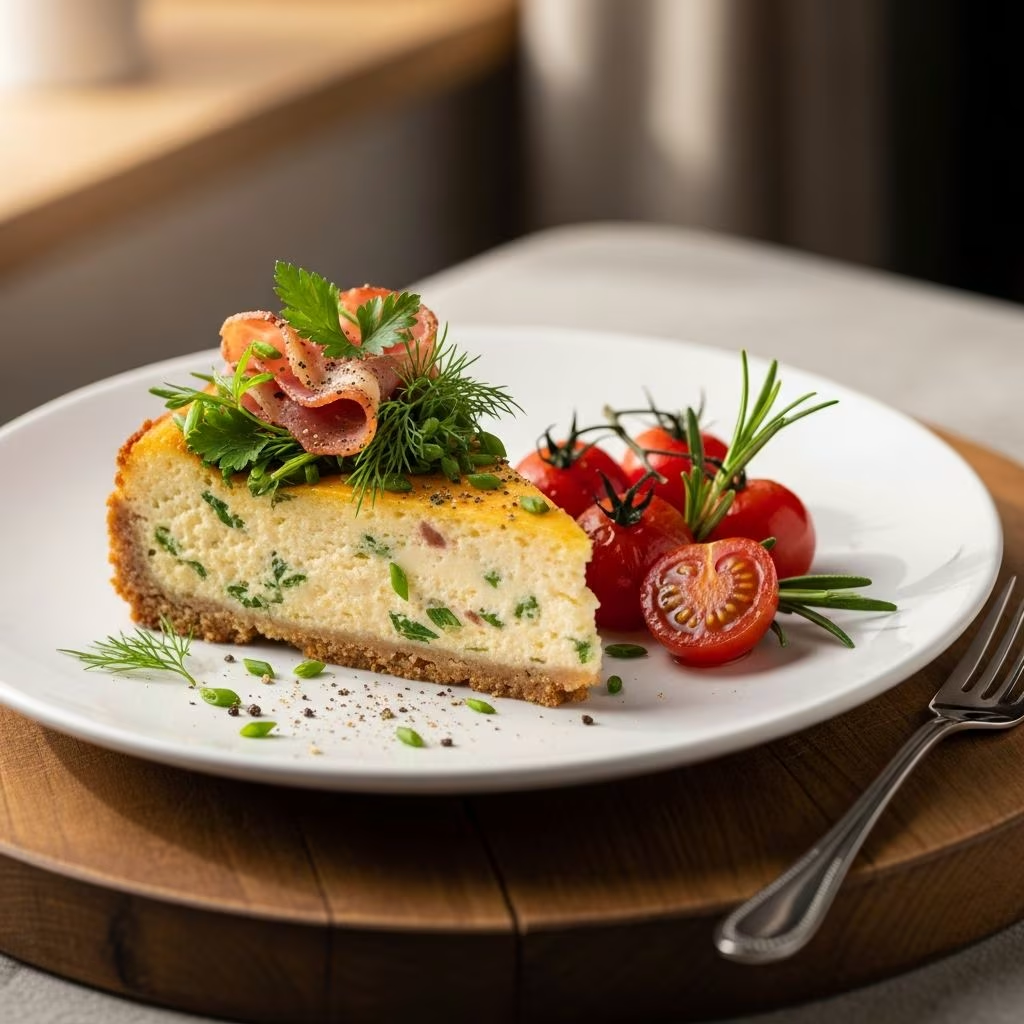
The concept of cheesecake for breakfast might sound unconventional, but it represents a delicious intersection between indulgence and nutrition. Unlike traditional dessert cheesecakes laden with refined sugars and heavy cream, breakfast cheesecakes incorporate wholesome ingredients that fuel your day while satisfying sweet cravings. These innovative recipes combine the creamy texture of classic cheesecake with the nutritional benefits of ingredients like Greek yogurt, cottage cheese, and eggs.
Why Breakfast Cheesecake Makes Sense for Your Morning Routine
Modern breakfast culture often forces us to choose between indulgence and nutrition. Traditional breakfast options like oatmeal and toast lack excitement, while desserts satisfy cravings but leave you feeling sluggish. Breakfast cheesecake bridges this gap by delivering substantial protein content, sustained energy release, and genuine culinary satisfaction in a single dish.
The appeal extends beyond mere flavor. These cheesecakes provide essential macronutrients that support muscle recovery, sustained energy, and improved satiety throughout your morning. When prepared with whole ingredients and natural sweeteners, breakfast cheesecake becomes a legitimate nutritional choice rather than a guilty pleasure.
Foundation Approaches: Understanding Crust Variations
The foundation of any cheesecake significantly impacts both texture and nutritional profile. Traditional graham cracker crusts require additional processing and refined ingredients, but breakfast cheesecake innovators have developed alternatives that align with morning meal principles.
Grain-Based Crust Methods
Rolled oats provide an excellent foundation for breakfast cheesecake crusts, offering fiber, complex carbohydrates, and a pleasant textural contrast to the creamy filling. Combined with chia seeds for additional fiber and omega-3 fatty acids, an oat-based crust delivers nutritional complexity while maintaining structural integrity during baking. The addition of cinnamon and minimal sweetener (such as coconut sugar) creates aromatic depth without excessive sugar content.
The preparation process involves mixing rolled oats with chia seeds, spices, melted butter, and milk to create a cohesive mixture. This combination is pressed firmly into a prepared baking dish and pre-baked for approximately ten minutes before the filling application. This preliminary baking step ensures the crust maintains its structure when the moist filling is added.
Nut-Based Crust Foundations
For those avoiding grains or seeking additional protein content, almond-based crusts offer compelling alternatives. Ground almonds combined with binding agents create a structure that complements the creamy filling while contributing substantial nutritional value. These crusts work particularly well in individual serving formats, such as muffin-tin variations, where portion control becomes naturally enforced.
The Filling: Creating the Perfect Creamy Center
The filling represents the soul of breakfast cheesecake, where texture, flavor, and nutrition converge. Unlike conventional cheesecakes that rely primarily on cream cheese for their foundation, breakfast variations employ multiple dairy sources to achieve superior nutritional profiles.
Cottage Cheese as the Protein Powerhouse
Cottage cheese fundamentally changed the trajectory of healthy cheesecake recipes by providing exceptional protein content with minimal fat. A single container of reduced-fat cottage cheese contributes approximately 28 grams of protein, making it nutritionally superior to cream cheese while maintaining creamy consistency when blended properly. The key to successfully incorporating cottage cheese involves thorough blending until complete smoothness—any residual lumps will compromise the final texture.
Large-curd cottage cheese offers better structural integrity during blending compared to small-curd varieties, though either can work in a well-functioning food processor. The blending process essentially transforms cottage cheese into a smooth paste that integrates seamlessly with other filling ingredients.
Greek Yogurt’s Textural Contribution
Greek yogurt introduces additional protein alongside beneficial probiotics that support digestive health. The thick consistency of quality Greek yogurt prevents excessive moisture in the filling while adding slight tanginess that balances sweetness. A third of a cup of Greek yogurt provides approximately 7 grams of protein without requiring additional binding agents.
Natural Sweetening Strategies
Rather than refined white sugar, breakfast cheesecakes employ natural sweeteners like maple syrup that contribute both sweetness and nutritional complexity. Maple syrup contains minerals including manganese and zinc, alongside antioxidant compounds absent from processed sweeteners. Typically, two tablespoons of maple syrup adequately sweetens a standard batch without creating excessive sugar content.
Flavor Profiles and Customization Options
While cinnamon represents the classic breakfast cheesecake flavoring, numerous variations expand the possibilities:
- Vanilla Enhancement: Pure vanilla extract adds aromatic depth without additional calories, enhancing overall flavor complexity
- Almond Flavoring: Half-teaspoon of almond extract creates distinctive flavor differentiation, particularly appealing in nut-crusted variations
- Spice Combinations: Nutmeg, cardamom, or ginger introduce warming spices that pair naturally with breakfast settings
- Citrus Integration: Lemon zest adds brightness and acidity that cuts through richness without additional sweetness
Baking Techniques and Temperature Management
Proper baking technique separates exceptional breakfast cheesecake from disappointing attempts. The process involves two distinct temperature stages that serve specific purposes.
Initial Crust Preparation
Preheating the oven to 350°F and baking the crust independently for approximately ten minutes allows moisture to evaporate while developing structural strength. This preliminary baking prevents soggy crusts that result from directly filling unbaked foundations.
Filling Bake Temperature Adjustment
After crust preparation, oven temperature reduces to 325°F for the filling baking stage. This lower temperature ensures gradual, even cooking throughout the filling without excessive browning or splitting on the surface. The lower temperature particularly matters when eggs comprise the binding structure, as rapid heating can create rubbery textures.
Determining Doneness Accurately
The cheesecake reaches proper doneness when the center registers as firm to touch without excessive jiggling, typically requiring 35 to 45 minutes depending on dish size and oven characteristics. Overbaking results in dry, grainy texture, while underbaking produces excessive jiggles and potential food safety concerns due to insufficient egg cooking.
Individual Serving Variations
Beyond traditional square baking dish formats, breakfast cheesecake adapts beautifully to individual serving vessels including ramekins and muffin tins. These variations offer portion control, reduced baking time (typically 25-30 minutes), and enhanced presentation possibilities for entertaining.
Individual ramekins prove particularly suitable for protein powder-enhanced variations where additional structural support prevents excessive spreading. Muffin-tin preparations create grab-and-go portions perfect for busy mornings, though slightly adjusted ingredient ratios become necessary to account for reduced volume.
Frequently Asked Questions
Can I prepare breakfast cheesecake the night before?
Yes, breakfast cheesecake stores exceptionally well in refrigeration for up to four days when properly covered. Many people find the texture actually improves after overnight resting as flavors meld and the structure becomes firmer.
What topping options complement breakfast cheesecake?
Fresh berries provide nutritional enhancement and visual appeal, while granola adds textural contrast. Yogurt dollops, nut butters, or honey drizzles offer additional customization based on personal preferences.
Can I modify recipes for dietary restrictions?
Breakfast cheesecake adapts remarkably well to various dietary needs. Keto variations substitute sugar-free sweeteners, while gluten-free versions already work naturally due to ingredient selection. Dairy-free adaptations require cashew-based cream cheese alternatives and coconut yogurt.
How does protein content compare to traditional breakfast options?
A single serving of breakfast cheesecake typically provides 15-20 grams of protein depending on specific recipe construction, substantially exceeding standard breakfast options like toast or pastries that usually provide 4-8 grams.
Is breakfast cheesecake suitable for meal preparation?
Absolutely. The recipes freeze successfully for up to two months when properly wrapped, making them ideal for batch preparation and grab-and-go convenience throughout busy weeks.
Nutritional Considerations and Health Benefits
Beyond delicious flavor, breakfast cheesecake offers legitimate nutritional advantages when prepared with whole ingredients. The protein content supports muscle maintenance and metabolic function, while natural sweeteners avoid blood sugar spikes associated with refined sugars. Greek yogurt and cottage cheese provide probiotics supporting digestive health, while eggs contribute choline for cognitive function.
The sustained energy delivery from protein, coupled with fiber from grain-based crusts or nuts, prevents the mid-morning energy crash common after refined carbohydrate consumption. This nutritional profile makes breakfast cheesecake particularly suitable for individuals managing blood sugar levels or pursuing fitness goals.
Serving Suggestions and Beverage Pairings
Breakfast cheesecake pairs beautifully with morning beverages including coffee, tea, and fresh juice. The richness of the cheesecake complements coffee’s bitterness, creating a balanced flavor experience reminiscent of European café culture. For non-coffee drinkers, herbal tea or smoothies provide complementary options.
Serving temperature affects overall experience—while some prefer room temperature consumption that emphasizes flavor nuances, others enjoy slight chilling that enhances texture contrast. Experimentation determines individual preferences.
Conclusion: Elevating Your Breakfast Experience
Breakfast cheesecake represents more than a novel recipe—it challenges conventional thinking about what constitutes appropriate morning fare. By combining indulgent flavors with nutritious whole ingredients, these recipes satisfy both nutritional needs and culinary desires. Whether prepared in traditional square formats, individual ramekins, or grab-and-go muffin tins, breakfast cheesecake deserves a permanent place in the rotation of morning meal options.
References
- Cottage Cheese Nutrition and Health Benefits — U.S. Department of Agriculture. 2023. https://fdc.nal.usda.gov/
- Greek Yogurt: Protein Content and Probiotic Benefits — National Institutes of Health. 2023. https://www.nih.gov/
- Maple Syrup Composition and Nutritional Value — University of Vermont. 2022. https://www.uvm.edu/
- Egg Protein and Dietary Contributions — American Egg Board. 2024. https://www.aeb.org/