Braised beef short ribs represent one of the most rewarding techniques in home cooking, transforming tough, economical cuts into deeply flavorful, tender masterpieces. The magic lies not merely in prolonged cooking time, but in layering aromatic ingredients, building complex spice profiles, and allowing low heat to work its gradual transformation. This comprehensive guide explores the methods, ingredients, and techniques that elevate short rib braising from simple comfort food to sophisticated dining experience.
Understanding the Anatomy of Short Ribs
Beef short ribs differ significantly from other rib cuts, containing substantial connective tissue, bone, and fat that become assets rather than liabilities during braising. The bone structure contributes essential collagen that converts to gelatin during extended cooking, creating silky, unctuous textures. The marbled fat renders slowly, basting the meat internally while infusing the braising liquid with rich, savory notes. Selecting bone-in short ribs of approximately 1.5 to 2 kilograms ensures adequate meat thickness and structural integrity throughout the cooking process.
The quality of your starting ingredient significantly impacts final results. Look for ribs with consistent thickness, vibrant red color, and substantial marbling throughout. Allowing ribs to reach room temperature before cooking ensures more uniform browning and better heat penetration during searing.
The Essential Role of Caramelized Aromatics
The foundation of exceptional braised short ribs begins with building layers of flavor through careful caramelization of onions. Unlike quick-cooking applications, braising demands deep, complex aromatics that develop through extended exposure to moderate heat. This process requires patience and attention, as onions must pass through multiple stages of transformation.
Begin by slicing three large onions uniformly into thin pieces. Heating ghee or clarified butter in a substantial Dutch oven creates the ideal fat base for developing aromatic compounds. Adding onions along with finely grated garlic and ginger establishes the aromatic base layer. The initial stage involves cooking with the pot covered, which traps steam and accelerates onion softening without browning.
After approximately ten minutes of covered cooking, uncover the pot and increase heat slightly, stirring frequently as onions gradually transition from translucent to golden. This stage requires vigilance, as water content evaporates and onions begin making direct contact with the hot surface. Should browning accelerate excessively, adding small splashes of water dissolves caramelized bits clinging to the pot bottom, allowing onions to reabsorb these concentrated flavors.
The final stage produces deeply caramelized onions with dark mahogany coloration and slightly blackened edges, a transformation requiring fifteen to twenty additional minutes of frequent stirring. This extensive caramelization develops complex sugars and umami compounds that form the flavor backbone of the entire dish.
Spice Blending and Aromatic Infusion
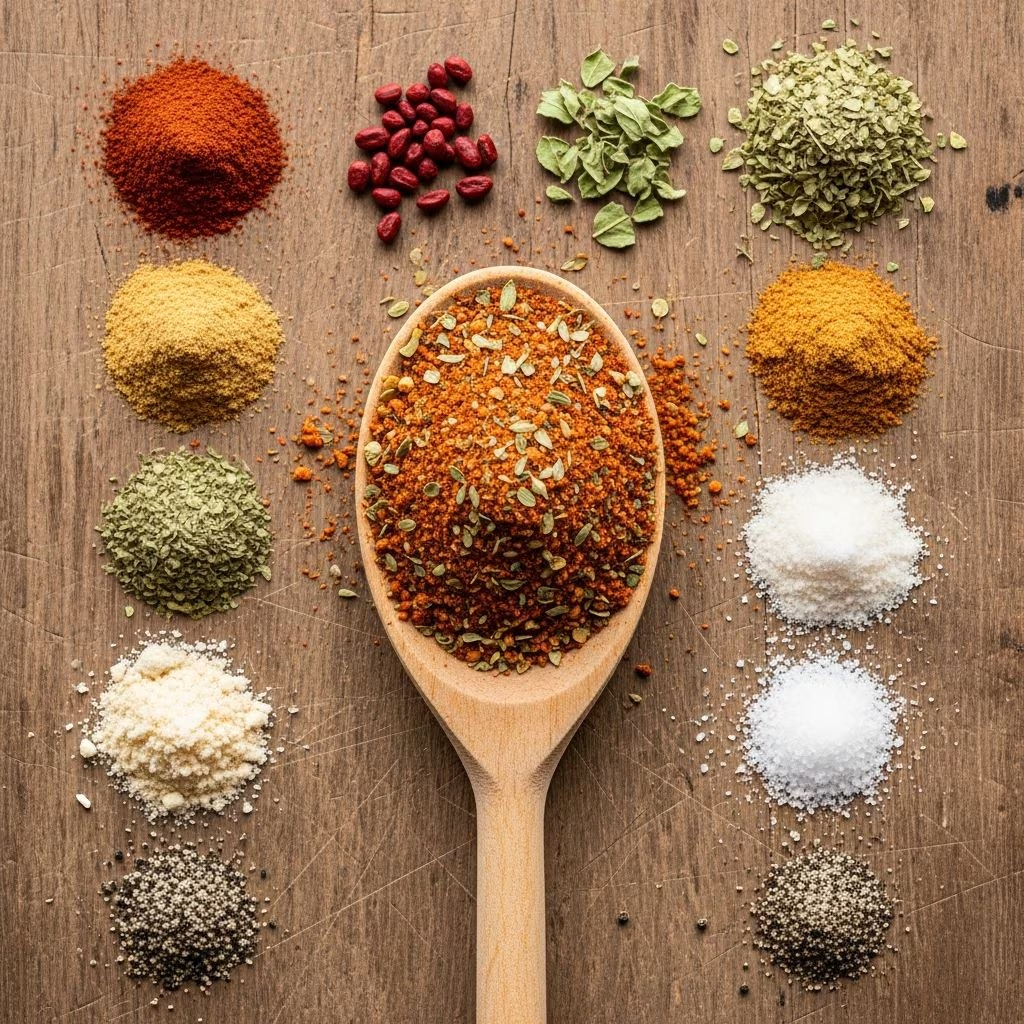
Traditional spice combinations transform simple braising liquids into aromatic mediums that penetrate the meat during extended cooking. The typical foundation includes garam masala, which itself combines multiple toasted and ground spices for layered warmth. Ground coriander adds subtle citrus notes, paprika contributes mild sweetness and color, while ground turmeric introduces earthy, slightly bitter undertones.
Whole cumin seeds, added to the caramelized onion mixture, release their essential oils through gentle heating, their flavor intensifying rather than diminishing through cooking. Fresh curry leaves represent perhaps the most critical aromatic component, their complex herbal profile adapting and deepening throughout the braising process. The approximately thirty curry leaves typically incorporated into the braising liquid contribute distinctive flavor that cannot be replicated through dried alternatives.
Timing matters significantly in spice incorporation. Adding spices to the caramelized onion base and cooking for approximately two minutes allows aromatics to bloom in fat before liquid addition, a technique that dramatically enhances spice flavor complexity. This brief toasting stage awakens dormant flavors, making spices more perceptible throughout the final dish.
| Spice Component | Quantity (for 1.5kg ribs) | Primary Flavor Profile |
|---|---|---|
| Garam Masala | 3 tablespoons | Warm, complex, slightly sweet |
| Ground Coriander | 3 tablespoons | Citrus, floral, subtle warmth |
| Paprika | 2 teaspoons | Mild, slightly sweet, color |
| Cumin Seeds | 1 teaspoon | Earthy, warm, aromatic |
| Ground Turmeric | 1 teaspoon | Earthy, bitter, medicinal |
Braising Liquid Development
The braising liquid requires careful consideration, as it simultaneously cooks the meat and concentrates flavors through extended heating. A typical preparation incorporates three and one-half cups of water combined with tomato paste, which adds acidity, umami depth, and subtle sweetness. Fresh or frozen grated coconut introduces richness, creaminess, and subtle tropical notes that balance the spice-forward profile.
The braising liquid should achieve a consistency resembling thick soup rather than thin broth, with sufficient body to coat the meat thoroughly while allowing gentle circulation around each piece. This balance prevents drying while ensuring the meat remains partially exposed to direct heat contact, which develops desirable exterior browning even during the braising phase.
The Searing Process
Preliminary searing develops the Maillard reaction on short rib surfaces, creating complex flavors through chemical reactions between proteins and sugars at high temperatures. This step, while occasionally optional, significantly enhances final depth and complexity. Pat short ribs thoroughly dry with paper towels, removing surface moisture that inhibits browning. Season generously with kosher salt, allowing approximately thirty minutes for salt to penetrate the meat surface.
Heat a dry Dutch oven over medium-high temperature until the bottom surface develops a slight sheen. Searing without added fat initially prevents sticking while allowing surface moisture to evaporate. Each rib requires approximately three minutes per side, sufficient time for developing a golden-brown crust without cooking interior portions. Transfer seared ribs to a holding plate, allowing oil rendered during searing to remain in the pot for subsequent steps.
Oven Braising Techniques
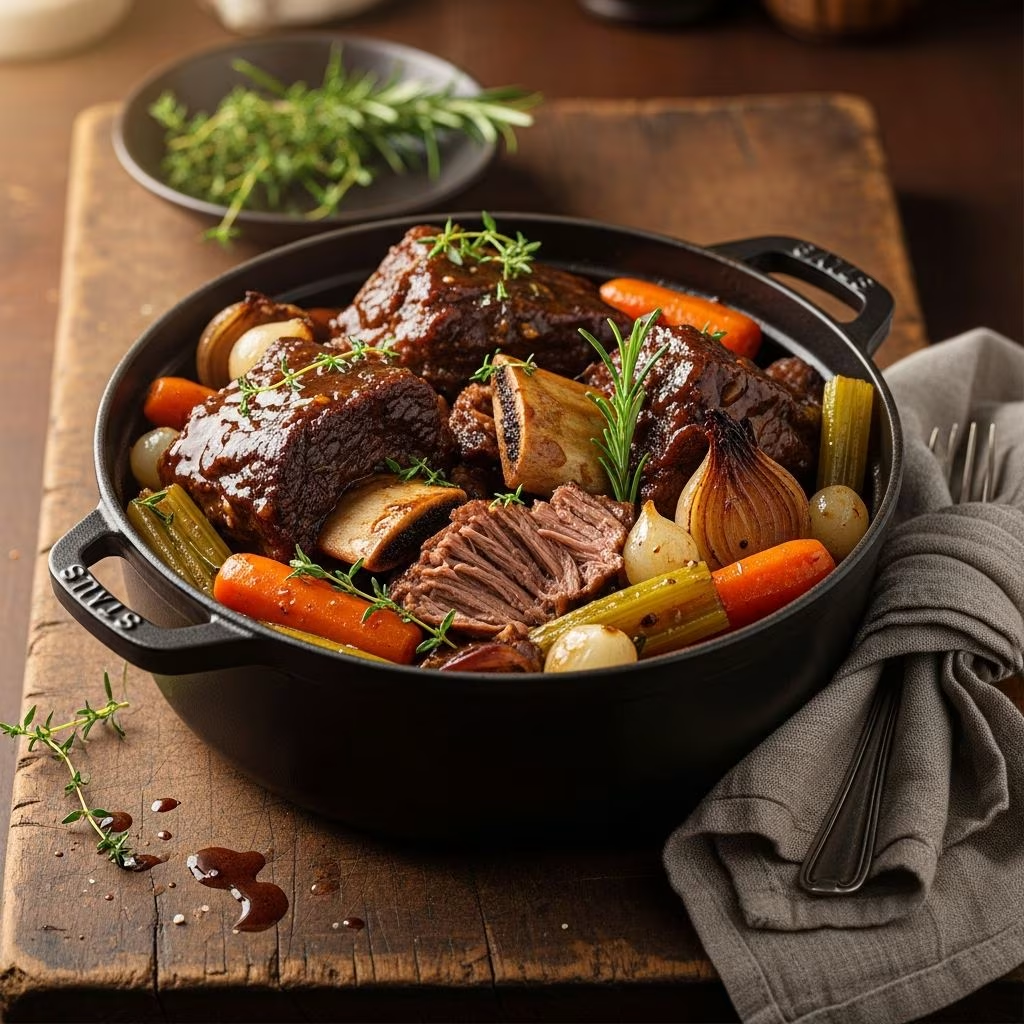
Once the spiced aromatic base is established and curry leaves and coconut are incorporated, return the seared short ribs to the pot, nestling them into the braising liquid. The liquid should partially submerge each rib, with some portions exposed to create varied texture. Bring the liquid to a gentle simmer on the stovetop, approximately three to five minutes, then cover the pot and transfer to a preheated 350-degree oven.
Oven braising provides several advantages over stovetop cooking: uniform heat distribution prevents scorching on the pot bottom, consistent temperature prevents liquid loss through excessive evaporation, and the enclosed environment concentrates flavors efficiently. After approximately one hour and forty-five minutes, the collagen in short ribs converts to gelatin, the meat becomes noticeably tender, and the braising liquid thickens slightly from collagen dissolution.
Testing for doneness involves piercing the thickest meat section with a fork or knife; properly braised ribs yield to gentle pressure without resistance. The meat should not completely separate from bone—that indicates overcooked, dry meat—but should offer minimal resistance.
Complementary Components: Roasted Potatoes
Medium potatoes, halved lengthwise, complement braised short ribs beautifully when roasted simultaneously. Positioning potatoes on a rack positioned below the braising pot allows them to cook through gentle oven heat while the ribs braise intensely. The approximately forty-five-minute cooking duration brings potatoes to fork-tender consistency without excessive surface browning.
After potatoes finish cooking, increase oven temperature to 500 degrees or maximum available setting. Draining excess moisture using foil as a barrier, then coating potatoes with extra-virgin olive oil and generous salt seasoning, prepares them for final roasting. This high-heat phase—approximately twenty to twenty-five minutes—develops golden, crispy cut-side surfaces while the interior flesh remains creamy and tender. This textural contrast provides pleasant eating experience against the silky richness of braised meat.
Finishing Touches and Presentation
Transfer roasted potatoes to a large shallow bowl or platter, creating the base layer. Arrange braised short ribs on top, then scatter fresh cilantro leaves and tender stems across the surface. Lime wedges served alongside allow individual diners to adjust acidity levels according to personal preference, brightening the rich, complex flavors with citrus brightness.
The braising liquid, now thickened and intensely flavored, can be spooned over the meat and potatoes or served in a small vessel alongside. This liquid, enriched with dissolved collagen and concentrated spice aromatics, contributes significantly to the final eating experience.
Make-Ahead Considerations
Braised short ribs develop improved flavor when allowed to rest overnight before serving. The cooling process allows flavors to marry and equilibrate throughout the meat and sauce. Transfer cooled ribs to a covered container and refrigerate up to one day in advance. When ready to serve, gently reheat in a 325-degree oven for approximately thirty minutes, allowing gradual temperature increase that prevents heat-related moisture loss.
Frequently Asked Questions
- Can I use boneless short ribs instead?
- While boneless ribs require shorter cooking times (approximately sixty to ninety minutes), the final texture lacks the silky mouthfeel created by bone collagen dissolution. Bone-in ribs are strongly recommended for optimal results.
- What if I cannot find fresh curry leaves?
- Fresh curry leaves contribute distinctive flavor that dried alternatives cannot replicate. However, frozen curry leaves, available in many Indian markets, perform adequately as substitutes. Dried curry leaves lose substantial flavor and should be avoided.
- How can I reduce the braising liquid if it seems too thin?
- After removing ribs from the pot, place the Dutch oven on the stovetop over medium-high heat and simmer uncovered, stirring occasionally, until the liquid reduces to desired consistency. This typically requires ten to fifteen minutes.
- Can this recipe be adapted for slow cookers or pressure cookers?
- Slow cookers require adjustment: After searing ribs and developing the aromatic base on the stovetop, transfer everything to the slow cooker and cook on low for six to eight hours. Pressure cookers reduce cooking time to approximately forty-five minutes at high pressure with natural pressure release.
- What wines or beverages pair well with this dish?
- Rich, medium-bodied red wines with balanced acidity complement the spiced, coconut-enriched flavors. Alternatively, aromatic white wines with floral or fruit-forward notes provide contrasting balance.
Variations and Adaptations
This foundational technique accommodates numerous variations based on available ingredients and personal preferences. Substituting ghee with vegetable or coconut oil adjusts the fat profile while maintaining the braising process. Adding fresh diced tomatoes alongside tomato paste increases acidity and adds textural contrast. Incorporating additional vegetables such as carrots or bell peppers during the final cooking stages creates a more substantial one-pot meal.
Some practitioners add fresh ginger in two stages: finely grated at the beginning for subtle background warmth, and larger pieces during braising for more pronounced ginger presence as the meat finishes cooking. This layering technique prevents ginger from becoming overly intense while ensuring adequate representation in the final dish.
Experimenting with spice proportions allows personalization without compromising technique. Those preferring milder results reduce garam masala and turmeric by one-third, while spice enthusiasts increase these components by twenty to thirty percent. The braising liquid concentration and cooking duration remain constant, ensuring proper meat tenderness regardless of spice level adjustments.
Conclusion
Mastering aromatic braised beef short ribs represents an investment in fundamental cooking skills that yield impressive results suitable for both casual weeknight dinners and formal entertaining. The combination of proper meat selection, careful aromatic development, balanced spice incorporation, and patient low-temperature cooking transforms economical ingredients into sophisticated dishes. Whether served with roasted potatoes, fragrant rice, or crusty bread for sauce absorption, braised short ribs with curry leaves and coconut-enriched liquid demonstrate that exceptional cooking often emerges from disciplined technique rather than exotic ingredients.
References
- The Science of Cooking: Understanding the Biology and Chemistry Behind Food and Cooking — by Jeff Potter, based on culinary science principles. 2010. https://www.sciencedirect.com/
- Mastering the Art of French Cooking — Julia Child and Simone Beck. 1961. Classic reference on braising technique fundamentals.
- The Flavor Bible: The Essential Reference for More Than 500 Ingredients and 13,000 Flavor Combinations — Karen Page and Andrew Dornenburg. 2008. Food pairings and spice profiles.
- Salt, Fat, Acid, Heat: Mastering the Elements of Good Cooking — Samin Nosrat. 2017. Fundamental cooking principles applied to meat preparation.