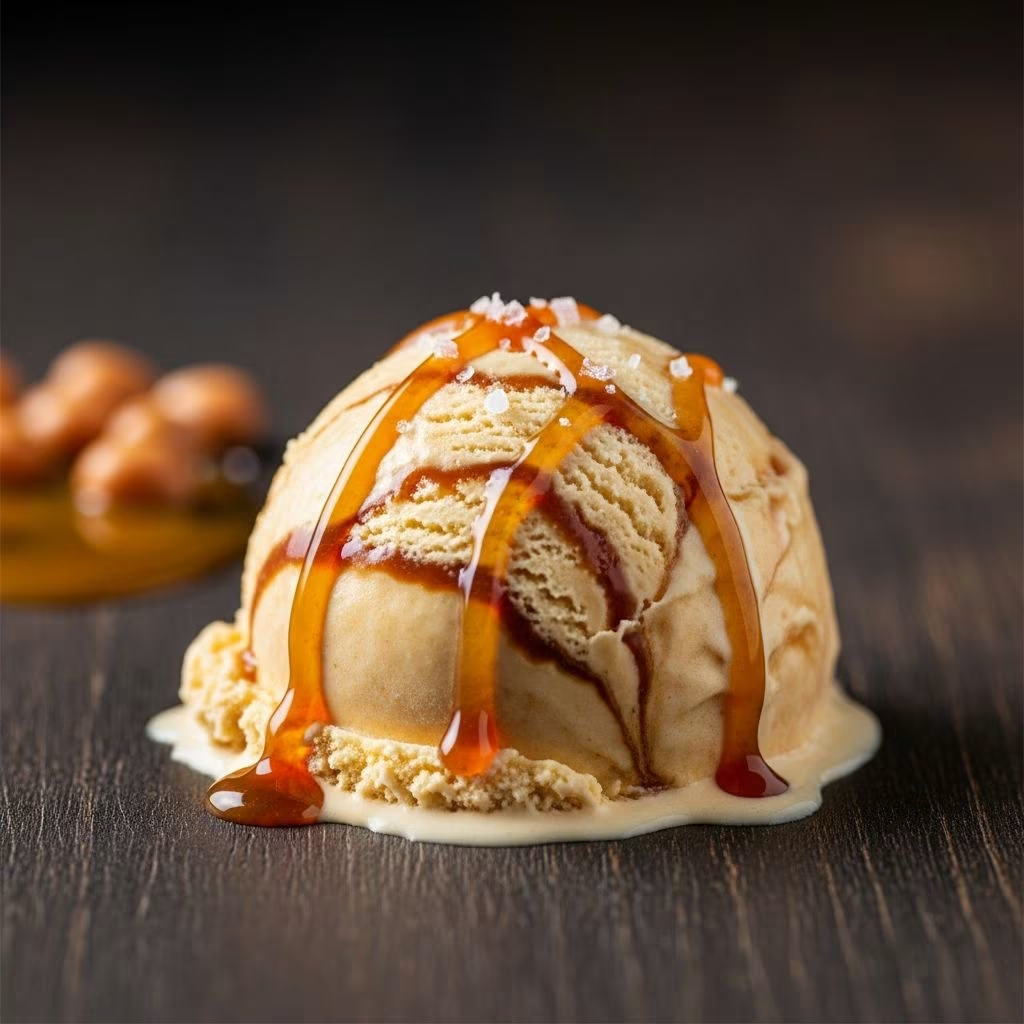
The combination of bourbon and butterscotch represents one of the most sophisticated flavor pairings available to home cooks. When these two elements converge in a creamy ice cream base, the result is a dessert that transcends ordinary frozen treats. This indulgent creation brings together the warmth of aged spirits with the sweet, complex notes of caramelized sugar and butter, creating a multisensory experience that appeals to adventurous palates and dessert enthusiasts alike.
Understanding the Foundation: Why This Pairing Works
The success of bourbon butterscotch ice cream lies in the complementary nature of its key components. Butterscotch, derived from brown sugar and butter, carries molasses undertones that echo the vanilla and oak characteristics found in quality bourbon. This natural harmony means the two flavors enhance rather than compete with one another. The bourbon doesn’t overpower; instead, it adds depth and sophistication that elevates the butterscotch from a simple candy flavor to a complex, mature dessert experience.
Brown sugar serves as the cornerstone of authentic butterscotch flavor. Unlike white granulated sugar, brown sugar contains molasses, which contributes a subtle complexity that pure sucrose cannot replicate. This molasses content, however, introduces an acidic element that demands careful handling during ice cream preparation to prevent unwanted curdling.
Ingredient Selection and Preparation
Essential Components
Creating bourbon butterscotch ice cream requires attention to ingredient quality and proper proportions. The basic formula includes unsalted butter, dark brown sugar (packed firmly to measure accurately), heavy cream, whole milk, egg yolks, vanilla extract, bourbon, and salt. Each component serves a specific function in achieving the desired texture and flavor profile.
- Unsalted Butter: Provides the foundational richness and enables proper browning for depth of flavor
- Dark Brown Sugar: Delivers pronounced molasses notes that define true butterscotch character
- Heavy Cream: Creates luxurious mouthfeel and contributes to proper emulsification
- Whole Milk: Balances richness while preventing the ice cream from becoming too dense
- Egg Yolks: Act as emulsifiers and create a custard-based structure that prevents ice crystal formation
- Bourbon: Adds warmth and complexity; select a mid-range quality spirit rather than premium bottles
- Vanilla Extract: Rounds out flavors and adds subtle aromatic complexity
- Sea Salt: Enhances sweetness perception and balances the richness
The Critical Chemistry: Managing Acid and Temperature
The molasses present in brown sugar is significantly more acidic than white sugar. This acidity poses a particular challenge when combining ingredients at different temperatures. If the acidic butterscotch mixture comes into contact with warm milk and egg yolks simultaneously, the proteins in the custard can denature and curdle, resulting in a grainy, separated texture rather than a smooth, creamy base.
Professional ice cream makers address this challenge by preparing the butterscotch and custard components separately, then combining them only after both have cooled completely. This approach prevents the acid from attacking the delicate custard proteins while they’re still warm and vulnerable. Once cooled, the proteins have stabilized, and the two components can safely merge without compromising texture.
Step-by-Step Preparation Process
Butterscotch Base Creation
Begin by melting unsalted butter in a medium-weight saucepan over medium heat. Add the packed brown sugar gradually, stirring until the mixture achieves a uniform texture. The goal is to create a homogeneous blend before introducing any liquid elements. Once combined, slowly pour in heavy cream while stirring continuously. The mixture will initially seize and harden; this is a normal reaction that resolves as heating continues. Bring the mixture to a gentle boil and maintain this state for approximately three to five minutes, stirring occasionally to prevent overflow or scorching.
Remove the saucepan from heat and immediately stir in vanilla extract and salt. Pour this mixture into a bowl and allow it to cool completely in the refrigerator. This cooling period is non-negotiable; rushing this step by combining warm butterscotch with warm custard will result in curdling.
Custard Base Development
While the butterscotch cools, prepare the custard component. Heat whole milk and additional heavy cream together in a separate saucepan over medium heat until the mixture reaches a gentle warm state—approximately 160-170°F (70-76°C). The key is achieving sufficient heat to support the egg yolks without reaching boiling temperature.
In a large bowl, whisk together egg yolks and a portion of the sugar called for in the custard component. Slowly add a generous ladle of the warm milk mixture to the egg yolks while whisking continuously. This tempering process gradually acclimate the eggs to the heat without scrambling them. Continue whisking briskly, then add the egg mixture back into the saucepan with the remaining milk, again whisking constantly.
Place the saucepan back over medium heat and cook while stirring gently until the mixture thickens enough to coat the back of a spoon—usually 3-5 minutes. The custard should reach approximately 160-170°F (71-76°C) to ensure food safety from potential salmonella.
Integration and Aging
Once both components have cooled completely—ideally after several hours in the refrigerator—combine them in a blender on low speed for 20-30 seconds. This brief blending ensures proper emulsification without incorporating excessive air. Strain the mixture through a fine-mesh sieve to catch any cooked egg particles or crystallized sugar, resulting in a silky-smooth base.
Transfer the finished base to a container and refrigerate overnight, or for a minimum of four hours. Extended chilling improves ice cream texture significantly by allowing the fat globules to stabilize and the flavors to develop and meld more completely.
Churning Techniques and Freezing Methods
If you own a self-refrigerating ice cream machine, activate it approximately ten minutes before you plan to churn. For machines with removable bowls, ensure the bowl has frozen for at least 24 hours prior to use. Pour the chilled base into the machine and churn according to manufacturer specifications, typically 20-30 minutes. The mixture should reach soft-serve consistency with a slight resistance when the dasher is lifted.
Transfer the soft-serve ice cream to a pre-chilled container and freeze for a minimum of four hours, preferably overnight, to achieve proper scoopability and allow flavors to fully develop.
Butterscotch Swirl Variations
Traditional Bourbon Butterscotch Swirl
For added complexity, prepare a separate bourbon-infused butterscotch swirl using similar techniques to the base butterscotch, but with adjusted ratios and the addition of bourbon and fresh lemon juice. The lemon juice serves to brighten the swirl and add subtle tartness that contrasts beautifully with the sweetness and bourbon warmth.
When layering the ice cream, alternate thin layers of soft-serve with generous drizzles of the butterscotch swirl. Use a thin knife to create decorative swirls through the layers, creating visual interest and ensuring every scoop contains both textures and flavor components.
Alternative Alcohol Options
While bourbon remains the classic choice, other spirits offer interesting variations. Scotch introduces smoky, peaty characteristics that add intrigue. Rum, particularly aged varieties, provides warm vanilla and oak notes. Cognac contributes fruity undertones. The key is selecting spirits with bold, distinctive flavors rather than neutral options, as subtle spirits will become lost in the rich butterscotch base.
Ingredient Quantity Reference Table
| Ingredient | Custard-Based Version | No-Churn Version |
|---|---|---|
| Unsalted Butter | 2 tablespoons | ½ cup (1 stick) |
| Dark Brown Sugar | 1 cup (packed) | 1 cup (packed) |
| Heavy Cream | 1.5 cups | 2 cups |
| Whole Milk | 2 cups | ½ cup (sweetened condensed) |
| Egg Yolks | 4-5 large | 0 (not required) |
| Bourbon | 2 tablespoons | 2 tablespoons |
| Vanilla Extract | 1 teaspoon | 2 teaspoons |
| Salt | 1 teaspoon | ½ teaspoon |
No-Churn Alternative Method
For those without access to ice cream machines, a simplified no-churn version produces surprisingly excellent results. Combine sweetened condensed milk, vanilla extract, bourbon, and salt in a large bowl. In a separate container, whip heavy cream to stiff peaks. Gently fold the whipped cream into the condensed milk mixture in two additions, being careful not to deflate the cream.
Layer this base with prepared butterscotch sauce in a parchment-lined pan or container, creating visible swirls with a thin knife. Freeze overnight before serving. While this method lacks the custard foundation of traditional ice cream, the sweetened condensed milk provides sufficient structure and richness for an acceptable frozen dessert.
Troubleshooting Common Issues
Grainy Texture Problems
Grainy ice cream typically results from either improper butterscotch preparation or ice crystal formation. To prevent graininess from butterscotch, avoid over-stirring once the mixture begins caramelizing. A gentle swirl of the pan is sufficient to promote even cooking. Never use a vigorous back-and-forth stirring motion, which can cause sugar recrystallization. If combining warm butterscotch with warm custard, the acid can curdle proteins, creating a sandy texture. Always cool both components completely before combining.
Insufficient Flavor Development
If the finished ice cream tastes muted, extended refrigeration of the base often resolves the issue. Chilling overnight rather than just four hours allows flavors to meld and mellow. Additionally, ensure you’re using quality bourbon with distinctive character rather than budget spirits, as the spirit’s own flavor compounds contribute significantly to the final result.
Hard, Icy Texture
Overly hard ice cream results from inadequate fat content or insufficient churning time. Ensure you’re using full-fat dairy products and churning until the mixture reaches soft-serve consistency. If your ice cream is consistently too hard, try storing it in the main freezer compartment rather than the coldest section, where fluctuating temperatures can promote ice crystal growth.
Serving Suggestions and Presentation
Bourbon butterscotch ice cream deserves presentation befitting its sophisticated flavor profile. Serve in chilled glasses or bowls to prevent rapid melting. A drizzle of additional butterscotch sauce, a sprinkle of fleur de sel, and perhaps a small pour of bourbon over the top creates an impressive dessert worthy of dinner parties. Candied nuts, particularly pecans or walnuts toasted with brown sugar and salt, provide complementary textural contrast.
This ice cream pairs exceptionally well with warm desserts like apple crisp, brown butter pound cake, or pecan pie, where the cold sweetness and bourbon warmth balance the heat and spice of the accompanying dish.
Storage and Shelf Life
Properly stored bourbon butterscotch ice cream maintains quality for 2-3 weeks in the freezer when kept in an airtight container. The alcohol content helps preserve the product slightly longer than traditional ice cream. To prevent freezer burn and unwanted flavor absorption, press plastic wrap directly against the ice cream surface before covering with a lid.
Frequently Asked Questions
Can I make this without an ice cream maker?
Yes, the no-churn method using sweetened condensed milk and whipped cream works effectively for home cooks without specialized equipment. Results won’t achieve the exact texture of churned ice cream but remain quite satisfactory.
Is the bourbon flavor noticeable?
The alcohol content typically cooks off or evaporates during preparation, leaving only the subtle flavor compounds and warmth. The bourbon should enhance rather than dominate the butterscotch.
Can I reduce or eliminate the bourbon?
Absolutely. The ice cream remains delicious without bourbon; simply omit it from the recipe. The butterscotch flavor stands independently as a classic favorite.
How long does preparation take?
Active preparation time is approximately 30-45 minutes. Total time from start to serving, including cooling and freezing phases, requires 12-24 hours.
What egg safety considerations apply?
The custard-based method heats egg yolks to 160-170°F (71-76°C), which pasteurizes them against potential salmonella. This temperature is safely below boiling while sufficient for pathogen elimination.
References
- Ice Cream Science: A Comprehensive Guide to Texture, Emulsification, and Fat Crystal Formation — International Dairy Federation. 2023. https://www.idf-dairy.org
- Culinary Use of Alcohol: Flavor Compounds and Evaporation During Cooking — The Culinary Institute of America. 2024. https://www.ciachef.edu
- Brown Sugar Chemistry: Molasses Content and Acidic Properties — Sugar Association. 2024. https://www.sugar.org
- Food Safety Guidelines for Egg Pasteurization in Frozen Desserts — U.S. Food and Drug Administration. 2024. https://www.fda.gov
- Professional Custard-Based Dessert Preparation — International Association of Culinary Professionals. 2023. https://www.iacp.com