Boiled potatoes represent one of the most versatile and accessible side dishes in any home cook’s repertoire. When combined with fresh chives and aromatic herbs, they transform from a basic staple into an elegant accompaniment worthy of any table. This guide explores everything you need to know about selecting, preparing, and serving this deceptively simple yet satisfying dish.
Understanding Potato Selection and Preparation
The foundation of an exceptional boiled potato dish begins long before the water reaches a boil. Selecting the right variety of potato is paramount to achieving the desired texture and flavor profile. Different potato types contain varying levels of starch and moisture, which directly influence how they cook and absorb flavors.
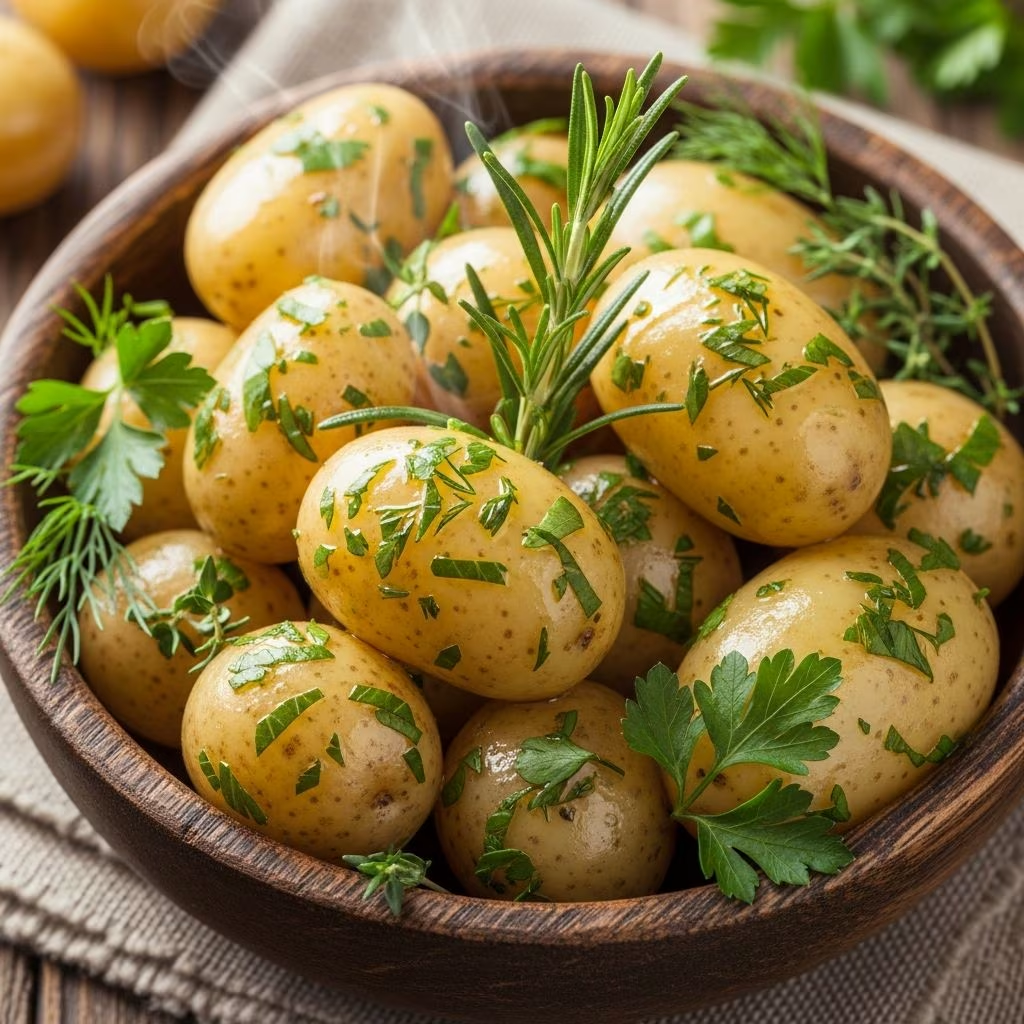
Waxy potatoes such as red bliss, fingerling, or new potatoes maintain their shape and texture during cooking, making them ideal for boiled preparations where you want distinct pieces rather than a creamy consistency. These potatoes have thin, delicate skins and a buttery texture when cooked. Their lower starch content prevents them from breaking apart or becoming mealy during the cooking process.
In contrast, starchy potatoes like russets tend to absorb more water and develop a fluffier texture, which works better for applications like mashing or baking. For a boiled potato dish featuring fresh chives, waxy or medium-starch potatoes provide the best foundation for a visually appealing and texturally satisfying result.
Once you’ve selected your potatoes, proper preparation ensures even cooking and optimal flavor development. Begin by thoroughly scrubbing the potatoes under cool running water to remove any soil or debris. For smaller new potatoes, leaving the nutritious skin intact adds visual appeal and preserves valuable nutrients. Larger potatoes may benefit from cutting into halves or quarters to promote even cooking throughout the batch.
The Science Behind Achieving Perfect Tenderness
Cooking potatoes in boiling water is a straightforward process, yet understanding the underlying science helps achieve consistent, excellent results. The key to perfectly cooked potatoes lies in managing several variables simultaneously: water temperature, salt concentration, cooking duration, and potato size uniformity.
Starting potatoes in cold, salted water rather than adding them to already-boiling water allows for more gradual, even cooking. The salt serves dual purposes: it seasons the potato from within and raises the water’s boiling point, slightly elevating the cooking temperature and promoting more thorough cooking. A general guideline suggests using approximately one tablespoon of salt per large pot of water.
The cooking time typically ranges from ten to twenty minutes, depending on several factors. Smaller, whole new potatoes may cook through in as little as ten to fifteen minutes, while larger pieces or older potatoes might require the full twenty minutes. The true indicator of doneness is not the clock but rather the potato itself. A fork should pierce the largest piece without resistance, and the texture should be creamy rather than firm or chalky.
Overcooked potatoes develop a grainy, unpleasant texture and become prone to breaking apart. Undercooked potatoes remain firm and starchy. Finding that perfect middle ground—fork-tender but still holding their shape—distinguishes an exceptional dish from a mediocre one.
Crafting the Perfect Herb and Butter Coating
Once the potatoes have reached their ideal tenderness, the next critical step involves creating an aromatic, flavorful coating that brings the dish together. The combination of melted butter and fresh chives creates a simple yet sophisticated flavor profile that elevates the humble potato.
Begin by draining the cooked potatoes thoroughly in a colander, allowing excess water to escape completely. Residual water dilutes the butter coating and prevents the herbs from adhering properly. Some cooks recommend allowing the potatoes to rest briefly after draining, which allows surface moisture to evaporate naturally.
In a separate saucepan over medium heat, melt high-quality unsalted butter gently, ensuring it doesn’t brown. Browning develops an overpowering, nutty flavor that can overwhelm the delicate potato and chive combination. Once melted, add fresh chives that have been finely chopped just before use. Chopping fresh herbs immediately before incorporating them preserves their volatile aromatics and ensures maximum flavor and visual appeal.
Some variations include adding minced fresh garlic, which mellows considerably during the cooking process, or a splash of fresh lemon juice that brightens the dish’s overall profile. A light dusting of sea salt and freshly cracked black pepper completes the seasoning, adjusting the balance to your personal preference.
Advanced Flavor Variations and Complementary Ingredients
While the classic combination of potatoes, chives, and butter forms a perfectly satisfying dish, numerous variations expand the possibilities for different occasions and flavor preferences.
Dairy-based additions introduce new dimensions of creaminess and tang. Sour cream mixed with melted butter creates a lighter, more luxurious texture, particularly appealing when combined with additional fresh herbs like dill or parsley. Crème fraîche offers similar properties with a subtly different flavor profile. For those seeking richness without dairy, olive oil infused with garlic provides Mediterranean-inspired complexity.
Herb combinations extend beyond simple chives. Fresh parsley adds a clean, vegetal quality. Dill contributes an aromatic, slightly sweet undertone that pairs particularly well with sour cream preparations. Fresh thyme or rosemary, used judiciously, impart earthy sophistication. The key involves balancing these diverse flavors so that no single herb overwhelms the others.
Cheese additions transform the dish into something more substantial. Finely grated Parmesan cheese adds a salty, umami quality that deepens the overall flavor. Crumbled goat cheese or sharp cheddar offer alternative approaches for different taste preferences.
Finishing touches might include crispy bacon bits for textural contrast, toasted breadcrumbs for crunch, or a shower of fresh microgreens for visual drama and bright flavor notes.
Cooking Methods and Equipment Considerations
While traditional stovetop boiling remains the most common approach, several factors influence which method works best for specific situations.
| Cooking Method | Advantages | Disadvantages |
|---|---|---|
| Stovetop Boiling | Direct control, rapid cooking, traditional results | Requires monitoring, potential for overcooking |
| Slow Cooker | Hands-off preparation, consistent results, ideal for large batches | Longer cooking time, less precise control |
| Pressure Cooker | Significantly reduced cooking time, energy efficient | Requires familiarity with equipment, potential texture variations |
| Oven Roasting | Creates golden, crispy exterior, hands-off approach | Requires higher temperature, less traditional |
Traditional stovetop boiling offers the greatest degree of control and remains the most reliable method for achieving consistent results. A heavy-bottomed pot distributes heat evenly, preventing hot spots that might cause uneven cooking. The pot should be large enough that water covers potatoes by approximately one inch, allowing adequate space for gentle boiling without violent bubbling that might damage delicate potatoes.
Storage and Make-Ahead Strategies
Boiled potatoes with fresh chives can be prepared in advance, though timing considerations affect the optimal final result. Cooked potatoes without butter or herb coating can be refrigerated in an airtight container for up to five days. This allows you to prepare the potatoes’ cooking component during less hectic moments, completing the herb and butter coating just before serving.
However, once dressed with butter and fresh chives, the dish is best served immediately while flavors remain vibrant and the butter coating maintains its glossy, cohesive appearance. If advance preparation is necessary, store the dressed potatoes in a covered pot in a warm location, though the quality gradually diminishes as herbs lose their brightness and the butter coating begins to separate.
Cold boiled potatoes with chives and sour cream variations actually improve as flavors meld over several hours or overnight in the refrigerator, making these preparations excellent candidates for picnic preparations or cold potato salad applications.
Serving Suggestions and Pairing Opportunities
The beauty of this versatile side dish lies in its compatibility with numerous main courses and meal styles. The herb and butter coating provides enough flavor to stand independently, yet the relatively neutral base allows the potatoes to complement rather than compete with other dishes.
These potatoes shine alongside roasted or grilled proteins, from herb-crusted chicken to perfectly seared fish fillets. The butter-chive flavor profile particularly enhances delicate white fish preparations or lean poultry where the richness of the potato accompaniment adds welcome depth. Similarly, beef preparations benefit from the fresh chive element, which cuts through richness with brightness.
Vegetarian meals featuring roasted vegetables or grain-based compositions are elevated by adding this simple yet elegant potato preparation. The dish works equally well for intimate dinner parties or casual family meals, adapting seamlessly to various dining contexts.
Frequently Asked Questions
Can I use dried chives instead of fresh?
Yes, though results differ noticeably. Dried chives lack the bright, fresh quality of their fresh counterparts, but one teaspoon of dried chives can substitute for approximately one tablespoon of fresh chopped chives. Add dried chives directly to the warm butter to allow their flavors to rehydrate and bloom.
How do I prevent potatoes from becoming waterlogged?
Thorough draining immediately after cooking prevents excess water absorption. Some cooks return drained potatoes to the still-warm pot, which allows surface moisture to evaporate naturally before adding butter and herbs.
Should I peel the potatoes before or after cooking?
For boiled potatoes with chives, keeping skins on adds nutritional value, visual appeal, and texture contrast. New potatoes and red-skinned varieties work particularly well with the skin left intact.
What’s the best way to chop fresh chives?
Using sharp kitchen shears or a sharp knife, chop chives just before use to preserve their delicate flavor and bright green color. Cutting on the bias creates visually attractive slices that integrate smoothly into the dish.
Can this dish be served cold?
Absolutely. Allowing boiled potatoes with chive butter to cool creates a completely different eating experience suitable for summer meals or potato salads. Consider switching to sour cream-based preparations for cold applications, as cooled butter can become less appealing.
Troubleshooting Common Issues
Understanding what causes common problems helps prevent disappointment and ensures successful results consistently. If potatoes cook unevenly, ensure similar sizes throughout and maintain consistent heat levels during cooking. If the butter separates from potatoes after cooling, this is natural for butter-based preparations; gently reheating in a warm pot can temporarily reunite them.
When herbs become dark or discolored rather than vibrant green, they’ve been overcooked or added to temperatures that were too high. Always add fresh chives to moderately warm—not hot—butter to preserve their color and fresh quality. If potatoes taste bland despite using salt, this often indicates insufficient seasoning. Remember that salt season throughout cooking rather than only at the end produces better-integrated results.
Conclusion
Mastering the preparation of boiled potatoes with fresh chives reveals how simplicity and quality ingredients combine to create dishes of genuine distinction. By understanding potato selection, cooking science, and flavor development, you transform a basic technique into a culinary skill capable of producing consistently excellent results. Whether serving at casual weeknight dinners or more formal occasions, these herb-enhanced potatoes demonstrate that elegance and accessibility need not be mutually exclusive.
References
- Tiny Boiled Potatoes with Butter and Chives — Alison Roman. https://www.alisoneroman.com/recipes/tiny-boiled-potatoes-with-butter-and-chives/
- Buttery Boiled Potatoes Recipe with Fresh Herbs — The Dinner Bite. https://www.thedinnerbite.com/buttery-boiled-potatoes-recipe-with-parsley/
- Garlic and Chive Potatoes — Sweet Cs Designs. https://sweetcsdesigns.com/garlic-and-chive-potatoes/
- Buttery Herb Boiled Potatoes — The Stay At Home Chef. https://thestayathomechef.com/boiled-potatoes/
- Simple Sour Cream and Chive New Potatoes — Cooking With Carlee. https://cookingwithcarlee.com/simple-sour-cream-and-chive-new-potatoes/