Throughout Central Europe, certain foods hold profound cultural significance, transcending mere sustenance to become symbols of celebration and family tradition. Among these treasured specialties stands Bobalki, a distinctive Slovak pastry that has graced holiday tables for generations. These golden-brown dough balls, when combined with warming honey and aromatic poppy seeds, create a confection that captures the essence of Slovak festive cuisine. The dish represents far more than a simple recipe—it embodies the warmth of family gatherings and the continuity of cultural heritage passed from one generation to the next.
Understanding Bobalki: More Than Just Bread
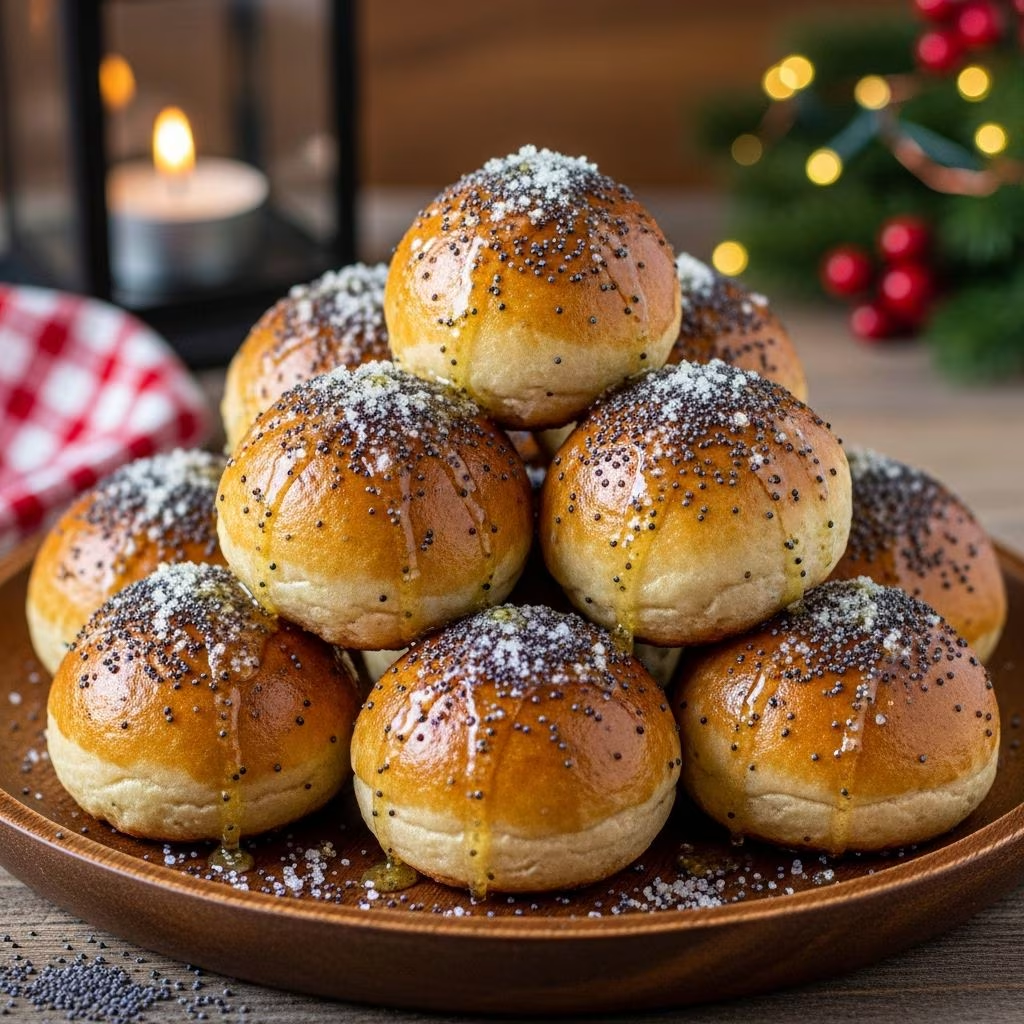
Bobalki occupies a unique position within the broader landscape of Central European baked goods. While superficially similar to other dough-based treats across the region, this Slovak creation possesses distinct characteristics that set it apart. The foundation of Bobalki consists of individual spheres crafted from yeasted dough, each carefully shaped and allowed to rise until light and airy. What distinguishes Bobalki from comparable pastries in neighboring countries is the finishing treatment—a luxurious coating of warm honey combined with finely ground poppy seeds that clings to the exterior surface of each ball.
The texture profile of properly prepared Bobalki deserves particular attention. The exterior presents a delicate crispness achieved through baking, while the interior maintains a tender, slightly springy crumb structure characteristic of well-fermented yeast dough. When the warm honey-poppy seed mixture makes contact with the freshly baked balls, a transformation occurs—the exterior becomes glistening and slightly tacky, the poppy seeds adhering to the honey-coated surface, creating visual appeal and textural contrast.
Many first-time tasters compare the eating experience to other honey-sweetened pastries, though Bobalki occupies its own distinct niche. The combination of warm milk poured over the baked balls serves to soften them further, creating almost a bread pudding-like consistency in some preparations, though this varies according to family tradition and regional variation.
The Historical and Cultural Context
Bobalki’s prominence in Slovak cuisine cannot be understood without acknowledging the food’s deep roots in Central European history. The tradition of yeast-based breads and pastries throughout this region reflects centuries of culinary exchange and cultural influence. What makes Bobalki particularly significant is its association with Christmas Eve celebrations, a time when Slovak families gather around tables laden with symbolic foods.
The dish extends beyond Slovak borders, enjoyed equally in the Czech Republic, reflecting the shared culinary heritage that persists despite political changes throughout the twentieth century. This cross-border appreciation demonstrates how food traditions maintain cultural continuity even as geopolitical boundaries shift. The honey and poppy seed components themselves carry historical significance—both ingredients have been valued in Central European cooking for centuries, prized for their nutritional properties, medicinal qualities, and ability to preserve foods before modern refrigeration.
Contemporary Slovak families continue to view Bobalki not merely as a recipe to execute but as a ritual to honor. The preparation itself, often involving multiple family members working together, becomes an act of cultural transmission and bonding.
Deconstructing the Recipe: Key Components
The Yeast Dough Foundation
The success of any Bobalki preparation begins with understanding the fundamental dough. This component relies on basic bread-making principles: flour, liquid, yeast, salt, and fat combined in proportions that yield a dough with specific handling characteristics.
The flour selection matters significantly. Strong white bread flour contains higher protein content than all-purpose flour, resulting in greater gluten development and superior structure for holding the yeast’s gas production. Some recipes substitute all-purpose flour with acceptable results, though the dough may require slightly different handling. The liquid component, typically milk rather than water, contributes richness and affects the final texture and browning characteristics.
Yeast serves as the biological engine driving fermentation. Traditional recipes may employ either commercial dry yeast or fresh yeast cakes, with adjustments made to quantities accordingly. The fermentation process requires time—typically one to two hours for the initial rise, during which yeast cells consume sugars and produce carbon dioxide gas, creating the light structure essential to finished Bobalki.
Salt and sugar play dual roles in this system. Salt controls fermentation rate and strengthens gluten structure, while sugar feeds the yeast and contributes sweetness. Butter adds richness and affects dough hydration and handling characteristics. The interplay of these components creates dough with optimal extensibility and elasticity.
The Honey and Poppy Seed Topping
The finishing treatment distinguishes Bobalki from plain bread rolls. Honey provides sweetness, creates a glossy surface, and contributes moisture that softens the baked exterior. Ground poppy seeds add subtle flavor complexity, visual texture, and cultural authenticity. Some recipes incorporate powdered sugar mixed with the poppy seeds, adjusting the sweetness profile and creating a finer texture.
The preparation method for the topping varies across family traditions. Some recipes call for simmering honey and poppy seeds together until combined, creating an integrated mixture that clings effectively to the warm baked balls. Alternative approaches involve pouring hot milk over the cooled balls followed by separate applications of poppy seed mixture and honey drizzle, creating a more liquid consistency.
Step-by-Step Preparation Technique
Initial Dough Development
Professional and home bakers alike begin by combining liquid ingredients with yeast and allowing activation to occur. Combining milk with yeast, sugar, and salt in a mixing bowl creates an environment where yeast cells hydrate and begin metabolic activity. Adding flour gradually and mixing thoroughly until all dry particles incorporate prevents lumps and ensures even hydration throughout the dough mass.
Kneading represents the next critical phase, typically requiring five to seven minutes by hand or approximately ten minutes in a stand mixer set to medium speed. During kneading, gluten proteins align and bond, creating an elastic network capable of trapping gas bubbles generated by yeast fermentation. The dough should transition from shaggy and rough-textured to smooth and cohesive, with a slightly tacky surface that doesn’t stick excessively to hands or work surfaces.
Fermentation and Shaping
After kneading, the dough enters the first fermentation phase. Covering the dough with a clean kitchen towel and placing it in a warm, draft-free location allows yeast to work undisturbed. Temperature significantly affects fermentation rate; ideally, dough temperature should reach 25–26°C (77–79°F), resulting in fermentation completion within one and a half to two hours. Visual cues indicate readiness—the dough should approximately double in volume and spring back slowly when poked with a finger.
Once fermentation is complete, the dough is turned onto a lightly floured work surface. Some recipes call for brief kneading at this stage to degas the dough before division. Dividing the dough into equal-sized portions is essential for uniform baking. Some recipes divide into twenty equal pieces for individual shaping, while others divide into three strands that are subsequently cut into uniform segments.
Individual pieces are then rolled between the palms into uniform balls. This shaping process demands gentle handling to preserve the gas structure developed during fermentation. The shaped balls are typically placed on a work surface with modest spacing between them, allowing room for expansion during the second rise.
Final Proofing and Baking
The shaped balls undergo a second, shorter fermentation typically lasting fifteen to twenty minutes. This secondary rise restores volume and creates additional yeast activity, resulting in lighter texture and better oven spring during baking.
Before baking, balls are often rolled in or brushed with oil, which promotes browning and aids in releasing them from baking surfaces. Some recipes skip parchment paper entirely, relying on the oiling technique to prevent sticking. The balls are then placed on baking sheets with adequate spacing—they should not touch one another during baking.
Baking occurs in preheated ovens typically set to 200°C (400°F) for fifteen to twenty-five minutes, depending on batch size and oven characteristics. The balls should emerge with deep golden-brown exteriors and sound hollow when tapped on the base. Allowing brief cooling before topping application prevents the honey glaze from running off the warm pastries while remaining warm enough for optimal honey absorption.
Topping Application Methods
| Topping Method | Process | Result |
|---|---|---|
| Warm Glaze Method | Mix honey and poppy seeds, simmer until combined, coat warm balls immediately | Glossy exterior, seeds adhere firmly |
| Milk Soak Method | Pour hot milk over cooled balls, then apply poppy seed mixture and honey separately | Softer interior, more moist texture |
| Dry Coating Method | Toss cooled balls in poppy seed and sugar mixture, then drizzle with honey | Crunchier exterior, less uniform coating |
The timing of topping application significantly affects final results. Applying warm glaze to freshly baked balls creates immediate adhesion and glossy appearance. Cooling the balls completely before applying toppings allows better control and prevents excess running, though some cooks prefer the softer texture resulting from topping application while heat remains in the pastries.
Common Challenges and Solutions
Several issues frequently arise during Bobalki preparation. Dough that remains dense and doesn’t rise adequately often indicates yeast inactivity or insufficient fermentation time. Ensuring proper water temperature when activating yeast and selecting a warm rising location addresses most such issues. Temperature control remains paramount—cold environments dramatically slow fermentation while excessively hot conditions can kill yeast.
Balls that spread excessively during baking rather than rising upward typically result from over-fermentation or insufficient shaping tension. Monitoring fermentation closely and employing gentle but firm shaping techniques prevents this issue. Some bakers report that proper spacing on baking sheets prevents balls from merging together during baking.
Toppings that slide off baked balls indicate either application to overly cool pastries or insufficient coating adhesion. Applying toppings while balls retain residual heat improves adhesion. Some recipes address this by creating slightly stickier glaze mixtures or using alternative topcoat approaches.
Variations and Modern Adaptations
While traditional Bobalki remain popular, contemporary interpretations have emerged reflecting modern preferences and dietary considerations. Some recipes reduce sugar content or substitute honey with alternative sweeteners. Others incorporate additional spices such as cinnamon or nutmeg into the dough itself, creating subtle flavor development beyond the traditional formula.
Bakers with dietary restrictions have successfully adapted Bobalki recipes using alternative flours and plant-based fats, though such substitutions require careful adjustment to liquid ratios and fermentation times. The core concept—yeast dough balls finished with honey and poppy seeds—remains adaptable while maintaining cultural authenticity.
Serving and Storage Considerations
Bobalki achieve their fullest flavor and optimal texture when served still warm, ideally within a few hours of preparation. The contrast between the warm, slightly sticky exterior and tender interior crumb creates the most memorable eating experience. However, properly stored Bobalki maintain acceptable quality for several days. Placing cooled balls in airtight containers at room temperature preserves them adequately for short periods. Some families refrigerate Bobalki, which extends shelf life though the texture becomes firmer.
For longer-term storage, frozen Bobalki (before or after topping application) preserve reasonably well for several weeks. Thawing at room temperature or brief gentle reheating restores acceptable texture. Many families prepare Bobalki several days before Christmas gatherings, then reheat them briefly before serving, allowing advance preparation to reduce holiday-day workload.
Frequently Asked Questions
Can I make Bobalki without a stand mixer?
Absolutely. Traditional hand-kneading requires more effort and time but produces identical results. Allow approximately ten to fifteen minutes of kneading by hand rather than the five to seven minutes machine-kneading typically requires.
What if I don’t have poppy seeds?
While poppy seeds are traditional and contribute authentic flavor, some recipes substitute ground nuts, cinnamon sugar, or other toppings. The result differs from traditional Bobalki but remains a valid sweet bread preparation.
How far in advance can I prepare Bobalki?
Dough can be prepared up to one day in advance and refrigerated, though fermentation rates slow significantly in cold temperatures. Shaped balls can be frozen before baking, then baked directly from frozen (adding a few minutes to baking time) when needed.
Why is my honey topping crystallizing?
Honey naturally crystallizes over time, particularly at cool temperatures. Gently warming honey before application prevents this. If crystallization occurs after topping application, brief gentle warming restores the honey to liquid consistency.
References
- How To Make Bobalki, Slovak Christmas Bread Recipe — ChainBaker. 2024. https://www.chainbaker.com/how-to-make-bobalki-slovak-christmas-bread-recipe/
- Slovak Bobalki Recipe — Cook Like Czechs. 2024. https://www.cooklikeczechs.com/bobalki-recipe/
- The Best Slovak Bobalky: From Our Family to Yours — New Orleans Mom. 2024. https://neworleansmom.com/mom-hacks/recipes/the-best-slovak-bobalky-from-our-family-to-yours/
- Bobalki: A Traditional Slovak Recipe — Bakes and Blunders. 2024. https://www.bakesandblunders.com/bobalki-a-traditional-slovak-recipe/