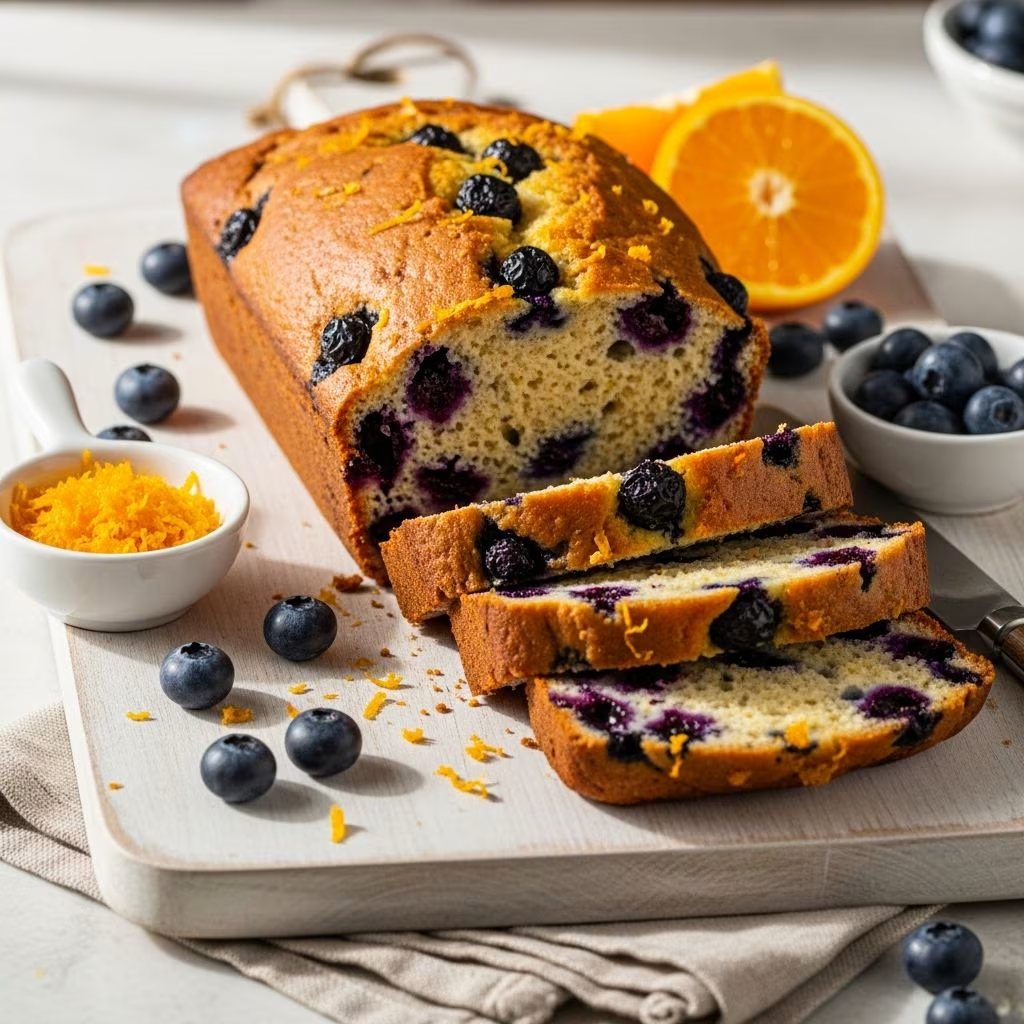
Blueberry orange bread represents one of the most versatile and rewarding quick breads to master in home baking. The combination of tart citrus notes with sweet, juicy berries creates a naturally balanced flavor profile that appeals to diverse palates. This style of bread has remained popular for decades, with many home bakers treasuring family recipes passed down through generations. The simplicity of preparation combined with the sophisticated flavor outcome makes this quick bread an excellent choice for both novice and experienced bakers seeking to expand their repertoire.
Understanding the Foundation of Citrus-Berry Quick Breads
Quick breads represent a distinct category of baked goods that rely on chemical leavening agents rather than yeast fermentation. The primary distinction between quick breads and traditional yeast breads lies in the rising mechanism and preparation timeline. Blueberry orange bread specifically leverages the combination of baking powder and baking soda to create the desired crumb structure and texture. These leavening agents react immediately when mixed with wet ingredients, allowing the bread to rise during baking rather than requiring hours of proofing time.
The structural integrity of blueberry orange bread depends heavily on understanding how each ingredient contributes to the final product. Flour provides the framework, fats ensure moisture retention, eggs bind components together, and the citrus juice adds both flavor and necessary acidity that reacts with baking soda to enhance leavening performance.
Essential Ingredients and Their Functional Roles
Citrus Components
Orange juice and zest form the backbone of the citrus element in this bread. Fresh orange juice contributes approximately two-thirds cup to one cup per loaf, depending on the specific recipe variation. The juice serves multiple purposes: it provides distinctive tart flavor, adds necessary moisture to prevent dryness, and creates the acidic environment required for optimal baking soda activation. Orange zest, typically sourced from one to two whole oranges, delivers concentrated citrus oils and aromatics that intensify the orange flavor without adding excessive liquid.
The distinction between using fresh-squeezed and commercially bottled orange juice produces noticeable differences in the final product. Fresh-squeezed juice offers superior flavor complexity and contains natural pulp that can enhance texture, while bottled varieties provide convenience and consistency. Many experienced bakers recommend using fresh juice when possible for premium results, though both options yield acceptable outcomes.
Berry Selection and Preparation
Blueberries can be incorporated as either fresh or frozen varieties, with each option presenting distinct advantages. Fresh blueberries deliver bright, vibrant flavor and maintain their shape during baking, creating visual appeal. Frozen blueberries, when added directly to batter without thawing, release less juice during mixing, reducing the risk of blue streaks throughout the crumb. Many professional bakers coat blueberries lightly with flour before folding into batter; this technique prevents berries from sinking to the bottom of the loaf.
The quantity of blueberries typically ranges from one to two cups per loaf, with higher proportions creating more berry-forward breads. Some recipes incorporate nuts such as chopped pecans or walnuts alongside blueberries, adding textural contrast and nutritional value.
Dry Components and Leavening
All-purpose flour serves as the primary structural ingredient, with most recipes calling for two to three cups. Baking powder, typically one to one and one-half teaspoons, works alongside one-quarter to one-half teaspoon of baking soda to create proper rise. The precise ratio between these leavening agents ensures the bread rises evenly without developing an overly coarse crumb or metallic aftertaste. Salt, though present in small quantities (one-quarter to one-half teaspoon), amplifies other flavors and prevents excessive sweetness.
Fat and Binding Ingredients
Butter, oil, or combinations thereof contribute richness and moisture. Butter adds classic baking flavor, while vegetable oil and extra-virgin olive oil create particularly moist crumbs. Eggs, typically one to two per loaf, bind ingredients while contributing structure and richness. Sugar ranges from three-quarters cup to one cup, balancing the tartness of citrus while promoting browning during baking.
Step-by-Step Preparation Methodology
Pre-Baking Preparation
Successful blueberry orange bread begins with proper preparation. Preheat the oven to 325 to 350 degrees Fahrenheit, depending on recipe specifications. Prepare a standard nine by five-inch loaf pan by greasing with cooking spray or lining with parchment paper. This step prevents sticking and ensures easy removal after baking.
Wet Ingredient Combination
Combine eggs, orange juice, zest, and fat components in a mixing bowl, beating together until the mixture achieves a light, fluffy consistency. This process incorporates air into the batter, contributing to a lighter final texture. Some recipes call for melting butter into boiling water before combining with other wet ingredients, which creates an initial emulsion that helps achieve proper crumb structure.
Dry Ingredient Integration
In a separate bowl, whisk together flour, baking powder, baking soda, salt, and any desired spices. Create a well in the center of the dry mixture and pour the wet ingredients into this depression. Stir gently, combining ingredients just until moisture is absorbed. Overmixing at this stage develops gluten networks unnecessarily, resulting in dense, tough crumb texture.
Berry Incorporation and Baking
Fold prepared blueberries gently into the batter using a rubber spatula, taking care to distribute berries evenly without excessive stirring. Transfer batter to the prepared pan and bake for fifty-five minutes to one hour and fifteen minutes. The bread is done when a toothpick inserted into the center emerges clean or with just a few moist crumbs.
Glazes and Finishing Touches
Many blueberry orange bread recipes include a simple glaze applied immediately after removing the bread from the oven. Honey-based glazes work particularly well, combining honey, orange juice, and additional zest into a thin liquid that penetrates the warm crumb. An alternative approach involves mixing confectioners sugar with orange juice and vanilla extract to create a thicker glaze that sets as it cools.
Optional toppings such as sanding sugar or crystallized orange peel add visual interest and provide textural contrast. These additions should be applied to the unbaked batter before baking for best results.
Troubleshooting Common Baking Issues
| Issue | Likely Cause | Solution |
|---|---|---|
| Dry, crumbly crumb | Excessive flour or insufficient moisture | Reduce flour slightly, increase orange juice, ensure proper mixing |
| Dense, heavy texture | Overmixing or insufficient leavening | Mix gently until just combined, verify baking powder/soda freshness |
| Sunken center | Oven temperature too low or insufficient baking time | Verify oven temperature accuracy, bake longer if needed |
| Bitter taste | Burnt exterior or excessive baking soda | Lower oven temperature, reduce baking soda slightly |
| Blueberries sink to bottom | Berries too heavy for batter consistency | Coat berries with flour before folding, ensure batter isn’t too thin |
Ingredient Variations and Adaptations
Flour Alternatives
Whole wheat flour can replace a portion of all-purpose flour, adding nutritional density and nuttier flavor. Oat flour, ground from rolled oats, contributes subtle sweetness and interesting texture. For gluten-free adaptations, high-quality gluten-free all-purpose flour blends work effectively with minimal recipe modification. Some bakers incorporate almond flour to enhance moisture while adding protein and creating more tender crumb structure.
Spice and Flavor Enhancements
Nutmeg, ground cloves, and cinnamon complement the citrus-berry profile beautifully. A light sprinkle of these warm spices, typically one-quarter to one-half teaspoon, adds complexity without overwhelming other flavors. Vanilla extract, usually one teaspoon, enhances overall flavor depth. Some recipes incorporate cardamom or ginger for more adventurous interpretations.
Moisture and Texture Modifications
Sour cream or Greek yogurt can partially replace milk or additional liquid, creating tangier flavor and richer crumb. Incorporating bran cereal adds fiber while contributing subtle molasses notes that pair well with citrus and berries. These modifications require careful measurement adjustments to maintain proper batter consistency.
Storage and Preservation Strategies
Properly stored blueberry orange bread maintains quality for three to four days at room temperature when wrapped tightly in plastic wrap or stored in an airtight container. Refrigeration extends shelf life to one week, though the bread may become slightly drier. For extended storage, wrap cooled bread in plastic wrap and aluminum foil before freezing for up to three months. Thaw frozen bread at room temperature for several hours before serving.
The citrus and berry components naturally extend shelf life compared to some quick breads, as these ingredients contain compounds that inhibit mold growth and preserve moisture.
Frequently Asked Questions
Can I use canned or bottled orange juice?
Yes, canned or bottled orange juice works well, though fresh-squeezed delivers superior flavor. If using bottled juice, select varieties labeled as “not from concentrate” for better taste.
Should blueberries be fresh or frozen?
Both options produce excellent results. Fresh blueberries offer vibrant flavor and visual appeal, while frozen varieties prevent excessive blue streaking through the crumb. Frozen berries should not be thawed before adding to batter.
What is the ideal oven temperature?
Most recipes recommend 325 to 350 degrees Fahrenheit. Lower temperatures produce more gradual browning and more tender crumb, while higher temperatures create faster browning with potentially drier results. Monitor bread closely during final ten to fifteen minutes of baking to prevent over-browning.
How do I prevent a sunken center?
Ensure the oven reaches the specified temperature before placing bread inside. Use an oven thermometer to verify accuracy, as many ovens run hotter or cooler than indicated. Avoid opening the oven door during the first thirty minutes of baking, as temperature fluctuations can cause sinking.
Can this bread be made dairy-free?
Yes, substitute butter with coconut oil or vegan butter, and replace milk (if used) with plant-based alternatives. Eggs can be replaced with flax eggs or commercial egg substitutes, though results may vary slightly in texture and browning.
Serving Suggestions and Presentation Ideas
Blueberry orange bread pairs beautifully with morning coffee or tea, offering a sophisticated alternative to traditional pastries. Serve slices slightly warmed with a spread of cream cheese, whipped butter, or ricotta. The bread also works well as a simple dessert, particularly when accompanied by vanilla ice cream or Greek yogurt. For special occasions, present individual slices on small plates with fresh orange segments and a drizzle of honey for elegant presentation.
This bread makes an exceptional homemade gift when wrapped attractively with a handwritten recipe card, allowing recipients to recreate this delicious creation at home.
References
- Blueberry Orange Bread — An Affair from the Heart. Accessed April 2026. https://anaffairfromtheheart.com/blueberry-orange-bread/
- Blueberry Orange Nut Bread — Biscuits & Burlap. Accessed April 2026. https://www.biscuitsandburlap.com/blueberry-orange-nut-bread/
- Blueberry-Orange Bread Recipe — Betty Crocker. Accessed April 2026. https://www.bettycrocker.com/recipes/blueberry-orange-bread/8a3ca527-9fe6-4e28-98a1-945f0d0af6d0
- Blueberry Orange Loaf — Taste and Tell Blog. Accessed April 2026. https://www.tasteandtellblog.com/blueberry-orange-loaf/
- Blueberry Orange Juice Bread — Just a Taste. Accessed April 2026. https://www.justataste.com/blueberry-orange-juice-bread/