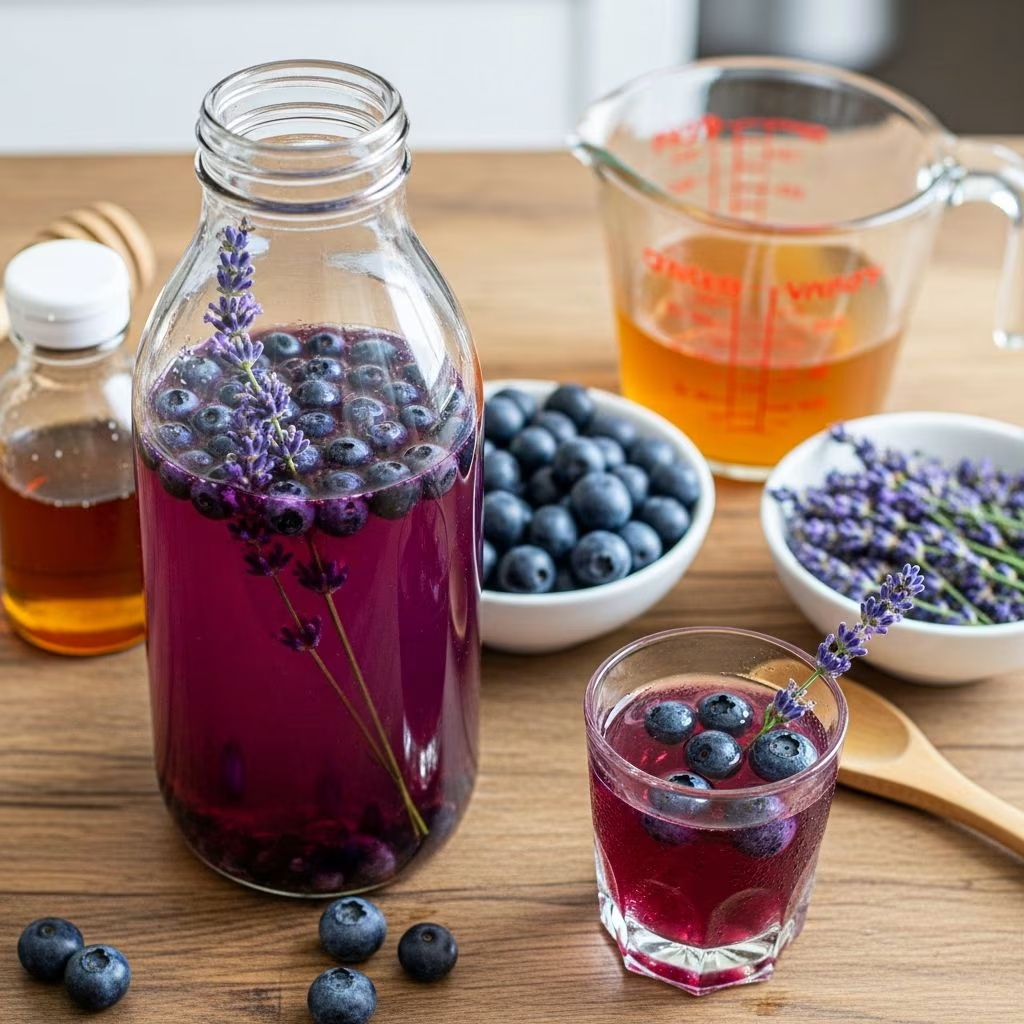
A shrub represents one of the most accessible yet sophisticated techniques in modern mixology and culinary arts. This time-honored preparation combines fresh fruit, sweetener, and vinegar to create a tangy, complex syrup that elevates both traditional and contemporary beverages. The blueberry and lavender combination exemplifies how unexpected flavor pairings can create memorable drinking experiences when executed with care and attention to ingredient quality.
Understanding the Shrub: Beyond a Simple Syrup
The shrub occupies a unique position in beverage history, having originated centuries ago as a practical method for preserving seasonal fruits before refrigeration became commonplace. Unlike standard syrups that rely solely on sugar for preservation, shrubs harness the antimicrobial properties of vinegar to extend shelf life while introducing complexity and character to the final product. The distinctive tartness that defines a quality shrub comes directly from the vinegar component, creating a flavor profile that bridges the gap between sweet cordials and fermented beverages like kombucha.
What distinguishes a well-crafted shrub is the balance between its three fundamental components. The fruit provides the primary flavor foundation and natural color, the sugar creates body and mouthfeel while facilitating fruit juice extraction, and the vinegar contributes brightness, preservation, and a subtle pungency that prevents the drink from becoming cloying. This three-part harmony means that adjusting any single component requires recalibration of the others to maintain the desired flavor equilibrium.
The Blueberry-Lavender Flavor Partnership
Blueberries and lavender represent a pairing that succeeds through complementary rather than identical flavor characteristics. Blueberries contribute a deep, slightly earthy sweetness with subtle tannins that ground the blend, while lavender introduces floral aromatic notes that remain delicate enough to enhance rather than dominate the overall profile. The key to this partnership lies in respecting the relative intensities of both ingredients—blueberries, with their assertive flavor, naturally temper lavender’s potency, allowing the herbal component to function as an accent rather than a focal point.
The selection between fresh lavender sprigs and dried culinary lavender flowers offers flexibility depending on availability and preference. Fresh lavender typically delivers more vibrant aromatic qualities but requires careful portioning to avoid overwhelming the blend, whereas dried flowers provide more concentrated flavor and greater consistency batch to batch. Regardless of form, only culinary-grade lavender should be used to ensure both safety and appropriate flavor characteristics—ornamental or heavily processed varieties may contain pesticides or lack the refined floral quality necessary for consumption.
Essential Ingredients and Their Roles
Creating an exceptional blueberry lavender shrub begins with thoughtful ingredient selection rather than merely gathering whatever items are available.
Blueberries: Foundation of Flavor
Both fresh and frozen blueberries work effectively in shrub production, with frozen berries occasionally offering advantages due to their natural breakdown during thawing, which facilitates juice extraction. A standard batch typically incorporates one to two cups of berries depending on desired intensity. The berries should be clean and free from mold or excessive stems, as any contamination will concentrate during the maceration process.
Sugar: Structure and Extraction
Sugar serves multiple functions beyond sweetness—it draws moisture from the fruit through osmotic pressure, facilitates flavor extraction, and contributes to the shrub’s final body and viscosity. Most recipes employ equal parts fruit and sugar by volume, though some practitioners prefer superfine sugar for its rapid dissolution properties. This choice of sweetener affects both the preparation timeline and the final texture of the completed shrub.
Lavender: Aromatic Accent
Fresh lavender sprigs, typically numbering eight to ten per batch, provide the herbal dimension. The stems should appear vibrant rather than brittle, and the flowers themselves should possess their natural purple coloration. Dried culinary lavender flowers can substitute effectively, though the quantity should be reduced to approximately one tablespoon since drying concentrates flavor.
Vinegar: The Preservative and Brightener
The vinegar selection fundamentally influences the shrub’s character. Apple cider vinegar, with its gentler profile and slight sweetness, appeals to those seeking a more approachable final product, while white wine vinegar offers greater acidity and clarity that lets fruit flavors shine unobstructed. Other suitable options include white balsamic and rice vinegars, each contributing subtle nuances to the finished drink. Regardless of type, the vinegar must contain at least five percent acidity for adequate preservation.
The Maceration Process: Patience Rewarded
The fundamental technique for shrub construction involves macerating fruit and sugar separately from the vinegar preparation, then combining them strategically.
Stage One: Fruit and Sugar Preparation
Begin by placing blueberries and sugar into a medium bowl and crushing the berries thoroughly using either a muddler or sturdy wooden spoon. This crushing breaks down the fruit’s cell walls, initiating juice release while distributing sugar throughout the mixture to create a consistent paste-like consistency resembling damp sand. Cover the bowl with plastic wrap and allow it to rest in a cool location—ideally a refrigerator if ambient temperatures exceed 24°C (75°F), otherwise a dark counter location suffices. This maceration period typically spans two days, during which the sugar gradually dissolves and the fruit releases its accumulated juices. Occasional stirring accelerates sugar dissolution and ensures even extraction.
Stage Two: Lavender Infusion
Simultaneously, prepare the lavender-infused vinegar by combining fresh sprigs or dried flowers with your chosen vinegar in a nonreactive container—glass or ceramic work best while metal should be avoided to prevent unwanted chemical interactions. Seal this mixture tightly and store it alongside the fruit preparation for two days, allowing the lavender aromatics to fully transfer into the vinegar base.
Stage Three: Straining and Combining
After the two-day maceration period, position a fine-mesh strainer over a funnel leading into a storage jar and carefully pour the fruit mixture through, allowing gravity to do the work rather than pressing downward with a spoon—this restraint prevents seeds and pulp particles from passing through into the liquid. Subsequently, pour the lavender-infused vinegar through the same strainer into the jar containing the strained blueberry mixture, combining both components. Any sugar that adheres to the fruit solids remaining in the strainer can be rinsed into the jar by pouring additional shrub syrup over the solids, extracting maximum value from each component.
Stage Four: Final Integration
Seal the combined shrub and shake vigorously to ensure thorough mixing, then refrigerate for a minimum of one week before use. This final resting period allows flavors to integrate and mature, while the cold temperature further helps preserve the mixture.
Versatile Applications and Serving Methods
The blueberry lavender shrub transcends traditional cocktail applications, functioning effectively across multiple beverage and culinary contexts.
Refreshing Spritzers
The simplest preparation combines one to two ounces of shrub with sparkling water and fresh ice in a tall glass. A squeeze of fresh lemon juice and a sprig of fresh lavender garnish elevate this basic formula into an elegant non-alcoholic beverage suitable for afternoon gatherings or as a sophisticated palate cleanser.
Cocktail Integration
Bartenders and home mixologists incorporate blueberry lavender shrub into spirit-based drinks by combining one ounce of shrub with two ounces of gin or vodka, supplementary modifiers like elderflower liqueur, fresh citrus juice, and ice for shaking. The shrub’s natural acidity reduces dependency on additional lemon or lime juice while introducing distinctive character that distinguishes the drink from standard preparations.
Culinary Applications
Beyond beverages, the shrub functions admirably as a salad dressing component, particularly for greens paired with soft cheeses, candied nuts, or roasted beets. The tart-sweet profile complements both vegetable and protein-based dishes, offering an alternative to traditional vinaigrettes while introducing sophistication to simple preparations.
Storage, Preservation, and Longevity
Proper storage ensures the shrub maintains its quality throughout its shelf life. Refrigerated shrub maintains optimal flavor and safety for approximately two weeks, while freezing extends usability to several months. Transfer the shrub to airtight glass containers or ice cube trays for convenient portioning before freezing, allowing easy access to individual servings without thawing entire batches.
Common Questions About Shrub Preparation
- Can fresh and frozen blueberries be used interchangeably?
- Yes, both work effectively. Frozen berries may actually facilitate the process due to their tendency to release juice more readily during thawing, though fresh berries offer advantages in terms of texture and visual appeal in the finished shrub.
- What alternatives exist if fresh culinary lavender is unavailable?
- Dried culinary lavender flowers provide an acceptable substitute, though quantities should be reduced to approximately one tablespoon per batch due to concentration effects. Other herbal options including basil, lemon balm, or mint can substitute if experimentation interests the preparer.
- How does temperature during maceration affect the timeline?
- Warmer environments accelerate both sugar dissolution and juice extraction, potentially reducing maceration time. Conversely, cooler temperatures necessitate the full two-day period. Refrigeration ensures food safety in warm climates while also slowing the fermentation process that could alter the shrub’s flavor profile.
- Can the shrub be made without macerating the ingredients separately?
- While some methods combine all components simultaneously in a heated preparation, the cold maceration approach preserves more delicate aromatic compounds and creates a fresher-tasting final product. The additional time investment yields superior flavor complexity.
Troubleshooting Common Issues
Understanding potential problems and their solutions contributes to consistent success. If the finished shrub tastes excessively sweet, increasing the vinegar ratio in future batches will restore balance. Conversely, a shrub that seems too vinegary might indicate either overly acidic vinegar selection or possible contamination during storage. A cloudy appearance, while not necessarily problematic from a safety standpoint, suggests that more thorough straining during the combining stage would improve clarity in subsequent batches. Any visible mold or unusual odors warrant discarding the entire batch and reassessing sterilization procedures for containers and equipment.
Experimentation and Variation
Once comfortable with the foundational blueberry lavender formula, practitioners can explore countless variations. Substituting alternative berries including blackberries or raspberries creates entirely different flavor profiles, while supplementary herbs such as mint, sage, or rosemary introduce additional complexity. The vinegar selection itself offers significant variation potential—wine vinegars contribute different characteristics than apple cider varieties, each worthy of exploration.
References
- Constantly Cooking — Author. 2016-07-08. https://constantlycooking.com/2016/07/08/lavender-blueberry-shrub-for-cocktails-and-salad-dressings/
- All Roads Lead to the Kitchen — Author. 2016-06-01. https://www.allroadsleadtothe.kitchen/2016/06/blueberry-lavender-shrub-syrup.html
- Eat Drink Films: Shrubs: An Old-Fashioned Drink for Modern Times — Dietsch, Michael. 2015-03-27. https://eatdrinkfilms.com/2015/03/27/blueberry-lavender-shrub-and-blackberry-lime-shrub-from-shrubs-an-old-fashioned-drink-for-modern-times-by-michael-dietsch/
- The Lookout Farm: Lavender Blueberry Shrub Cocktail — Author. 2016-01-01. https://lavenderlookout.com/blogs/news/lavender-blueberry-shrub-cocktail