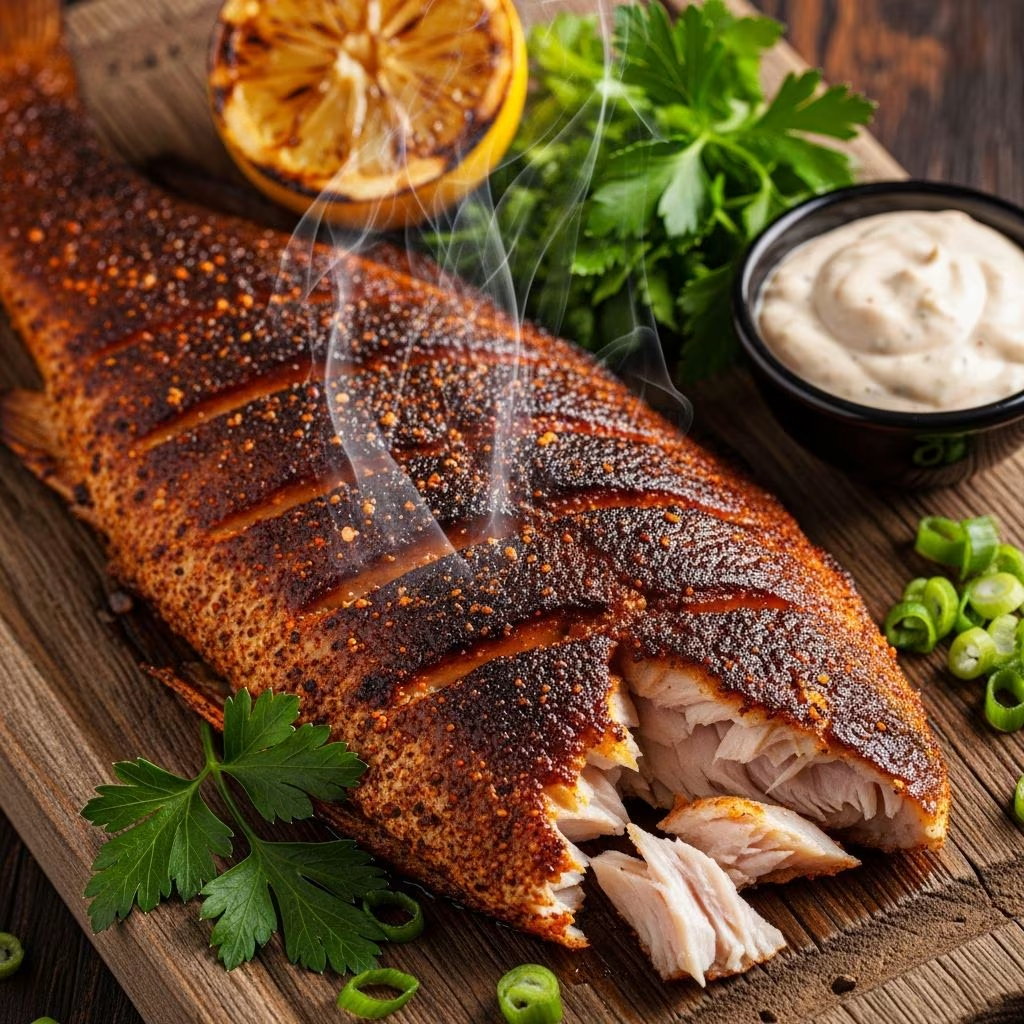
Blackened redfish captures the essence of Louisiana’s vibrant culinary heritage, where bold spices meet tender seafood in a symphony of smoke and heat. This dish features redfish fillets coated in a potent spice blend and seared in a scorching cast-iron skillet, creating a flavorful crust while keeping the interior moist and flaky. Ideal for home cooks eager to replicate restaurant favorites, it requires minimal ingredients but demands precision in temperature and timing.
Understanding Redfish and Its Cajun Appeal
Redfish, also known as red drum, thrives in the Gulf of Mexico and Atlantic waters, prized for its mild, slightly sweet flavor and firm texture that holds up to high-heat cooking. Unlike oilier fish, redfish absorbs spices without becoming greasy, making it perfect for blackening—a technique that involves coating the protein in dry rub and cooking it at intense temperatures to form a caramelized exterior.
Cajun cuisine emphasizes rustic, robust tastes derived from local ingredients. Blackening, popularized in the 1980s, transforms simple fish into a bold statement dish through spices like paprika, cayenne, and herbs that bloom under heat. The result is a dish that’s smoky, spicy, and aromatic, often served with lemon to cut through the richness.
Essential Ingredients for Authentic Flavor
Gathering the right components ensures success. Focus on fresh redfish fillets, about 8-10 ounces each, with skin on for crispiness. The spice mix is the star: a blend of paprika for color, garlic and onion powders for depth, cayenne for heat, and dried herbs like thyme and oregano for earthiness.
| Ingredient | Quantity | Purpose |
|---|---|---|
| Redfish fillets | 4 (8 oz each) | Main protein, mild base for spices |
| Smoked paprika | 2 Tbsp | Color and smokiness |
| Cayenne pepper | 1 tsp | Heat |
| Garlic powder | 1 Tbsp | Savory depth |
| Onion powder | 1 Tbsp | Sweet undertone |
| Dried thyme | 1 tsp | Herbal note |
| Black pepper | 1 tsp | Bold kick |
| Unsalted butter, melted | 1/2 cup | Coating for adhesion and richness |
| Neutral oil (e.g., avocado) | 2 Tbsp | High smoke point for searing |
Adjust cayenne for heat preference. Use unsalted butter to control saltiness, adding seasoned salt if desired.
Preparing the Signature Spice Blend
Homemade seasoning trumps store-bought for freshness. Combine all dry ingredients in a bowl: start with 2 tablespoons smoked paprika as the base, add 1 tablespoon each of garlic and onion powders, 1 teaspoon each of cayenne, black pepper, white pepper, dried thyme, and oregano. Mix thoroughly and store extras in an airtight jar for up to six months.
This blend draws from traditional Cajun profiles, balancing smoke, heat, and aromatics. For milder versions, reduce cayenne by half. Coating the fish generously—about 1-2 teaspoons per side—ensures even flavor distribution.
Step-by-Step Cooking Guide
- Prep the fish: Pat fillets dry with paper towels to promote crisping. Brush both sides lightly with melted butter, then dredge in the spice mix, pressing to adhere.
- Heat the skillet: Use a 12-14 inch cast-iron skillet for even heat. Place over medium-high burner, add neutral oil, and heat until shimmering and just smoking—about 3-5 minutes. Ventilation is crucial due to smoke.
- Sear flesh side first: Lay fillets spice-side down without crowding. Cook undisturbed for 4-6 minutes until a dark crust forms. The spices will blacken, releasing intense aromas.
- Flip and finish: Turn to skin side, pressing gently with a spatula. Cook 2-4 more minutes until opaque and flakes easily (internal temp 145°F). Avoid overcooking to maintain juiciness.
- Rest and serve: Transfer to plates, garnish with parsley and lemon wedges. The butter-spice residue in the pan can form a quick sauce.
Pro Tips for Perfect Results Every Time
- Skillet selection: Cast iron retains heat best, essential for the Maillard reaction that creates the signature crust.
- Smoke management: Cook outdoors or under a powerful hood; the high heat vaporizes butter and spices.
- Fish doneness: Use a thermometer—145°F ensures safety without dryness.
- Make-ahead: Prepare spice mix days in advance; season fish up to 30 minutes ahead for deeper flavor.
- Substitutions: Red snapper or catfish work if redfish is unavailable, adjusting cook time for thickness.
Common Mistakes and How to Avoid Them
Overcrowding the pan lowers temperature, leading to steaming instead of searing—cook in batches. Insufficient heat results in pale fish; test by flicking water droplets; they should sizzle instantly. Too much butter causes splattering; use just enough for coating. Finally, flipping too early disrupts crust formation—wait for the edge to lift naturally.
Nutritional Profile and Health Considerations
A 8-ounce blackened redfish serving offers about 300-400 calories, 40g protein, and healthy omega-3s from the fish. Spices add antioxidants, but watch sodium from seasoned salts. It’s low-carb, keto-friendly, and pairs with veggies for balance. Those with spice sensitivities can omit cayenne.
| Nutrient | Per Serving | % Daily Value |
|---|---|---|
| Calories | 350 | 18% |
| Protein | 42g | 84% |
| Fat | 18g | 23% |
| Sodium | 800mg | 35% |
Delicious Serving Suggestions and Pairings
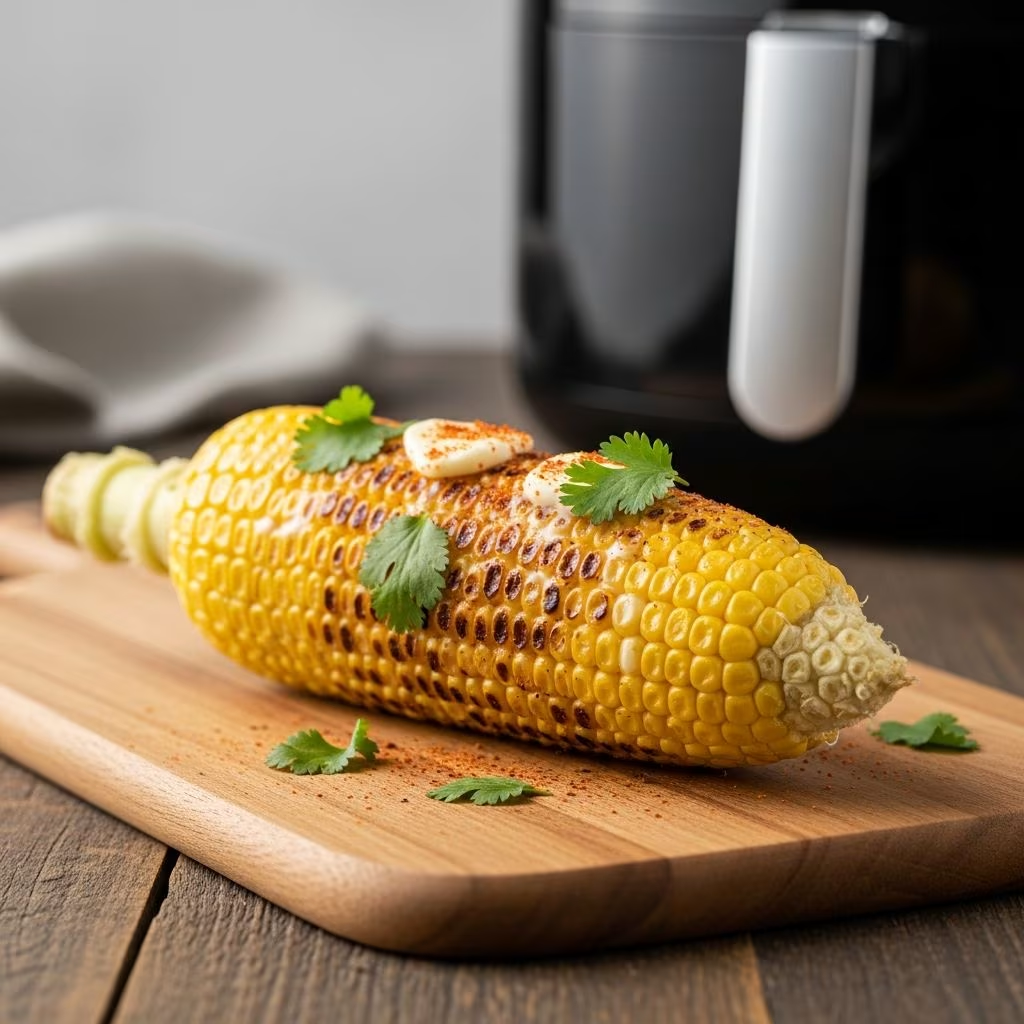
Elevate with sides like dirty rice, collard greens, or grilled corn. A remoulade sauce—mayo, mustard, capers, and hot sauce—complements the heat. For drinks, try Abita beer or a crisp Sauvignon Blanc to refresh the palate.
- Classic: Hushpuppies and okra fries.
- Light: Cucumber salad with vinaigrette.
- Decadent: Creamed spinach or beurre blanc.
Variations to Explore Cajun Creativity
Adapt for preferences: bake at 450°F for 12-15 minutes brushed with butter, mimicking sear without smoke. Try shrimp or chicken. For herb-infused, add fresh dill or basil post-cook. A browned butter sauce with garlic amps richness: melt butter until nutty, stir in herbs.
Frequently Asked Questions (FAQs)
What if I can’t find redfish?
Substitute snapper, grouper, or mahi-mahi; adjust cooking time based on thickness.
Is blackening very spicy?
Depends on cayenne; start low and taste the blend before coating.
Can I make this in advance?
Cook fresh for best texture; reheat gently in a 300°F oven.
Gluten-free?
Yes, all ingredients are naturally gluten-free.
How long does the spice mix last?
Up to 6 months in a cool, dry place.
Historical Roots and Modern Twists
Chef Paul Prudhomme ignited the blackening craze in the 1980s at K-Paul’s Louisiana Kitchen, using his Magic Seasoning to popularize the method nationally. Today, chefs like Tom Kerridge adapt it for global audiences, proving its versatility. Home versions maintain tradition while allowing personalization.
(Word count: 1678)
References
- Cajun-Inspired Blackened Red Snapper — The Defined Dish. 2023. https://thedefineddish.com/cajun-inspired-blackened-red-snapper/
- Karen’s Cajun-Style Blackened Redfish with Summer Herbs — A Zest for Life. 2022. https://azestforlife.com/karens-cajun-style-blackened-redfish-with-summer-herbs-in-a-cast-iron-skillet/
- The BEST-EVER Cajun Blackened Redfish — How to Feed a Loon (YouTube). 2021. https://www.youtube.com/watch?v=bOob5vRq95w
- Cajun Blackened Redfish — Viking River Cruises. 2023. https://www.vikingrivercruises.com/why-viking/community/viking-recipes/main-courses/cajun-blackened-redfish.html
- Blackened Cajun Redfish — Tom Kerridge. 2022. https://tomkerridge.com/recipes/blackened-cajun-redfish/
- Chef Paul Prudhomme & Cajun Baked Redfish — Beyond Gumbo. 2015-10-13. https://beyondgumbo.com/2015/10/13/chef-paul-prudhomme-cajun-baked-redfish/
- Cajun Blackened Redfish — Reel Sportswear. 2024. https://reelsportswear.com/blogs/scuttlebutt/cajun-blackened-redfish