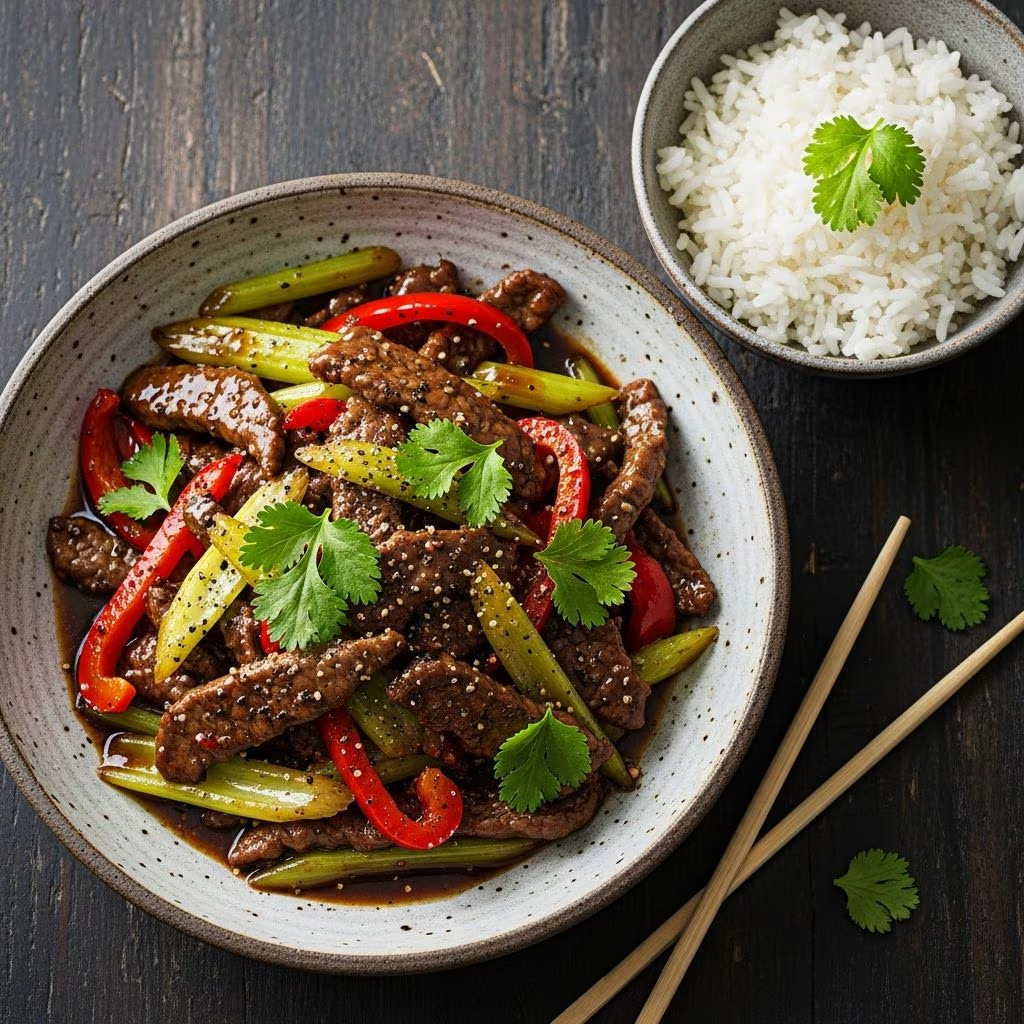
Black pepper beef and celery stir-fry represents a harmonious balance of flavors and textures that has become a staple in modern home cooking. This dish combines tender, juicy beef with crisp celery in a savory aromatic sauce, creating a meal that is both nutritionally balanced and deeply satisfying. The beauty of this stir-fry lies in its simplicity—requiring only a few pantry staples and fresh ingredients—while delivering restaurant-quality results when proper techniques are applied.
Understanding the Core Components of This Dish
A successful black pepper beef and celery stir-fry depends on three fundamental elements: the quality of the beef, the preparation of the vegetables, and the balance of seasonings. Each component plays a critical role in the final outcome, and understanding how they interact is essential for mastering this dish.
Selecting and Preparing Your Beef
The choice of beef cut significantly impacts both the texture and juiciness of your finished dish. Different cuts require different handling methods to achieve optimal results. Flank steak emerges as a preferred choice due to its excellent flavor profile and ability to remain moist after cooking. This cut features a desirable grain structure that, when sliced properly, yields tender pieces suitable for quick cooking in high heat.
Sirloin steak offers another excellent option, providing a balance between tenderness and robust beef flavor. For budget-conscious cooks, more economical cuts including chuck, brisket, or round roast can be employed, though these require special treatment to achieve the desired texture.
The thickness and direction of your beef slices matter considerably. Slice the beef against the grain into uniform pieces measuring approximately 1/4 inch thick. This technique shortens muscle fibers, resulting in more tender bites even when using tougher cuts. For more challenging cuts, incorporating baking soda into the marinade—approximately 1/4 teaspoon—and allowing 30 minutes of marination time activates a tenderizing process that breaks down proteins and promotes moisture retention.
Celery Selection and Knife Work
While Vietnamese culinary traditions favor the soft texture of celery leaves over the crunchy stalks, Western adaptations of this dish center on utilizing the stalks for their crisp texture and visual appeal. When preparing celery, cut the stalks into uniform pieces measuring approximately 1/2 inch in length. This sizing ensures even cooking while maintaining the structural integrity that provides the dish’s signature crunch.
For additional texture and nutritional value, celery leaves can be reserved and added toward the end of cooking, providing a fresh herbaceous note without becoming overcooked.
Mastering the Marinade and Seasoning Process
The foundation of exceptional beef flavor begins before the meat ever touches the wok. A well-constructed marinade penetrates the beef and imparts flavor while the tenderizing components work on the protein structure.
Creating a Balanced Marinade
A traditional marinade for beef stir-fry combines several key elements working in concert. Start with Shaoxing wine, a rice-based cooking wine that adds depth and complexity. Add dark soy sauce for umami-rich seasoning and color development. A pinch of salt helps with protein denaturation and moisture retention, while fresh ginger contributes both flavor and subtle heat.
The ratio of ingredients matters: combine 1/2 tablespoon Shaoxing wine, 1 teaspoon dark soy sauce, 1/4 teaspoon salt, and 1 teaspoon grated ginger per 10 ounces of beef. Mix these ingredients with the sliced beef using gentle hand movements to ensure even coating without damaging the meat structure. This marinade should rest for 15 to 25 minutes before cooking.
The Black Pepper-Forward Seasoning Approach
Freshly ground black pepper defines this dish’s character and should be prioritized above pre-ground alternatives, which lose pungency quickly. Combine 2 teaspoons of freshly ground pepper with other aromatics to build a complex flavor foundation.
Optional but traditional Vietnamese seasoning includes gia vi, a proprietary blend combining sugar, salt, black pepper, and garlic powder. If gia vi is unavailable, create an equivalent using a 2:1:1:1 ratio of sugar to sea salt to ground black pepper to garlic powder. This combination adds textural interest and ensures even seasoning distribution throughout the beef.
Sauce Construction for Depth and Balance
The sauce binds all elements together while providing moisture and savory richness. A well-proportioned sauce avoids being either too thick or too thin, coating each ingredient while allowing flavors to shine.
Core Sauce Components
Combine 2 tablespoons of chicken or beef broth with 1/2 tablespoon Shaoxing wine, 1 tablespoon light soy sauce, 1/4 teaspoon sugar, 1/4 teaspoon ground black pepper, and 1 teaspoon cornstarch. The cornstarch acts as a thickening agent, transforming liquid into a glossy coating that clings to vegetables and meat. Mix all sauce components thoroughly before cooking begins, ensuring the cornstarch dissolves completely to prevent lumping during the cooking process.
Alternative versions may incorporate oyster sauce for additional umami depth or water infused with additional aromatics. The black pepper quantity can be adjusted according to personal preference, though 1/4 teaspoon provides a noticeable but not overwhelming pepper presence.
Equipment and Heat Management
The cooking vessel and heat source dramatically influence the outcome of your stir-fry. Traditional wok cooking generates superior results compared to alternative methods.
Why a Wok Matters
A wok’s curved design channels heat up the sides, maximizing contact between the cooking vessel and ingredients. This design accelerates cooking while promoting even heat distribution. The wok’s shape also allows for efficient tossing and stirring motions that prevent sticking and ensure uniform cooking.
If a traditional wok is unavailable, a deep-sided, heavy-bottomed pan or large skillet serves as an adequate substitute. The depth prevents overcrowding and allows proper space for ingredient movement. Avoid thin-bottomed frying pans, which distribute heat unevenly and may cause ingredient burning.
Temperature Control
Achieving and maintaining appropriate heat levels proves essential for successful execution. Preheat your cooking vessel over medium-high to high heat until the surface is thoroughly hot. This temperature encourages proper browning and searing while preventing steaming. Test readiness by observing whether water droplets immediately sizzle and evaporate upon contact with the surface.
Step-by-Step Cooking Instructions
The Beef-Cooking Phase
Heat your chosen cooking vessel over high heat and add oil, swirling to coat the bottom completely. Once the oil shimmers and barely smokes, spread the marinated beef in a single layer without overlapping pieces. Allow the beef to cook undisturbed for approximately 30 seconds to one minute, developing a caramelized exterior. Flip the pieces and cook the opposite side for a few seconds, then begin constant stirring and cooking for an additional 3 to 5 minutes. The beef should develop lightly charred surfaces while maintaining a slightly pink interior for optimal juiciness. Transfer the cooked beef to a clean plate, reserving the flavorful oils and browned bits in the pan.
Aromatic Foundation Building
With residual oil remaining in the pan, add minced garlic and stir vigorously for 10 to 15 seconds until fragrance develops. This brief cooking time releases garlic’s essential oils without allowing burning. The pan’s heat and the residual meat juices create an ideal environment for garlic infusion.
Vegetable Cooking and Texture Management
Add the prepared celery pieces and any sliced onion to the pan immediately after the garlic aromatics develop. Stir continuously for 2 to 3 minutes, allowing the vegetables to begin softening while retaining their characteristic crunch. The celery should remain very crisp, not limp or mushy. This short cooking time is crucial; overcooking destroys the textural contrast essential to the dish’s appeal.
Final Assembly and Sauce Integration
Return the cooked beef to the pan containing the partially cooked vegetables. Stir the prepared sauce once more to completely dissolve the cornstarch, then pour it into the pan. Cook and stir continuously until the sauce thickens into a glossy coating that clings to ingredients—typically 30 seconds to one minute depending on pan heat and sauce thickness. Add celery leaves if using, folding them gently into the hot mixture. The residual heat will soften the leaves while preserving their fresh character.
Ingredient Quality and Sourcing Considerations
| Ingredient Category | Recommended Options | Selection Tips |
|---|---|---|
| Beef Cut | Flank steak, sirloin, skirt steak | Choose marbling for flavor; check for bright red color |
| Celery | Fresh, crisp stalks with intact leaves | Avoid wilted or discolored pieces; select firm vegetables |
| Garlic | Fresh bulbs, not pre-minced | Choose firm bulbs without soft spots; mince just before use |
| Ginger | Fresh root ginger | Select firm roots with taut skin; peel just before grating |
| Soy Sauce | Light and dark varieties | Verify fermentation-based production; avoid added sweeteners |
| Oil | Peanut or vegetable oil | Use high-smoke-point oils suitable for high-heat cooking |
Timing and Coordination Strategy
Stir-fry cooking happens quickly, making advance preparation essential. Slice all beef before marinade application. Cut all vegetables and measure all sauce components before heat application. This preparation approach—known as mise en place in professional kitchens—eliminates mid-cooking scrambling and prevents ingredient overcooking.
A typical timeline from pan heating to plating requires approximately 10 to 12 minutes total, with actual high-heat cooking occupying only 6 to 8 minutes. The majority of time involves ingredient preparation and marination.
Serving and Presentation Recommendations
Transfer the completed stir-fry to serving plates immediately upon sauce thickening. Rapid cooling can cause the sauce to set excessively, and vegetables begin losing their crisp texture within minutes of cooking completion. Serve as a main dish over steamed rice or noodles, allowing the sauce to be absorbed into the grain or pasta base.
Garnish options might include additional sliced scallions, sesame seeds, or fresh cilantro for visual appeal and flavor enhancement. Maintain presentation temperature by using warmed serving plates.
Common Challenges and Solutions
Tough, Chewy Beef
This typically indicates overcooking or slicing with the grain rather than against it. Verify your slicing technique and reduce cooking time in the pan. For tougher cuts, confirm baking soda inclusion in the marinade.
Soggy, Overcooked Celery
This results from extended cooking times or excessive stirring. Reduce the cooking duration for vegetables to 2 to 3 minutes maximum, and consider reducing heat slightly if celery softens too quickly.
Thin or Separated Sauce
Ensure cornstarch completely dissolves before sauce addition. If separation occurs, mix additional cornstarch with water in a 1:2 ratio and add to the hot pan while stirring.
Nutritional Profile and Health Considerations
This dish provides substantial protein from beef, complemented by celery’s fiber content and low caloric density. The quick cooking method preserves nutrient integrity while limiting oil absorption. A typical serving contains approximately 250 to 350 calories, depending on portion size and oil usage, with balanced macronutrient distribution suitable for various dietary approaches.
Storage and Reheating Guidance
Leftover stir-fry stores well in airtight containers for 3 to 4 days under refrigeration. However, the crisp celery texture degrades over time as residual moisture continues softening the vegetables. For best results, consume within 24 hours. Reheat gently over medium heat in a skillet with minimal additional oil or water, stirring frequently to promote even warming without further cooking.
Ingredient Variations and Adaptations
While the traditional formula remains reliable, thoughtful substitutions allow personalization. Bell peppers or snap peas can supplement or replace celery. Broccoli florets offer additional nutritional density. White pepper can substitute for black pepper if milder flavor is desired, though the resulting dish loses its signature character.
For enhanced umami, add 1 teaspoon of oyster sauce to the final sauce mixture. Sesame oil—approximately 1/2 teaspoon drizzled at the very end—provides rich aromatics without requiring incorporation during cooking.
Frequently Asked Questions
Can I prepare components in advance?
Yes. Marinate beef up to 4 hours ahead. Prepare and store vegetables separately. Combine sauce ingredients 1 hour before cooking. This advance work streamlines execution without compromising quality.
What oil works best for stir-frying?
Peanut oil and vegetable oil both work excellently, offering high smoke points suitable for the intense heat required. Avoid olive oil or butter, which burn at lower temperatures.
How do I achieve restaurant-style browning on beef?
Ensure your pan is extremely hot before oil addition, and spread beef in a single layer without crowding. Undisturbed initial cooking develops the browning reaction.
Can I substitute celery with other vegetables?
Certainly. Broccoli, snap peas, or bell peppers offer similar textural contrast and complementary flavors. Adjust cooking times slightly based on vegetable density.
Is this dish suitable for meal prep?
While reheating is possible, the crisp celery texture diminishes with storage. Prepare beef and sauce ahead, but cook vegetables fresh immediately before serving for optimal quality.
References
- Wok-Fried Black Pepper Beef and Celery — The Splendid Table. 2014-10-14. https://www.splendidtable.org/story/2014/10/14/wok-fried-black-pepper-beef-and-celery
- Beef and Celery Stir Fry — Omnivore’s Cookbook. https://omnivorescookbook.com/beef-and-celery-stir-fry/