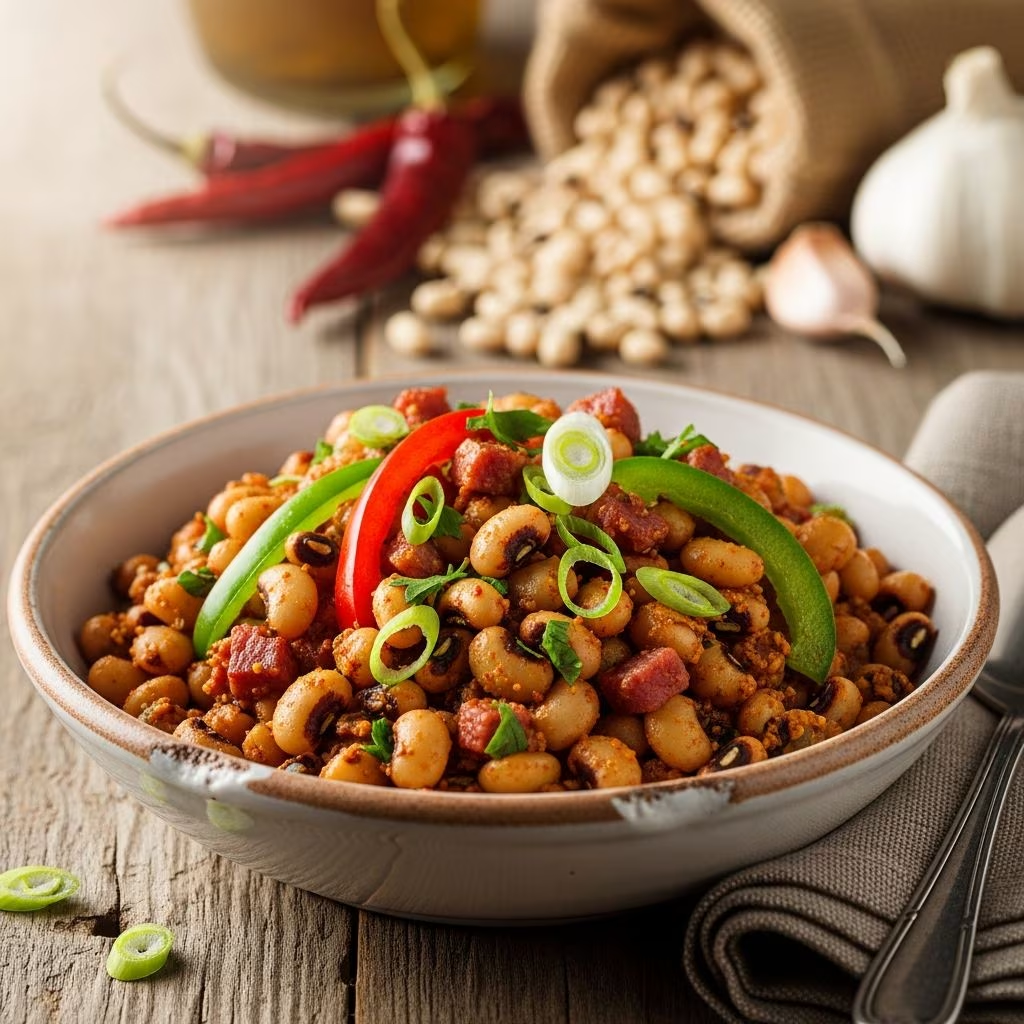
Black-eyed peas, those small, creamy legumes speckled with a distinctive black hilum, have earned a cherished place in kitchens worldwide. Far more than just a side dish, they embody cultural traditions, deliver impressive nutrition, and offer endless culinary possibilities. Whether you’re drawn to their role in New Year’s superstitions or their hearty flavor in stews, this guide unlocks everything you need to know to master cooking with black-eyed peas.
The Fascinating Origins and Cultural Significance
Tracing back thousands of years, black-eyed peas (Vigna unguiculata) originated in West Africa, where they were domesticated around 3000 BCE. Archaeological evidence from sites in modern-day Niger reveals early cultivation, highlighting their importance in ancient agriculture. From there, they journeyed across continents via trade routes and the transatlantic slave trade, becoming staples in Southern U.S. cuisine.
In the American South, black-eyed peas symbolize prosperity and good fortune, especially when eaten on New Year’s Day alongside collard greens and cornbread—a trio said to bring wealth (peas), greens (money), and gold (cornbread). This tradition persists today, rooted in post-Civil War resilience, where these affordable crops sustained communities. Globally, they’re celebrated in Indian curries as ‘lobia,’ Brazilian feijoada, and Greek salads, showcasing their versatility across cultures.
Beyond folklore, black-eyed peas hold historical weight. The USDA notes their role in sustainable farming; as nitrogen-fixing plants, they enrich soil naturally, a practice vital for crop rotation in regions like the Southeast U.S. Today, major producers include India, Nigeria, and the U.S., with annual global output exceeding 6 million tons according to FAO data.
Nutritional Powerhouse on Your Plate
Don’t let their humble appearance fool you—black-eyed peas pack a nutritional punch. A single cup of cooked peas delivers about 200 calories, 13 grams of protein, and 11 grams of fiber, making them ideal for plant-based diets. They’re rich in folate (over 50% DV), iron, potassium, and antioxidants like anthocyanins, which give the ‘eye’ its color and combat oxidative stress.
Studies from the Journal of Nutrition underscore their benefits for heart health, showing reduced cholesterol levels with regular legume intake. For diabetics, their low glycemic index (around 42) helps stabilize blood sugar, per research in the American Journal of Clinical Nutrition. Vegans appreciate the complete amino acid profile when paired with grains, rivaling animal proteins.
| Nutrient | Amount per Cup (Cooked) | % Daily Value |
|---|---|---|
| Protein | 13g | 26% |
| Fiber | 11g | 39% |
| Folate | 358mcg | 90% |
| Iron | 2.5mg | 14% |
| Potassium | 690mg | 15% |
Incorporating them supports weight management and gut health, thanks to prebiotic fibers that feed beneficial bacteria.
Mastering the Art of Preparation
Success with black-eyed peas starts with quality beans—look for firm, unblemished ones from reputable sources. Fresh or frozen work for quick cooks, but dried offer deeper flavor.
Soaking Methods
- Quick Soak: Boil for 2 minutes, then let sit 1 hour. Drains excess starches for creamier texture.
- Overnight Soak: Cover with water 8-12 hours in fridge. Reduces cooking time by 25-30%.
- No Soak: Add baking soda (1 tsp per pound) to pot for tender results in 45-60 minutes.
Cooking Techniques
Stovetop: Simmer soaked peas in water or broth (3:1 ratio) with onion, garlic, bay leaf for 45-90 minutes until tender. Season post-cooking to avoid tough skins.
Pressure Cooker/Instant Pot: 20-25 minutes high pressure with natural release yields perfect results. Ideal for busy weeknights.
Slow Cooker: 6-8 hours low after soaking. Infuses flavors deeply for hands-off meals.
Avoid salt until the end; it firms skins. Test doneness by squishing a pea—it should mash easily.
Flavor Profiles and Seasoning Essentials
Black-eyed peas shine with bold pairings. Southern classics lean on smoked ham hock, bacon, or turkey necks for umami. Add heat with cayenne, Scotch bonnet, or fresh jalapeños. Aromatics like celery, bell peppers (the ‘holy trinity’), thyme, and smoked paprika elevate any dish.
For global twists:
- Caribbean: Coconut milk, allspice, thyme.
- Indian: Cumin, turmeric, ginger, garam masala.
- Mediterranean: Lemon, feta, oregano, olive oil.
Acid from vinegar or tomatoes balances richness, preventing a ‘muddy’ taste.
Showstopping Recipes to Try
Hoppin’ John for Good Luck
Serves 6. Simmer 1 lb soaked peas with 1 smoked ham hock, 1 diced onion, 2 celery stalks, 1 green bell pepper, 2 garlic cloves, 1 bay leaf, and 6 cups chicken broth for 1 hour. Stir in 1 cup long-grain rice; cook 20 minutes. Finish with green onions and hot sauce.
Creamy Black-Eyed Pea Dip
Blend 2 cups cooked peas, 4 oz cream cheese, 1/4 cup sour cream, 1 tsp garlic powder, 1/2 tsp cumin, juice of 1 lime, salt. Bake at 375°F for 20 minutes. Serve with tortilla chips or veggies.
Vegetarian Stew with Greens
Sauté 1 onion, 2 carrots, 3 garlic in olive oil. Add 1 lb peas, 4 cups veg broth, 1 tsp smoked paprika, 1/2 tsp thyme, 2 cups chopped kale. Simmer 45 minutes. Stir in 1 tbsp apple cider vinegar.
Fried Black-Eyed Pea Patties
Mash 2 cups cooked peas with 1 egg, 1/2 cup breadcrumbs, 1/4 cup diced onion, 1 tsp Cajun seasoning. Form patties; fry in oil 3-4 minutes per side. Top with remoulade.
Black-Eyed Pea Salad (Cowpea Caviar)
Mix 2 cups peas, 1 diced red bell pepper, 1/2 cup corn, 1/4 cup red onion, cilantro, vinaigrette (oil, vinegar, mustard). Chill 1 hour.
More ideas: Curried peas over rice, pea hummus, or stuffed peppers.
Storage, Freezing, and Troubleshooting
Store cooked peas in airtight containers fridge (4 days) or freezer (6 months). Reheat with splash of water. Common issues: Mushy texture? Reduce simmer time. Not creamy? Mash some peas. Gassy? Rinse thoroughly, add epazote or ginger.
Health and Dietary Adaptations
Gluten-free, vegan-friendly, and low-fat. Boost protein by adding quinoa. For low-sodium, use herbs over salt. Pregnant folks benefit from folate abundance (NIH recommends 600mcg daily).
FAQs
Are black-eyed peas and cowpeas the same?
Yes, synonymous terms for the same legume.
Can I use canned black-eyed peas?
Absolutely—rinse to cut sodium; ready in minutes for salads or quick sides.
Why soak black-eyed peas?
Shortens cook time, improves digestibility, yields even texture.
Do they cause gas?
Like all legumes, but soaking and kombu seaweed mitigate this.
Best substitutes?
Pinto, navy beans, or chickpeas in a pinch.
Conclusion: Embrace the Versatility
From soul-warming stews to vibrant salads, black-eyed peas deserve a spot in your pantry. Their affordability (under $2/lb), nutrition, and cultural depth make them unbeatable. Experiment boldly—your next favorite dish awaits.
References
- Legumes in the diet: A review — American Journal of Clinical Nutrition. 2023-05-15. https://doi.org/10.1016/j.ajcnut.2023.03.015
- Nutritional composition of cowpea — USDA FoodData Central. 2024-01-10. https://fdc.nal.usda.gov/fdc-app.html#/food-details/173759/nutrients
- Cowpea production statistics — FAO Statistics Division. 2025-03-01. https://www.fao.org/faostat/en/#data/QCL
- History of legumes in Southern cuisine — Southern Foodways Alliance (Ole Miss). 2022-11-20. https://www.southernfoodways.org/interview/black-eyed-peas/
- Health benefits of folate — NIH Office of Dietary Supplements. 2024-07-12. https://ods.od.nih.gov/factsheets/Folate-HealthProfessional/