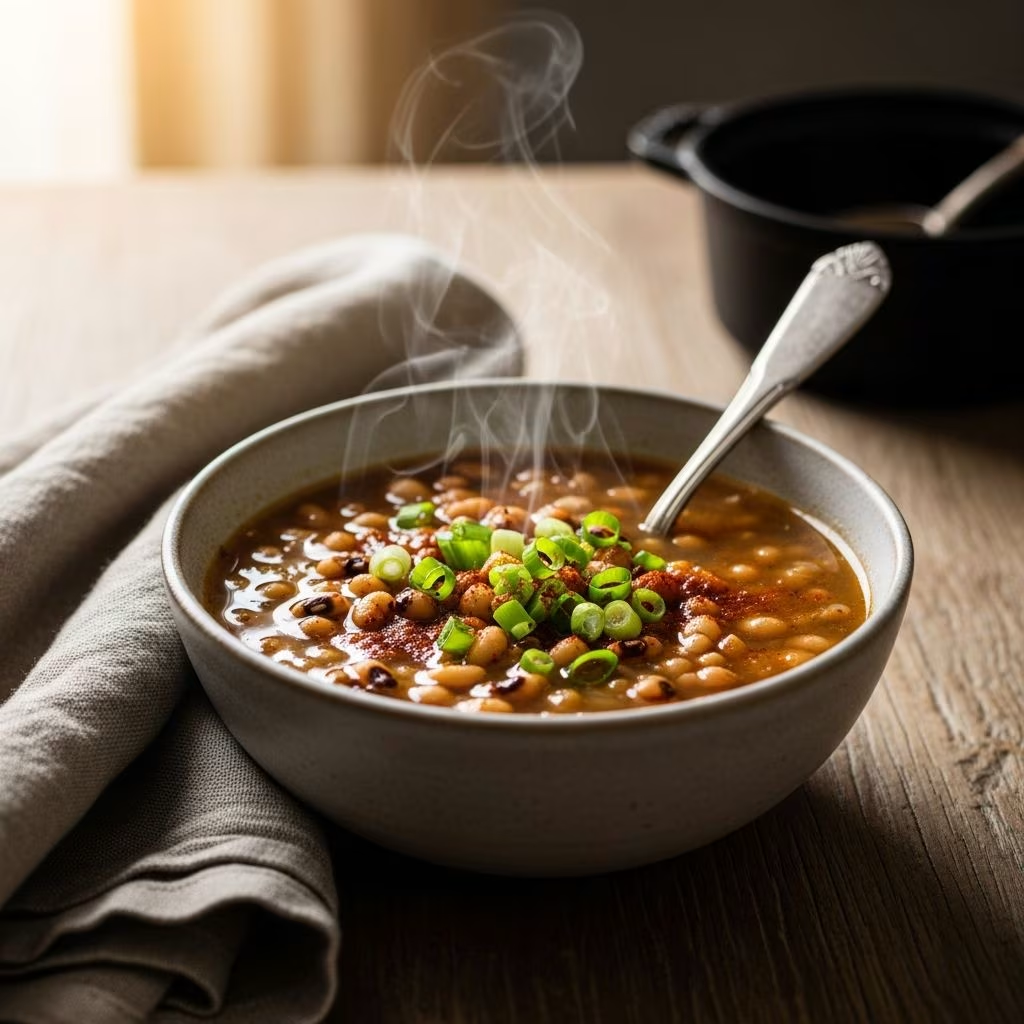
Black-eyed pea soup represents one of the most cherished comfort foods in culinary traditions across various cultures. This hearty, nutritious dish combines tender legumes with aromatic vegetables and savory proteins to create a warming meal that satisfies both hunger and the soul. Whether you’re preparing this dish for a special occasion or a casual weeknight dinner, understanding the fundamentals of preparation ensures consistent, delicious results.
Understanding the Foundation of Black-Eyed Pea Soup
At its core, black-eyed pea soup brings together simple ingredients that transform into something remarkably flavorful. The dish begins with dried or canned black-eyed peas, which serve as the primary protein source and give the soup its characteristic texture and earthy taste. Complementing these legumes are foundational aromatics—onions, garlic, celery, and carrots—that build the flavor profile. Many regional variations include ham, bacon, or smoked ham hocks to introduce a smoky depth, though vegetarian adaptations use vegetable broth and additional seasonings instead.
The beauty of this soup lies in its versatility. You can prepare it using various cooking methods depending on your kitchen equipment and available time. Whether you prefer traditional stovetop simmering, the convenience of an Instant Pot, or the hands-off approach of a slow cooker, each method yields equally satisfying results when executed properly.
Preparing Your Ingredients for Success
Proper ingredient preparation establishes the foundation for excellent soup. If using dried black-eyed peas, begin by sorting through them to remove any debris or discolored beans, then rinse thoroughly under cold running water. Soaking dried peas overnight or for at least two hours hydrates them and reduces cooking time significantly. Most recipes recommend covering the peas with three inches of water during soaking, as they will approximately double in size.
For your aromatic vegetables, dice the onion into uniform pieces approximately half an inch in size. Chop the celery and carrot into similar dimensions to ensure even cooking. Mince fresh garlic cloves finely or use pre-minced garlic if preferred. If your recipe calls for bell peppers, dice these into quarter-inch pieces for consistent texture throughout the finished soup. Having all ingredients prepared and arranged before cooking streamlines the process considerably.
Ingredient Variations and Substitutions
- Protein options: smoked ham hock, diced ham, bacon, turkey bacon, or omit entirely for vegetarian versions
- Vegetables: collard greens, spinach, or kale can be added toward the end for nutritional enhancement
- Broth base: chicken stock, vegetable broth, or beef broth depending on your preference
- Seasonings: Cajun spices, thyme, bay leaves, paprika, and crushed red pepper flakes for customizable heat levels
- Acid components: vinegar or lemon juice to brighten flavors near completion
The Stovetop Method: Traditional Preparation
The stovetop approach offers the most control over cooking and allows you to actively manage the soup’s development. Begin by heating one tablespoon of olive oil in a large Dutch oven or soup pot over medium-high heat. Once the oil shimmers, introduce your diced onion, celery, carrot, and bell pepper. Sauté these aromatics for approximately five to ten minutes, stirring occasionally, until the onion becomes translucent and the vegetables begin to soften.
Add minced garlic, along with your chosen protein such as diced ham or a ham hock, and continue cooking for approximately five minutes. This step allows the garlic to become fragrant and the ham to begin releasing its flavors into the cooking medium. Next, pour in your prepared black-eyed peas along with six cups of chicken or vegetable broth. Add bay leaves, dried thyme, smoked paprika, garlic powder, onion powder, salt, and pepper according to your taste preferences.
Bring the mixture to a boil, then reduce heat to low, cover the pot partially, and simmer for approximately one to one and a half hours if using soaked dried peas. The soup is ready when the black-eyed peas are tender enough to break easily between your fingers but still maintain their shape. During the final minutes of cooking, incorporate any fresh greens such as collard greens, spinach, or kale, allowing them to wilt into the broth. Adjust seasonings as needed and serve hot.
Quick Preparation with Canned Beans
For those with limited time or preference for quicker meal preparation, using canned black-eyed peas dramatically reduces cooking time. Follow the same sautéing process for your aromatic vegetables and protein. However, instead of simmering for extended periods, simply drain and rinse three 15-ounce cans of black-eyed peas and add them to the pot along with your broth and seasonings. This variation requires only twenty to thirty minutes of simmering, allowing the flavors to meld while the peas heat through completely. The finished product maintains the same comforting quality as the longer-cooking version with substantially less time investment.
Modern Convenience: Instant Pot Method
The Instant Pot has revolutionized weeknight cooking by dramatically reducing preparation time. If using this electric pressure cooker, set it to the sauté function and heat one tablespoon of olive oil. Add your diced aromatics and cook for approximately five minutes until softened. Introduce your garlic and chosen protein, cooking briefly until fragrant.
For soaked dried peas, add them to the pot along with your broth and seasonings, secure the lid, set the valve to sealing position, and pressure cook on high for fifteen minutes. If using unsoaked dried peas, increase the pressure cooking time to thirty minutes. For canned beans, pressure cook for just five minutes after reaching pressure. After cooking completes, allow the pressure to release naturally for ten minutes, then manually release any remaining pressure. This method delivers tender beans and well-developed flavors in a fraction of traditional cooking time.
Slow Cooker Convenience
The slow cooker method suits those preferring minimal hands-on involvement during preparation. In a skillet, heat olive oil and sauté your aromatic vegetables for approximately five minutes until softened—this step enhances flavor though can be skipped if time is limited. Transfer the sautéed vegetables to your crockpot and add your soaked or canned black-eyed peas, broth, protein, and seasonings. Stir thoroughly to combine all components, cover, and cook on low for six to eight hours if using dried beans, or three to four hours if using canned beans. The extended cooking time allows flavors to deeply develop while the hands-off approach suits busy days perfectly.
Flavor Enhancement Techniques
Creating depth and complexity in your black-eyed pea soup involves layering flavors throughout the cooking process. Begin with quality aromatics that have been properly caramelized. The Maillard reaction that occurs when vegetables are sautéed over adequate heat develops savory compounds that form the soup’s flavor foundation.
Incorporating smoked proteins such as ham hocks or bacon infuses the entire pot with smoky undertones that define authentic versions of this dish. Spice layering—adding ground spices early while cooking aromatics, then introducing fresh herbs or acid components near completion—creates dimensional complexity. Many cooks finish their soup with a splash of vinegar or fresh lemon juice, which brightens the overall flavor profile and prevents the dish from tasting heavy.
Consider adding tomato paste or crushed tomatoes for acidity and umami depth. Fresh greens incorporated during the final cooking stages contribute nutritional value while their slight bitterness balances the richness of the broth and proteins.
Nutritional Profile and Health Benefits
Black-eyed pea soup delivers substantial nutritional value in each serving. Black-eyed peas provide significant plant-based protein, making this soup particularly valuable for vegetarian diets or as a protein-supplemented meal for anyone. The legumes also contain dietary fiber, which supports digestive health and promotes satiety—a primary reason this soup works excellently for meal preparation and portion control.
The vegetable components contribute vitamins, minerals, and additional fiber. Carrots provide beta-carotene, celery offers various micronutrients, and dark leafy greens when added contribute iron and calcium. The overall dish, particularly when prepared with vegetable broth and without added sodium, represents a nutritionally balanced meal requiring minimal supplementation.
Common Preparation Questions and Answers
Can I freeze black-eyed pea soup?
Yes, this soup freezes exceptionally well. Allow the soup to cool completely, then portion it into freezer-safe containers or bags. It maintains quality for up to three months when frozen properly. Thaw overnight in the refrigerator and reheat gently on the stovetop, adding additional broth if the soup has thickened considerably during storage.
How do I prevent my soup from becoming too thick?
If your finished soup appears too thick, simply add additional broth gradually while stirring until you achieve your preferred consistency. This can be done before serving or during storage, as the soup naturally thickens as it cools and sits.
What should I serve with black-eyed pea soup?
Cornbread serves as the traditional accompaniment, providing a slightly sweet contrast to the savory soup. Crusty bread, oyster crackers, or a simple side salad also pair well. Some regional preparations feature the soup served over rice for a more substantial meal.
Can I make this soup vegetarian or vegan?
Absolutely. Omit the ham and bacon, using vegetable broth instead of chicken broth. Enhance flavors with additional garlic, smoked paprika, and crushed red pepper flakes. The resulting soup remains deeply flavorful and satisfying without animal products.
How long will leftover soup keep in the refrigerator?
Properly stored black-eyed pea soup keeps for three to four days when refrigerated in an airtight container. Always reheat until steaming hot throughout before serving leftovers.
Regional Variations Worth Exploring
Different culinary traditions have adapted black-eyed pea soup to reflect local ingredients and preferences. Greek versions incorporate fennel and additional tomatoes for a lighter, more Mediterranean approach. Southern American preparations emphasize smoked proteins and often include collard greens and cornbread service. Cajun-influenced versions incorporate their signature spice blends and heat levels. Vegan interpretations focus on vegetable-forward ingredients and robust seasonings to compensate for the richness traditionally provided by meats.
Final Thoughts on Mastering This Classic Dish
Black-eyed pea soup represents accessible, economical cooking that delivers impressive results with minimal specialized equipment or technique. Whether you choose traditional stovetop preparation, modern pressure cooking, or slow cooker convenience, the fundamental principles remain consistent: quality ingredients properly prepared and given adequate time to develop complex flavors. This soup showcases how simple components transform into something remarkably satisfying, proving that the best comfort foods often require only patience and attention to basic cooking fundamentals.
References
- Stovetop Black-Eyed Pea Soup Preparation Methods — Simply Whisked. 2024. https://www.simplywhisked.com/new-years-black-eyed-pea-soup/
- Black-Eyed Pea Soup with Multiple Cooking Techniques — Kylee Cooks. 2024. https://www.kyleecooks.com/black-eyed-pea-soup/
- Greek Black-Eyed Pea Soup Regional Variation — The Mediterranean Dish. 2023. https://www.themediterraneandish.com/black-eyed-pea-soup-mavromatika/
- Black-Eyed Pea Soup with Bacon and Ham — Kevin Is Cooking. 2024. https://keviniscooking.com/black-eyed-pea-soup/
- Black-Eyed Pea Soup with Cajun Seasoning — From A Chef’s Kitchen. 2024. https://www.fromachefskitchen.com/black-eyed-pea-soup/
- Vegan Black-Eyed Pea Soup with Collard Greens — Veggie Inspired. 2024. https://www.veggieinspired.com/black-eyed-pea-soup/