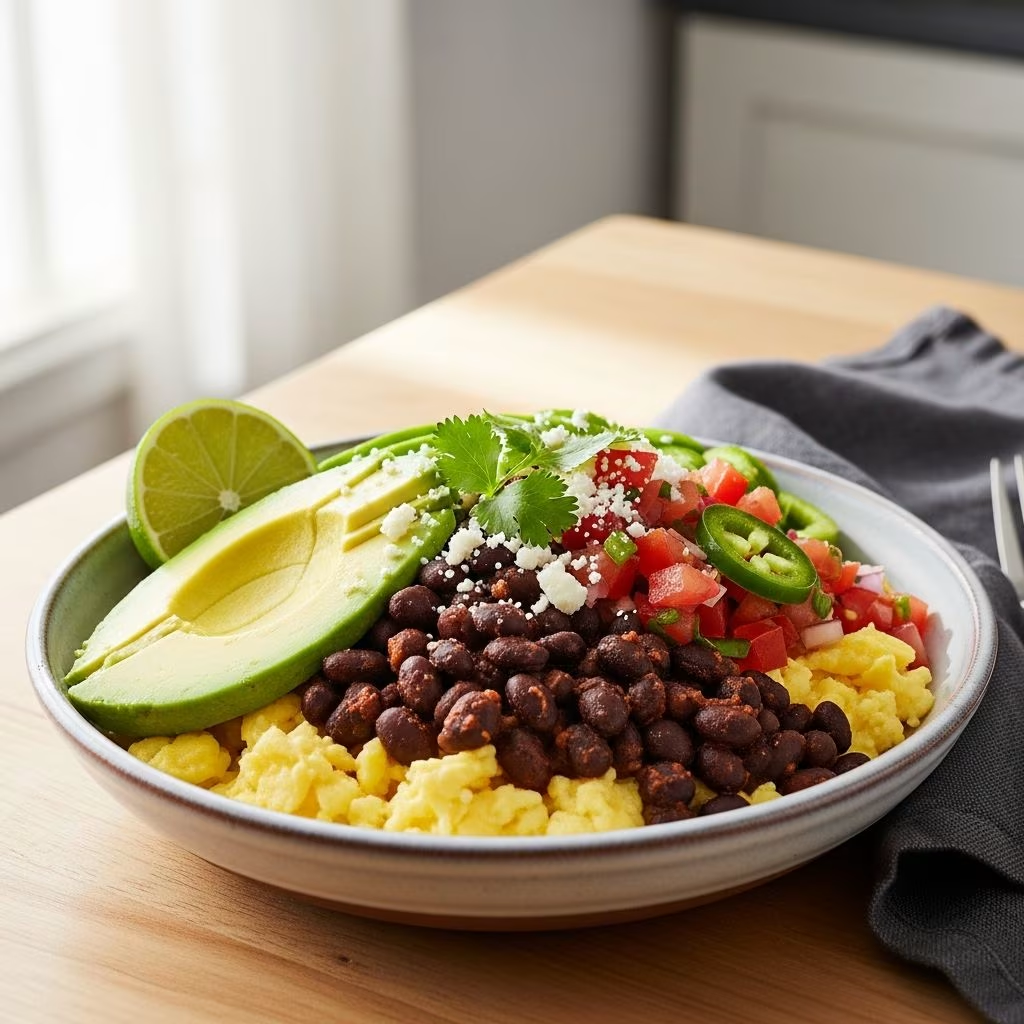
Breakfast sets the nutritional foundation for your entire day, and choosing a meal that balances protein, complex carbohydrates, and healthy fats can significantly impact your energy levels and satiety throughout the morning. One of the most versatile and nutritious options available is the black bean breakfast bowl—a dish that combines the nutritional power of legumes with fresh produce and whole grains. This comprehensive guide explores how to prepare this satisfying meal and why it deserves a permanent place in your breakfast rotation.
Understanding the Nutritional Foundation of Black Beans
Black beans serve as the nutritional cornerstone of this breakfast bowl, offering substantial benefits that extend far beyond their humble appearance. These legumes are exceptionally rich in fiber, providing approximately 8 grams per cooked cup, which supports digestive health and promotes feelings of fullness that can last for hours after consumption. The fiber content in black beans helps regulate blood sugar levels, preventing the energy crashes that often follow high-carbohydrate breakfasts lacking adequate protein and fiber.
Beyond fiber, black beans deliver impressive protein content—roughly 15 grams per cooked cup—making them an excellent plant-based protein source for vegetarians and vegans. They also contain essential minerals including manganese, magnesium, and iron, along with polyphenols, which are plant compounds with antioxidant and anti-inflammatory properties. These nutritional characteristics make black beans a particularly intelligent choice for those seeking sustained energy and metabolic support during morning hours.
The Role of Whole Grains in Bowl Construction
While black beans provide the protein foundation, incorporating whole grains like brown rice or similar alternatives adds another crucial nutritional dimension. Whole grains contain the entire grain kernel—the bran, germ, and endosperm—preserving fiber, B vitamins, and minerals that are lost during processing of refined grains. Brown rice, for instance, contributes approximately 3.5 grams of fiber and 5 grams of protein per cooked cup, complementing the black beans’ nutritional profile.
The combination of legumes and whole grains creates what nutritionists call “complete protein,” delivering all nine essential amino acids necessary for muscle maintenance and tissue repair. This combination is particularly valuable for those reducing or eliminating animal products from their diet, as it ensures adequate amino acid intake without requiring multiple protein sources.
Essential Ingredients and Their Selection
Constructing a proper black bean breakfast bowl requires thoughtful ingredient selection. The following components work synergistically to create a balanced, satisfying meal:
- Black beans: Use canned varieties for convenience (remember to drain and rinse to reduce sodium) or cook dried beans in advance for cost savings and control over sodium levels.
- Whole grain base: Brown rice, quinoa, farro, or other intact grains provide sustained energy and fiber.
- Protein component: Eggs deliver complete protein plus choline for cognitive function; scrambled, fried, or poached preparations all work well.
- Healthy fats: Sliced avocado provides monounsaturated fats that enhance nutrient absorption and promote satiety.
- Fresh vegetables: Cherry tomatoes, red onions, and bell peppers add vitamins C and K, along with hydrating water content.
- Aromatic seasonings: Cumin and chili powder echo Central American flavor traditions while providing compounds with potential anti-inflammatory benefits.
- Cooking fat: Extra virgin olive oil contributes additional healthy monounsaturated fats and polyphenols.
Preparation Techniques for Optimal Flavor Development
The cooking method significantly impacts both flavor and texture of your breakfast bowl. Rather than simply combining cold or lukewarm ingredients, gentle sautéing develops deeper flavors and creates a more cohesive dish. The process begins with heating extra virgin olive oil in a skillet over medium heat, then adding aromatics like minced garlic or finely diced jalapeños to release their volatile flavor compounds.
Once the aromatics become fragrant—typically after 30 seconds to one minute—add the drained black beans along with your cooked grain. This gentle combination should be stirred frequently and cooked for approximately 5-8 minutes, allowing the beans to warm thoroughly and developing a slightly crispy exterior while maintaining a creamy interior. During this stage, incorporate your chosen seasonings—cumin, chili powder, and salt—distributing them evenly throughout the mixture.
Meanwhile, prepare your eggs according to personal preference. Some prefer them fried with intact yolks for visual appeal, while others choose scrambled eggs for their ease in distribution throughout the bowl. The eggs should be cooked to your desired doneness, as they’ll be placed atop the grain and bean mixture rather than combined with it.
Assembly and Customization Options
Once all components are prepared, assembly becomes straightforward. Transfer the warm bean and grain mixture to a serving bowl or plate, creating a stable base. Top this foundation with your prepared eggs, allowing their warmth to briefly soften any fresh ingredients. Arrange sliced avocado around the bowl’s edge, add fresh tomato slices or halved cherry tomatoes, and distribute thinly sliced red onion throughout.
The beauty of breakfast bowls lies in their customization potential. Fresh cilantro adds herbaceous brightness, while a squeeze of fresh lime juice provides acidic counterbalance. For those enjoying dairy, crumbled feta or cotija cheese introduces tangy, salty notes. Hot sauce devotees might drizzle sriracha, chipotle sauce, or their preferred variety across the top. Some preparations include roasted sweet potatoes, wilted spinach, or sautéed kale for additional vegetables and micronutrients.
| Component | Quantity | Preparation Time | Key Nutrients |
|---|---|---|---|
| Black beans (canned) | ½-¾ cup | Drain & rinse | Fiber, protein, iron |
| Brown rice | ½ cup cooked | Microwave or reheat | Fiber, B vitamins |
| Eggs | 2 medium | 3-5 minutes cook time | Complete protein, choline |
| Avocado | ½ medium | Slice fresh | Healthy fats, potassium |
| Fresh tomato | ½ cup | Slice fresh | Vitamin C, lycopene |
Time Management for Busy Mornings
While the complete preparation from start to finish typically requires 15-20 minutes, several strategies can reduce active cooking time. Consider preparing the grain and bean base during meal prep sessions, storing the cooked mixture in refrigerator-safe containers for up to three days. Each morning, simply reheat this component in a skillet while simultaneously cooking your eggs and arranging fresh toppings.
Alternatively, many grocery stores now offer pre-cooked rice and grain products in the refrigerated section, eliminating cooking time entirely. Similarly, purchasing pre-cut vegetables or using frozen corn reduces preparation steps significantly. These shortcuts don’t compromise nutritional value while substantially reducing morning demands on your time.
Nutritional Analysis and Health Benefits
A complete black bean breakfast bowl (using the ingredient quantities mentioned above) typically delivers approximately 400-500 calories, with macronutrient distribution favoring sustained energy. The combination of approximately 20-25 grams of protein, 40-45 grams of carbohydrates, and 15-18 grams of fat creates a nutritionally balanced breakfast that satisfies hunger and supports metabolic function throughout morning hours.
The fiber content—roughly 10-12 grams per bowl—significantly exceeds the typical American breakfast while supporting digestive health and blood sugar regulation. Research indicates that breakfasts emphasizing fiber and protein promote greater satiety compared to carbohydrate-dominant alternatives, potentially reducing overall daily calorie consumption and supporting weight management goals.
The incorporation of legumes like black beans specifically has been associated with improvements in cardiovascular health markers, including reduced LDL cholesterol levels and improved blood pressure regulation. The polyphenols present in black beans may contribute additional anti-inflammatory and antioxidant benefits that support long-term health outcomes.
Seasonal Variations and Regional Inspirations
The black bean breakfast bowl framework permits considerable seasonal and regional adaptation. Summer preparations might incorporate fresh corn kernels, ripe heirloom tomatoes, and abundant herbs like basil or cilantro. Winter versions could feature roasted root vegetables, sturdy greens like kale or chard, and warming spices such as cinnamon or cardamom alongside traditional cumin.
Drawing inspiration from various cuisines, the basic formula remains adaptable. Mexican-inspired preparations emphasize chipotle peppers and cotija cheese, while Caribbean versions might incorporate coconut milk or tropical fruit elements. Mediterranean adaptations could introduce feta cheese, oregano, and Kalamata olives, though these move away from the traditional black bean preparation.
Storage and Make-Ahead Strategies
The grain and bean base component stores exceptionally well for 3-4 days when properly refrigerated in airtight containers. This makes the black bean breakfast bowl an ideal candidate for meal preparation. Divide the cooked mixture into individual containers, then simply reheat each portion as needed—either on the stovetop over medium heat or in the microwave for 90-120 seconds.
The cooked eggs and fresh toppings shouldn’t be combined with the base until just before eating, as these components have different storage characteristics. However, you can prepare hard-boiled eggs in advance if you prefer this preparation method to fried or scrambled options. Store hard-boiled eggs in their shells in the refrigerator for up to one week, peeling and adding them to your bowl immediately before consumption.
Dietary Accommodations and Modifications
The inherent flexibility of this bowl format permits numerous dietary accommodations. Vegetarians and vegans can omit eggs entirely, relying on the bean and grain combination for adequate protein, or substitute plant-based egg alternatives. Those avoiding eggs for allergy reasons might add tofu, tempeh, or additional legumes like chickpeas. Gluten-sensitive individuals should confirm their grain selection is certified gluten-free, as some facilities may process multiple grain types in shared equipment.
For low-carbohydrate diets, simply reduce the grain portion and increase vegetables, legumes, and protein components. Those following specific religious or cultural dietary requirements can modify the seasoning profile and protein components while maintaining the bowl’s nutritional foundation.
Frequently Asked Questions
- Can I prepare this bowl completely in advance?
- The grain and bean base stores excellently for 3-4 days when refrigerated. However, prepare fresh toppings like avocado, tomato, and eggs immediately before serving to maintain optimal texture and prevent browning or spoilage.
- What if I don’t have brown rice available?
- Excellent alternatives include quinoa, farro, millet, or even regular white rice. Each provides different nutritional profiles, though whole grains offer superior fiber content. Leftover cooked grains from previous meals work perfectly.
- How can I reduce sodium content?
- Use dried beans you cook yourself rather than canned varieties, or select low-sodium canned beans. Rinse canned beans thoroughly under running water to remove additional sodium from the packing liquid.
- Is this recipe suitable for meal preparation?
- Absolutely. Prepare the grain and bean base in bulk, storing individual portions for quick assembly throughout the week. Keep fresh toppings separate until assembly to preserve texture and appearance.
- Can I make this recipe vegan?
- Yes. Omit eggs and incorporate plant-based protein alternatives like tofu, tempeh, or additional legumes. The grains and beans already provide substantial protein and complete amino acid profiles.
The black bean breakfast bowl represents more than a convenient meal—it embodies a practical application of nutritional science, combining protein-rich legumes, fiber-dense whole grains, and micronutrient-packed fresh vegetables into a satisfying, energizing breakfast. By understanding the role of each component and mastering basic preparation techniques, you can create countless variations that suit your preferences, dietary requirements, and seasonal ingredients. This breakfast option supports both immediate satiety and sustained morning energy, making it an intelligent choice for anyone seeking to optimize their daily nutrition.
References
- Legumes and Health: A Nutritional Perspective — Harvard School of Public Health. 2024. https://www.hsph.harvard.edu/nutritionsource/food-features/legumes-pulses/