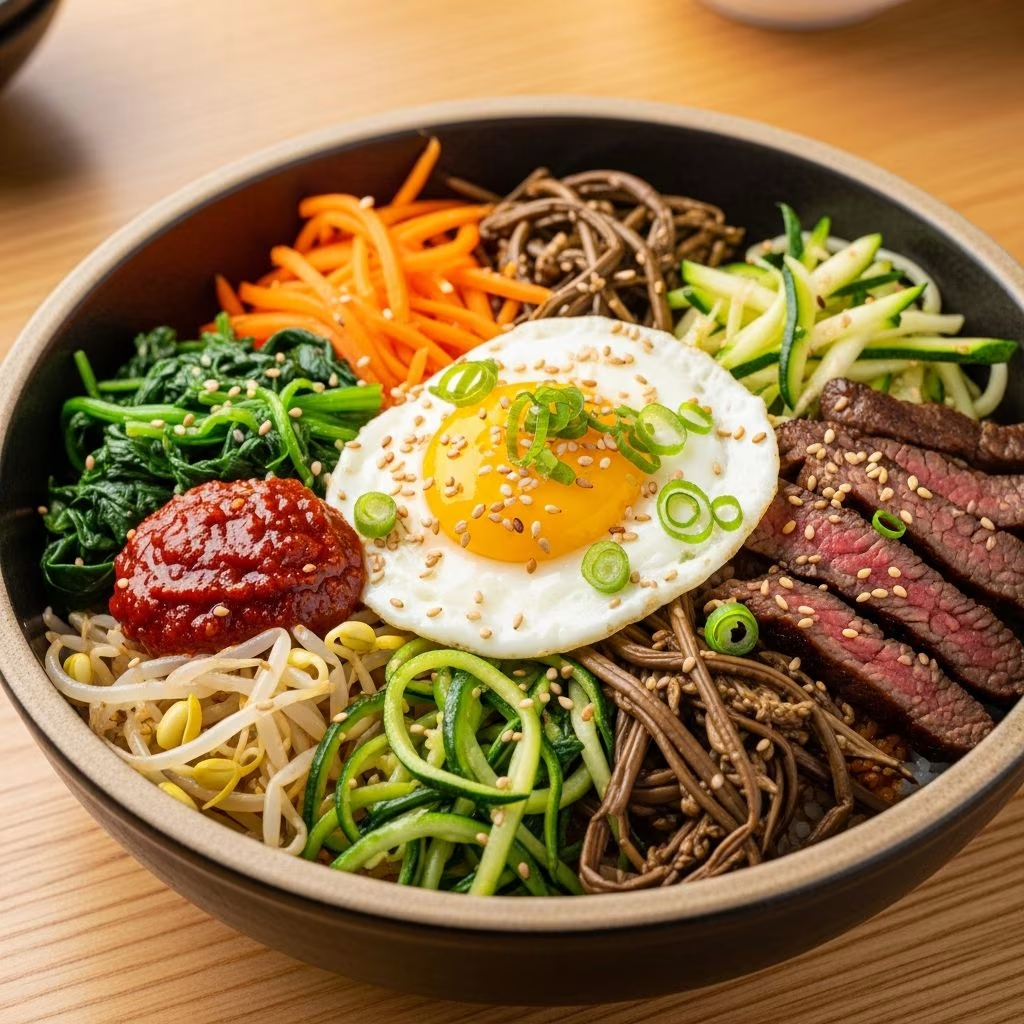
Bibimbap stands as one of Korea’s most celebrated culinary creations, representing a harmonious blend of textures, flavors, and nutritional balance. This iconic rice bowl combines white or brown rice as its foundation, topped with an array of meticulously prepared vegetables, marinated protein, a rich sauce, and often finished with a fried or raw egg. The name itself, meaning “mixed rice” in Korean, perfectly captures the dish’s essential character—each component maintains its distinct identity while contributing to a unified, flavorful whole.
The beauty of bibimbap lies in its versatility and accessibility. Whether you’re a seasoned home cook or someone exploring Korean cuisine for the first time, this dish welcomes adaptation based on available ingredients and personal preferences. The preparation, while appearing complex due to multiple components, actually consists of several straightforward techniques executed sequentially.
Understanding the Core Components of Bibimbap
Every authentic bibimbap relies on five fundamental elements that work together to create its distinctive character. These components form the backbone of the dish and understanding each one ensures success in your preparation.
Rice serves as the foundation, traditionally prepared with white rice, though brown rice, jasmine rice, or even cauliflower rice offer viable alternatives for different dietary preferences. The rice should be fluffy and warm when assembled, allowing it to absorb the flavors of the sauce and other ingredients.
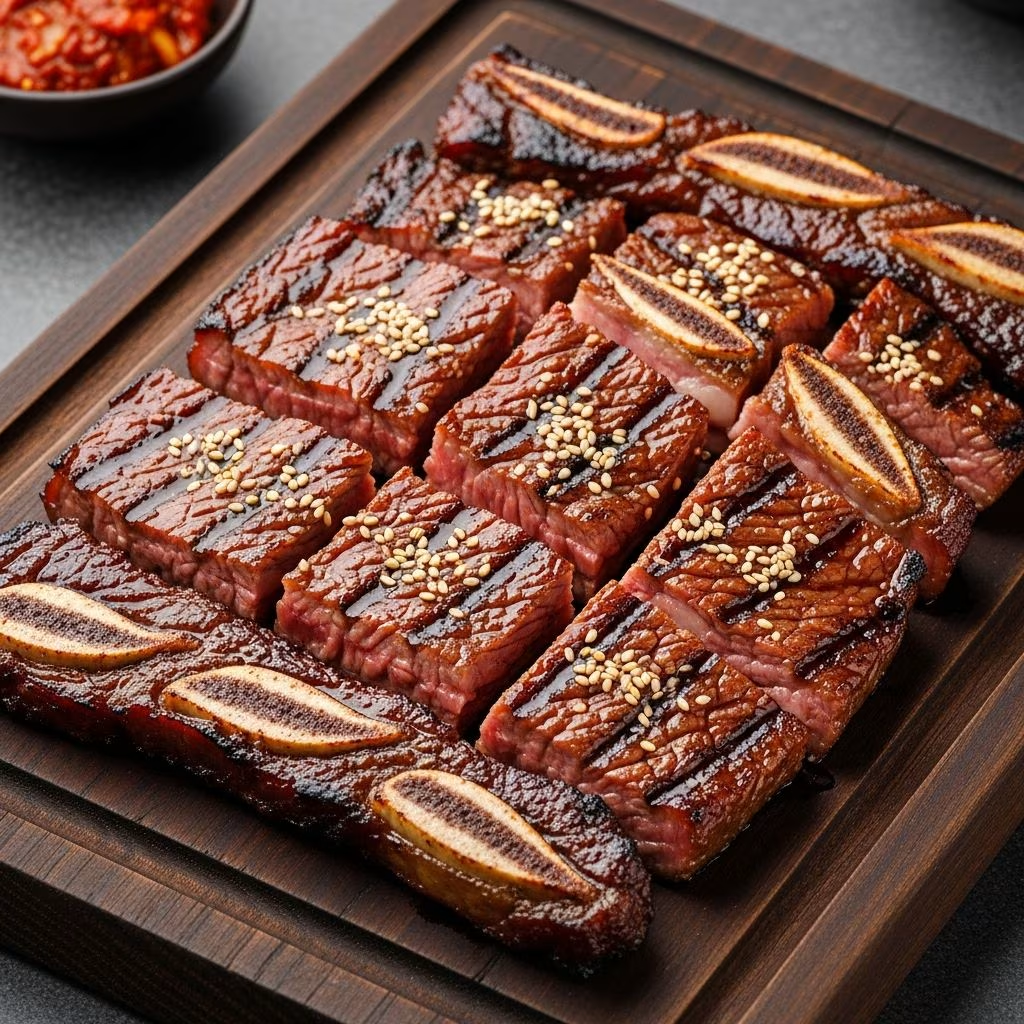
Marinated protein typically features beef, prepared through a process called bulgogi when grilled or pan-seared. The marinade transforms simple beef into an umami-rich component bursting with savory depth. The beef is sliced thinly across the grain, then bathed in a mixture of soy sauce, sesame oil, sugar, rice wine, and aromatics like garlic and scallions.
Vegetables contribute color, texture, and nutritional value, each prepared with minimal seasoning to allow the final sauce to unify the flavors. These vegetables range from leafy greens like spinach to root vegetables like zucchini and mushrooms.
The bibimbap sauce provides the crucial flavor element that brings all components together. This spicy, umami-rich mixture centers on gochujang, a fermented chili paste that serves as the soul of the dish.
An egg crowns the assembled bowl, traditionally served raw or lightly cooked. When eaten, the warm yolk breaks into the bowl, creating a creamy richness that coats the rice and vegetables.
Preparing the Spicy Gochujang Sauce
The bibimbap sauce represents the adhesive that binds all elements together, transforming individual components into a cohesive dish. This sauce requires careful balance between heat, depth, and sweetness.
Essential Sauce Ingredients
- Gochujang paste—the foundation, providing heat and umami complexity
- Toasted sesame oil—adding nutty fragrance and richness
- Rice vinegar—contributing brightness and acidity
- Soy sauce—deepening savory notes
- Brown sugar—balancing heat with subtle sweetness
- Fresh garlic—providing pungent aromatic depth
- Optional ginger—introducing warm spice notes
The sauce preparation involves whisking these ingredients together in precise proportions. A typical ratio combines approximately one-quarter cup of gochujang paste with two tablespoons of rice vinegar, two tablespoons of reduced-sodium soy sauce, one tablespoon of brown sugar, and one teaspoon of toasted sesame oil. Minced garlic and freshly grated ginger should be adjusted to personal preference.
This sauce can be prepared hours in advance and stored in the refrigerator, allowing flavors to develop further. The depth of the sauce improves as it sits, making it an ideal component to prepare during advance meal planning.
Mastering Beef Marination and Cooking
The marinated beef component showcases how proper technique elevates humble ingredients into something extraordinary. The marination process serves multiple purposes: tenderizing the meat, infusing flavor throughout, and developing the characteristic caramelized exterior.
Beef Preparation Process
Begin by selecting a tender beef cut suitable for quick cooking, such as ribeye or sirloin. Slice the beef into thin two-inch-long strips, cutting across the grain to maximize tenderness. This slicing technique is crucial—cutting against the grain breaks down muscle fibers, resulting in more tender pieces.
Prepare the marinade by combining one-and-a-half tablespoons of soy sauce, two teaspoons of sugar, two teaspoons of sesame oil, two teaspoons of rice wine, one tablespoon of chopped scallions, one teaspoon minced garlic, half a teaspoon of sesame seeds, and a pinch of black pepper in a mixing bowl.
Add the sliced beef to this marinade, ensuring each piece becomes thoroughly coated. The marination period should extend approximately twenty minutes, allowing the flavors to penetrate the meat and begin the tenderizing process. For deeper flavor development, marinate for up to an hour if time permits.
When ready to cook, heat a skillet over high heat until it becomes quite hot. The high heat ensures rapid cooking and develops a desirable browned exterior through the Maillard reaction. Cook the marinated beef for two to three minutes, stirring frequently, until the meat reaches your preferred doneness. The beef should remain tender and juicy, not dry or overcooked.
Vegetable Preparation Techniques
Each vegetable component requires specific preparation methods that preserve texture while infusing subtle seasoning. The key principle involves light seasoning of individual vegetables, allowing the final sauce to provide the primary flavor punch.
Soybean Sprout Preparation
Bring one cup of water to boiling with one teaspoon of salt. Add fresh soybean sprouts and cook for exactly three minutes, then drain immediately and rinse with cold water to halt the cooking process. This technique preserves the sprouts’ crispness. Once cooled and thoroughly drained, toss with one teaspoon minced garlic, two teaspoons sesame oil, half a teaspoon of sesame seeds, and season with salt and pepper to taste.
Spinach Wilting Method
Place a wok or large pan over medium-low heat and add a light drizzle of sesame oil. Gradually add fresh spinach in batches along with a pinch of salt, stirring until completely wilted. This gentle approach prevents the spinach from becoming mushy. Transfer to a clean kitchen towel and squeeze firmly to remove excess liquid—this step prevents the finished bowl from becoming watery.
Zucchini Preparation
Slice zucchini into thin coins, then cut each coin into quarters. Place the cut zucchini in a bowl, sprinkle salt generously over the pieces, and allow to sit for ten to fifteen minutes. The salt draws out excess moisture. Squeeze the zucchini by hand to remove remaining liquid and transfer to a bowl. Add one tablespoon chopped scallions, half a teaspoon minced garlic, one teaspoon sesame oil, and half a teaspoon sesame seeds. Finally, sauté in oil over medium-high heat for one to two minutes.
Mushroom Enhancement
Shiitake mushrooms offer remarkable umami depth when prepared thoughtfully. Sauté them with a small amount of rice vinegar and tamari or soy sauce to highlight their rich, savory character.
Assembly and Service Guidelines
The assembly process transforms individual components into a visually appealing and delicious whole. Proper assembly not only ensures flavor distribution but also creates an attractive presentation.
Begin with a base of warm cooked rice, filling the bowl approximately three-quarters full. Position a fried egg sunny-side up in the center of the rice, breaking the yolk slightly so it begins to run into the rice.
Arrange the various prepared vegetables in distinct sections around the perimeter of the bowl, surrounding the central egg. This radial arrangement maintains visual appeal and allows diners to experience each component’s individual character before mixing.
Drizzle the gochujang sauce over the assembled components, using enough to coat generously without drowning the ingredients. The amount can be adjusted to personal spice tolerance.
When ready to eat, break the egg yolk fully and use a spoon or chopsticks to mix all components together thoroughly. The runny egg yolk combines with the sauce to create a creamy coating that blankets the rice and vegetables.
Adaptations and Dietary Modifications
Bibimbap’s fundamental structure welcomes numerous adaptations based on dietary requirements, ingredient availability, or personal preference.
Vegetarian versions omit the beef entirely while maintaining all other components. The marinated and sautéed mushrooms provide sufficient umami depth and protein, particularly when paired with the gochujang sauce’s savory character.
Vegan modifications eliminate both beef and egg, replacing the egg with baked tofu or tempeh that offers textural contrast. The result remains nutritionally balanced and deeply satisfying.
Vegetable substitutions allow for seasonal adaptation or regional ingredient availability. Broccoli, carrots, bell peppers, or any crisp vegetables work within the bibimbap framework, provided they’re seasoned lightly and prepared to maintain pleasant texture.
Protein alternatives beyond beef include ground beef for easier preparation, pre-cut bulgogi meat for time-saving, chicken, tofu, or tempeh. Each protein adapts well to the marinade and cooking methods.
Rice variations accommodate dietary preferences without compromising the dish’s essential character. Brown rice adds nuttiness and increased fiber, while cauliflower rice serves those seeking lower-carbohydrate options.
Frequently Asked Questions
Can bibimbap be prepared in advance?
Yes, individual components can be prepared hours ahead. Cook rice, prepare vegetables, marinate beef, and mix the sauce separately. Store components in the refrigerator and assemble the bowl only when ready to eat. This approach significantly reduces last-minute cooking stress.
What is the traditional egg preparation for bibimbap?
Authentic bibimbap traditionally features a raw egg yolk that cooks slightly from the bowl’s residual heat when served immediately. However, many home cooks prefer a fully fried sunny-side up egg for food safety and personal preference.
How spicy should bibimbap be?
The sauce heat level adjusts easily by modifying the gochujang quantity. Start with less paste and increase gradually until reaching your preferred spice level. The sauce can always be added in greater quantity but not reduced once mixed.
Are specific vegetables required?
No. Bibimbap welcomes vegetable substitutions based on availability and preference. The fundamental structure remains intact regardless of specific vegetables chosen, provided they’re seasoned lightly and maintain pleasant texture.
What beverages pair well with bibimbap?
The dish’s spicy, savory character pairs well with cold beverages that provide contrast, such as iced tea, cold water, or Korean beverages like sikhye or yujacha. The gochujang sauce benefits from cooling beverages between bites.
References
- Korean Bibimbap Recipe — Carlsbad Cravings. 2024. https://carlsbadcravings.com/bibimbap/
- Easy Bibimbap Recipe — Mama’s Guide Recipes. 2017-12-07. https://www.mamasguiderecipes.com/2017/12/07/make-easy-bibimbap/
- Bibimbap Recipe — Korean Bapsang. 2024. https://www.koreanbapsang.com/bibimbap/
- Bibimbap Recipe — Love and Lemons. 2024. https://www.loveandlemons.com/bibimbap-recipe/
- Bibimbap: Korean Mixed Rice Bowl — CookWell. 2024. https://www.cookwell.com/recipe/bibimbap
- Ultimate Guide to Bibimbap: Recipes, Sauces, and Perfect Beer Pairings — Crafted Culture. 2024. https://crafted-culture.com/food/ultimate-guide-to-bibimbap/