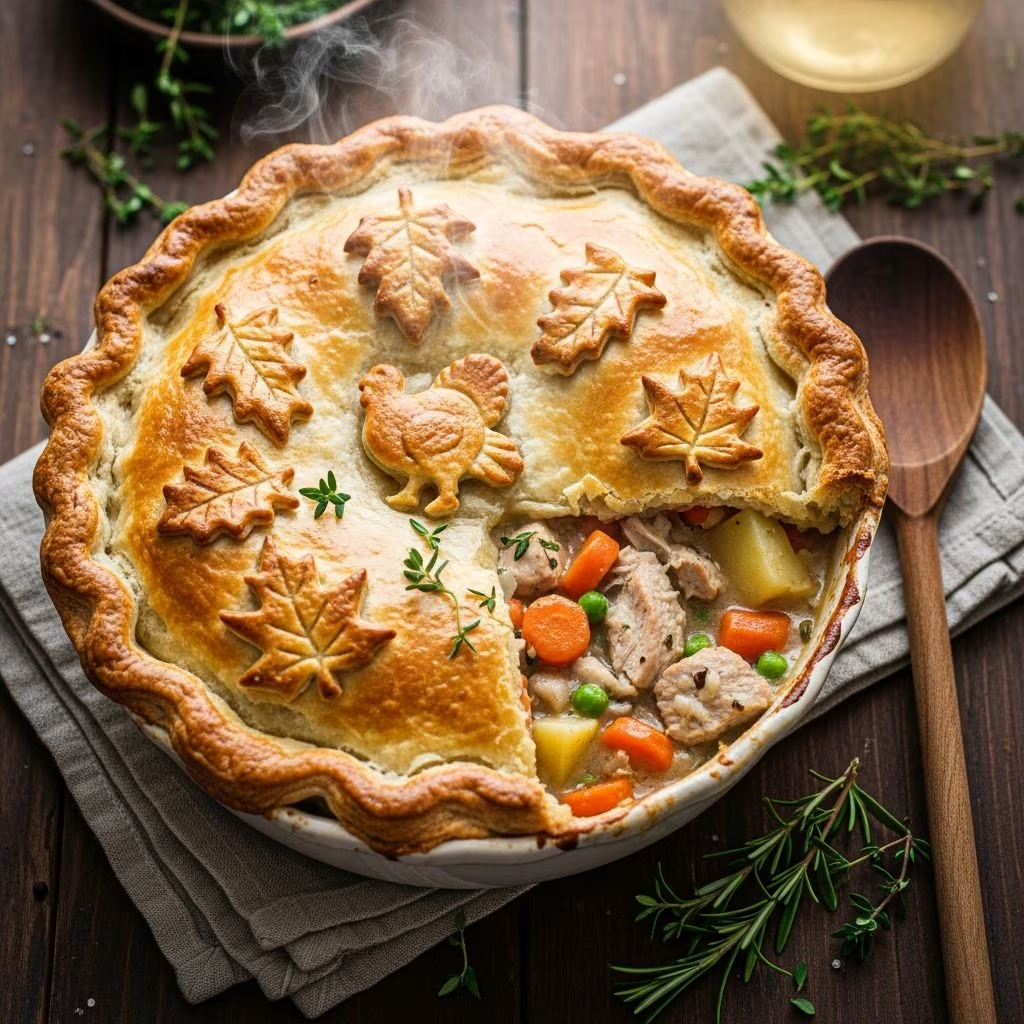
Few dishes embody the spirit of resourceful cooking quite like a well-crafted turkey pot pie. This beloved comfort food transforms modest ingredients—particularly leftover poultry—into an elegant, satisfying meal that feels both indulgent and homey. Whether you’re looking to repurpose turkey from a holiday gathering or simply craving hearty fare, a properly constructed pot pie delivers warmth, flavor, and the kind of satisfaction that lingers long after the last bite.
Understanding the Foundation of Exceptional Pot Pies
The anatomy of a successful turkey pot pie rests on three essential components: the filling, the sauce, and the topping. Each element must work in concert to create a cohesive dish where no single part overwhelms the others. The filling provides substance and character, the sauce binds everything together while adding richness, and the topping offers textural contrast with its flaky or buttery qualities.
What separates a memorable turkey pot pie from a forgettable one often comes down to attention to flavor development and ingredient quality. The filling shouldn’t taste like a random collection of vegetables and meat; rather, it should present a harmonious blend where each component enhances the others. This requires thoughtful seasoning, proper cooking techniques, and an understanding of how flavors interact throughout the cooking process.
Selecting and Preparing Your Protein Base
The turkey itself serves as the anchor for the entire dish. If using leftover turkey from a previous meal, ensure it has been stored properly in the refrigerator and used within three to four days for optimal food safety. Shredded turkey works particularly well in pot pies because it distributes evenly throughout the filling and creates a more cohesive texture than larger chunks.
When shredding your turkey, aim for pieces that are approximately the same size—roughly bite-sized portions that won’t be too large or too small. If you’re starting with fresh turkey, consider roasting a small breast ahead of time or purchasing pre-cooked turkey from your local market. The goal is to have somewhere between two to four cups of shredded poultry, depending on your recipe’s proportions and the number of servings you’re preparing.
Turkey Selection Guidelines
- Use dark meat for richer flavor and better moisture retention during cooking
- Combine dark and white meat for a balanced taste profile
- Ensure meat is completely thawed before incorporating into your filling
- Remove skin and excess fat before shredding to prevent greasy sauce
- Season turkey lightly before adding to the pot pie for enhanced depth
Building Layers of Flavor Through Aromatics and Spices
The flavor journey of an excellent turkey pot pie begins with aromatics. Diced onions, when slowly cooked in butter until translucent and soft, create a sweet, mellow base that supports everything that follows. Some recipes incorporate additional aromatic vegetables like celery or shallots, which add complexity and subtle savory notes.
Once your aromatics have softened—typically after four to five minutes over medium-low heat—the next critical step involves creating a roux. This foundational technique involves whisking flour into the melted butter and cooking the mixture briefly, usually for thirty seconds to one minute. This toasting process is not merely functional; it develops nutty flavors and helps prevent a raw flour taste in your final sauce.
Seasoning choices dramatically influence the character of your pot pie. Fresh herbs like rosemary, thyme, and parsley contribute brightness and authenticity, while dried herbs offer concentrated flavors. Smoked paprika introduces subtle depth and complexity without overpowering more delicate flavors. Poultry seasoning, a classic blend combining sage, thyme, and other complementary spices, provides immediate familiarity and warm aromatic notes that readers commonly associate with traditional poultry dishes.
Essential Seasonings and Their Roles
| Seasoning | Flavor Profile | Recommended Amount |
|---|---|---|
| Fresh Rosemary | Pine-like, herbaceous, slightly peppery | 1-2 teaspoons chopped |
| Dried Thyme | Subtle, earthy, delicate | ¼ teaspoon |
| Smoked Paprika | Smoky, warm, mildly sweet | 1 teaspoon |
| Poultry Seasoning | Warm, familiar, versatile | ½ teaspoon |
Creating the Perfect Sauce Consistency
After toasting your flour-butter mixture with herbs and spices, the next phase involves gradually adding liquid. This step requires patience and careful attention. Rather than dumping all your broth at once, add it incrementally while whisking continuously. This gradual incorporation prevents lumps from forming and ensures a smooth, silky sauce that clings elegantly to vegetables and turkey.
The ideal consistency should be achieved by the time you’ve finished adding liquid. The sauce should coat the back of a spoon and flow slowly when tilted—resembling a proper gravy rather than soup or paste. Many recipes call for a combination of broth and cream or milk, with the cream adding richness and subtle sweetness that complements poultry beautifully. Some cooks prefer using heavy cream for maximum decadence, while others opt for whole milk or evaporated milk for a lighter approach.
The cooking time for your sauce matters significantly. Allowing it to simmer gently for a minute or two after adding liquid helps the flour fully hydrate and thicken properly. This brief additional cooking also mellows any raw flour flavors that might linger despite your initial toasting step.
Vegetable Selection and Preparation Strategies
Vegetables contribute essential textural variety, nutritional value, and flavor complexity to your pot pie filling. The traditional approach incorporates both fresh and frozen vegetables, each offering distinct advantages. Fresh vegetables like carrots and celery provide crisp textures and bright flavors, while frozen peas and corn deliver convenience and reliable quality year-round.
Root vegetables like potatoes and sweet potatoes deserve special attention because they require longer cooking times. Dicing these vegetables into uniform, bite-sized pieces—ideally smaller than one inch—ensures they soften properly without turning into mush. Sweet potatoes add visual appeal with their warm orange hue and contribute subtle sweetness that balances savory elements beautifully. Russet or other starchy potatoes offer earthiness and help thicken the filling naturally as they cook and break down slightly.
Vegetable Preparation Specifications
- Sweet potatoes: Peel and dice into pieces smaller than 1 inch for even cooking
- Russet potatoes: Prepare similarly for consistent texture and doneness
- Carrots: Dice into small rounds or half-moons for aesthetic appeal and quick cooking
- Frozen peas and corn: Add toward the end of cooking to preserve shape and texture
- Green beans: Trim and cut into one-inch pieces for visual interest
Choosing Your Crust: Traditional Pastry Versus Convenient Alternatives
The topping elevates a turkey pot pie from simple comfort food to something approaching elegance. You have several options, each with distinct merits and practical considerations. A traditional pie crust made from scratch requires flour, butter, salt, sugar, vinegar, and ice water. This approach yields supremely flaky results with a tender crumb structure that’s difficult to replicate with pre-made products.
For those prioritizing convenience, commercially prepared pie crusts deliver satisfactory results with minimal effort. Simply thaw according to package directions and drape over your filling. Some bakers prefer puff pastry for its dramatic layers and impressive appearance, while others choose a simple biscuit topping or breadcrumb mixture for a lighter approach.
Regardless of your chosen topping, the egg wash—a mixture of beaten egg and water—creates a beautiful golden-brown color and glossy finish. Brushing this mixture across your topping before baking ensures professional-looking results. Some recipes call for scoring the crust with small slits to allow steam to escape during baking, preventing the edges from bursting and the filling from bubbling over excessively.
Assembly and Baking Guidance
Proper assembly prevents common mishaps like soggy bottoms or undercooked fillings. After preparing your filling, allow it to cool slightly before adding your chosen topping. This prevents the pastry from beginning to cook before it reaches the oven. If using a bottom crust, consider partially pre-baking it to minimize sogginess—though many modern recipes omit the bottom crust entirely, reducing overall fat and simplifying preparation.
Arranging your crust over the filling requires a gentle touch. Rather than forcing it to drape over the sides, simply press it against the interior edges of your baking vessel, allowing it to rest on top of the filling. This prevents the crust from pulling away as it bakes and shrinks.
Baking temperature and time vary depending on your specific recipe and oven characteristics, but most turkey pot pies benefit from moderate heat—around 375 to 400 degrees Fahrenheit—for approximately thirty-five to forty-five minutes. The pie is done when the crust achieves a deep golden-brown color and the filling bubbles gently at the edges. If your crust browns too quickly, loosely cover it with aluminum foil to prevent burning while the interior continues cooking.
Frequently Asked Questions
Can I prepare turkey pot pie ahead of time?
Yes, this dish adapts beautifully to advance preparation. Assemble your pot pie completely, cover it tightly, and refrigerate for up to twenty-four hours before baking. Simply add five to ten minutes to your total baking time since the filling will be cold. Alternatively, freeze unbaked pot pies for up to three months, thawing overnight in the refrigerator before baking.
What’s the difference between using fresh versus frozen vegetables?
Fresh vegetables often provide superior texture and appearance, particularly for items like carrots and celery. Frozen vegetables offer convenience and consistent quality. Many recipes combine both—fresh aromatics and root vegetables with frozen peas and corn—to optimize both convenience and result quality.
How do I prevent a soggy bottom crust?
Several strategies minimize sogginess. Pre-bake your bottom crust for five to seven minutes before adding filling, place a baking sheet on a lower oven rack to catch any spills and distribute heat evenly, or skip the bottom crust entirely, topping only the filling with pastry.
Can I make turkey pot pie in individual portions?
Absolutely. Divide your filling among oven-safe bowls or ramekins, top each with pastry or puff pastry squares, and adjust baking time downward—typically twenty to thirty minutes—since smaller portions cook more quickly than full-sized pies.
Serving and Storage Recommendations
Allow your finished pot pie to rest for five to ten minutes after removing from the oven. This brief resting period allows the filling to set slightly, preventing excessive flowing when you serve. Serve your pot pie directly from the baking dish or individual bowls, ensuring each portion includes some crust, filling, and vegetables.
Leftovers keep well in the refrigerator for up to four days when stored in an airtight container. Reheat gently in a 325-degree oven until warmed through, approximately twenty to thirty minutes depending on portion size. Alternatively, microwave individual servings at reduced power to prevent overheating the crust.
References
- Turkey Pot Pie – Great for Leftover Turkey! — Sugar Spun Run. https://sugarspunrun.com/turkey-pot-pie/
- Turkey Pot Pie Recipe — Sally’s Baking Addiction. https://sallysbakingaddiction.com/turkey-pot-pie-recipe/
- Turkey Pot Pie — Spend With Pennies. https://www.spendwithpennies.com/turkey-pot-pie/
- Turkey Pot Pie Recipe — Grandbaby Cakes. https://grandbaby-cakes.com/turkey-pot-pie/
- Best Turkey Pot Pie Recipe — Delish. https://www.delish.com/cooking/recipe-ideas/a29167467/turkey-pot-pie-recipe/
- Turkey Pot Pie — Well Plated. https://www.wellplated.com/turkey-pot-pie/