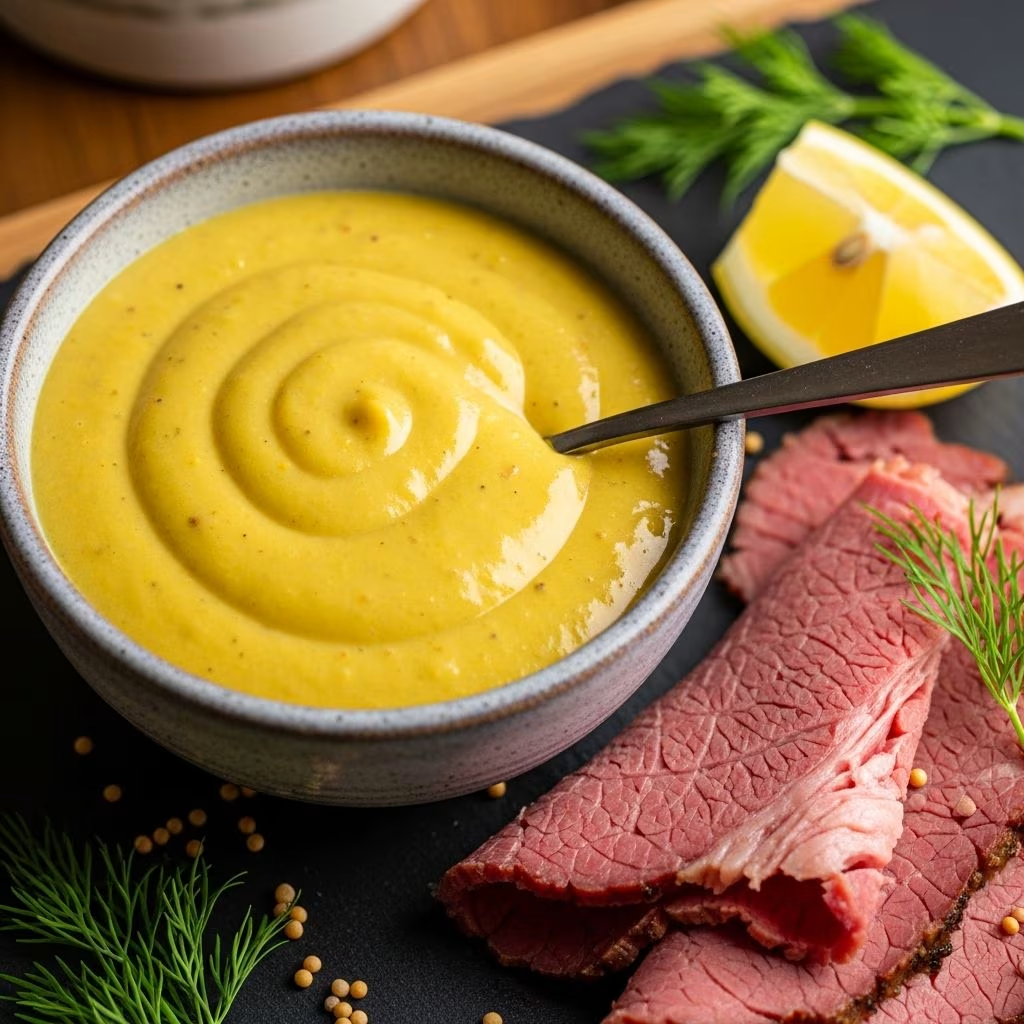
Corned beef stands as a beloved protein that appears on dinner tables throughout various cultures and seasons. While the meat itself offers substantial flavor and tenderness when prepared correctly, the right accompaniment can elevate the entire dining experience. A well-crafted mustard sauce transforms corned beef from a simple protein into a memorable dish that balances savory richness with bright, piquant notes.
Understanding the Foundation of Mustard-Based Condiments
Mustard serves as one of the most versatile condiments in culinary traditions worldwide. The condiment derives its characteristic flavor from mustard seeds, which contain compounds that create both sharpness and complexity when processed and combined with other ingredients. When applied to corned beef, mustard acts as a flavor bridge—its acidity and slight bitterness cut through the meat’s richness while its natural oils carry complementary aromatics.
The beauty of a mustard sauce lies in its adaptability. Whether you prefer a gentle tang or bold intensity, the proportions and variety of mustard used can be adjusted to match personal preferences. Different mustard varieties contribute distinct flavor profiles: yellow mustard provides mildness and brightness, Dijon mustard offers sophistication and moderate heat, and wholegrain mustard contributes texture and earthy undertones.
Building Your Sauce with Complementary Flavors
Creating an exceptional mustard sauce requires understanding how different components interact. Beyond the mustard itself, several other elements work together to develop depth and balance:
- Sweetening Agents: Brown sugar, honey, maple syrup, or agave nectar introduce subtle sweetness that counteracts the mustard’s natural sharpness. This sweetness also helps create a glaze that caramelizes under heat.
- Acidic Components: Vinegar or other acidic liquids brighten the sauce and enhance its ability to cut through fatty meat. Cider vinegar, malt vinegar, and white vinegar each contribute slightly different flavor dimensions.
- Binding Ingredients: Butter and flour create a roux—a foundational technique for thickening sauces and creating silky texture. Alternatively, egg yolks can create richness and stability.
- Aromatics: Fresh herbs like parsley add visual appeal and subtle herbaceous notes that enhance the overall presentation and flavor profile.
Comparing Popular Mustard Sauce Preparation Methods
| Method | Key Ingredients | Preparation Time | Best For |
|---|---|---|---|
| Quick Glaze Approach | Dijon mustard, brown sugar, salt | 5 minutes | Simple applications, broiler finishing |
| Roux-Based Sauce | Butter, flour, mustard, cooking liquid, cream | 10-15 minutes | Rich, velvety texture over plated servings |
| Egg-Thickened Sauce | Egg, vinegar, sugar, mustard powder, wholegrain mustard | 8-12 minutes | Traditional preparations, lighter texture |
| Honey-Sweetened Variation | Yellow mustard, Dijon mustard, honey, brown sugar | 5-8 minutes | Balanced sweet-tangy profile, fresh applications |
The Quick Glaze Technique
For those seeking efficiency without compromising flavor, the quick glaze method delivers impressive results with minimal effort. This approach involves combining just three fundamental ingredients into a smooth paste that adheres to the cooked meat’s surface.
To prepare this glaze, combine two tablespoons of Dijon mustard with one tablespoon of brown sugar and half a teaspoon of salt in a small bowl. Mix these components thoroughly until the sugar begins dissolving and the mixture achieves uniform consistency. The simplicity of this method belies its effectiveness—the brown sugar caramelizes under direct heat, creating a glossy exterior with pleasant textural contrast.
Application proves straightforward: spread the prepared mixture evenly across the top surface of your cooked corned beef brisket using a brush or the back of a spoon. Position the meat on a foil-lined baking sheet and place it under a preheated broiler. Monitor carefully as the sauce browns in spots, typically requiring two to three minutes. This brief exposure to direct heat transforms the spread from a simple paste into a caramelized coating that adds visual appeal and concentrated flavor intensity.
The Creamy Roux-Based Approach
For a more elaborate sauce that drapes elegantly over sliced corned beef, the roux-based method creates a velvety texture reminiscent of classic French sauce-making techniques. This method produces a sauce substantial enough to serve alongside the meat rather than simply as a finishing glaze.
Begin by melting two tablespoons of butter in a small saucepan over medium-low heat. Once the butter becomes bubbly, add one tablespoon of flour and stir continuously for approximately one minute. This cooking step eliminates the raw flour taste while creating the roux base. Gradually introduce one and one-quarter cups of warm milk or corned beef cooking liquid while stirring constantly to prevent lumps from forming.
Continue heating while stirring until the mixture reaches a gentle boil and thickens sufficiently to coat the back of a spoon. At this point, reduce the heat and incorporate one and one-half tablespoons of Dijon mustard, stirring until fully integrated. Season the finished sauce with salt and freshly ground black pepper according to personal preference. This sauce maintains its silky consistency when served alongside vegetables and potatoes.
The Traditional Egg-Thickened Method
Historical corned beef preparations often employed eggs as natural thickening and enriching agents. This technique produces a lighter sauce with subtle tang and sophisticated flavor development.
In a small bowl, whisk together one egg, two tablespoons of vinegar (cider or malt varieties work well), and three teaspoons of raw sugar until combined. In a separate small saucepan, strain one and one-quarter cups of beef cooking liquid and place it over medium-low heat. Gradually whisk the egg mixture into the warm liquid, stirring constantly to prevent scrambling.
Add two teaspoons of mustard powder and two teaspoons of wholegrain mustard to the saucepan, whisking thoroughly to incorporate. Continue cooking while stirring for three to four minutes until the sauce achieves desired thickness. The egg naturally emulsifies the mixture, creating a glossy sauce with subtle richness. Pour the finished sauce into a serving jug for table service.
The Honey-Sweetened Variation
For those preferring pronounced sweet-tangy balance, this variation incorporates multiple mustard varieties and honey for sophisticated flavor complexity. This approach works particularly well when the sauce is applied during the cooking process rather than reserved solely for finishing.
Combine two teaspoons of yellow mustard and two teaspoons of Dijon mustard in a small bowl or measuring cup with a spout. Add two tablespoons of honey and one tablespoon of brown sugar, mixing with a fork until all ingredients integrate smoothly. The combination of mustard varieties creates depth—the yellow mustard provides brightness while the Dijon contributes sophistication.
This sauce can be applied midway through the corned beef cooking process, allowing the flavors to meld with the meat and cooking liquid. Alternatively, reserve it for final application just before serving. The honey’s natural viscosity helps the sauce adhere to the meat surface, while its subtle floral notes complement the mustard’s pungency.
Essential Serving Considerations
The way you present corned beef with mustard sauce significantly impacts the dining experience. Several factors merit consideration:
- Meat Slicing: Always slice corned beef thinly against the grain after cooking. This technique shortens muscle fibers, promoting tenderness and allowing the sauce to penetrate more effectively.
- Temperature Management: Serve the sauce warm to ensure optimal flavor delivery and complementary temperature contrast with the meat.
- Complementary Vegetables: Pair corned beef with vegetables that contrast texturally and nutritionally—boiled cabbage wedges, roasted root vegetables, or snow peas provide excellent balance.
- Starch Accompaniments: Creamy parsley-buttered potatoes or simple boiled potatoes round out the meal while their mild flavor allows the sauce’s characteristics to remain prominent.
Timing and Preparation Logistics
Successfully executing a corned beef dinner with mustard sauce requires strategic planning. The corned beef itself requires substantial cooking time, typically thirty to forty minutes per pound when simmered gently. Vegetables added near the cooking conclusion need only ten to fifteen minutes for proper tenderness.
Prepare the sauce only after removing the meat from the cooking liquid—this ensures you have the proper amount of hot cooking liquid to incorporate, whether using the roux-based method or egg-thickened approach. Quick glazes can be assembled while the meat cooks, allowing maximum readiness when needed.
If broiling a glaze, ensure your oven rack positions correctly before the meal service begins. Position the broiler rack in the center of your oven, allowing even heat distribution and preventing excessive browning of the sauce’s outer edges.
Flavor Customization and Personal Preferences
While the fundamental recipes provide reliable foundations, personal taste preferences justify experimentation. Those preferring sharper tang can increase mustard proportions or select more aggressive mustard varieties. Conversely, individuals favoring milder profiles should emphasize sweet components and select gentler mustard options like yellow mustard.
Additional ingredients can enhance the sauce without overwhelming its essential character. Freshly grated horseradish adds heat and pungency appreciated by adventurous palates. A touch of Worcestershire sauce introduces umami depth. Whole grain mustard contributes pleasant textural variation and slightly earthier flavor notes compared to smooth mustard preparations.
Storage and Make-Ahead Strategies
Mustard sauces demonstrate remarkable storage stability compared to many traditional sauces. Completed roux-based sauces maintain quality refrigerated for three to four days. Cover the container tightly to prevent surface film formation. Reheat gently over low heat, stirring occasionally and adding small milk quantities if the sauce thickens excessively.
Quick glazes should be prepared fresh for optimal texture and appearance, though the individual component ingredients can be measured in advance. This preparation strategy minimizes last-minute cooking demands while ensuring excellent sauce quality.
Frequently Asked Questions
Can I prepare mustard sauce in advance?
Roux-based creamy sauces refrigerate well for several days. Egg-thickened sauces also store successfully when covered properly. Quick glazes perform best when applied shortly before service, though components can be premeasured for convenience.
What should I do if my sauce becomes too thick?
Gradually whisk in small amounts of milk, cream, or cooking liquid over low heat, stirring constantly. Add liquid one tablespoon at a time to avoid overcorrecting.
Can I use different mustard varieties?
Absolutely. Yellow mustard creates mild sauce with bright color, Dijon mustard provides sophistication, and wholegrain mustard adds textural interest. Experimenting with different varieties helps identify personal preferences.
Is this sauce suitable for other meat preparations?
Yes. Mustard sauce complements pastrami, brisket, and other beef preparations beautifully. It also works with ham, pork, and certain poultry dishes.
What’s the difference between applying sauce during cooking versus at service?
Midcooking application allows sauce flavors to integrate with the meat and cooking liquid. Final applications create more pronounced sauce flavor and textural contrast.
References
- Corned Beef and Cabbage with Mustard Sauce — A Little and a Lot. 2024. https://alittleandalot.com/corned-beef-and-cabbage/
- Corned Beef with Mustard Sauce — Women’s Weekly Food. 2024. https://www.womensweeklyfood.com.au/recipe/dinner/corned-beef-with-mustard-sauce-23339/
- Traditional Corned Beef with Mustard Sauce and Vegetables — Australian Beef. 2024. https://www.australianbeef.com.au/recipes/traditional-corned-beef-with-mustard-sauce-and-vegetables/
- Dijon Mustard Sauce for Corned Beef — The Typical Mom. 2024. https://temeculablogs.com/mustard-sauce-for-corned-beef/
- Mustard Sauce Recipe — Edmonds Cooking. 2024. https://edmondscooking.co.nz/recipes/sauces-and-chuteny/mustard-sauce