Deep-frying a turkey creates an exceptionally crispy exterior while maintaining a juicy interior, but the real magic happens when you infuse the meat with a well-crafted marinade. Unlike traditional roasted turkeys that rely on surface seasoning, deep-fried poultry benefits tremendously from internal flavor development achieved through strategic injection techniques. This comprehensive guide explores the science, methods, and recipes behind creating marinades that transform your holiday bird into an unforgettable centerpiece.
Understanding the Foundation of Turkey Marinades
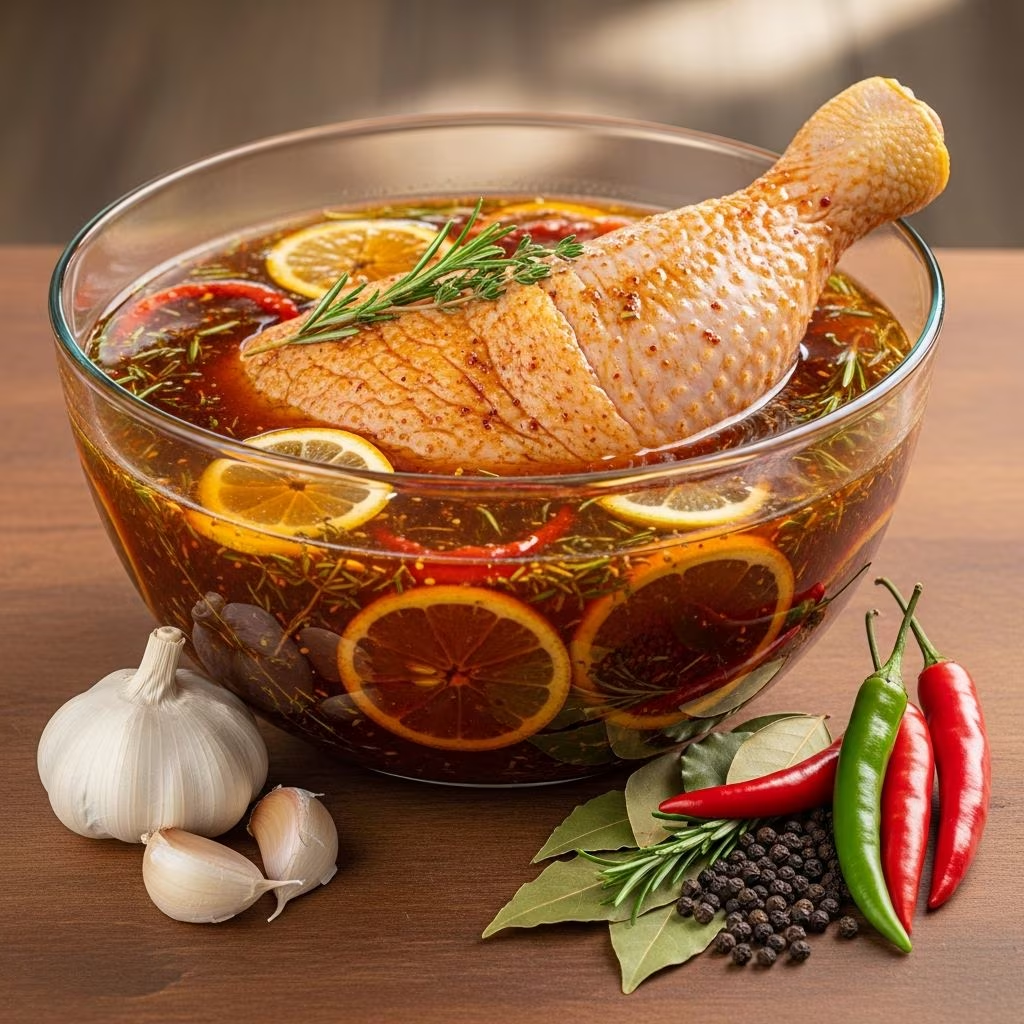
A successful marinade for deep-fried turkey serves multiple purposes beyond simple flavoring. The liquid base carries seasonings deep into the meat while the fat components work to tenderize and retain moisture during the intense heat of the frying process. Traditional marinade formulations balance several key elements: a flavorful liquid foundation, aromatic seasonings, acidic components for tenderization, and fat for richness and texture enhancement.
The oil or butter component acts as a binder, helping seasonings adhere to the meat fibers and creating a protective layer that seals in natural juices. Meanwhile, acidic elements like lemon juice or Worcestershire sauce penetrate muscle tissue, breaking down connective fibers and allowing deeper seasoning penetration. This multi-layered approach ensures that every bite of your fried turkey carries consistent, developed flavor rather than relying solely on exterior seasoning.
Essential Marinade Components and Their Functions
Liquid Base Options
The foundation of any injection marinade begins with choosing an appropriate liquid base. Chicken or turkey broth provides savory depth while maintaining a neutral profile that complements various seasoning directions. Alternatively, oil-based components like melted butter or vegetable oil contribute richness and help distribute fat-soluble flavoring compounds throughout the meat. Many contemporary recipes combine both broth and fat to achieve optimal moisture retention and flavor distribution.
Specialty liquids offer unique flavor profiles: beer adds malty complexity and body, apple cider vinegar brings brightness and acidity for tenderization, and even maple syrup can contribute subtle sweetness that balances spicy or savory elements. The choice of liquid base essentially sets the flavor direction for your entire marinade formulation.
Aromatic Seasonings
Classic poultry seasonings form the backbone of most turkey marinades. Garlic powder and onion powder provide savory background notes without requiring fresh preparation, making them ideal for marinades that will be heated. Ground sage, thyme, and oregano contribute earthy, herbaceous qualities that complement poultry’s natural flavors. Many recipes include cayenne pepper or other chile-based seasonings to add complexity and a gentle warming sensation that develops during frying.
Paprika brings both color and mild smoky notes, while black pepper adds bite and pungency. Ground bay leaf, while less common in modern recipes, provides an additional layer of floral, slightly bitter undertones that prevent the marinade from tasting one-dimensional. The combination and proportion of these elements determines whether your marinade skews toward traditional poultry seasoning, Cajun-influenced boldness, or international flavor profiles.
Acidic Elements
Acidity serves critical functions in turkey marinades beyond mere flavor contribution. Lemon juice, a cornerstone ingredient in many formulations, breaks down muscle proteins while adding bright, citrus notes that cut through rich fried flavors. Worcestershire sauce brings umami depth, subtle sweetness, and vinegar-based acidity in one ingredient. Apple cider vinegar contributes tangy brightness without overpowering other flavors, while concentrated liquid crab boil adds briny, seafood-adjacent complexity that may surprise but ultimately enhances overall depth.
Classical Marinade Formula
A foundational marinade formula provides an excellent starting point for customization based on personal preferences and available ingredients:
- ½ cup melted butter or oil
- ¾ to 1 cup broth (chicken, turkey, or vegetable)
- 3 to 4 tablespoons Worcestershire sauce
- 2 to 3 tablespoons fresh lemon juice
- 2 teaspoons salt
- 1 teaspoon onion powder
- 1 teaspoon garlic powder
- 1 teaspoon ground thyme or sage
- ½ teaspoon cayenne pepper
- ½ teaspoon black pepper
This balanced formula works effectively for turkeys ranging from 10 to 14 pounds and can be doubled for larger birds. The proportions ensure that acidic elements don’t overpower other flavors while fat content remains sufficient for optimal meat penetration and moisture retention.
Preparation Techniques and Best Practices
Heating and Cooling the Marinade
Most effective marinades benefit from gentle heating to fully dissolve all ingredients and ensure even distribution of flavors. Combine all ingredients in a medium saucepan over medium-high heat, stirring occasionally until the butter completely melts and all components appear well integrated. This heating step prevents grittiness from undissolved seasonings and helps aromatics release their essential oils more efficiently.
After heating, allow the marinade to cool for 8 to 10 minutes before filling your injection syringe. Cooling prevents the marinade from evaporating during storage while hot liquid can also cause the plunger to become difficult to manage. Once cooled to comfortable handling temperature, the marinade reaches optimal consistency for smooth, controlled injections into your prepared bird.
Equipment Selection
A quality meat injector represents a worthwhile investment for anyone planning to prepare deep-fried turkey regularly. Modern injectors feature large-capacity syringes with needle sizes specifically designed for poultry, typically ranging from 20 to 24 gauge. Larger needles accommodate thicker marinades and allow for more efficient injection with less effort, while the substantial syringe volume means fewer refilling cycles during the injection process.
Before beginning, ensure your injector is completely clean and dry. Even small residual water droplets can dilute your carefully prepared marinade, reducing flavor intensity. Drawing the syringe plunger back slightly and then pushing it forward expels any air pockets that might compromise injection accuracy and consistency.
Turkey Preparation
Begin with a completely thawed turkey at room temperature for optimal injection results. Thoroughly rinse the bird inside and out under cool running water, then pat dry with paper towels. Removing surface moisture allows the marinade to penetrate more effectively and prevents dilution of your formula. Allow the turkey to reach room temperature before injection—typically 30 minutes to one hour out of refrigeration—as room-temperature meat accepts injected marinades more readily than cold tissue.
Injection Methodology and Distribution Strategy
Strategic injection placement ensures comprehensive flavor development rather than concentrated pockets of seasoning. Divide your turkey into distinct regions: both breast halves, both thighs, and both legs. For each section, inject the marinade at multiple points, moving the needle to different positions while gradually depressing the plunger rather than forcing large volumes at single injection sites.
Generally, thicker meat sections like breasts require more total marinade volume than thinner areas. Plan for approximately ½ cup injected into each breast half, ¼ cup per thigh, and ¼ cup per leg. Move the needle in multiple directions within each muscle group—both horizontally and vertically—to distribute flavors evenly throughout the tissue. This systematic approach prevents dry spots while avoiding over-injection that might cause leakage during frying.
After completing the injection process, rub any remaining marinade over the exterior of the turkey, working it into skin crevices and the cavity opening. This creates a flavorful exterior crust while ensuring no prepared marinade goes to waste. Some recipes suggest pouring additional liquid into the cavity itself, which flavors the inner surfaces and contributes to overall moisture retention.
Marinating Duration and Storage Guidelines
Timing significantly impacts flavor development in deep-fried turkey. Minimum marinating duration of 8 hours allows sufficient time for injected seasonings to distribute and flavor compounds to penetrate surrounding tissue. However, overnight marination (12 to 24 hours) provides noticeably enhanced flavor depth as acids continue their tenderizing action and aromatic compounds fully integrate with the meat.
Extended marinating periods up to 48 hours produce increasingly complex flavor profiles without risk of over-marinating or degradation of meat texture. Store your prepared turkey in the refrigerator on a roasting pan or rimmed baking sheet to contain any liquid that may escape during storage. Cover loosely with plastic wrap or foil to prevent contamination while allowing minimal air circulation to prevent excessive drying.
Flavor Variation Approaches
Cajun-Influenced Marinade
For those preferring bolder, more assertive flavors, Cajun-inspired marinades combine traditional poultry seasonings with additional heat and spice. Include components like increased cayenne pepper, chili powder, paprika, and Louisiana-style hot sauce or crab boil concentrate. Beer—particularly lager varieties—works beautifully in Cajun formulations, adding malty complexity that complements aggressive seasoning profiles. Minced fresh garlic cloves in addition to powdered varieties provide additional depth and authenticity.
Mediterranean and Herbaceous Variations
For a lighter, more delicate approach, emphasize citrus elements with additional lemon or lime juice while reducing heat components. Increase herb proportions—fresh or dried oregano, basil, and marjoram—to create an Italian or Greek-influenced profile. White wine or chicken broth can replace or supplement darker liquids, and garlic and onion juice rather than powders bring fresher character to the final product.
Sweet and Savory Combinations
Incorporating sweet elements through maple syrup, honey, or brown sugar creates marinades with more complex, layered flavor profiles. These additions balance spicy and acidic components while contributing to attractive browning during frying. Approximately 2 to 4 tablespoons of sweetener per batch maintains appropriate sugar balance without creating overly sweet results.
Common Mistakes and How to Avoid Them
Many home cooks discover that under-seasoned marinades fail to deliver meaningful flavor development. Remember that during deep frying at high temperatures, some seasoning intensity diminishes, so slightly over-seasoning compared to your normal cooking preferences typically yields optimal final results. Conversely, excessive salt can create unpalatably salty results—balance is crucial, and gradual taste-testing during preparation prevents miscalibration.
Injecting cold marinade into room-temperature or warm turkey can compromise the frying process and create texture issues. Always ensure your marinade cools to at least room temperature before injection, and ideally refrigerate it until injection time to prevent any temperature-related complications.
Finally, some cooks neglect to account for additional seasonings beyond the injection when finishing their turkey. Consider whether your external dry rub or seasoning will layer with your injection marinade’s flavor profile or potentially create over-salted results. Adjust external seasoning accordingly to achieve balanced, harmonious final flavors.
Frequently Asked Questions
Can I prepare marinade in advance and freeze it?
Yes, marinade stores well in refrigerated containers for up to one week or in the freezer for several months. Thaw frozen marinade in the refrigerator before use and reheat gently if crystallization has occurred during storage.
What if my injector becomes clogged during use?
Strain your marinade through fine mesh before filling if visible sediment is present. If clogging occurs, flush the injector immediately with hot water and use a thin pipe cleaner or specialized injector cleaning tool to clear the needle.
Should I use the same marinade for injection and basting?
Absolutely. Reserve a portion of your prepared marinade specifically for basting during the frying process, though this requires careful handling due to oil splattering concerns. Alternatively, prepare a slightly modified version without raw garlic or other components prone to burning.
How can I tell if my marinade has adequate seasoning?
Carefully taste a small amount after cooling (taking care with heat components) and adjust seasonings before injecting your turkey. This prevents disappointing results and allows you to customize intensity according to personal preference.
References
- Deep Fried Turkey Recipe – Immaculate Bites — African Bites. Accessed April 2026. https://www.africanbites.com/deep-fried-turkey/
- The Best Fried Turkey Recipe | Tips – Oh So Delicioso — Oh So Delicioso. Accessed April 2026. https://ohsodelicioso.com/how-to-fry-the-best-in-the-world-turkey/
- Cajun Marinated Fried Turkey Recipe — BBQGuys. Accessed April 2026. https://www.youtube.com/watch?v=43yTaV0czcE
- Fried Turkey Recipe Finger Lickin’ Good – Grandbaby Cakes — Grandbaby Cakes. Accessed April 2026. https://grandbaby-cakes.com/fried-turkey-recipe/
- Lemon, Pepper and Garlic Deep Fried Turkey Recipe — Eat Turkey. Accessed April 2026. https://www.eatturkey.org/recipe/lemon-pepper-and-garlic-deep-fried-turkey-2/