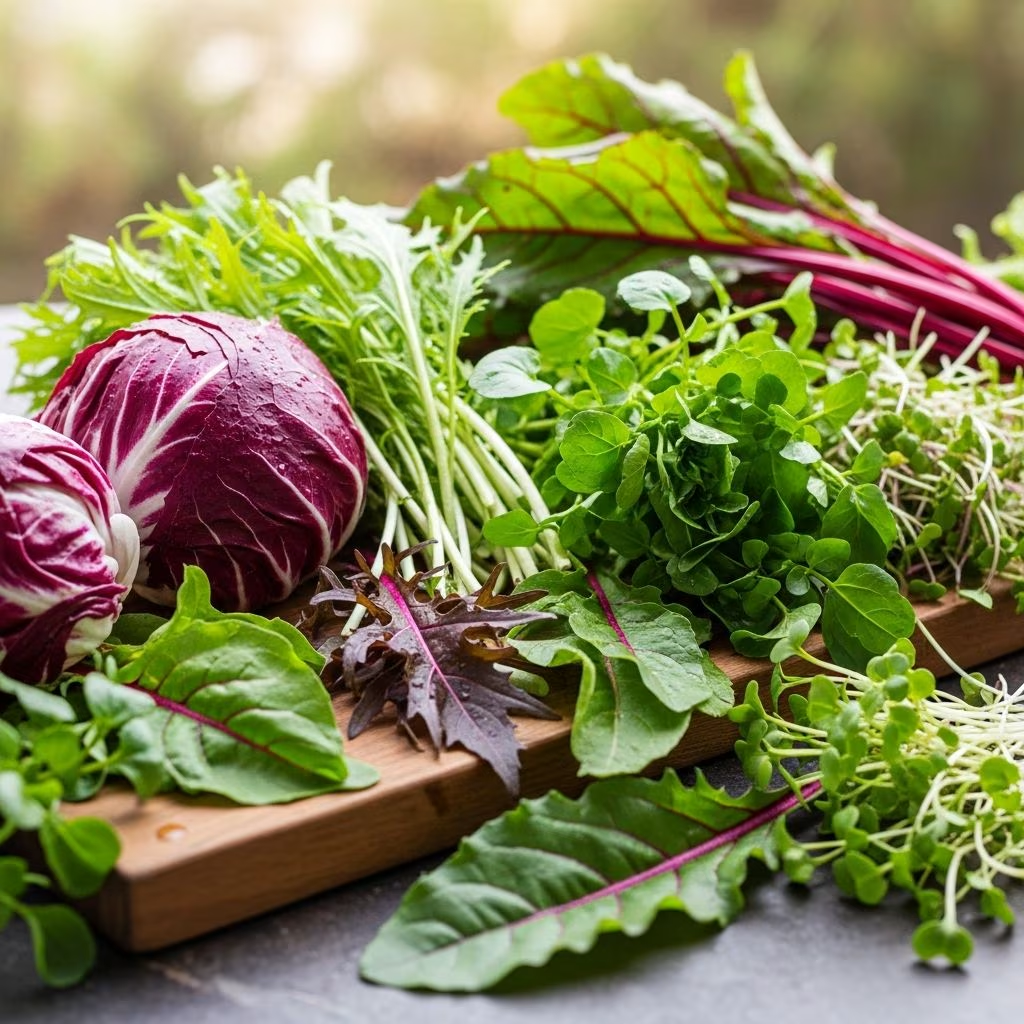
Leafy greens have long been celebrated for their nutrient density, with kale once reigning supreme as the ultimate superfood. Today, a new generation of greens is emerging, offering superior flavors, easier preparation, and equally impressive health profiles. These alternatives provide high levels of vitamins, minerals, and antioxidants while bringing fresh excitement to everyday meals.
Why the Shift from Traditional Kale?
While kale remains nutritious, its tough texture and bitterness have led many to seek milder, more versatile options. New greens maintain the core benefits—such as abundant vitamin K for bone health and vitamin C for immunity—while being tender enough for raw consumption without extensive massaging. This evolution reflects a broader trend toward flavorful, accessible superfoods that fit seamlessly into busy lifestyles.
Nutritional Powerhouses: A Comparison
Modern leafy greens rival kale in key nutrients. For instance, one cup of raw kale delivers about 33 calories, 2.2g protein, 80mg vitamin C (over 70% DV), and 547mcg vitamin K (far exceeding daily needs). Emerging greens match or exceed these, often with added perks like higher beta-carotene for eye health.
| Nutrient (per 1 cup raw) | Kale | New Green Avg. |
|---|---|---|
| Calories | 33 | 25-35 |
| Vitamin K (% DV) | 450+ | 300-500 |
| Vitamin C (% DV) | 70-80 | 50-100 |
| Fiber (g) | 1.3 | 1-2 |
| Calcium (mg) | 90 | 80-120 |
Data drawn from nutritional analyses shows these greens support bone density through calcium, magnesium, and vitamin K synergy, aiding absorption and mineralization.
Top Contenders Stealing the Spotlight
- Tender Baby Varieties: Young shoots of various greens offer buttery textures and mild sweetness, ideal for salads without chopping hassles. They’re rich in folate and potassium for heart health.
- Colorful Hybrids: Reds and purples pack extra anthocyanins, potent antioxidants fighting inflammation and oxidative stress.
- Nutty-Flavored Leaves: Options with earthy notes provide omega-3s like ALA, promoting anti-inflammatory effects similar to kale.
- Exotic Imports: Milder Asian greens bring unique tastes and high manganese for metabolism support.
Health Advantages That Go Beyond Basics
Fortifying Bones and Joints
These greens excel in bone support, combining vitamin K for osteocalcin production, magnesium for vitamin D activation, and calcium for density. Regular intake may reduce osteoporosis risk, with one cup offering up to 485mg potassium to balance electrolytes.
Combating Chronic Inflammation
Flavonoids like quercetin and kaempferol, alongside vitamin C and beta-carotene, neutralize free radicals and lower histamines. This mix protects against heart disease, diabetes, and cancers, positioning them as anti-inflammatory staples.
Eye and Skin Protection
Lutein, zeaxanthin, and beta-carotene (over 6,000mcg per cup in some) shield eyes from age-related damage and enhance skin glow via antioxidant defense.
Weight Management and Digestion
Low-calorie (7-35 per cup) with 1-2g fiber, they promote satiety and gut health, potentially lowering cholesterol and aiding weight control.
Preparation Tips for Maximum Enjoyment
Unlike fibrous kale, these greens shine raw or lightly cooked. Wash thoroughly, spin dry, and toss in salads. For cooking, sauté with garlic in 2-3 minutes to preserve nutrients. Smoothies benefit from their mild profiles—no bitterness to mask.
- Raw: Dress with lemon-olive oil vinaigrette for 10-minute salads.
- Steamed: Pair with quinoa for protein boosts.
- Blended: Add to green smoothies with fruits for natural sweetness.
- Roasted: Crisp at 375°F for 5-7 minutes as chips.
Recipe Ideas to Incorporate Daily
Super Green Salad Bowl
Mix 2 cups mixed new greens, cherry tomatoes, avocado, nuts, and tahini dressing. Serves 2; 250 calories, loaded with vitamins.
Greens-Packed Smoothie
Blend 1 cup greens, banana, berries, yogurt, and almond milk. High in antioxidants for breakfast.
Savory Stir-Fry
Sauté greens with tofu, ginger, and soy sauce. Ready in 15 minutes; supports anti-inflammatory diets.
Stuffed Wraps
Wrap greens, hummus, and veggies in whole-grain tortillas for portable nutrition.
Potential Considerations and Best Practices
These greens are generally safe, but those on blood thinners should monitor vitamin K intake for consistency. Opt for organic to minimize pesticides, and rotate varieties for diverse nutrients. Start with small portions if new to leafy greens to build tolerance.
FAQs
Are these new greens healthier than kale?
They offer comparable or better nutrient profiles with easier digestibility and taste.
How much should I eat daily?
1-2 cups raw provides ample vitamins without excess oxalates.
Can I freeze them?
Yes, blanch first for up to 6 months storage, retaining most nutrients.
Do they help with detoxification?
Their fiber and antioxidants support liver function and elimination.
Best for vegan diets?
Absolutely—excellent non-dairy calcium sources.
Integrating into Meal Plans
Aim for greens in every meal: breakfast smoothies, lunch salads, dinner sides. Weekly rotation prevents boredom and maximizes phytonutrient variety. Track benefits like improved energy and digestion over 4-6 weeks.
These emerging greens represent the future of superfoods—nutritious, delicious, and versatile. Embrace them to upgrade your plate and health effortlessly.
References
- Naturopathic Kitchen: Kale — AANMC. 2023. https://aanmc.org/naturopathic-kitchen/naturopathic-kitchen-kale/
- 9 Health Benefits of Kale — Healthline. 2023-10-15. https://www.healthline.com/nutrition/10-proven-benefits-of-kale
- Kale Nutrition — Taylor Farms. 2024. https://www.taylorfarms.com/the-taylor-leaf/nutrition/kale-nutrition/
- Kale: What It Is, Nutrition and Benefits — Cleveland Clinic. 2023-05-20. https://health.clevelandclinic.org/kale-benefits
- Kale, raw, 1 cup, chopped — Barnes-Jewish Hospital. 2023. https://www.barnesjewish.org/Health-Library/View-Content?contentTypeId=76&contentId=11233-1
- Nutrition Facts – Kale, raw, 1 cup, chopped — University of Rochester Medical Center. 2023. https://www.urmc.rochester.edu/encyclopedia/content?contenttypeid=76&contentid=11233-1